
Matched to Real Operating Conditions
Chemical Plant Grating
Chemical plants combine weather, washdown, process splash, condensate and maintenance access in one site. The grating decision therefore starts with an exposure map: identify what reaches each platform, tank area and pipe-rack corridor, then select material, finish and panel details zone by zone.
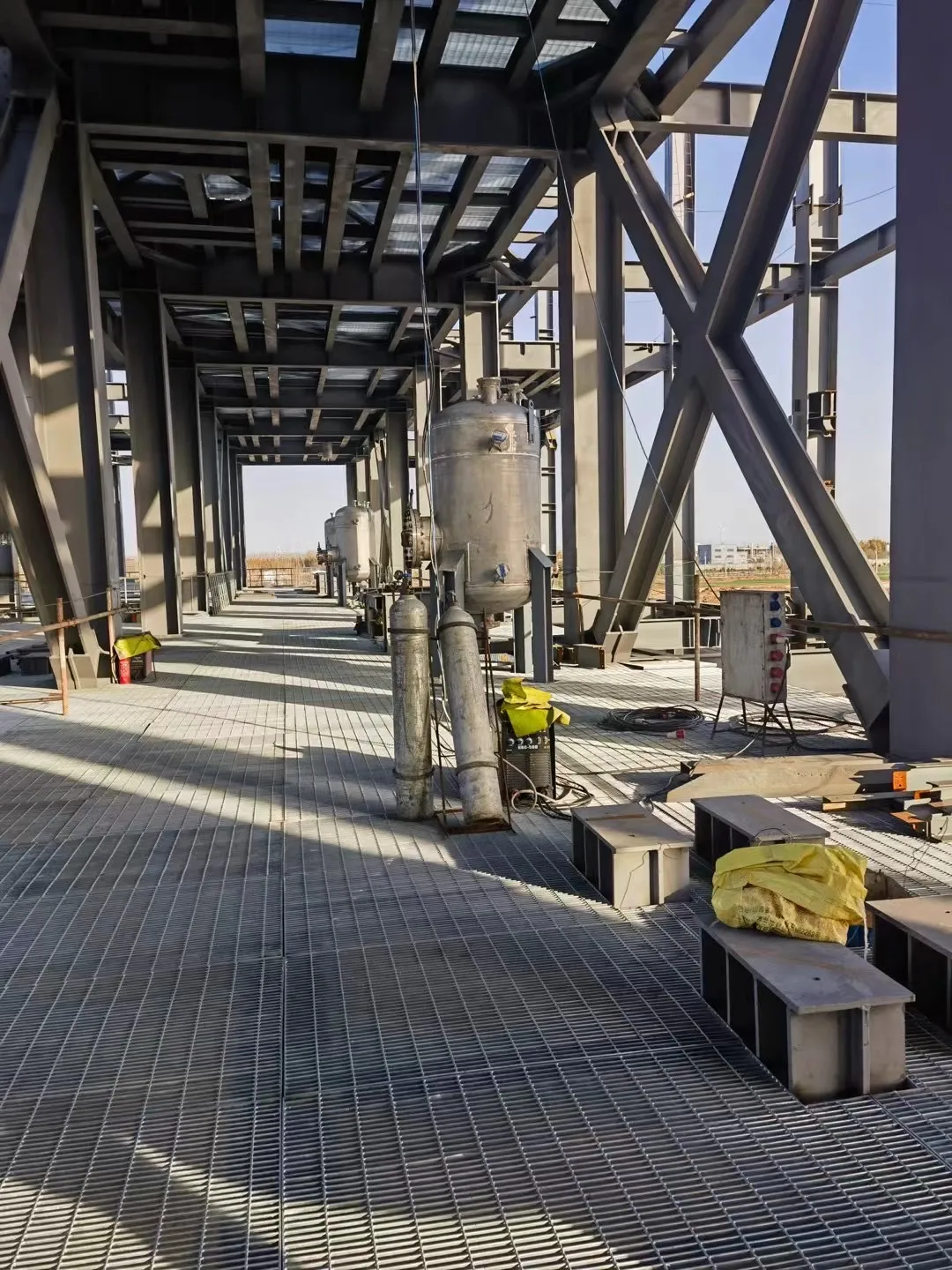
Gallery
Application Gallery
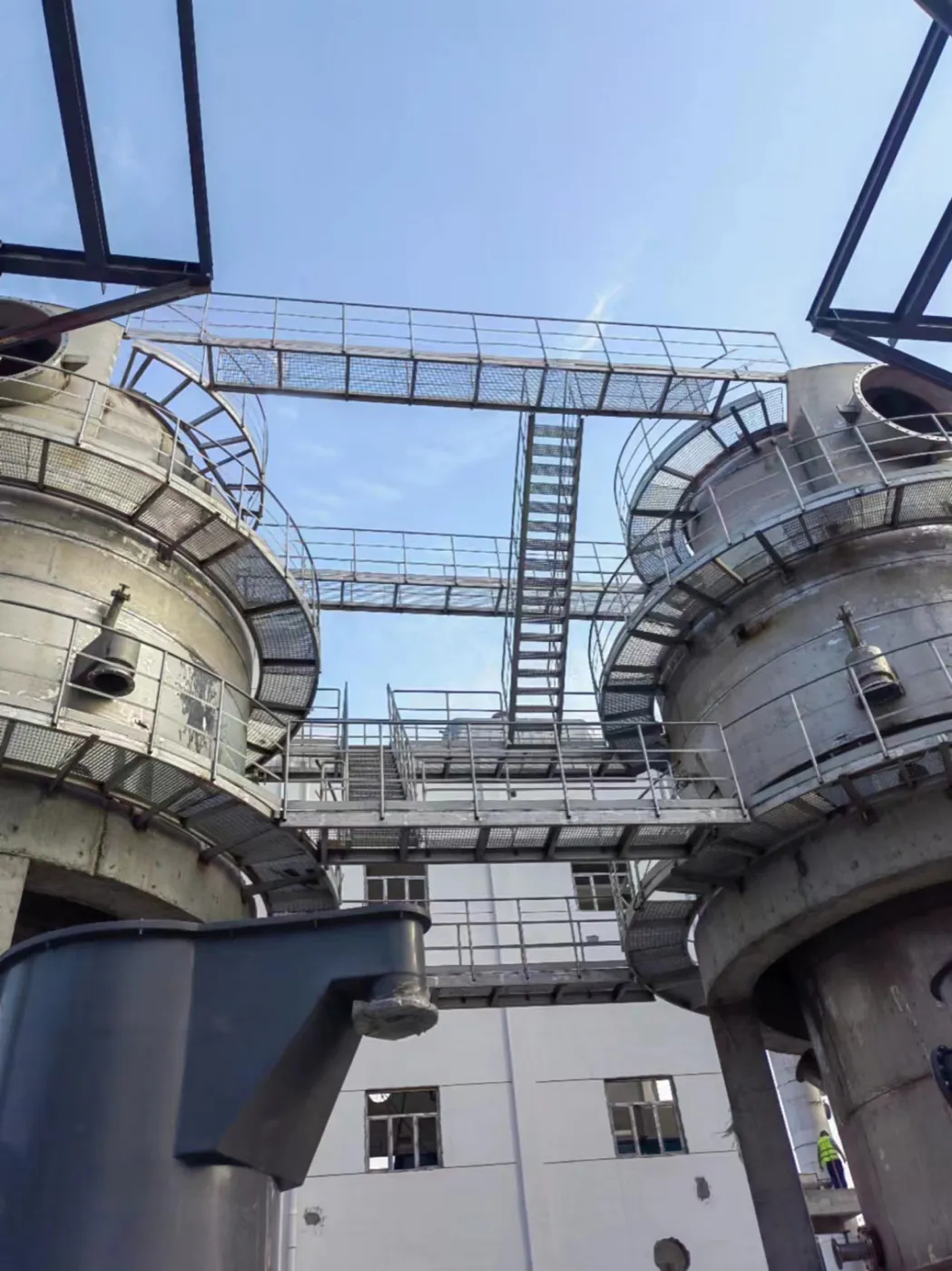
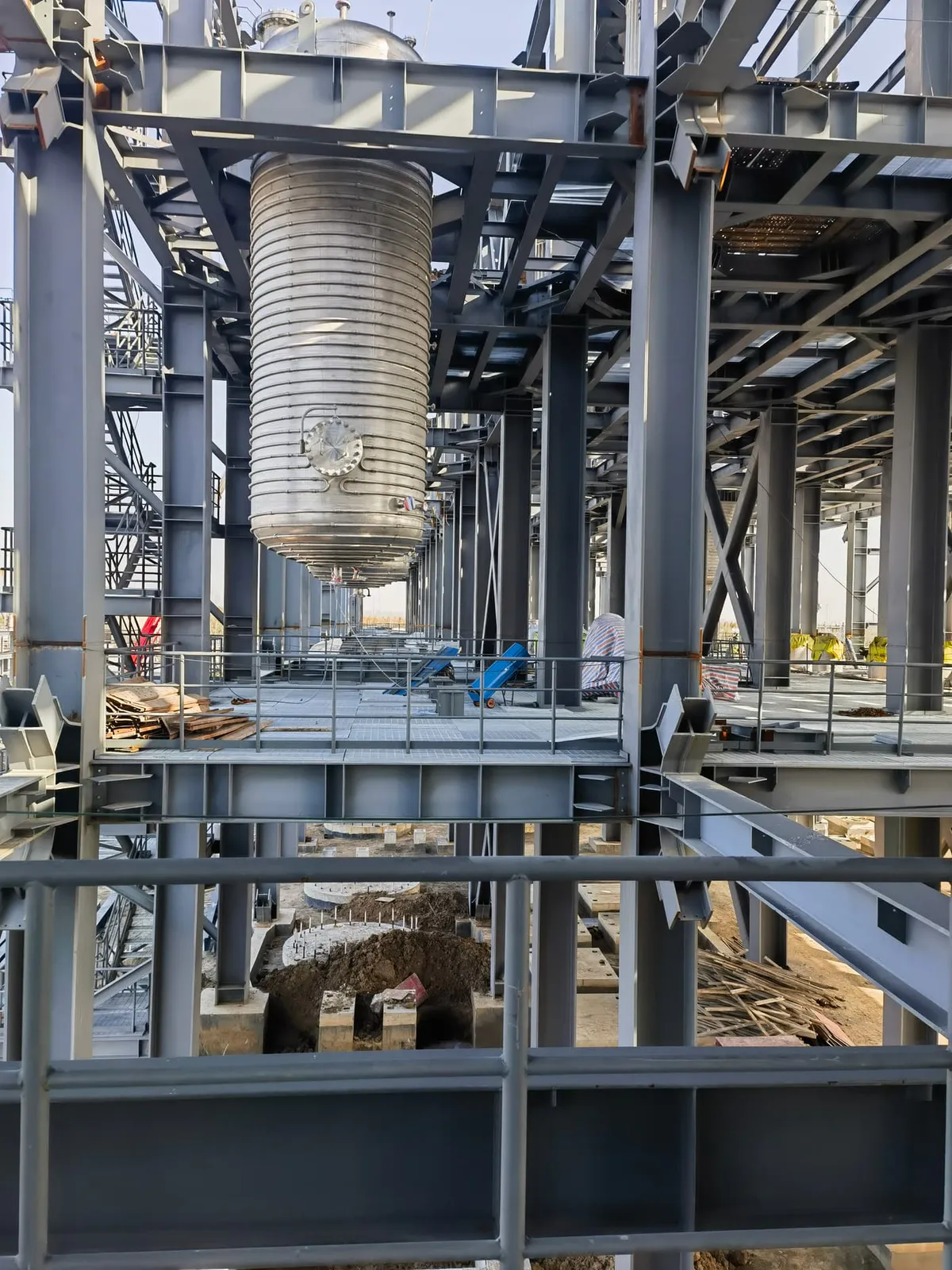
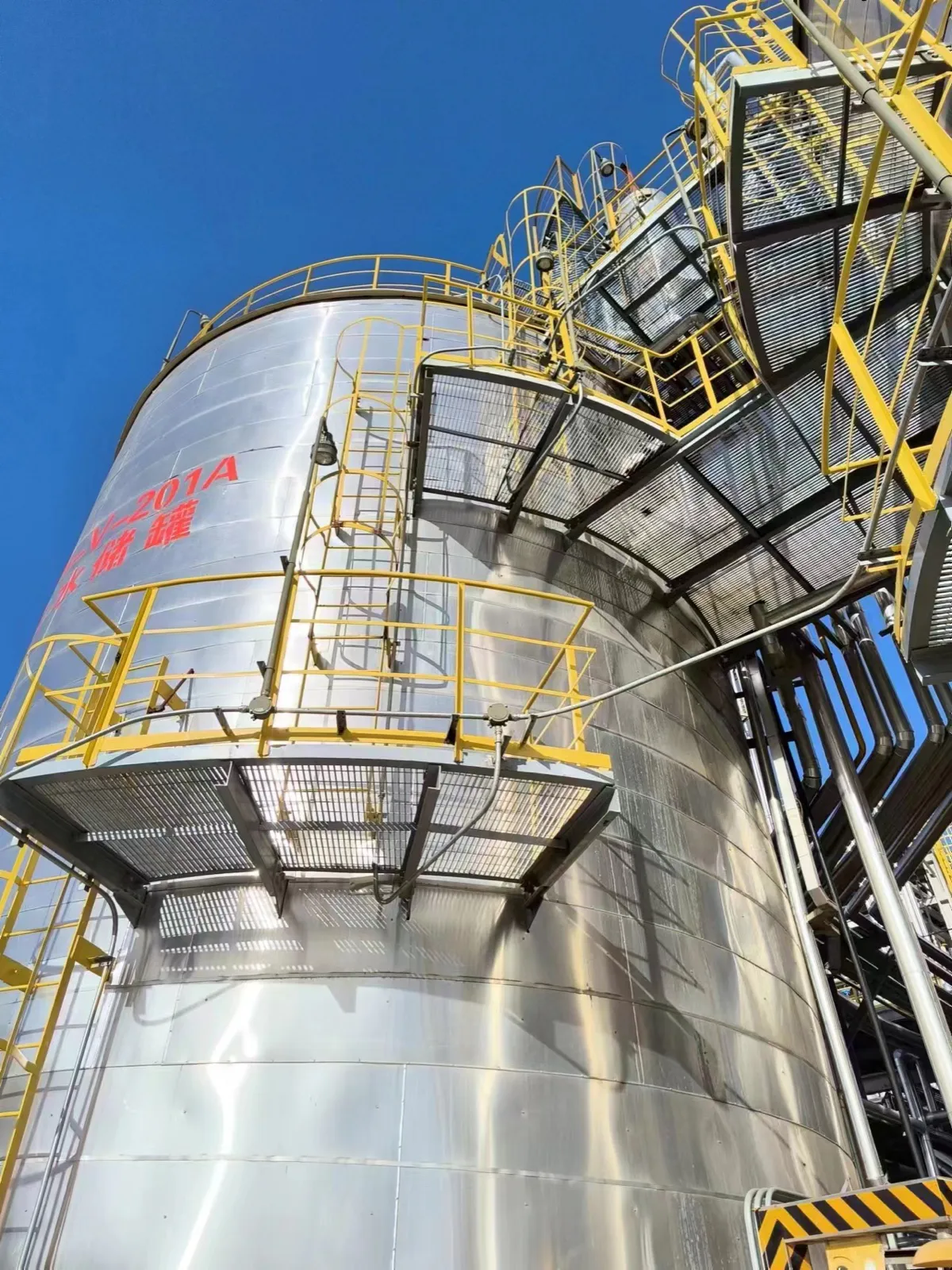
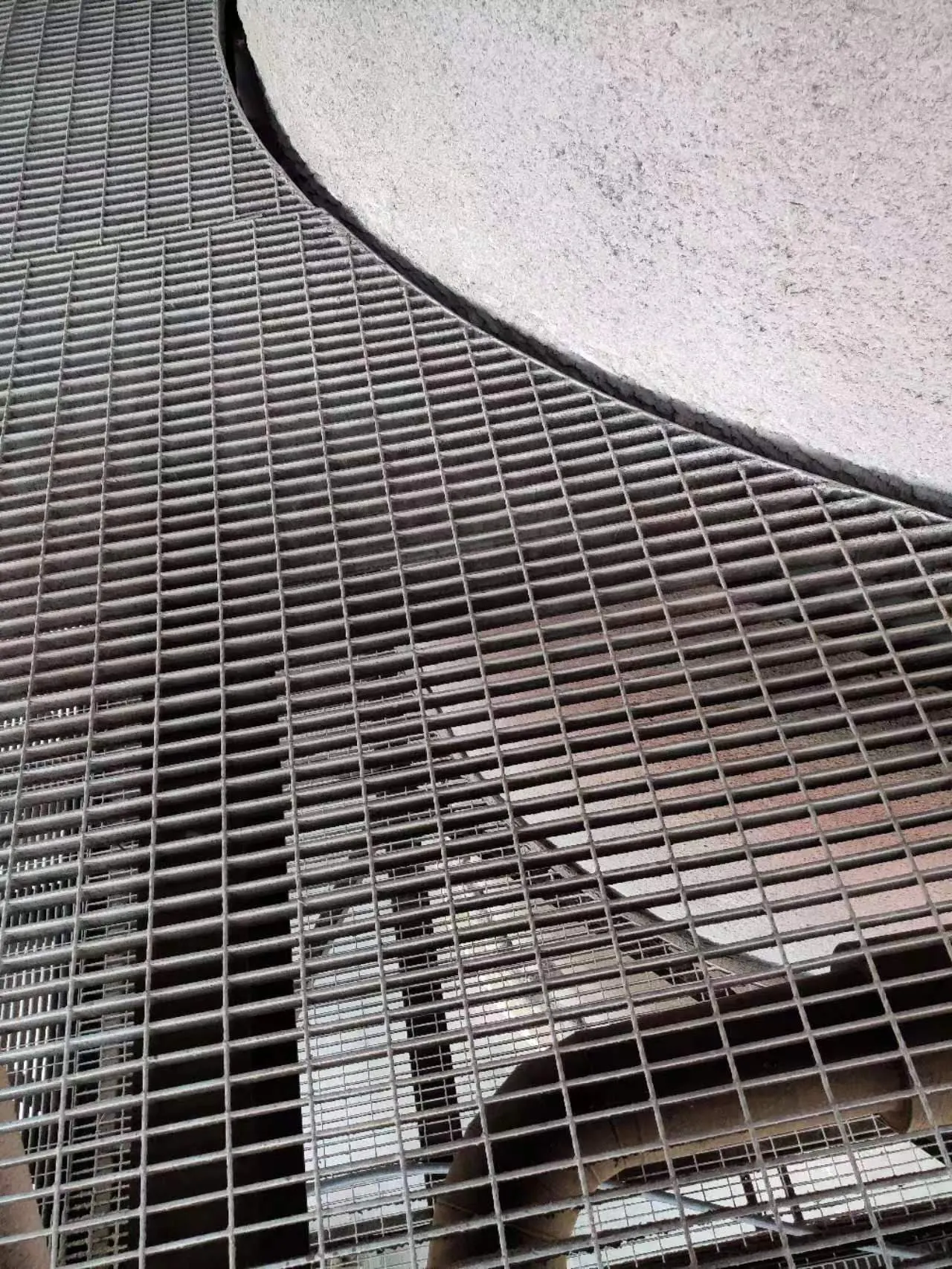
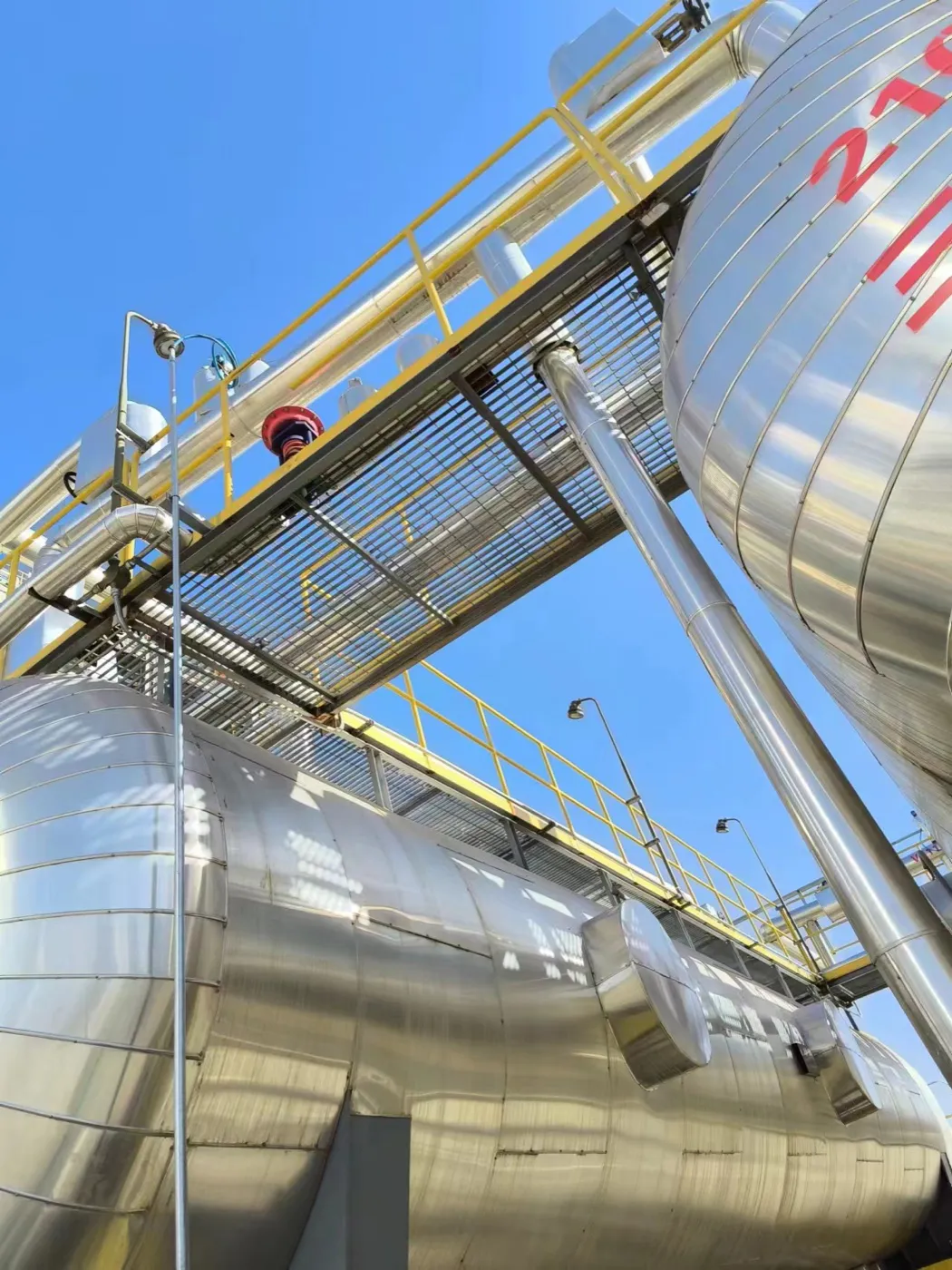
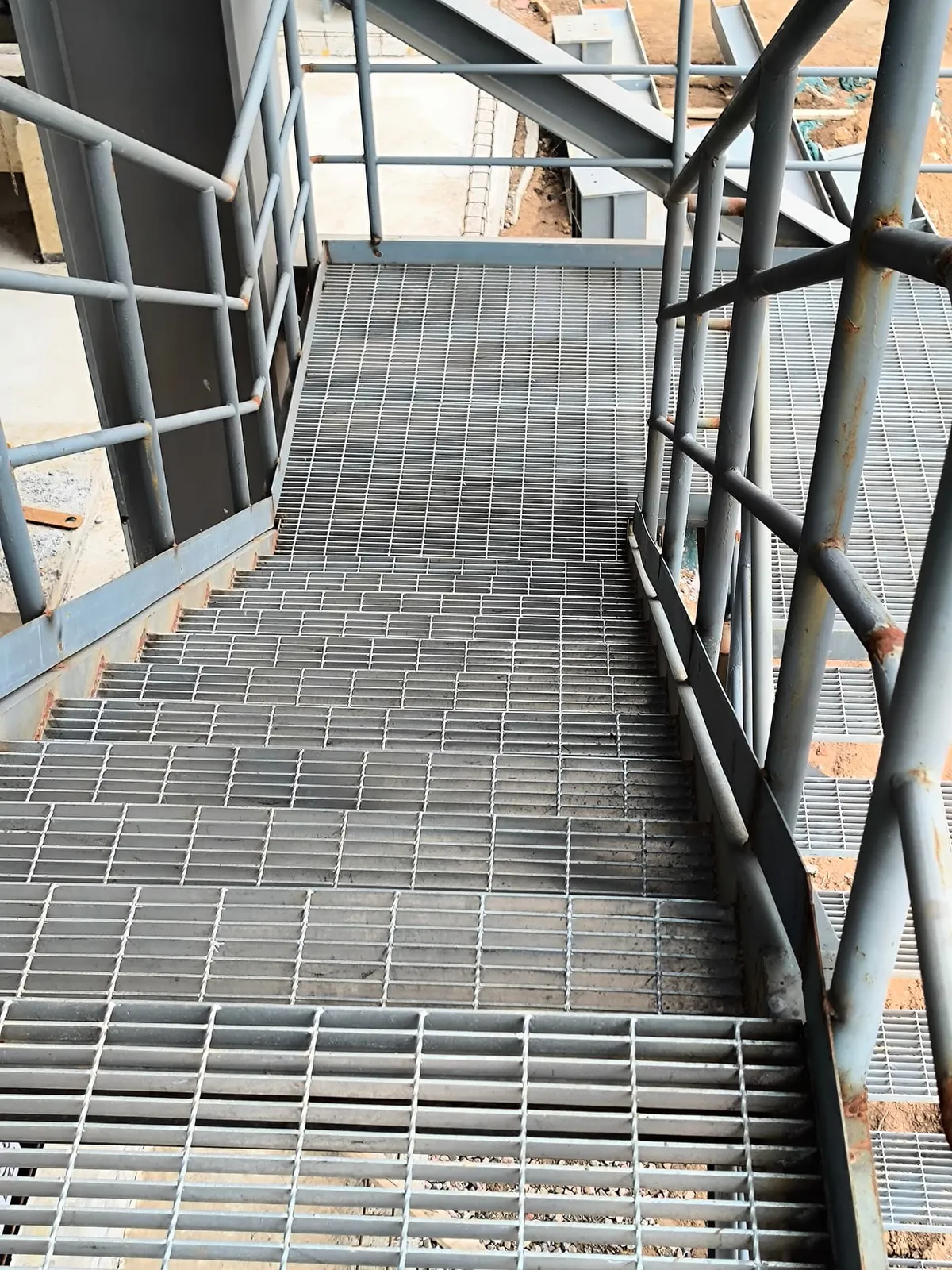
The Challenge
What This Application Demands
Chemical splash and washdown can attack a finish differently from general outdoor weather
H₂S, chlorides, acidity, concentration and temperature change the material decision
Platforms, tank areas and pipe racks need coordinated panel numbering and cut-outs
Frequent inspection requires removable access without loose or unmarked panels
Requirements
Specification Requirements
Confirm these points before ordering — they define the grating.
Exposure map
- List each chemical, concentration and operating or cleaning temperature
- Separate direct splash, vapour, condensate, washdown and weather-only zones
- State H₂S and chloride exposure; “chemical plant” alone is not a specification
Surface and drainage
- Confirm whether liquid can drain freely or collect at curbs and equipment bases
- Review serrated surfaces for wet, contaminated and exposed walking routes
- Keep removable access and inspection points visible on the layout
Combined panel schedule
- Coordinate platform, tank-area and pipe-rack panels from approved layouts
- Mark cut-outs, toe plates, banding, span direction and fixing method
- Number panels by area and installation sequence
Gratings
Recommended Grating Series
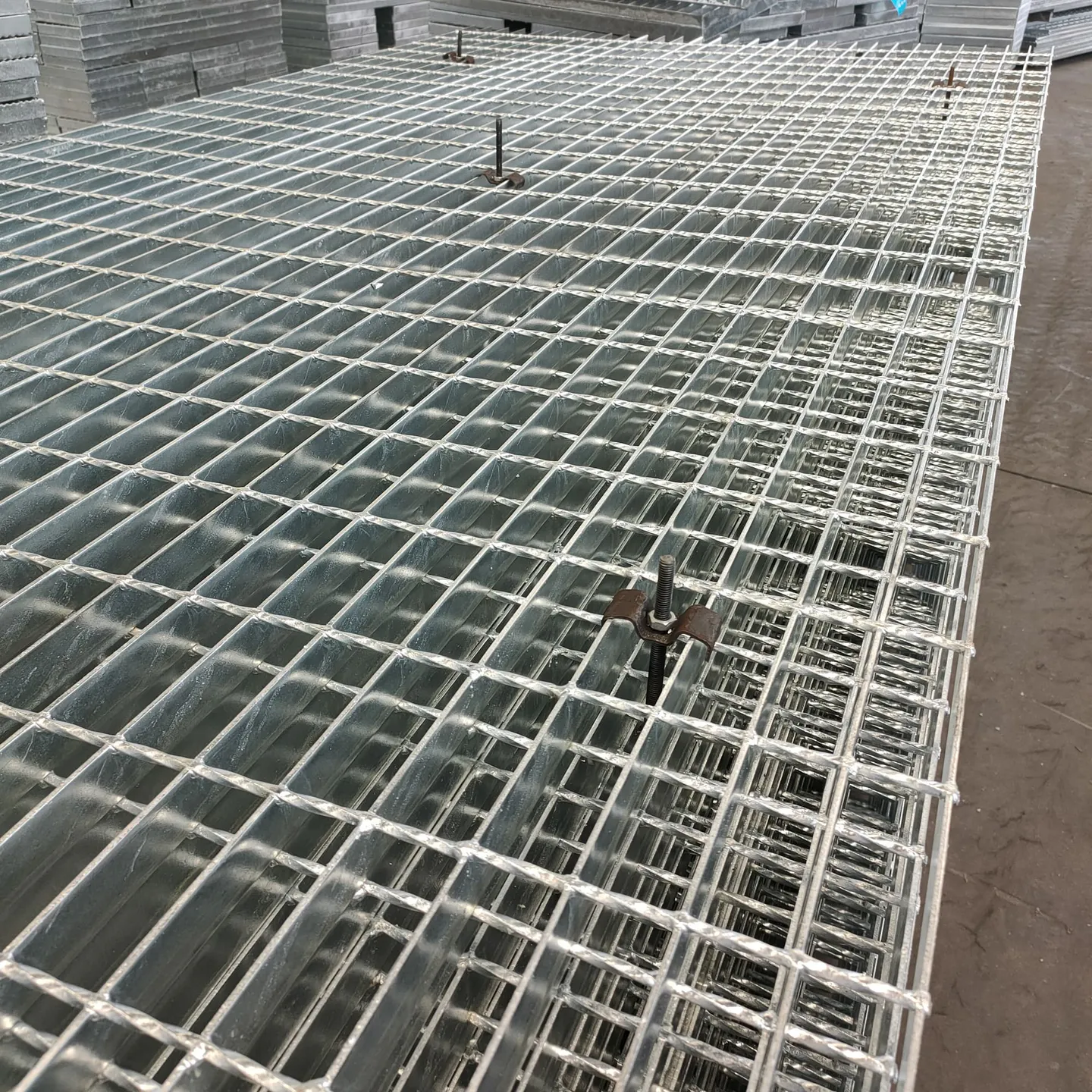
Galvanized Steel Grating
Hot-dip galvanized after fabrication for long-term corrosion protection on outdoor platforms, walkways and trench covers.
View product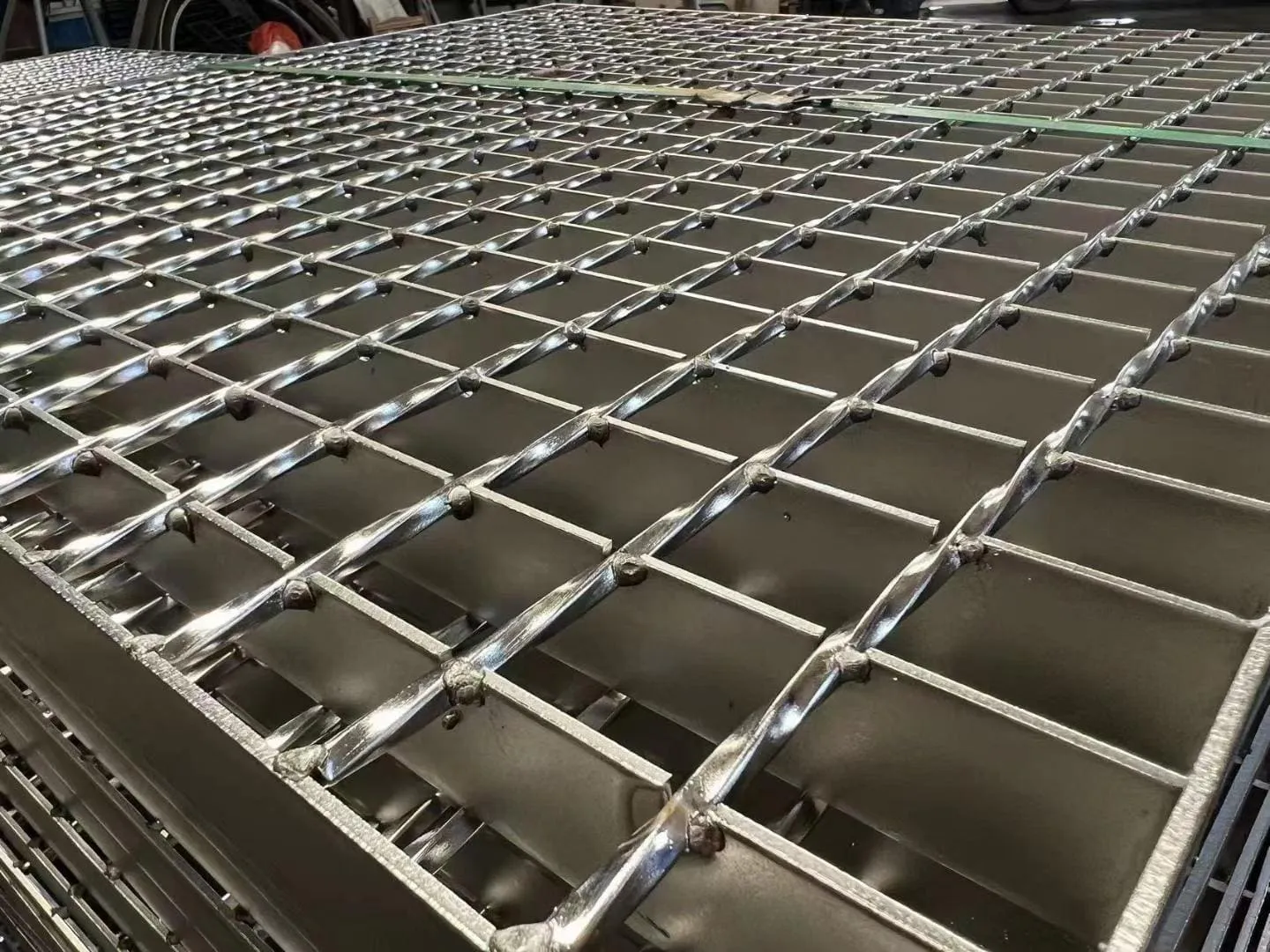
Stainless Steel Grating
SS304/316L grating for chemical, food-grade, coastal and hygienic environments — passivated or electro-polished.
View product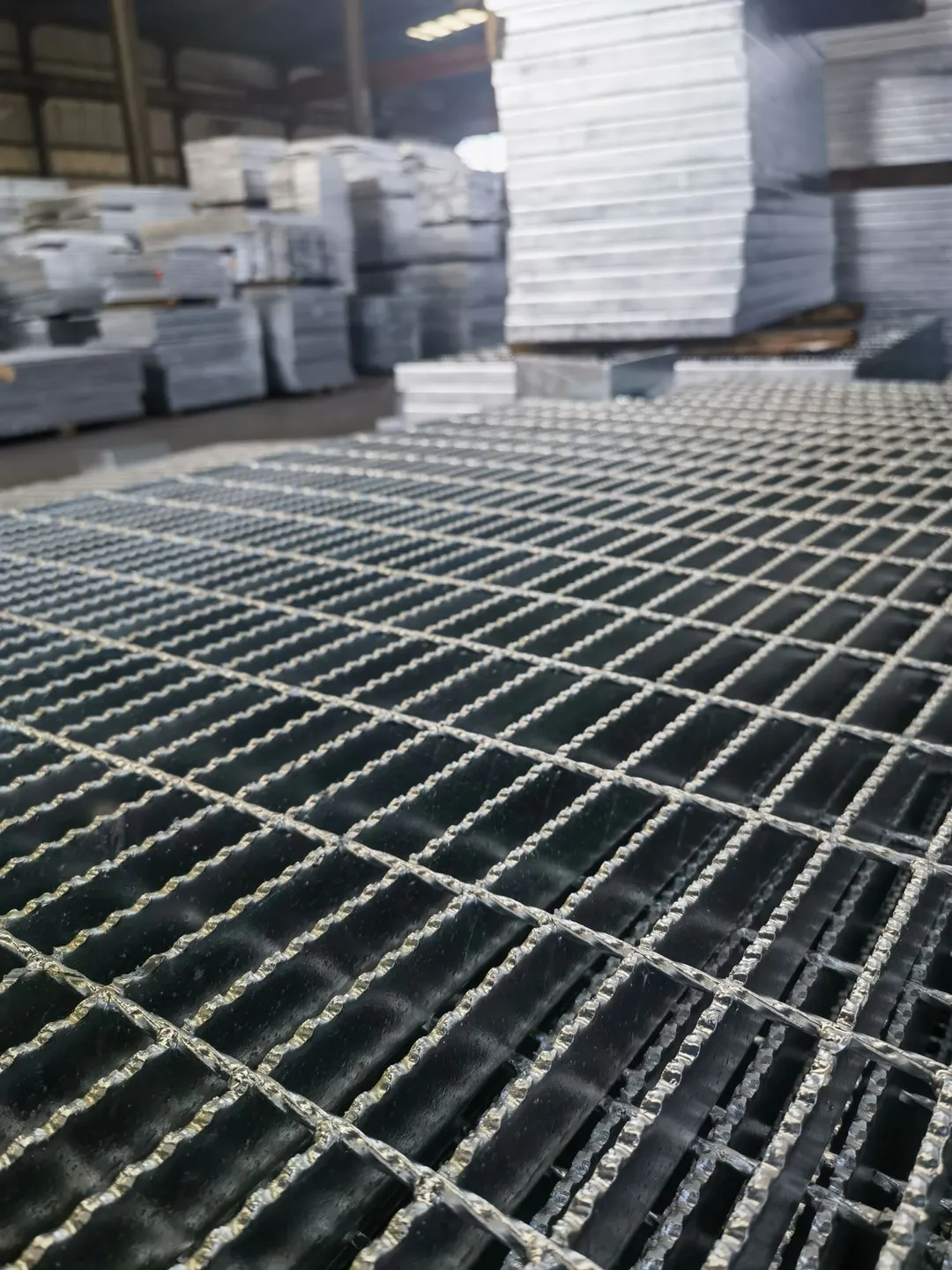
Serrated Steel Grating
Serrated bearing bars for added traction where wet, oily, snowy or inclined conditions are identified.
View product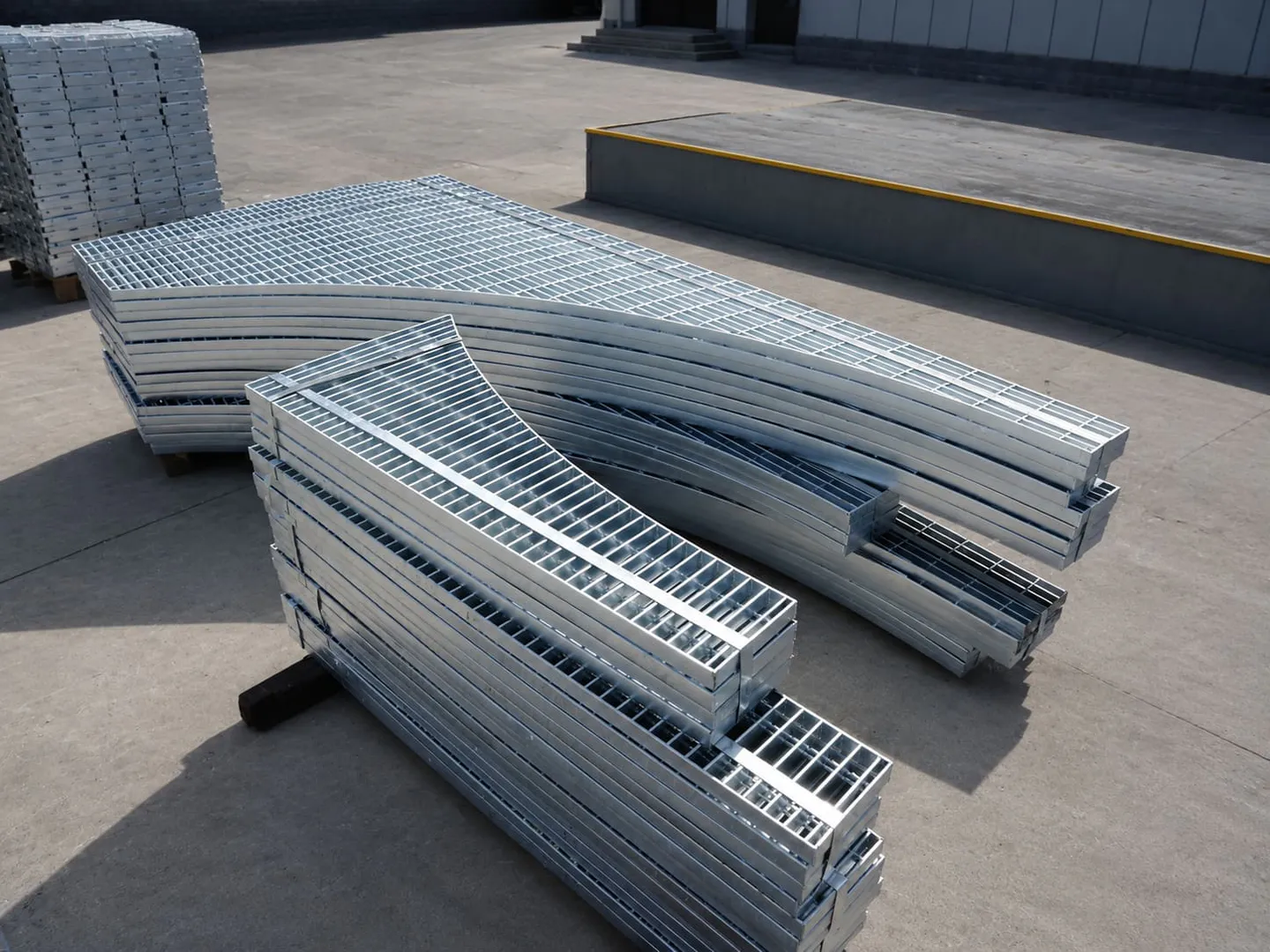
Custom Irregular Grating
Drawing-based non-rectangular panels with notches, cut-outs, curved edges and project panel numbering.
View productCorrosion route from exposure, not industry label
Hot-dip galvanized carbon steel may be a practical basis for weather-exposed areas that do not receive process chemicals, subject to the project corrosion review. Direct chemical splash, chloride-bearing washdown or persistent contaminated condensate moves the decision toward stainless 316L or another project-specified material—but 316L is not a universal answer for every chemical.
Send the chemical name, concentration, temperature, H₂S or chloride condition, cleaning regime and expected contact duration. Material compatibility is then confirmed per zone. Where galvanizing is selected, it is specified per ASTM A123 / ISO 1461 or the customer standard and verified by inspection report, without a fixed coating-thickness promise.
- Weather-only zone: evaluate galvanized carbon steel against the site corrosion plan
- Chemical-contact zone: review the actual media before considering 316L or another alloy
- Wet walking route: pair the material decision with drainage and slip review
- Mixed zones: use a marked exposure plan instead of one material assumption for the site
Inquiry
What to Send Us
These parameters let us confirm the specification and prepare a quote with fewer clarification rounds.
- Site exposure schedule by area: weather, splash, vapour, condensate and washdown
- Chemical names, concentrations, temperatures, H₂S and chloride conditions
- Platform, tank-area and pipe-rack layout drawings with supports
- Load types and clear spans for each area
- Surface, finish, fixing and removable-panel requirements
- Cut-outs, toe plates, banding and panel-number conventions
- Quantity and destination
Installation
Installation Notes
- Keep different exposure zones identifiable in the panel schedule and packing list.
- Use removable fixings where inspection access is required and record them on drawings.
- Avoid trapping washdown liquid around curbs, equipment bases and unvented pockets.
Project Evidence
See the Application in Context
These published project pages show the available application evidence without disclosing customer identities or unverified order details.
FAQ
Chemical Plant Grating FAQs
Is galvanized grating suitable everywhere in a chemical plant?
Should all corrosive areas use stainless 316L?
Can platforms, tank areas and pipe racks be supplied as one panel schedule?
What should be marked on a chemical-plant exposure plan?
Send Your Drawings, Get a Confirmed Specification
We aim to reply within one business day during published business hours.