DONGFU GRATING logo

Engineered Around Your Load & Span

Stair Tread Grating

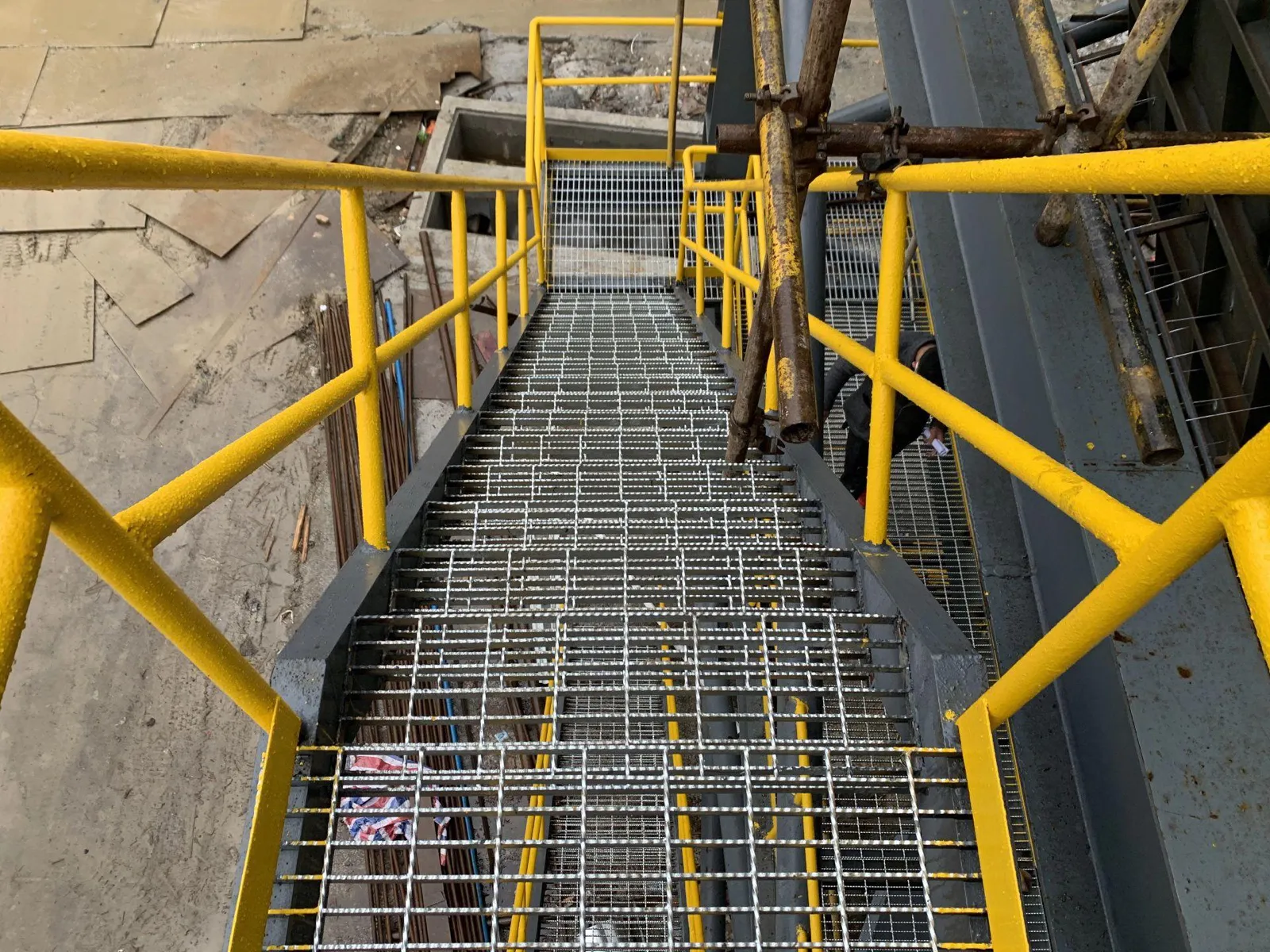
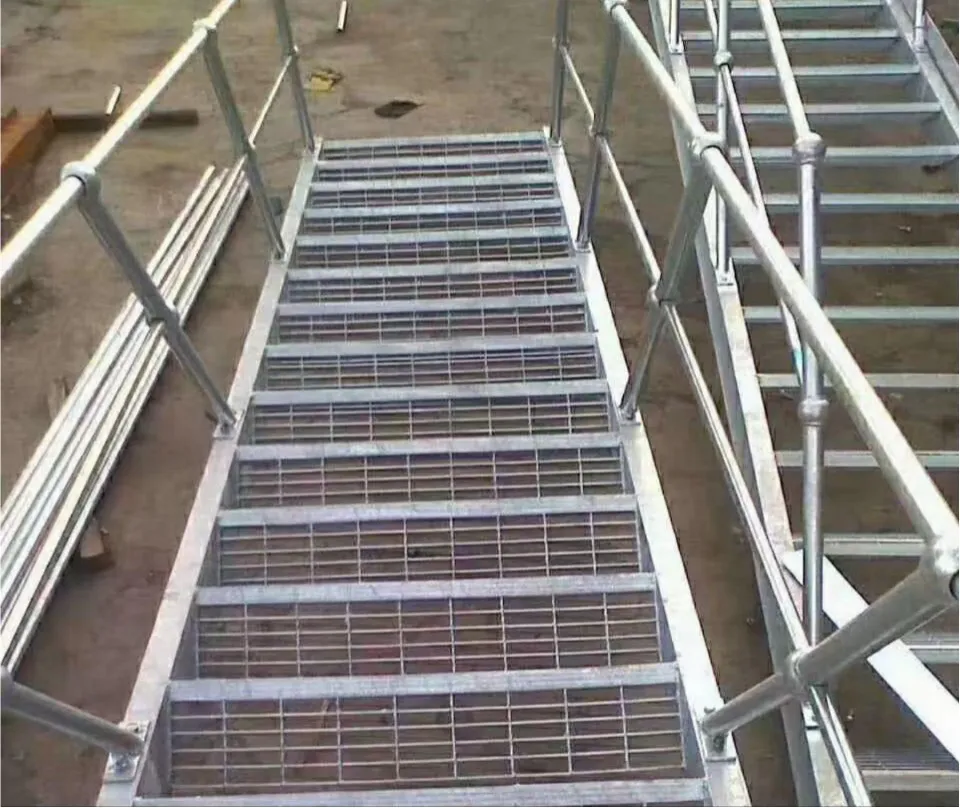
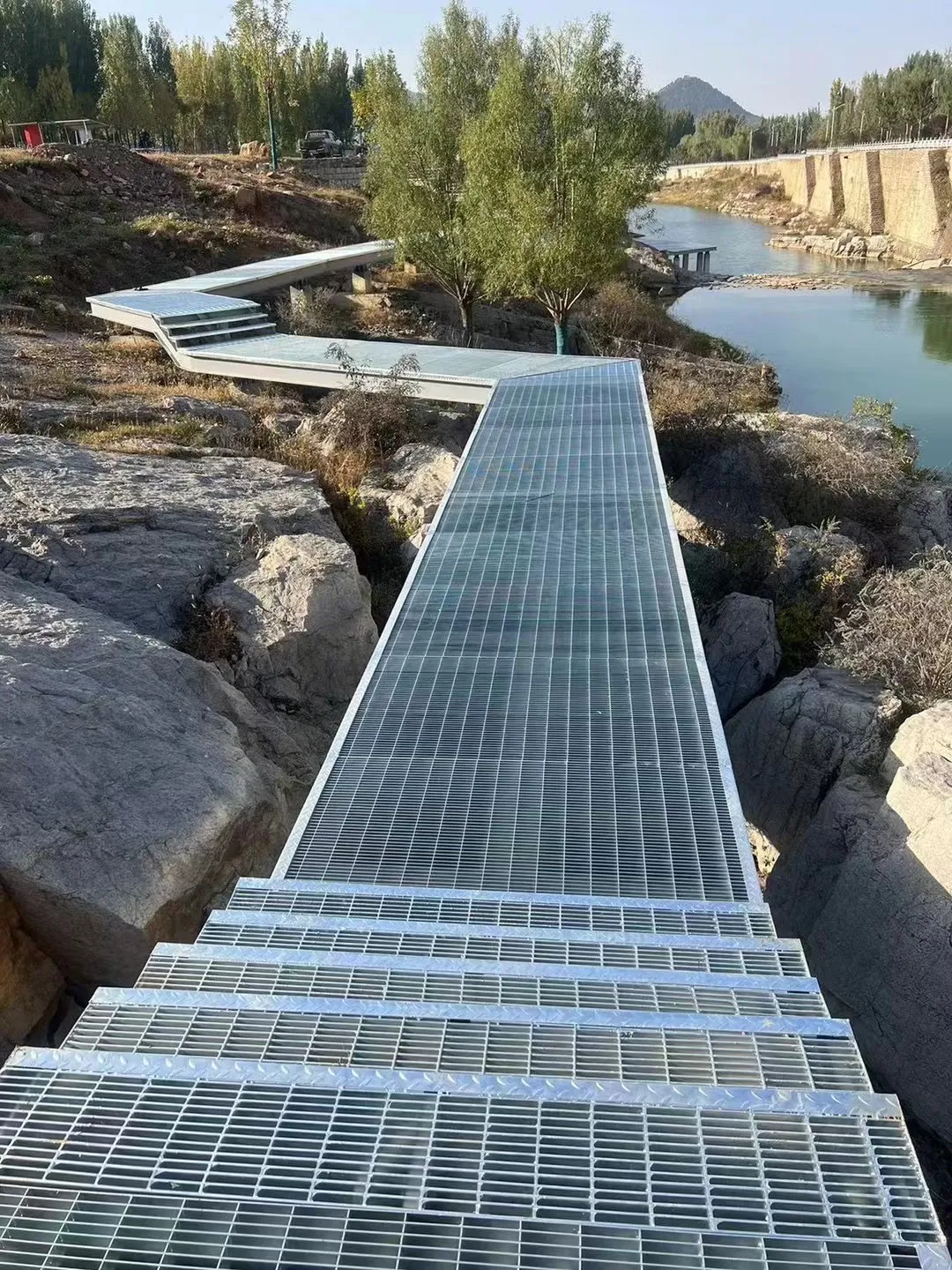
Stair tread grating combines a grating panel with a slip-resistant nosing, carrier end plates and fixing holes, ready to bolt or weld to industrial stair stringers. The open grid drains water and sheds debris while the nosing defines the step edge — supplied in standard T1–T4 types or fabricated to your stair drawings, galvanized, stainless or aluminum.

  • Checkered, abrasive or serrated nosing options
  • End plates with standard or custom hole patterns
  • T1–T4 standard types or made to stair drawings
  • Galvanized carbon steel, stainless steel or aluminum
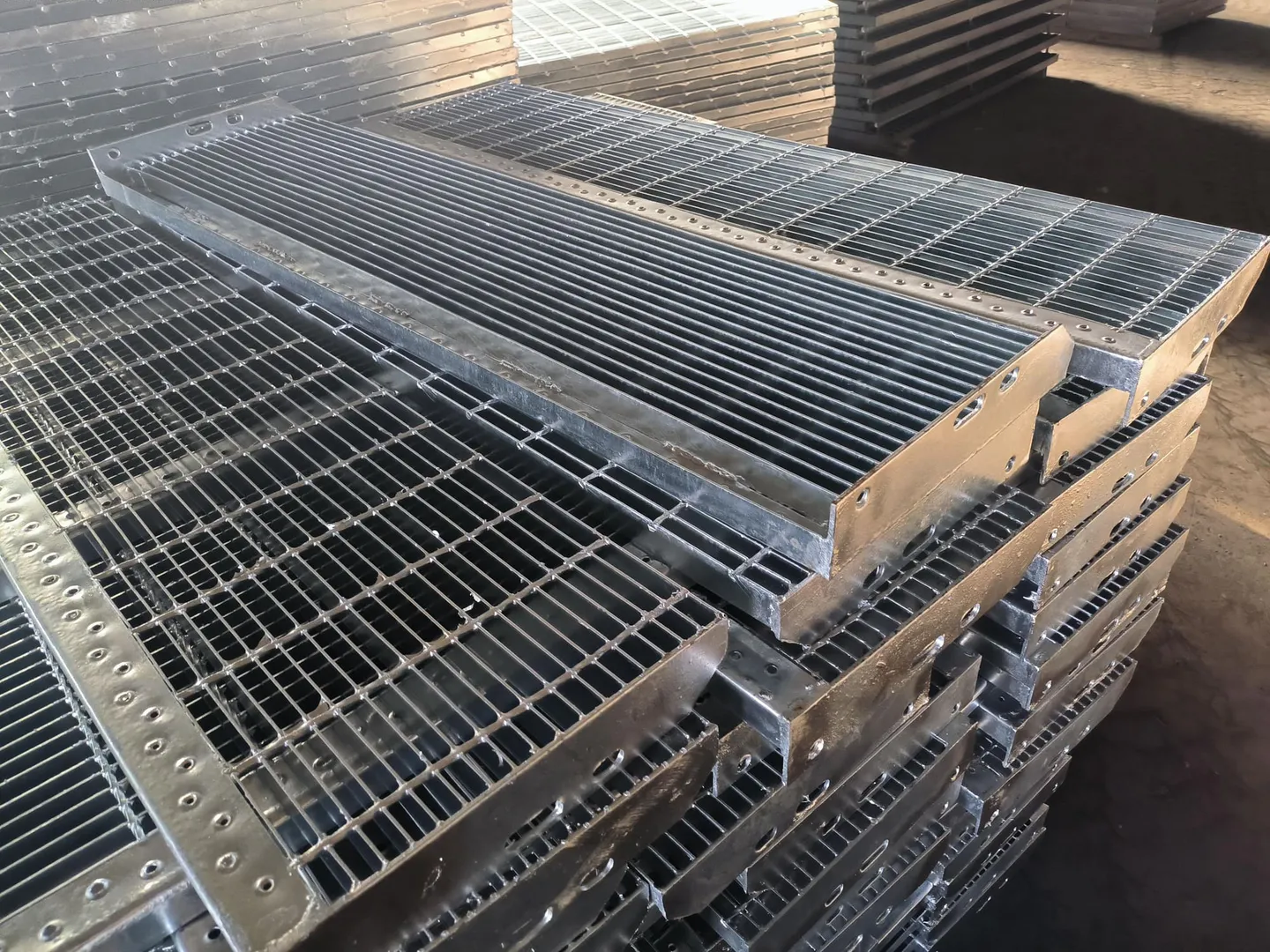
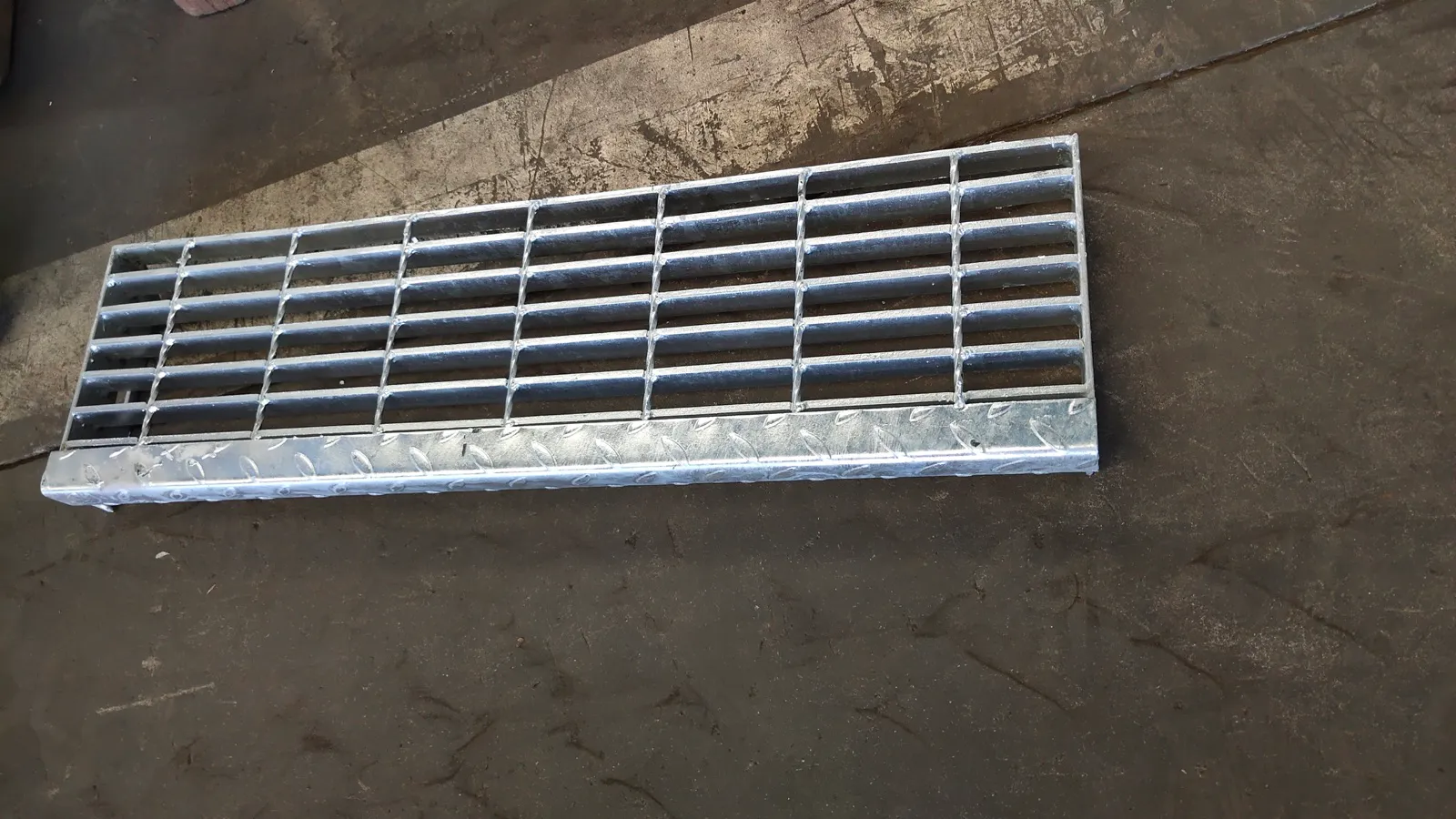
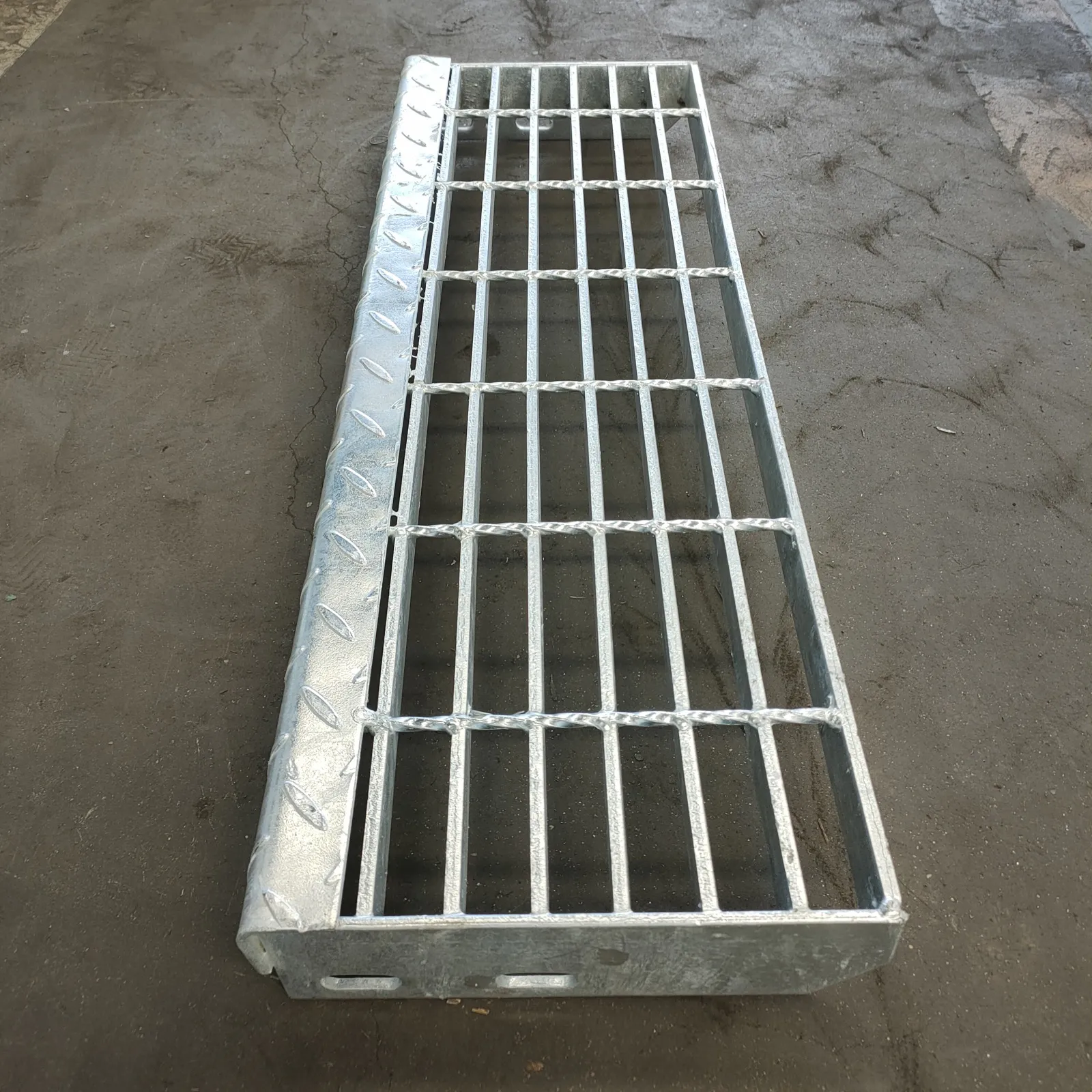
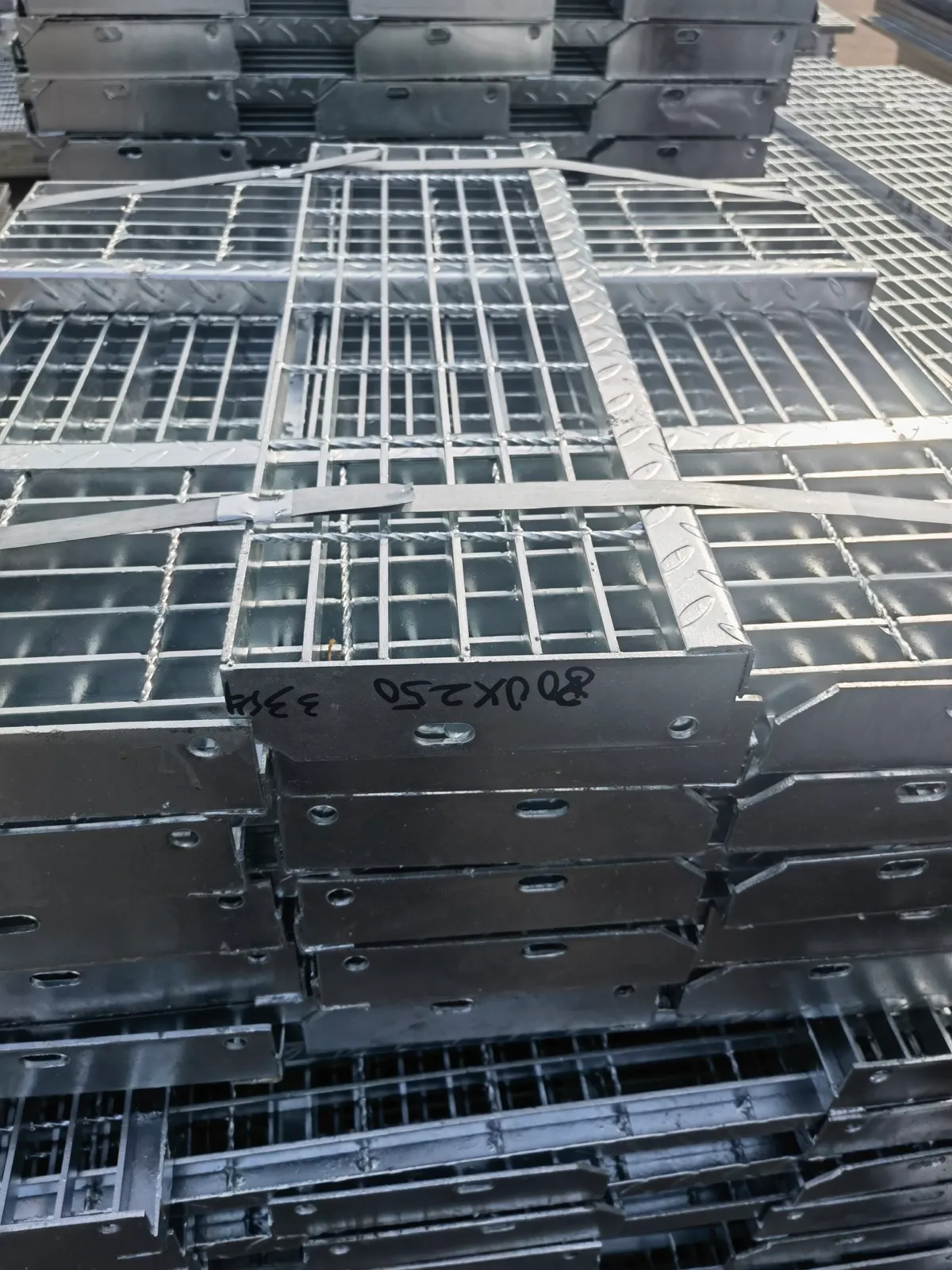
Steel grating stair treads with abrasive nosing and end plates
With nosing & end plates Bolted or welded fixing T1–T4 types Made to stair drawings

What is stair tread grating?

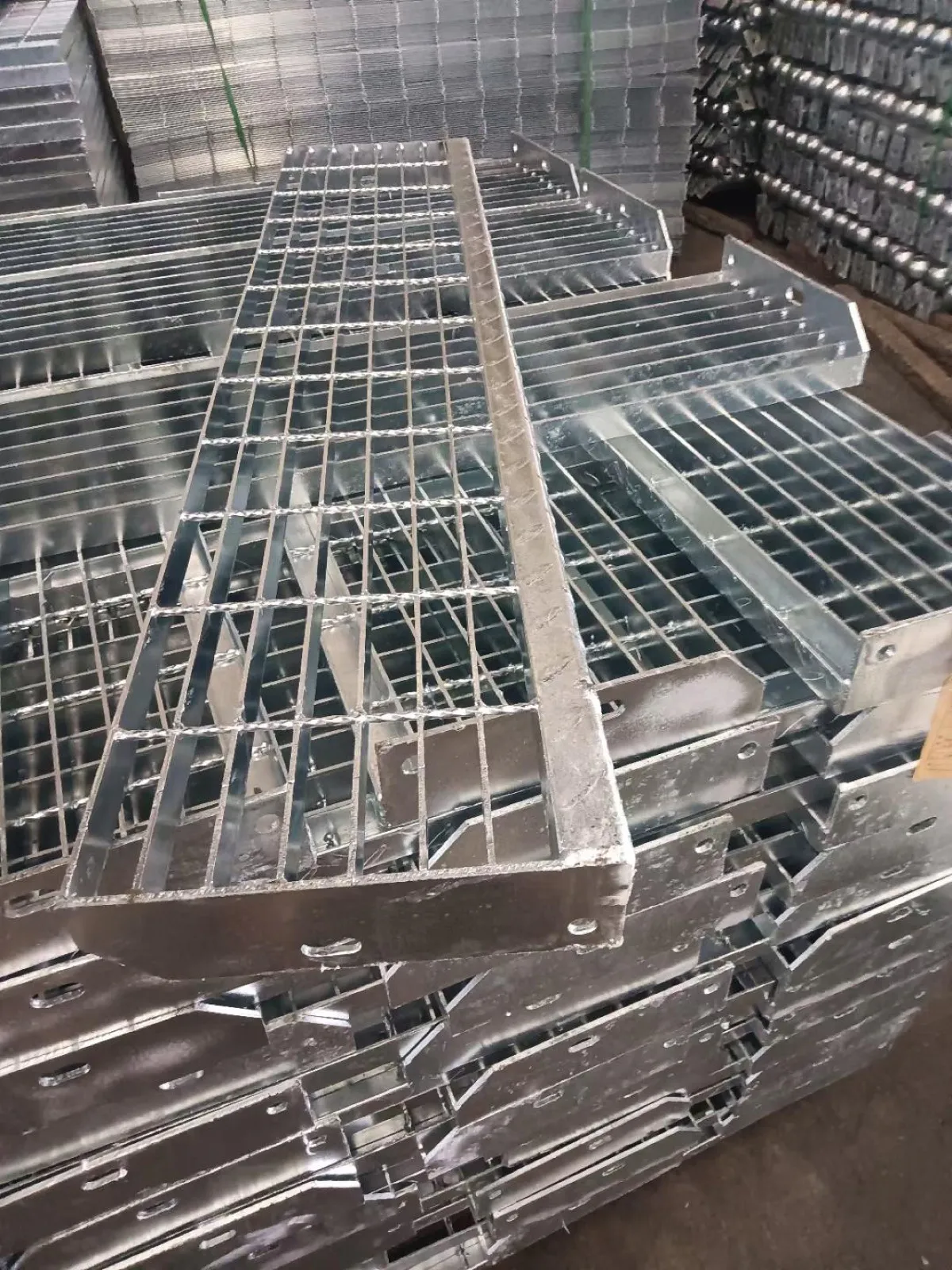
A grating stair tread is a rectangular grating panel fitted with a nosing along the front edge and carrier end plates or angles at both ends. The open grating drains water and sheds debris, while the nosing defines the step edge, improves grip and gives climbers a clear visual cue.

Treads are specified by grating type, tread width and length, nosing type, end-plate fixing and hole pattern. Common industry types T1 to T4 combine welded or bolted fixing with or without a nosing guard — we manufacture these catalog types and fully custom treads detailed from your stair arrangement drawings.

Specifications

Specification Options

Stair tread grating — specification options
Item Options Notes
Grating type Welded, plain or serrated; 30 mm / 19-W-4 spacing commonSerrated recommended outdoors
Bearing bar 25 × 3 mm to 65 × 5 mm typicalSized to tread length and expected load
Nosing Checkered plate / abrasive / serrated bar nosingDefines step edge, adds grip
End plates Carrier plates or angles, standard or custom hole patternRound or slotted holes to your stringers
Types T1 / T2 / T3 / T4 or fully customWelded or bolted, with or without nosing guard
Tread dimensions Width and length made to stair drawingsLength = clear distance between stringers
Finish Hot-dip galvanized / passivated stainless / mill or anodized aluminumGalvanized per ASTM A123 / ISO 1461 or customer standard
Compare bearing bar spacing options →

Variants

Recommended Types

Type T1 — welded fixing, no nosing guard

Tread welded directly to the stringer; the economical choice for permanent industrial stairs where a nosing guard is not required.

Type T2 — bolted fixing, no nosing guard

Carrier end plates with round or slotted holes bolt to stringer brackets, allowing tread removal for maintenance.

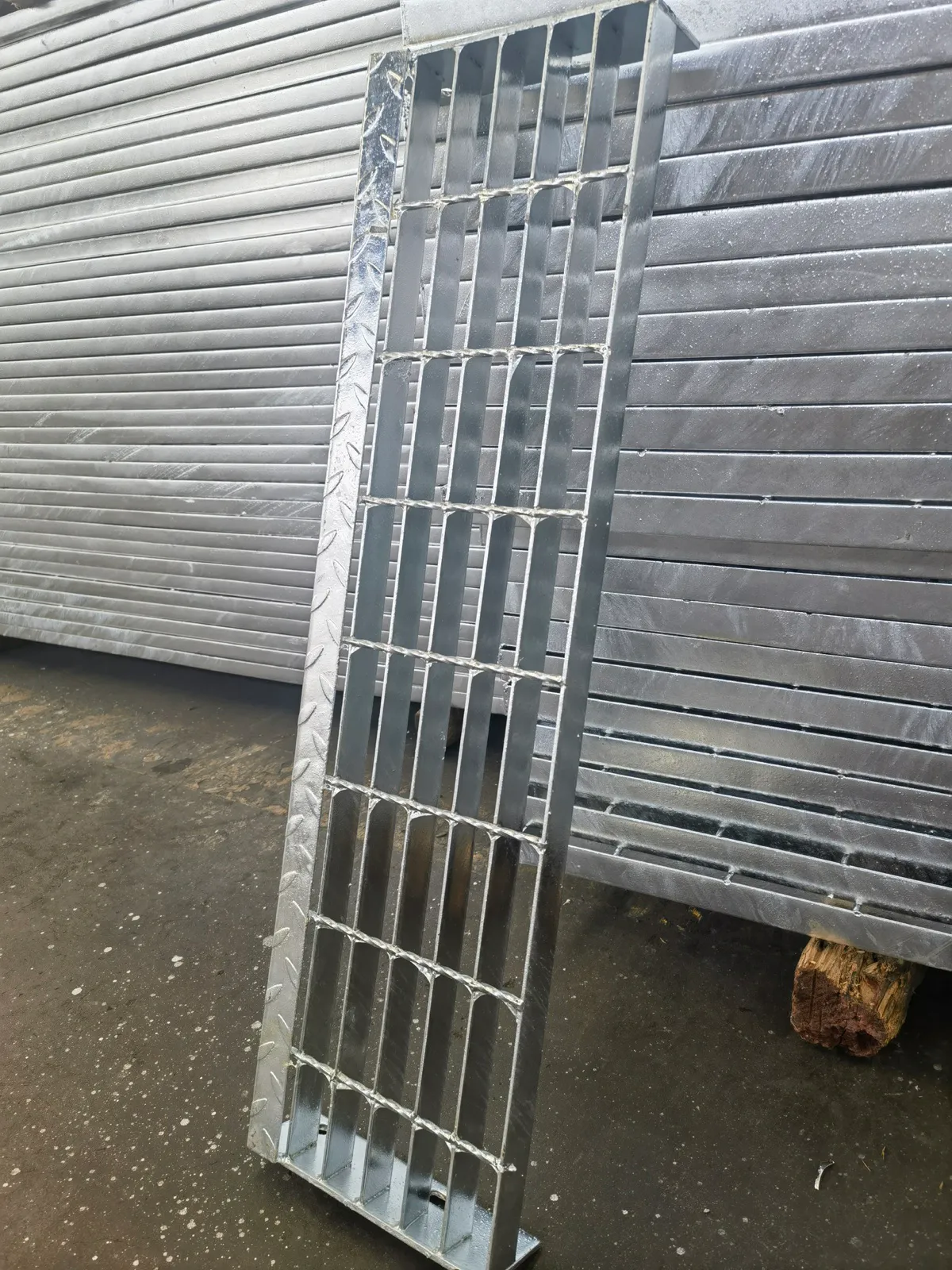
Type T3 — welded fixing, checkered-plate nosing

Permanent fixing plus a nosing guard that defines the step edge and improves grip — the common outdoor standard.

Type T4 — bolted fixing, checkered-plate nosing

Removable treads with nosing guard, used where stairs need both slip protection and maintenance access.

Tread material by stair environment

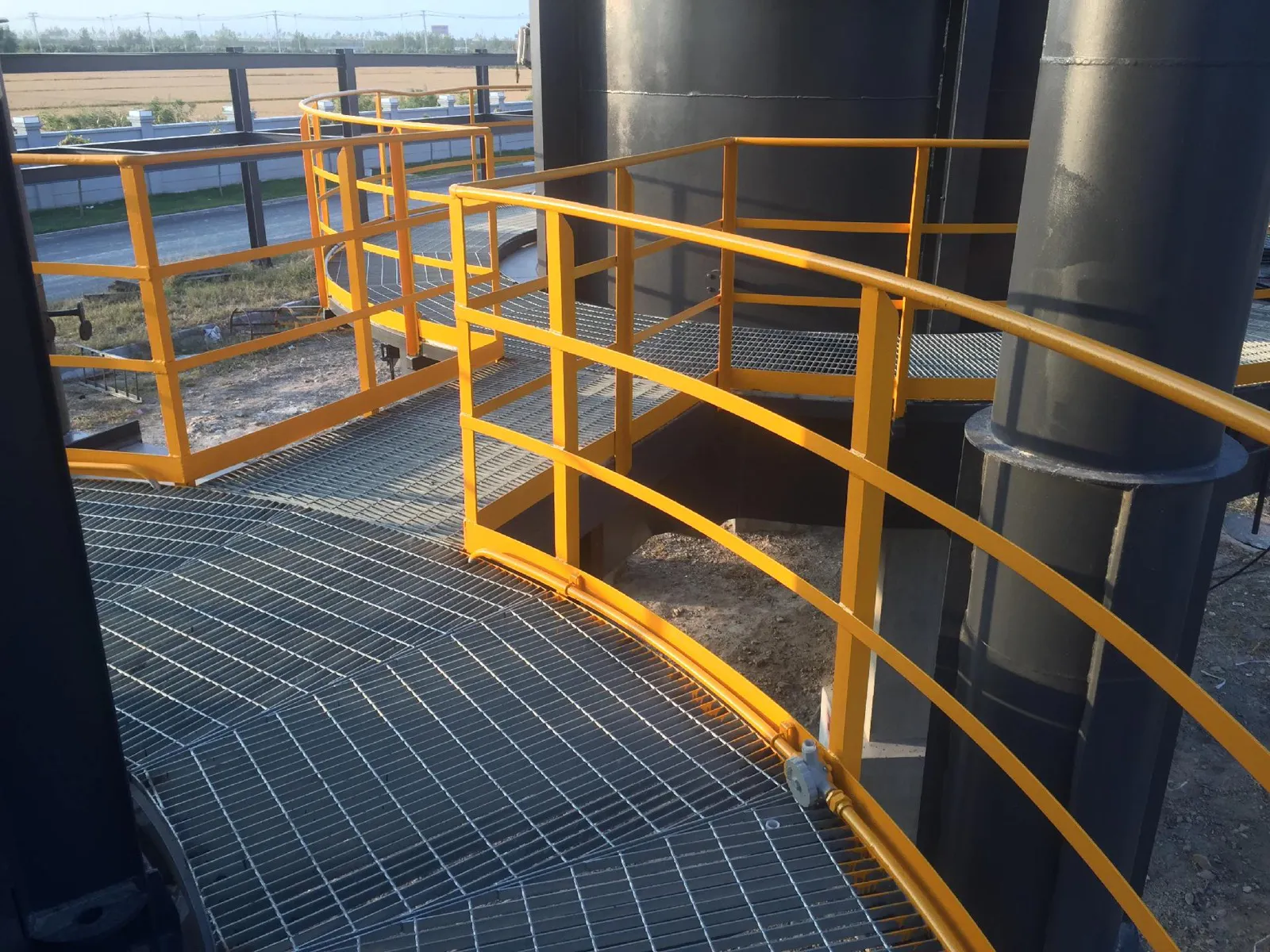
Outdoor plant stairs usually start with carbon-steel grating, a serrated walking surface where rain, oil or ice creates a slip risk, and a nosing that remains visible and secure after finishing. Coating details belong on the Galvanized Steel Grating page; the tread drawing still needs to coordinate the grating, nosing, carrier plates and stringer fixings as one assembly.

Clean-process or frequently washed stairs may call for 304 or 316L stainless steel selected from chlorides, cleaning chemicals and temperature. The nosing and end plates should use a compatible material, and fabrication marks should be removed before the specified passivation or cleaning treatment.

Aluminum can reduce handling and support weight on suitable access stairs, but the bearing profile, span, pedestrian load, nosing and connection to dissimilar-metal stringers must be reviewed together. It is not a default replacement for steel on high-impact or vehicle-access structures.

  • Outdoor industrial stairs: coordinate carbon-steel tread, anti-slip surface, nosing and finish
  • Food, pharmaceutical or wash-down stairs: select the stainless grade and cleanable nosing from the actual chemicals
  • Weight-sensitive access stairs: verify the aluminum profile, span, support and isolation from dissimilar metals

Fabrication & QC

Fabrication & Quality Notes

  • Treads are cut from welded grating, then fitted with nosing and carrier end plates to drawing.
  • Hole patterns are drilled to your stringer dimensions — round or slotted holes allow site tolerance.
  • Each tread is checked for width, length, hole centers, squareness and nosing alignment.
  • Nosing is welded along the full front edge; welds are dressed before galvanizing or passivation.

Packaging

Packaging & Delivery

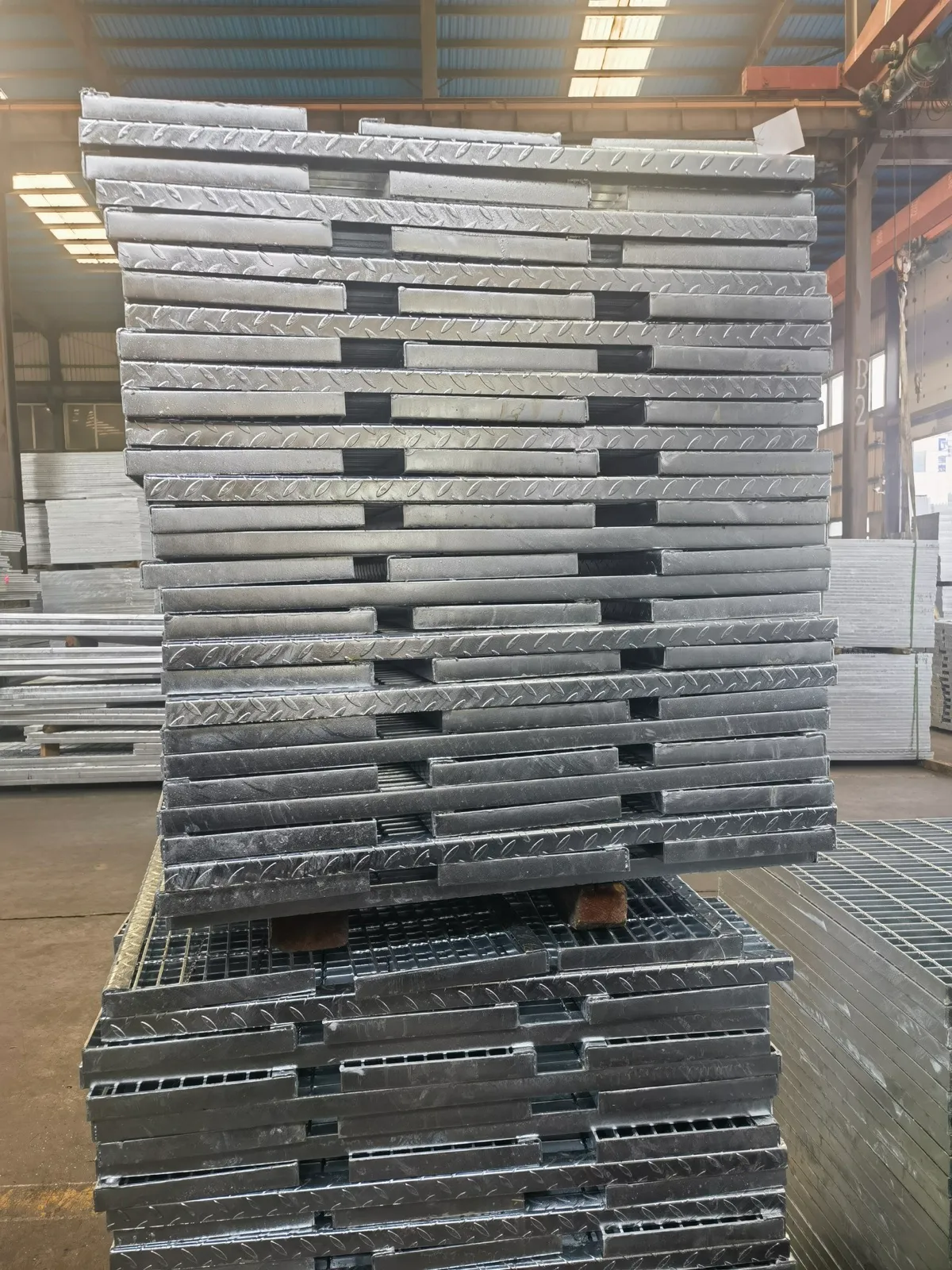
  • Treads nested and strapped in bundles with edge protection on nosings.
  • Bundles labeled by stair flight or area code to match installation sequence.
  • Galvanized treads packed with ventilation spacing to reduce wet-storage staining.

Gallery

Stair Tread Grating in Detail

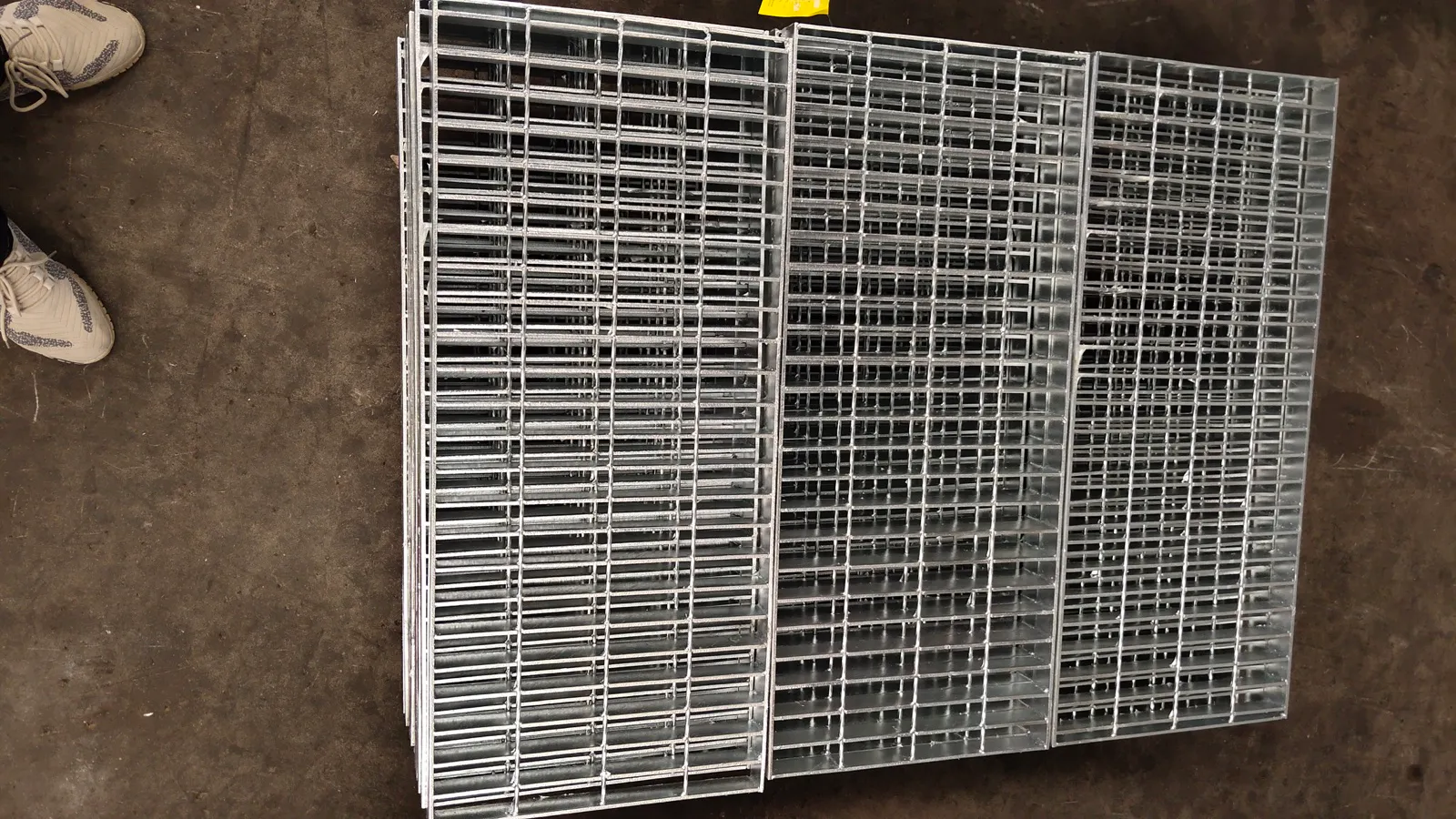
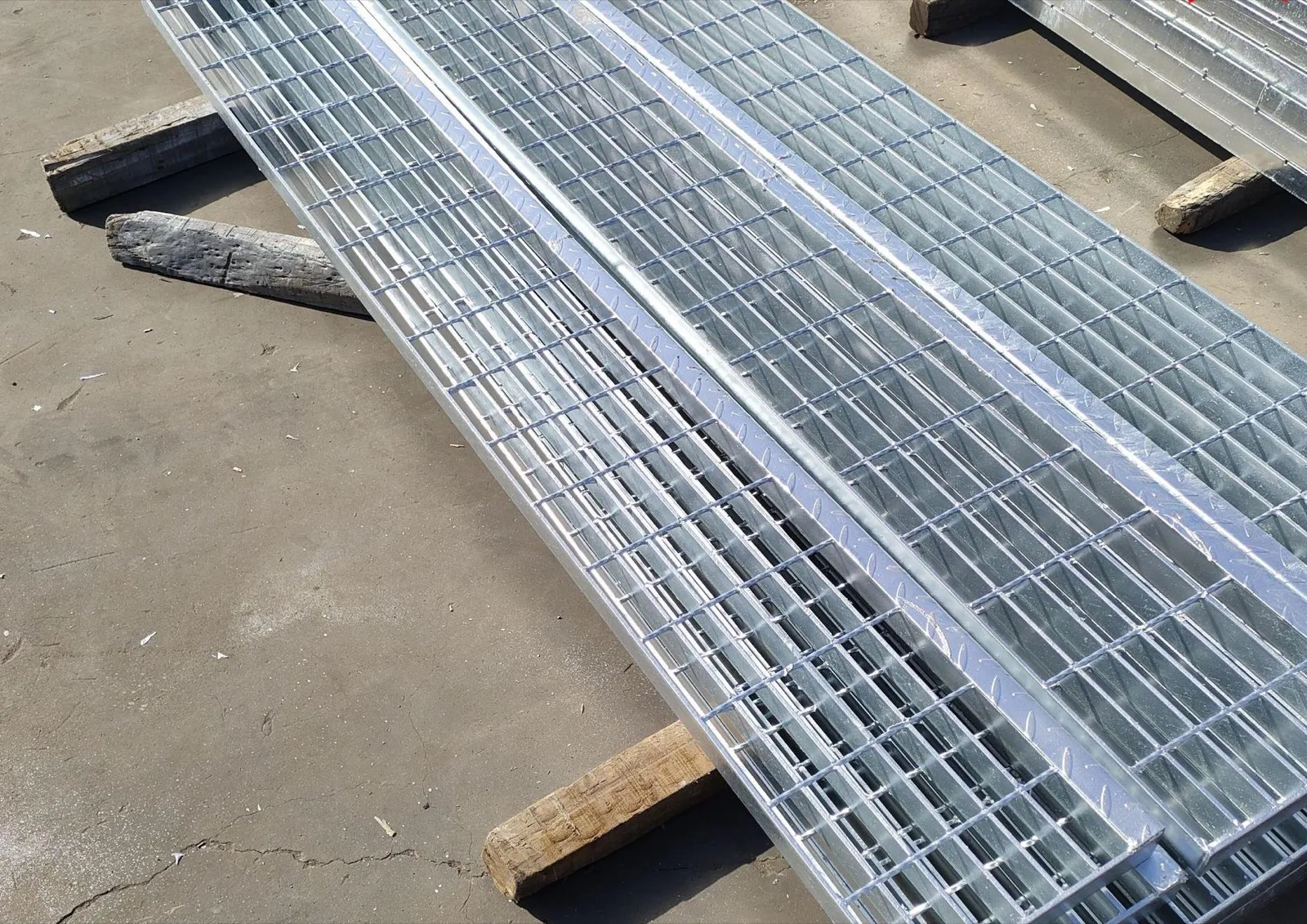
Serrated steel grating stair treads with nosing and end platesWelding nosing and end plates onto a grating stair treadStacked galvanized stair treads ready for packing

FAQ

Stair Tread Grating FAQs

What information is needed to order stair treads?
Tread width and length, grating specification or load requirement, nosing type, end-plate hole pattern (or stringer details), quantity and finish. Stair drawings are ideal.
Which nosing should I choose?
Abrasive or serrated nosings give the best grip outdoors; checkered plate nosing is the economical standard. We can advise based on environment and traffic.
Can treads be bolted instead of welded?
Yes. Bolted end plates with slotted holes allow removal for maintenance — provide your stringer spacing and hole preferences.
What do T1–T4 stair tread types mean?
Catalog shorthand combining fixing and nosing: T1 welded without nosing guard, T2 bolted without nosing guard, T3 welded with checkered-plate nosing, T4 bolted with checkered-plate nosing. We also manufacture fully to your own tread drawings.
Is there a standard tread width or length?
Treads are made to your stair design; common widths run about 200–300 mm and lengths follow the clear distance between stringers. Send the stair drawing or stringer dimensions and we will detail the full set.
Can you match treads to existing stringers?
Yes. Measure the length between stringers and the hole centers on the existing end plates, or send photos with dimensions — we will match the carrier plates and hole pattern.
What are the MOQ and lead time for stair treads?
Treads are produced to order — small batches for a single stair flight are acceptable. Typical lead time is 15–25 days including galvanizing; sample treads of standard types take 3–7 days.

Send Your Drawings, Get a Confirmed Specification

Complete inquiries are typically answered within 24 hours during business hours.