
Support at Every Project Stage
Packaging & Shipping
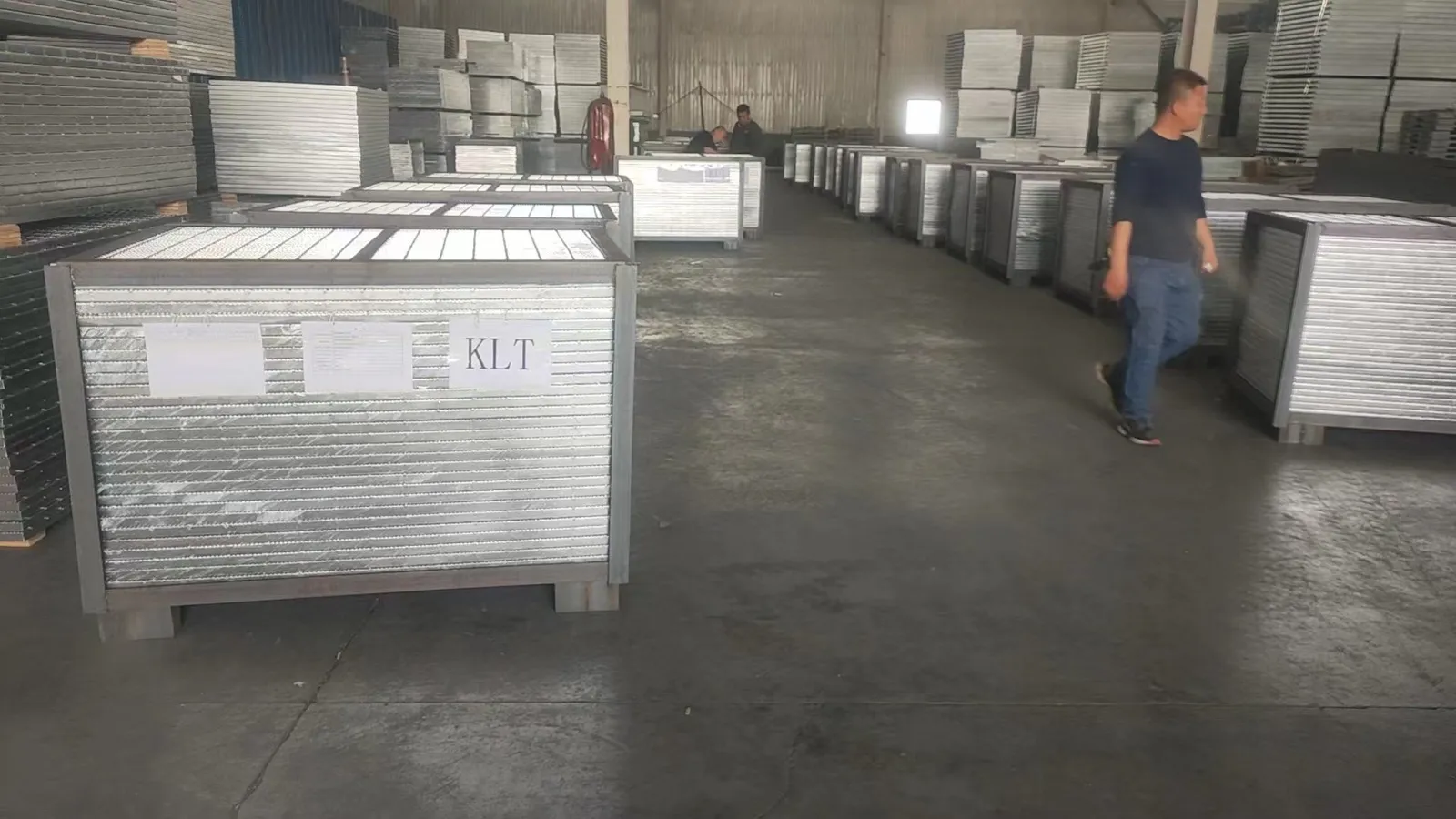
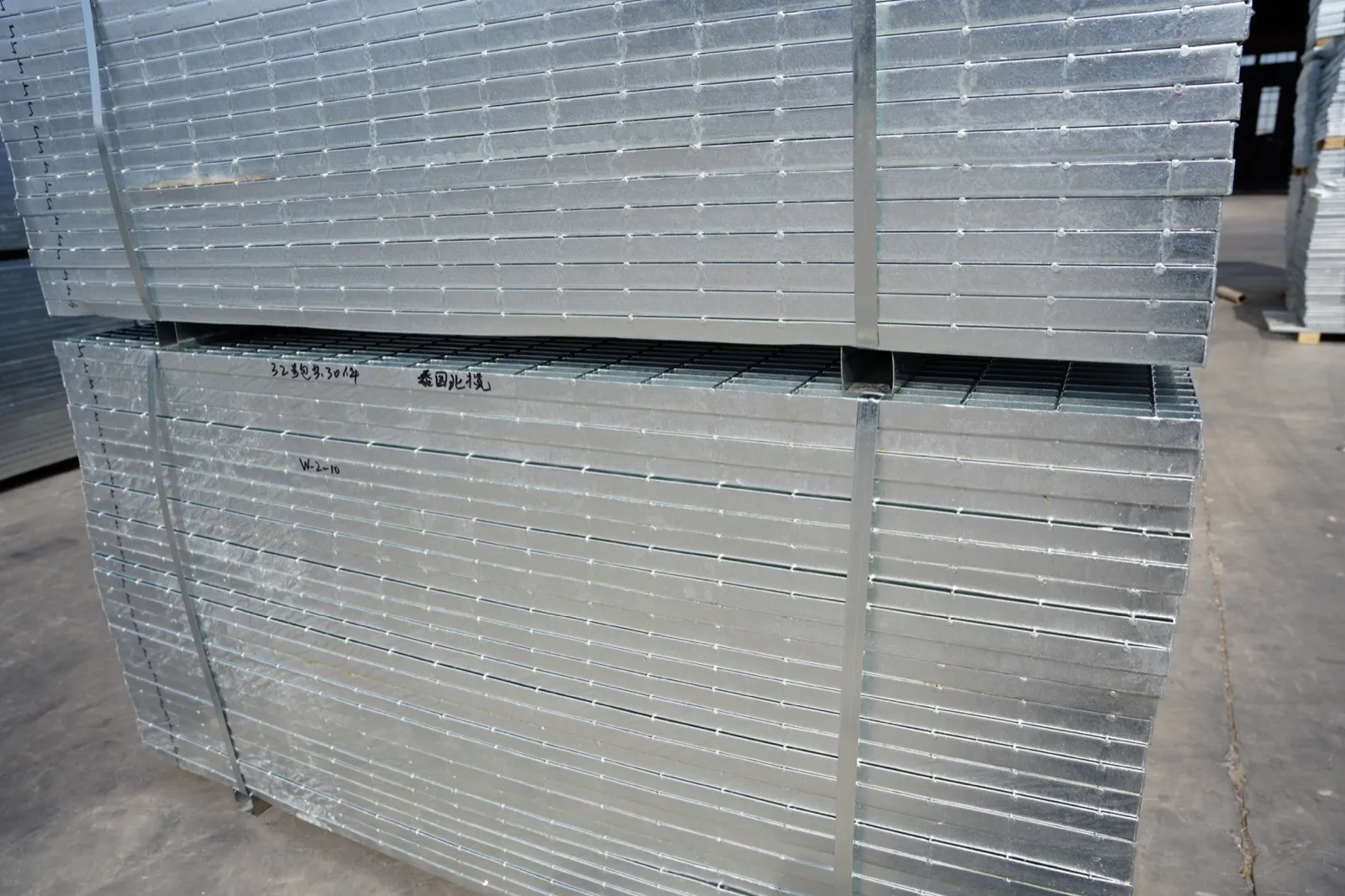
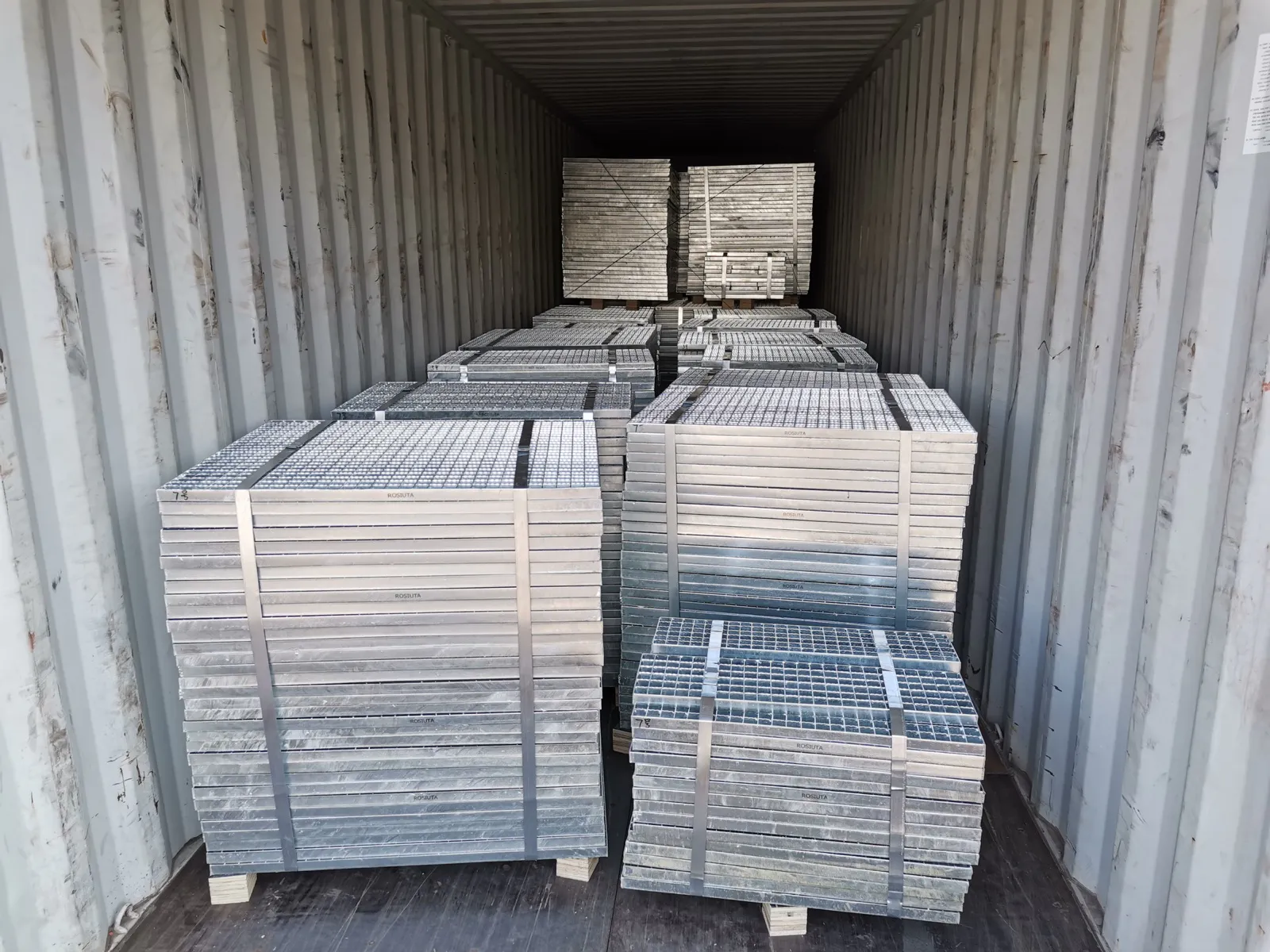
Grating travels badly unless packing is engineered for it. Heavy panels with hard edges and finished surfaces demand packing that prevents deformation, scratching, moisture damage and mis-sorting — strapped bundles, pallets or steel-frame crates, with every project panel tagged to your layout numbering.
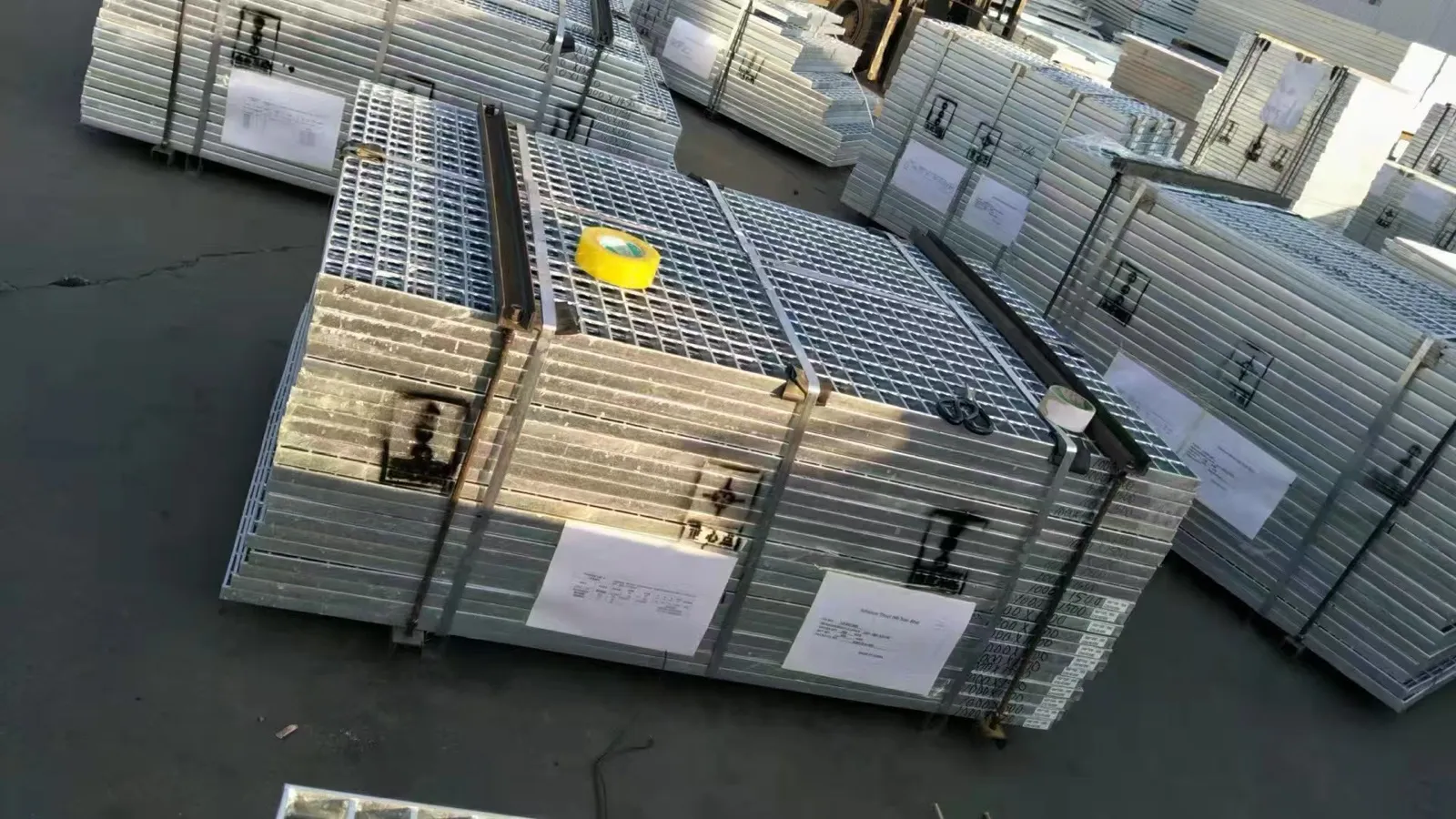
Packing methods
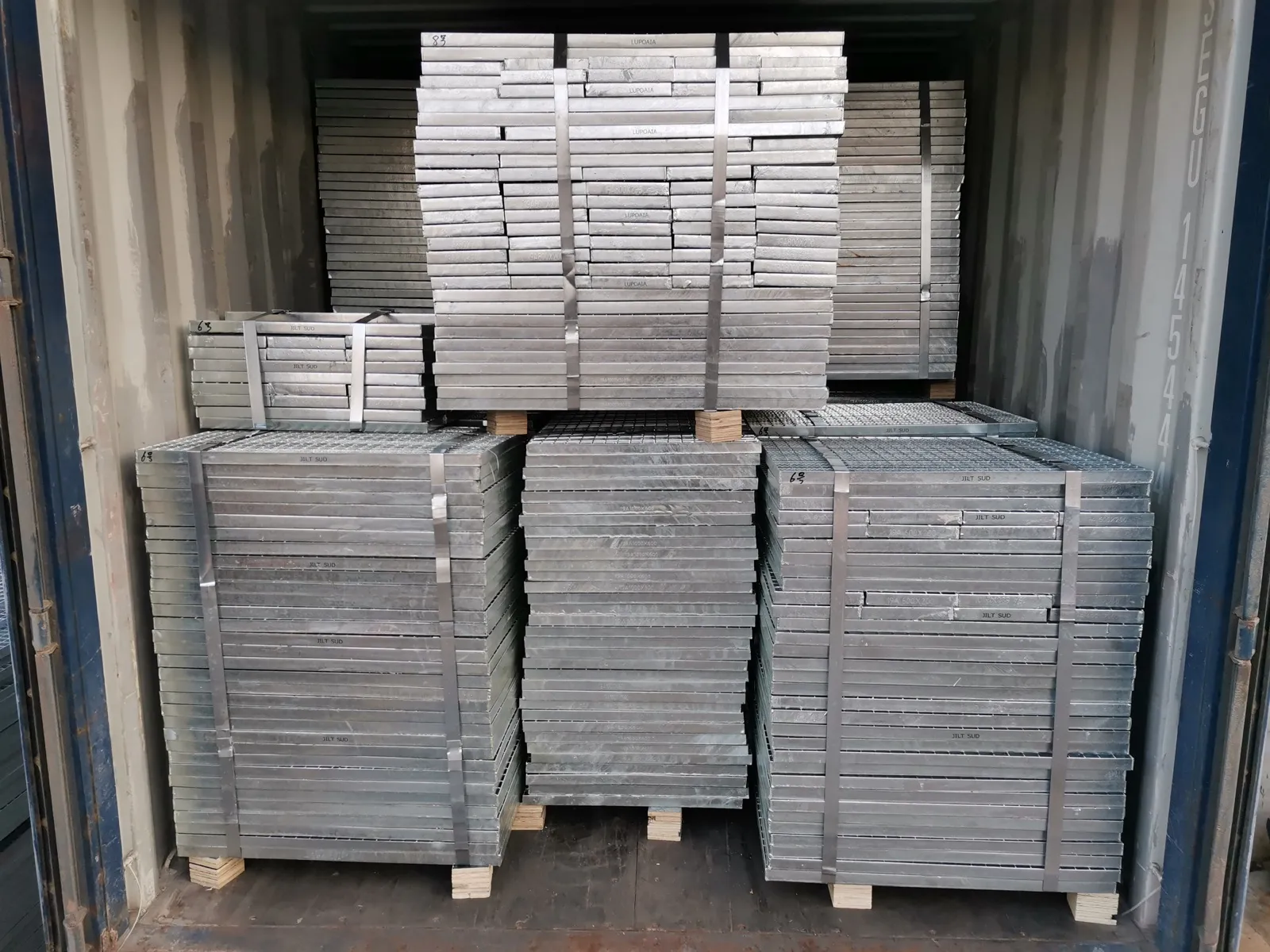
- Steel strapping on timbers — the economical standard for regular panels
- Pallets for forklift-handled bundles
- Steel frames or crates for stainless, irregular or high-value panels
- Reinforced strapping for heavy-duty panels to prevent transit deformation
- Surface protection for stainless and aluminum, packed separately from carbon steel
- Ventilated bundling for galvanized panels to limit wet-storage staining (white rust)
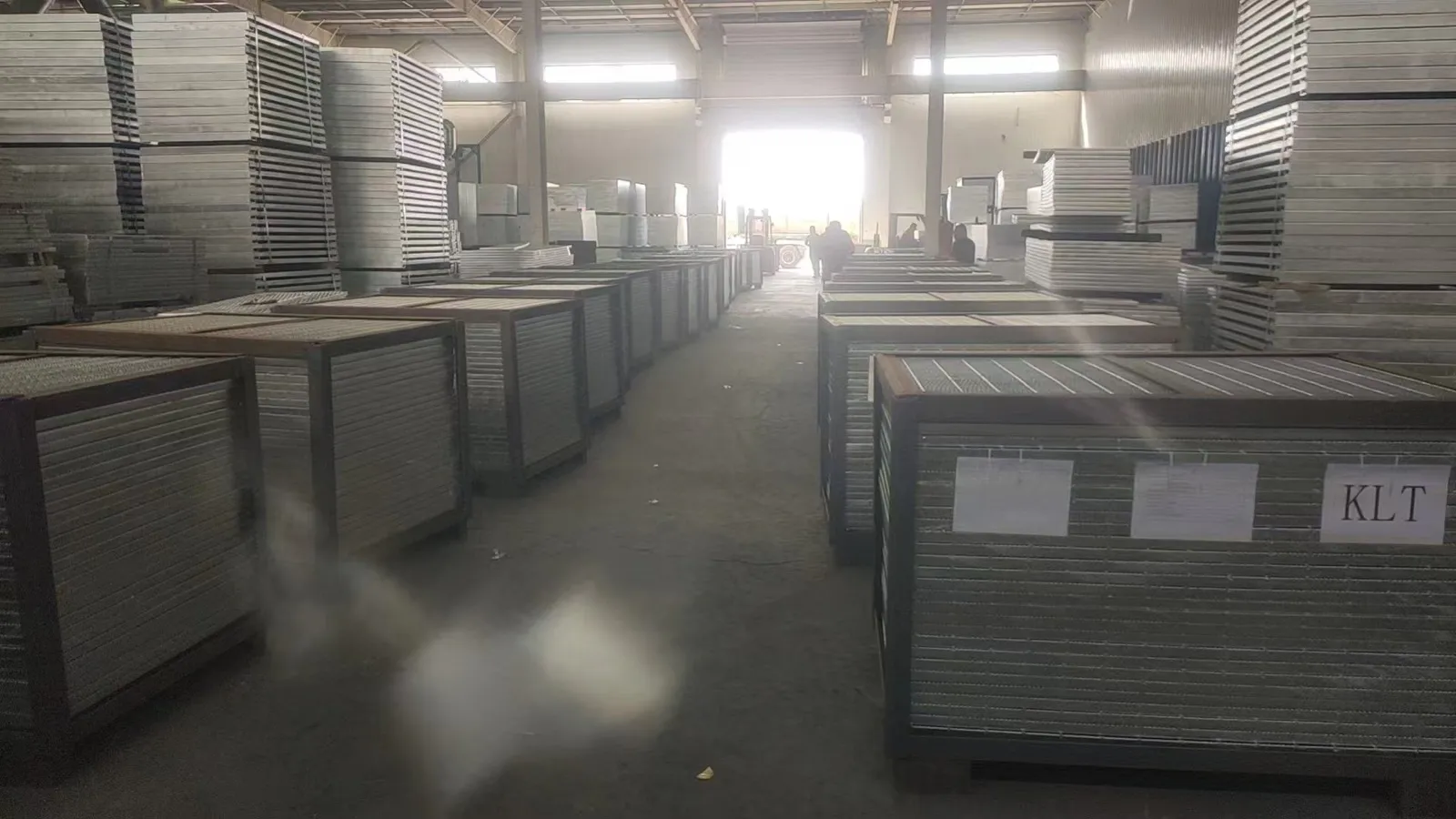
Project marking and documentation
When project marking is included in the order, panels can carry tags keyed to the drawing numbering — for example Area-A-01 — and bundles can follow the installation sequence for site sorting.
For project orders requiring documented dispatch, the agreed package can include a packing list with quantities, panel numbers, gross and net weights and volumes, plus container loading photos.
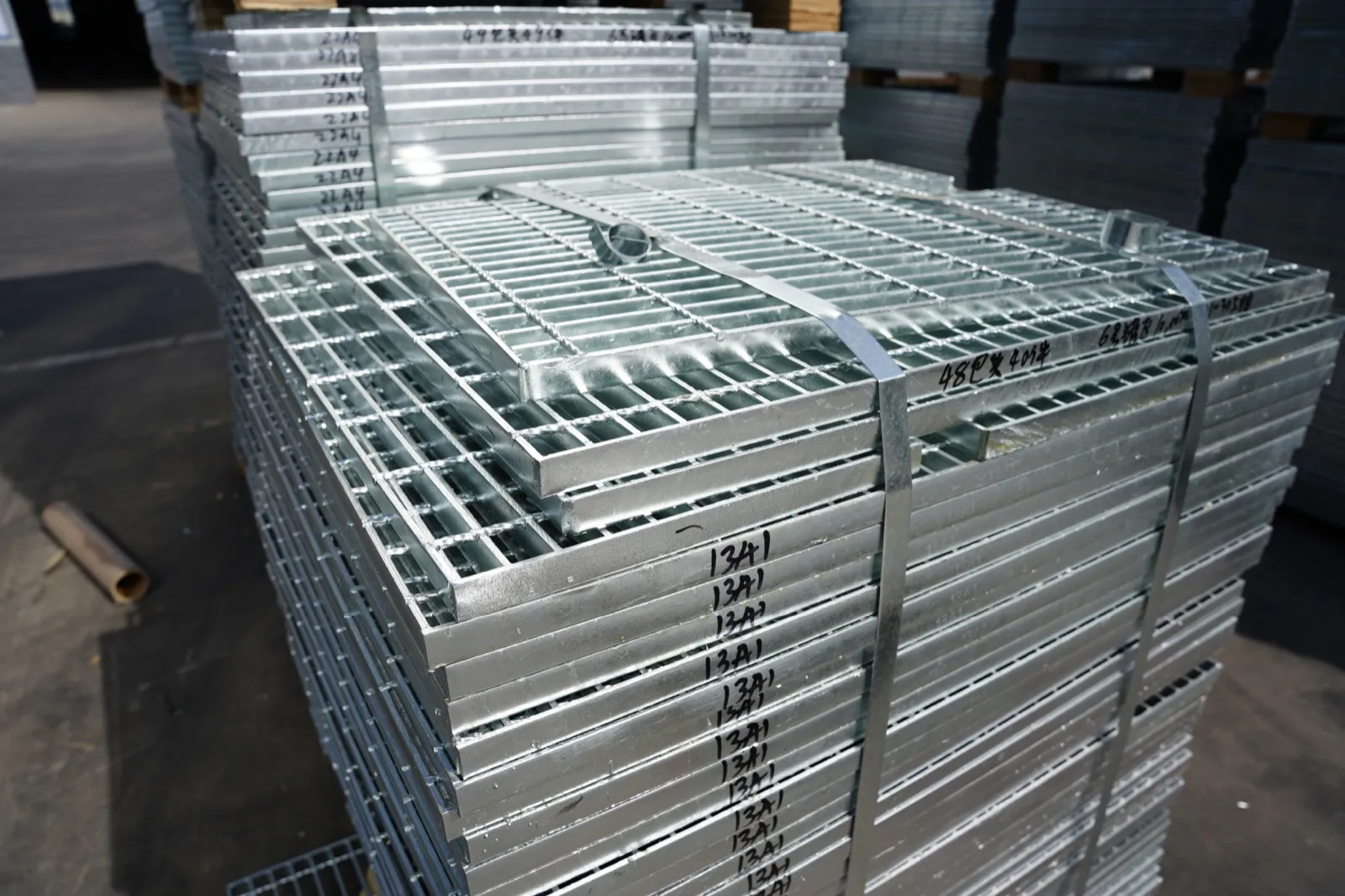
Container planning per shipment
There is no universal panels-per-container figure. 20GP or 40HQ utilization is calculated per shipment from panel dimensions, weights, packing method and destination port limits, and the loading plan is confirmed before dispatch. Shipments are arranged through major Chinese ports on FOB or CIF terms as agreed at quotation.
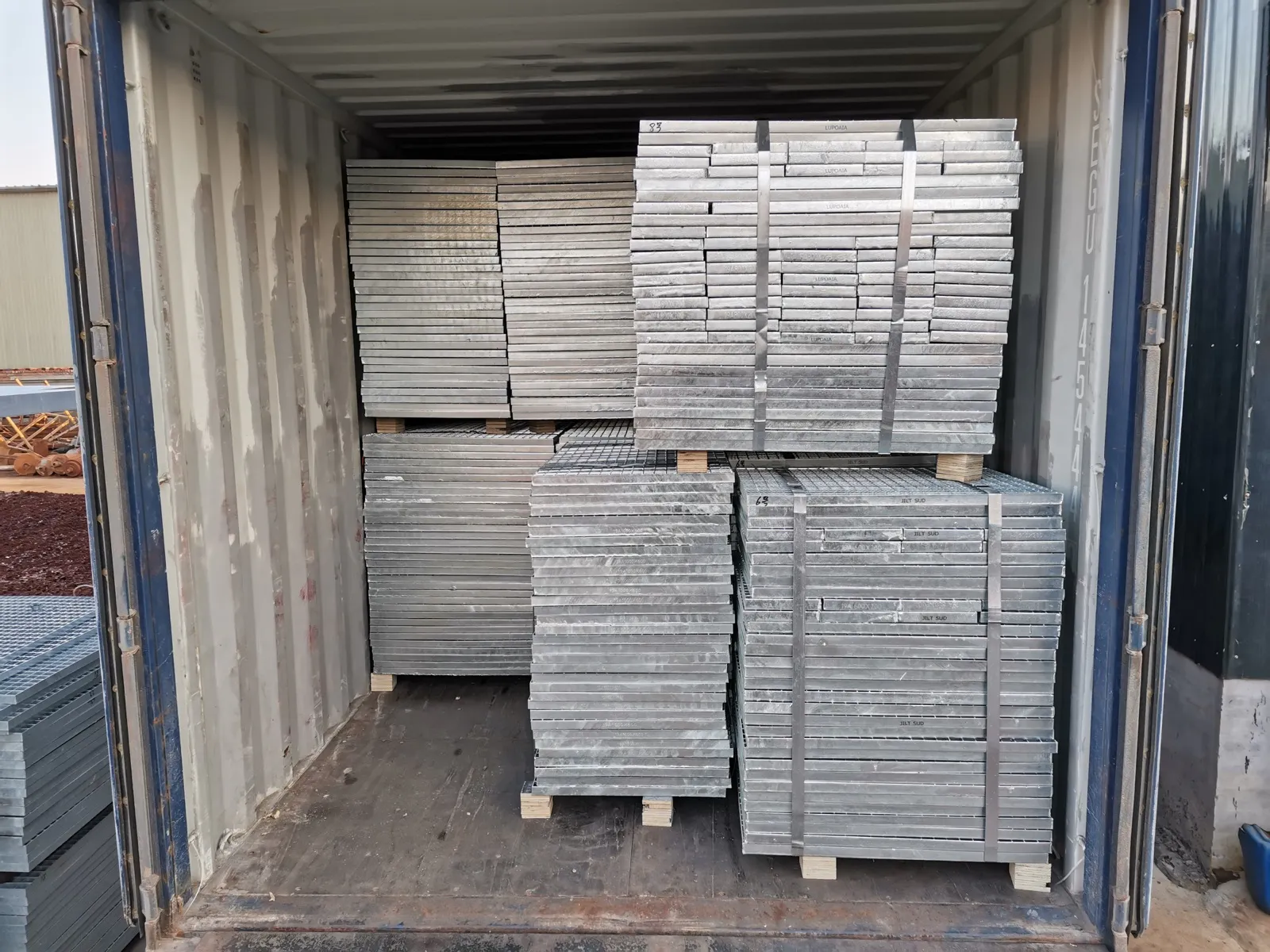
Protecting the finish in transit
Galvanized panels are bundled to ventilate and shed water; standing water and trapped condensation cause white rust, so dry, ventilated storage matters just as much on site. Stainless and aluminum panels travel with surface protection, separated from carbon steel to avoid scratches, contamination and dissimilar-metal marks.
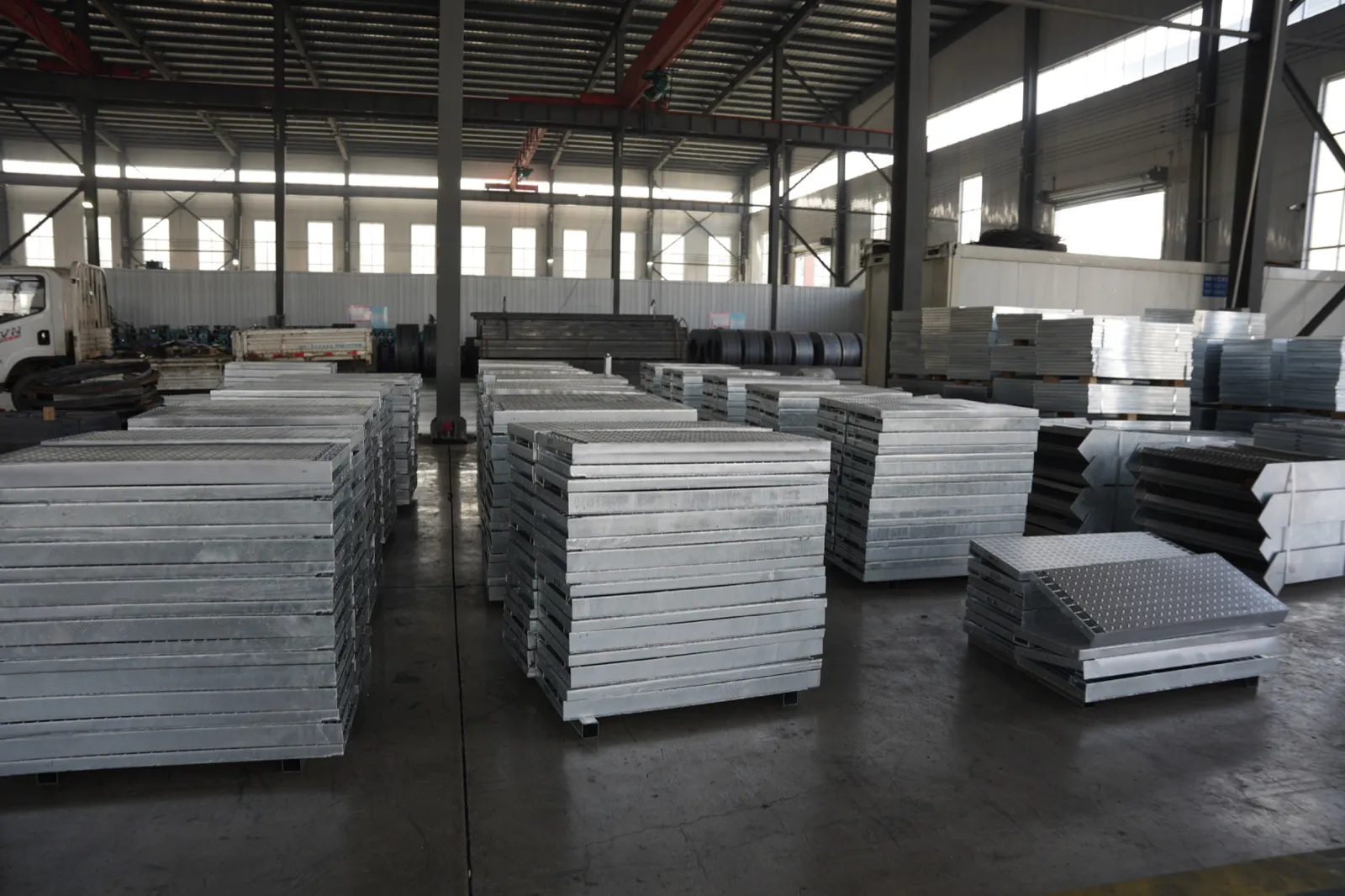
Packing & Loading Views
Export Packing and Container Loading
Process
How It Works
-
Packing plan
Method set per panel type, finish, route and site handling.
-
Tagging
Panels marked to layout numbering and installation sequence.
-
Bundling & crating
Strapped, palletized or steel-frame crated as planned.
-
Documentation
Packing list with panel numbers, gross and net weights, volumes.
-
Loading & photos
Container loaded to plan; loading photos can be provided when agreed.
Checklist
What to Prepare
- Panel numbering system from your layout drawings
- Packing preference: strapped bundles, pallets or steel-frame crates
- Destination port and any route or site weight limits
- Site handling method: forklift or crane
- Expected site storage conditions and duration
- Special labeling, documentation or photo requirements
FAQ
Packaging & Shipping FAQs
Which ports and terms do you ship on?
Can you pack to our project marking system?
How are stainless or aluminum panels protected?
How many panels fit in a 20GP or 40HQ container?
How is white rust prevented on galvanized goods?
Send Your Drawings, Get a Confirmed Specification
We aim to reply within one business day during published business hours.