
Matched to Real Operating Conditions
Tank Farm Walkway Grating
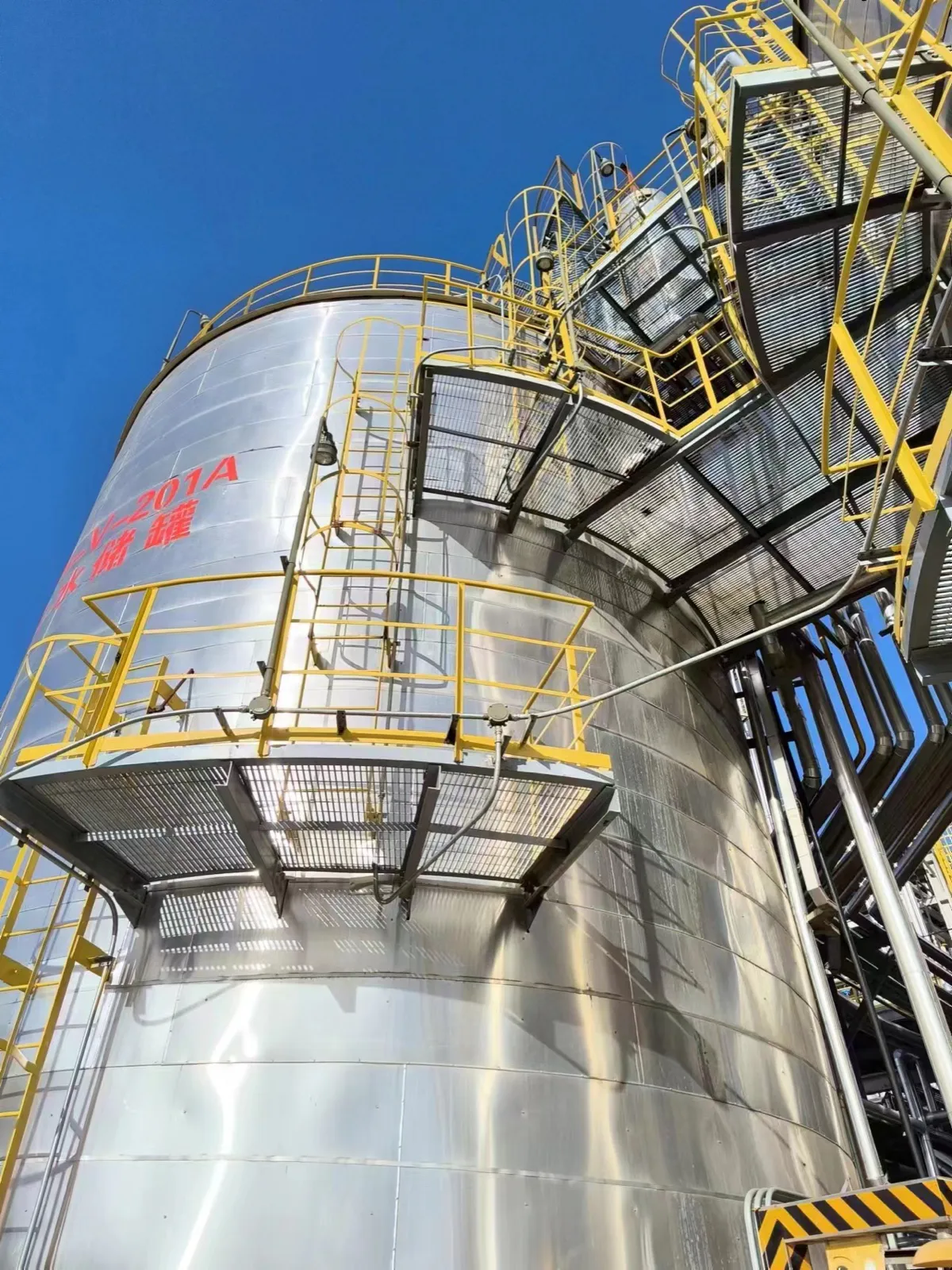
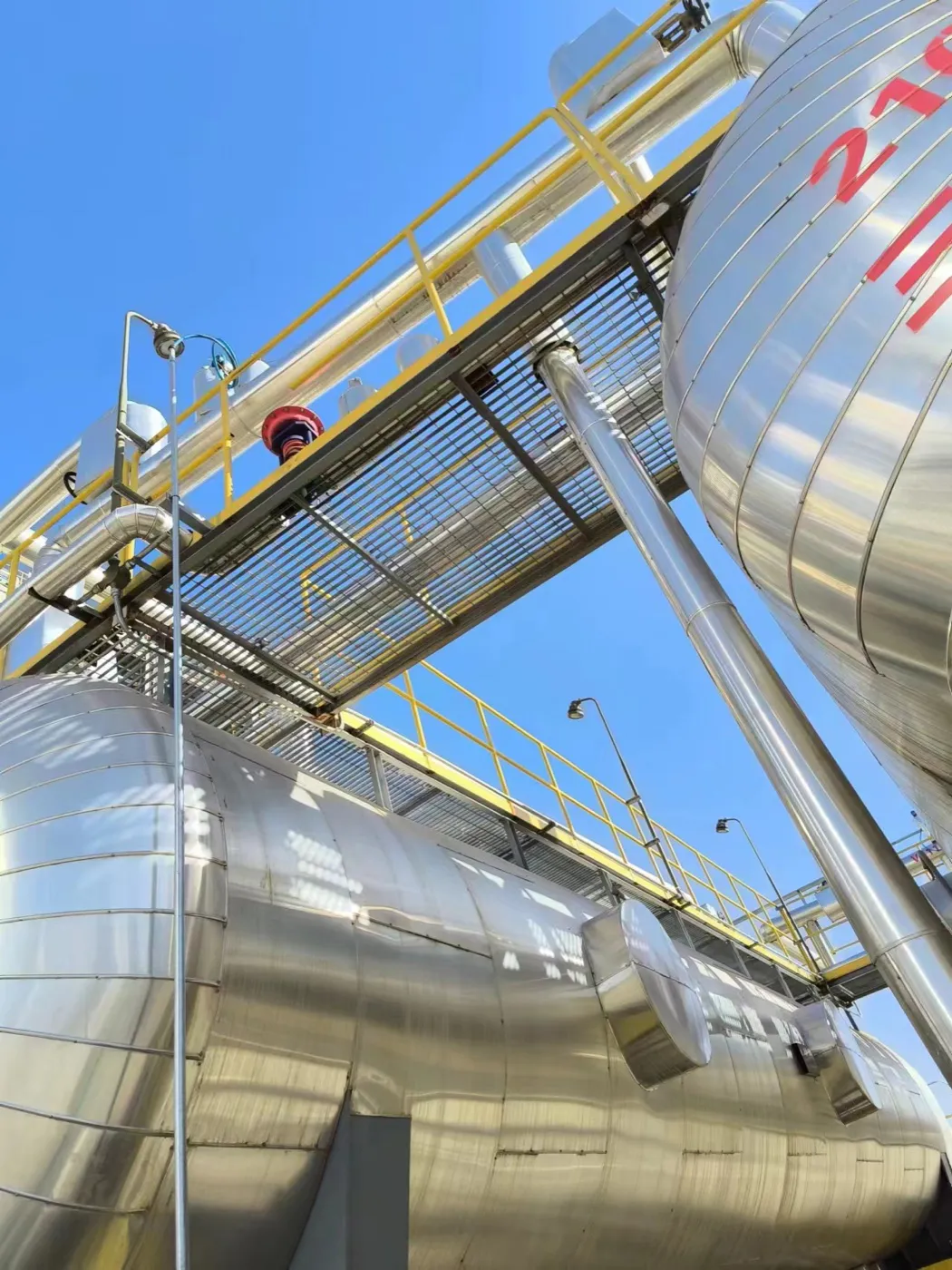
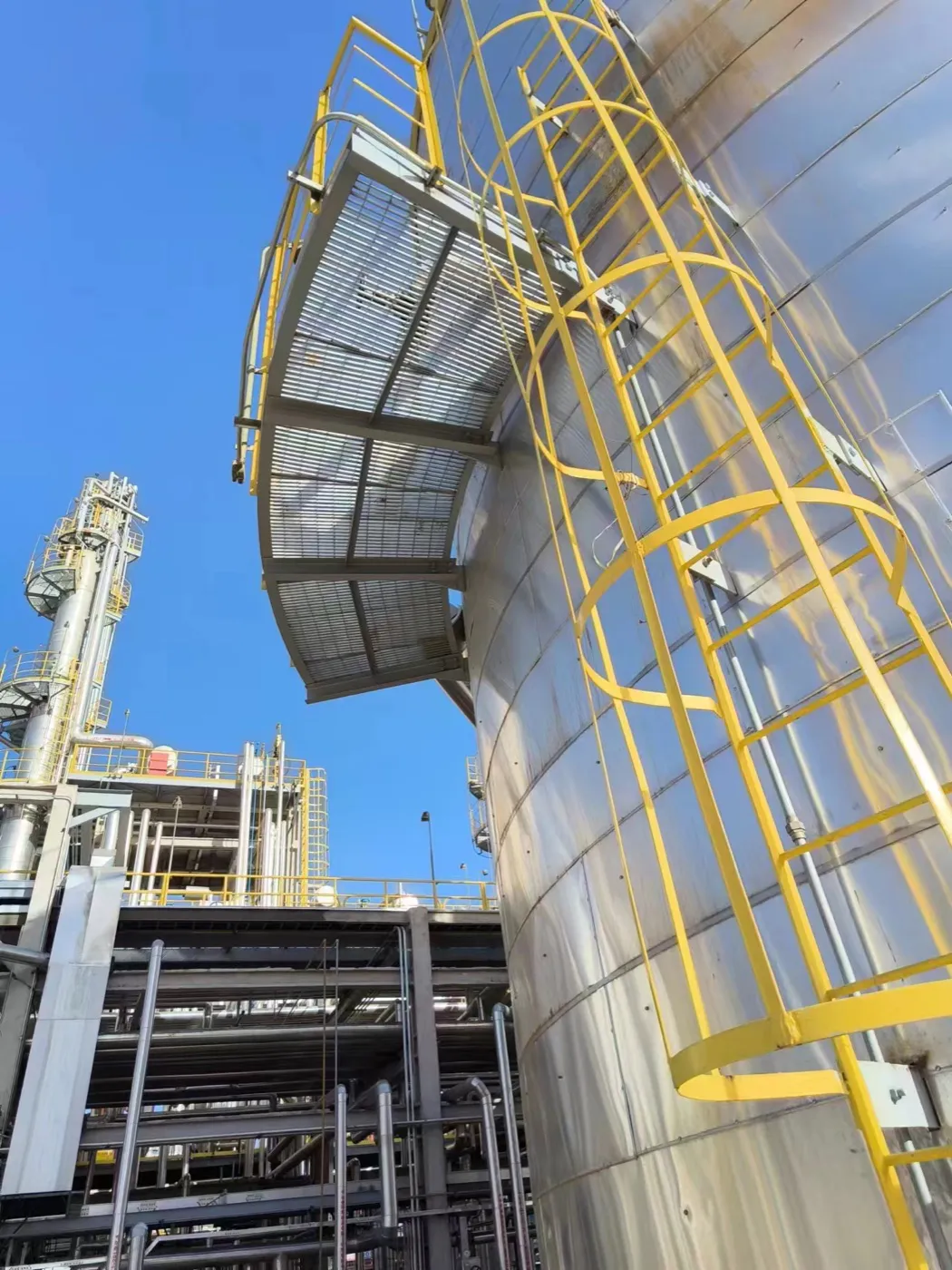
Tank farms turn a walkway into a geometry and corrosion problem at the same time. Curved tank walls create fan-shaped and notched panels; vapour, condensate, H₂S and outdoor weather define the material route; inspection work requires panels that can be removed and returned to the correct position.
Gallery
Application Gallery
The Challenge
What This Application Demands
Circular tanks create changing widths, arcs and repeated nozzle cut-outs
Vapour, condensate and H₂S exposure can vary between tank top and ground level
Inspection points require removable panels without losing layout control
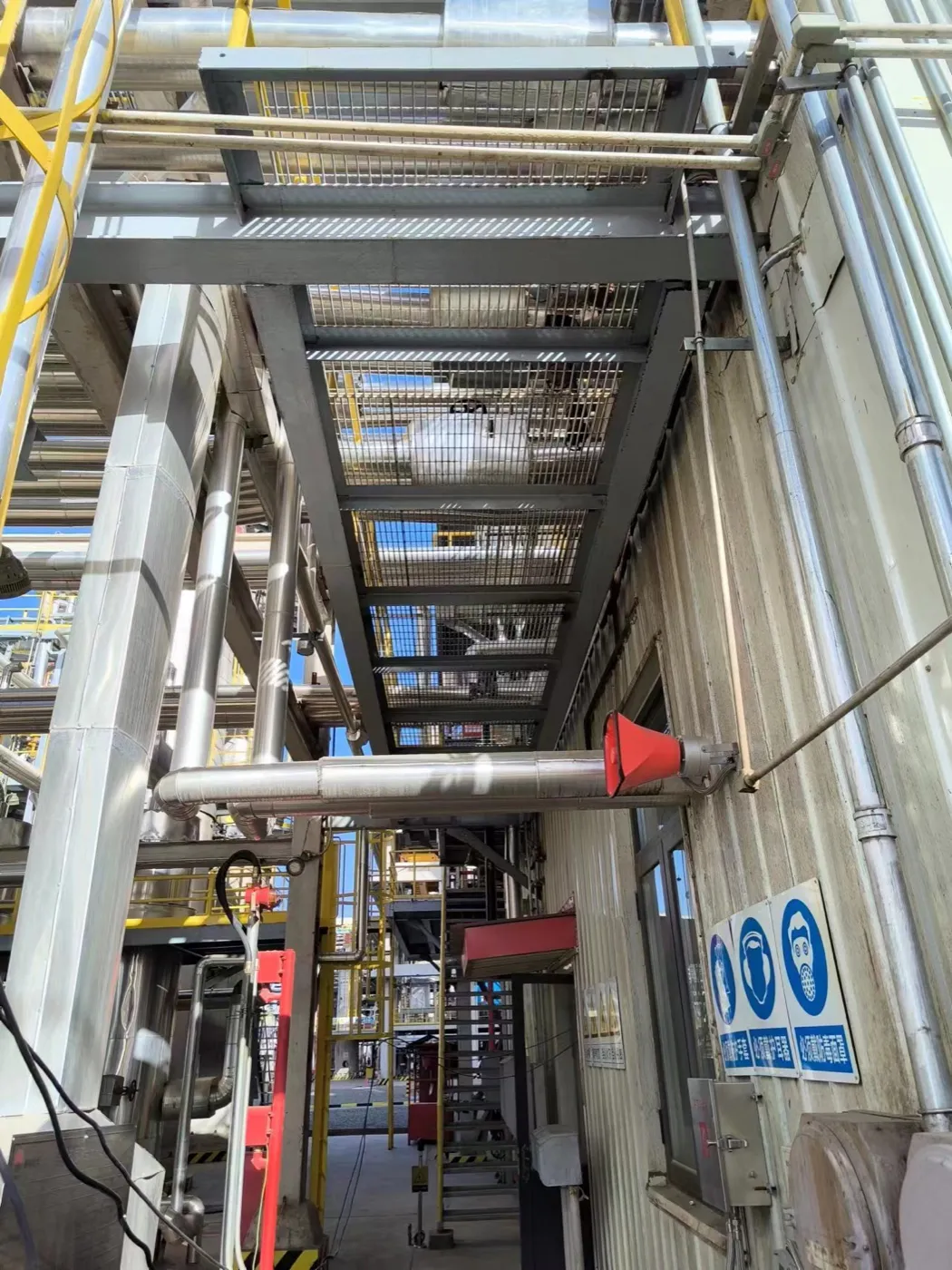
Long perimeter routes stay wet and exposed to wind, rain or site contamination
Requirements
Specification Requirements
Confirm these points before ordering — they define the grating.
Tank geometry
- Provide tank diameter, walkway radii, support rings and access openings
- Mark nozzles, ladders, pipe bridges and handrail post locations
- Allow panel splits that can be fabricated, coated and lifted safely
Exposure zones
- Separate roof, shell, inter-tank bridge and ground-level conditions
- State H₂S, chlorides, stored-media vapour, condensate and washdown
- Identify areas where liquid can remain trapped
Inspection access
- Mark every removable panel and lifting point
- Use durable panel numbers tied to the approved layout
- Confirm fixing that permits access without uncontrolled loose panels
Gratings
Recommended Grating Series
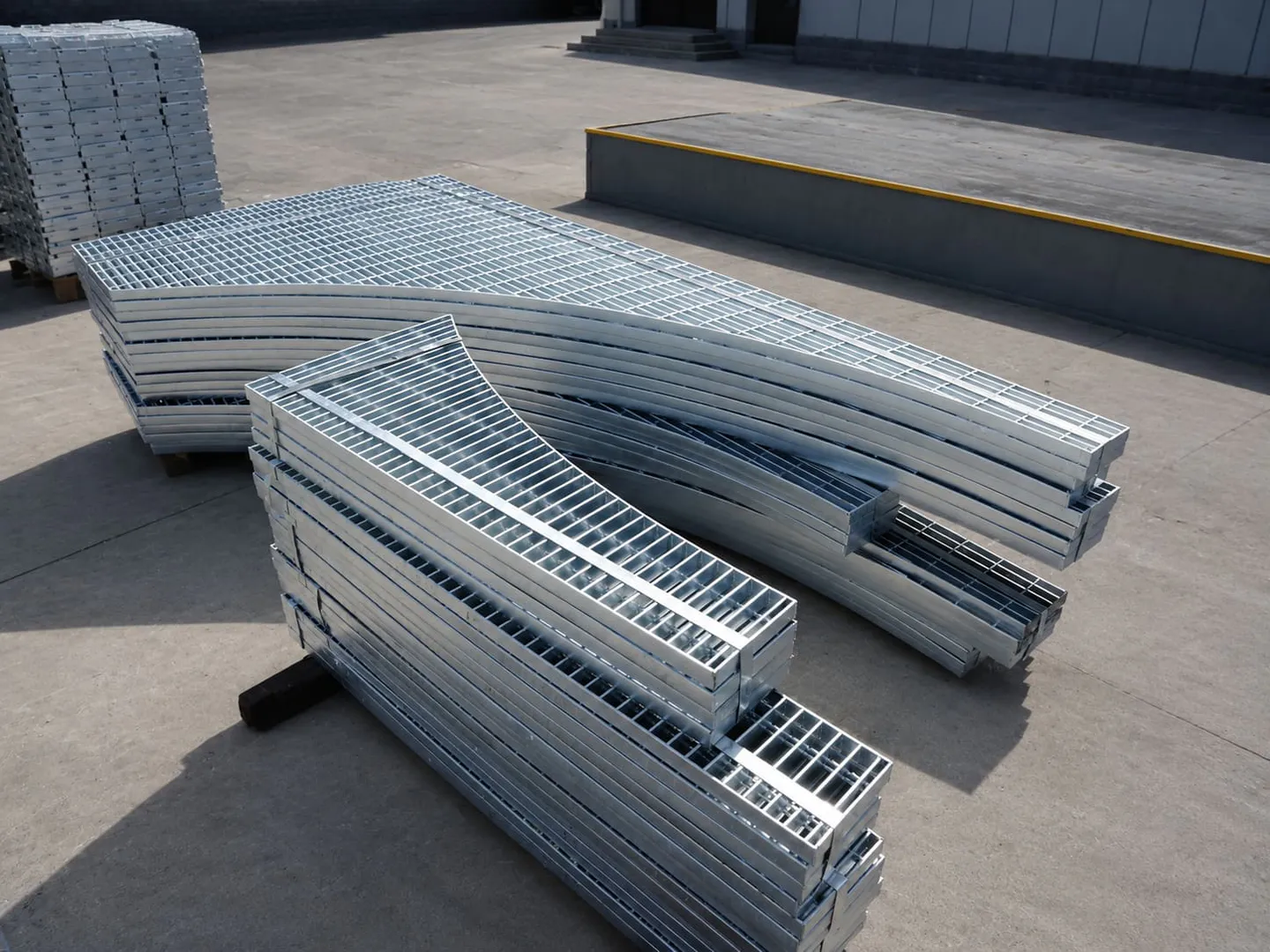
Custom Irregular Grating
Drawing-based non-rectangular panels with notches, cut-outs, curved edges and project panel numbering.
View product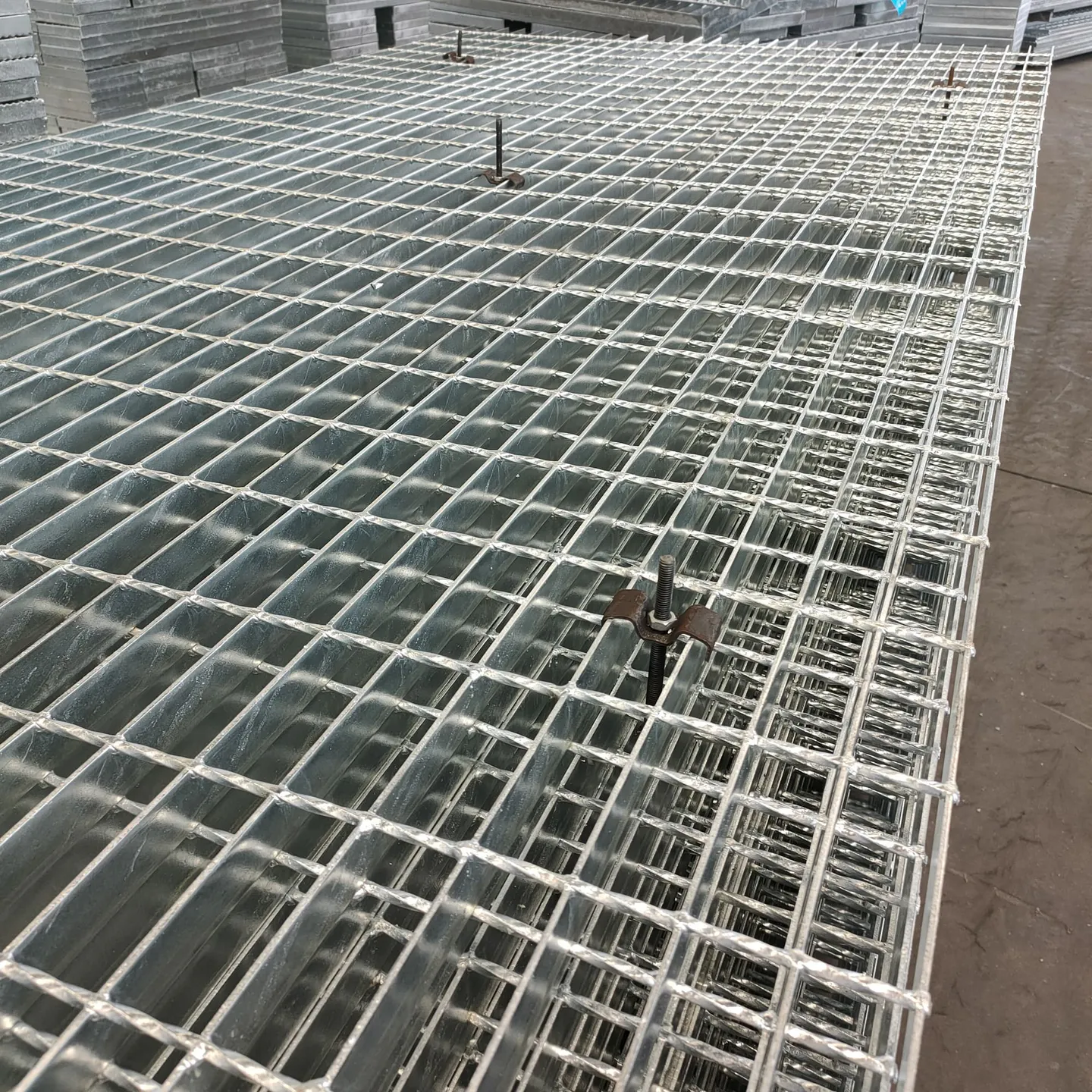
Galvanized Steel Grating
Hot-dip galvanized after fabrication for long-term corrosion protection on outdoor platforms, walkways and trench covers.
View product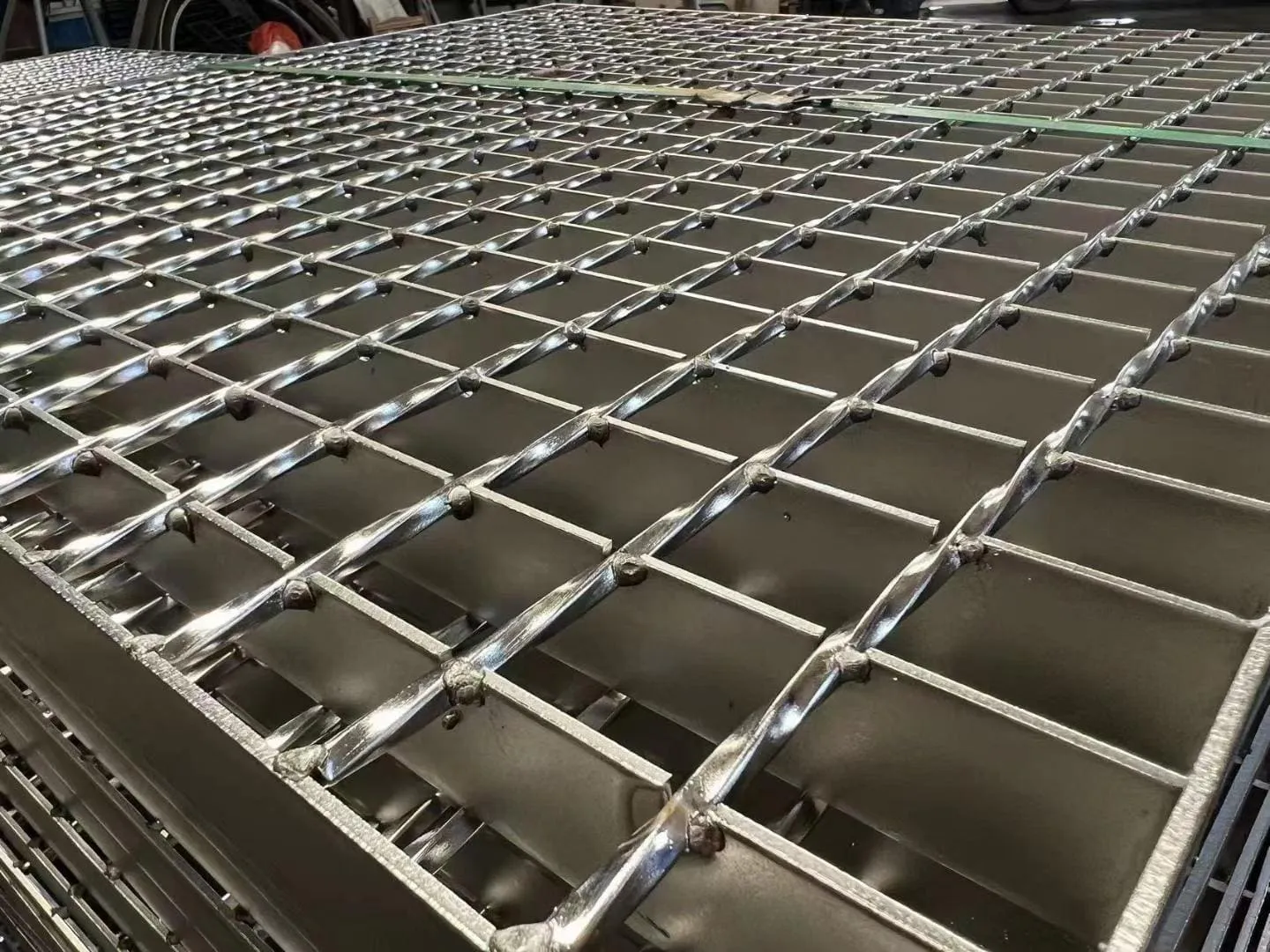
Stainless Steel Grating
SS304/316L grating for chemical, food-grade, coastal and hygienic environments — passivated or electro-polished.
View product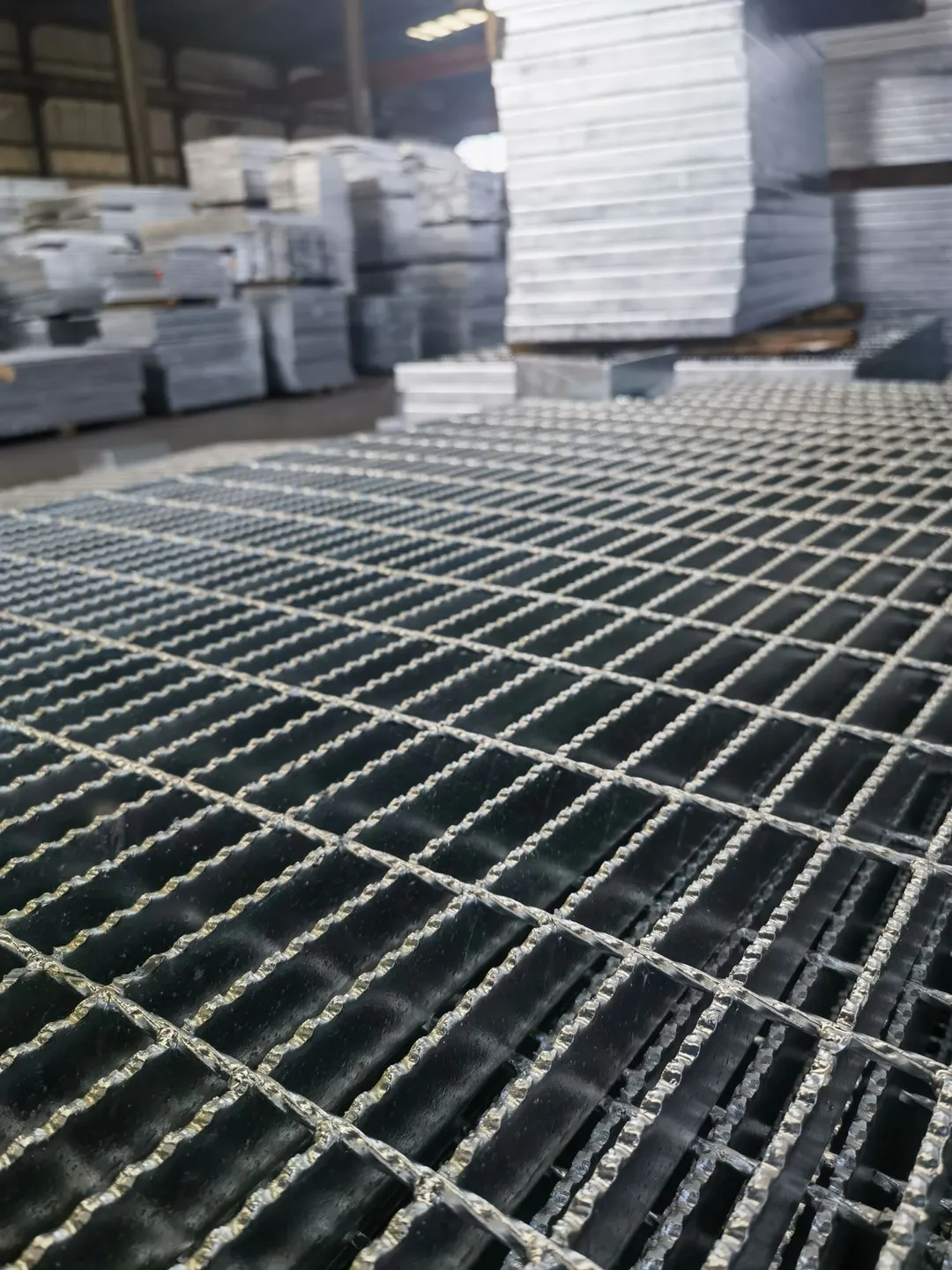
Serrated Steel Grating
Serrated bearing bars for added traction where wet, oily, snowy or inclined conditions are identified.
View productMaterial and finish around stored media
Material selection follows the actual exposure around each tank. Weather-only carbon-steel areas may use hot-dip galvanizing where the site corrosion plan permits. Contaminated condensate, chloride exposure, H₂S and stored-media vapour require a documented compatibility review before stainless 316L or another project material is chosen.
Curved and irregular panels are fully fabricated before the finish is applied. Narrow clearances, drain paths and removable interfaces need review because coating access and trapped liquid can affect long-term performance. Galvanizing, where selected, is specified per ASTM A123 / ISO 1461 or the customer standard and verified by report.
- Map exposure by tank area instead of using one site-wide assumption
- Confirm the stored media, vapour and cleaning conditions
- Complete arcs, cut-outs and banding before coating
- Keep removable panels traceable to their exact position
Inquiry
What to Send Us
These parameters let us confirm the specification and prepare a quote with fewer clarification rounds.
- Tank diameter and walkway layout with support rings
- Nozzle, ladder, bridge, handrail and opening locations
- Clear spans, bearing direction and load requirements
- Stored-media vapour, H₂S, chloride, condensate and washdown conditions
- Surface and finish requirement
- Removable panels, lifting points, fixing and numbering convention
- Quantity and destination
Installation
Installation Notes
- Install fan and curved panels by the approved sequence; similar shapes are not interchangeable.
- Keep removable-panel tags visible after installation and maintenance.
- Check drainage and avoid unplanned pockets against tank shells and curbs.
Project Evidence
See the Application in Context
These published project pages show the available application evidence without disclosing customer identities or unverified order details.
Project
Process Tank & Pipe Rack Grating Maintenance Platform
Real project photography showing circular tank platforms, elevated pipe-rack walkways and connecting access.
View projectProject
Chemical Process Tower Multi-Level Grating Platform
Real project photography showing multi-level steel grating platforms fitted around tower equipment.
View projectFAQ
Tank Farm Walkway Grating FAQs
How are curved tank walkways divided into panels?
Does H2S exposure automatically require stainless 316L?
Can panels remain removable for tank inspection?
What information is needed to detail grating around a tank?
Send Your Drawings, Get a Confirmed Specification
We aim to reply within one business day during published business hours.