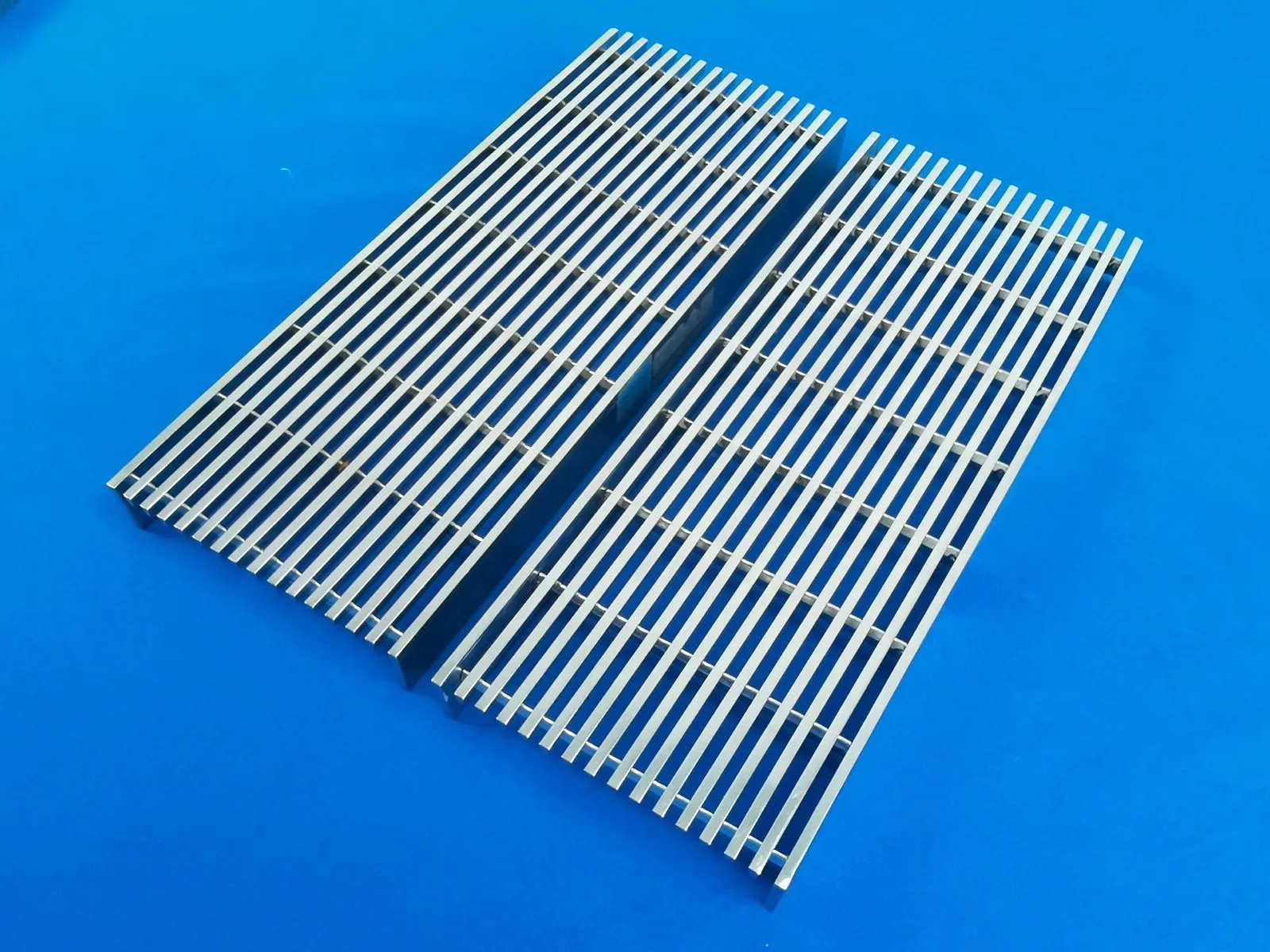
Swage-locked aluminum grating
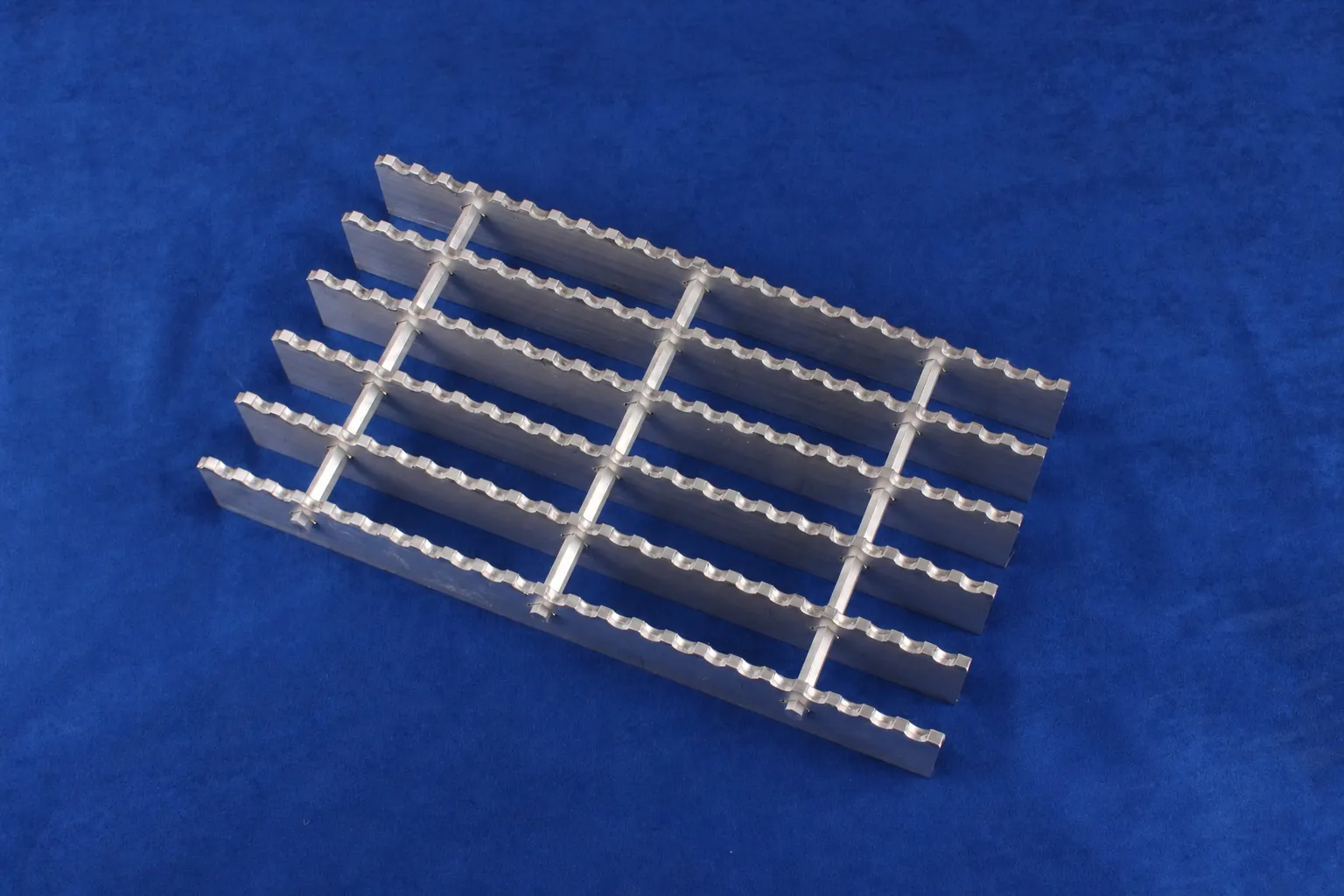
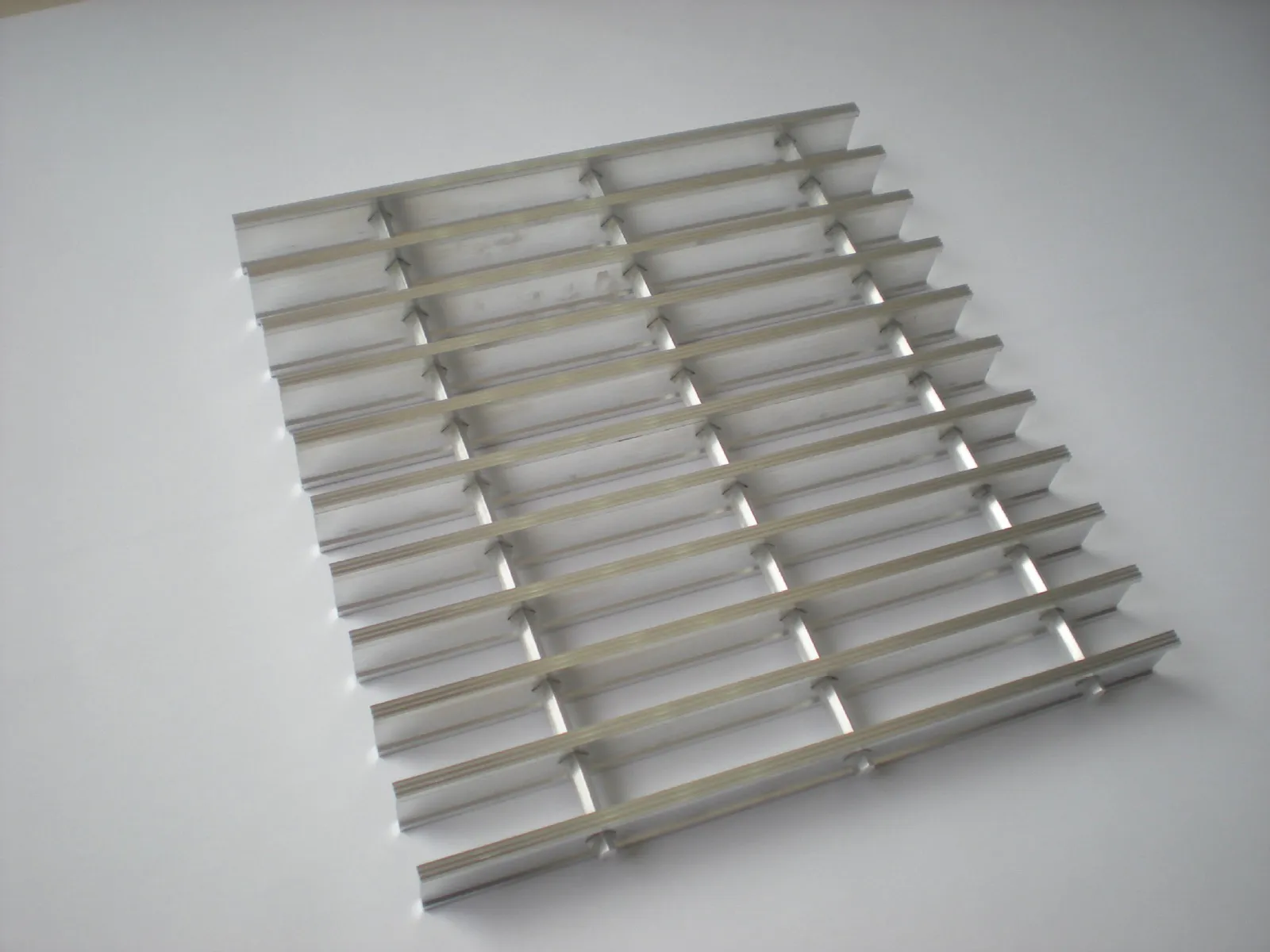
Cross bars mechanically locked into bearing bars for a clean, flush appearance — the architectural favorite for facades, ceilings and screens.

Engineering
Steel Grating Load Tables: How to Read and Use Them Steel Grating Sizes and Dimensions: What Each Number Means Steel Grating Standards Guide: NAAMM, ASTM, ISO and Regional CodesEngineered Around Your Load & Span
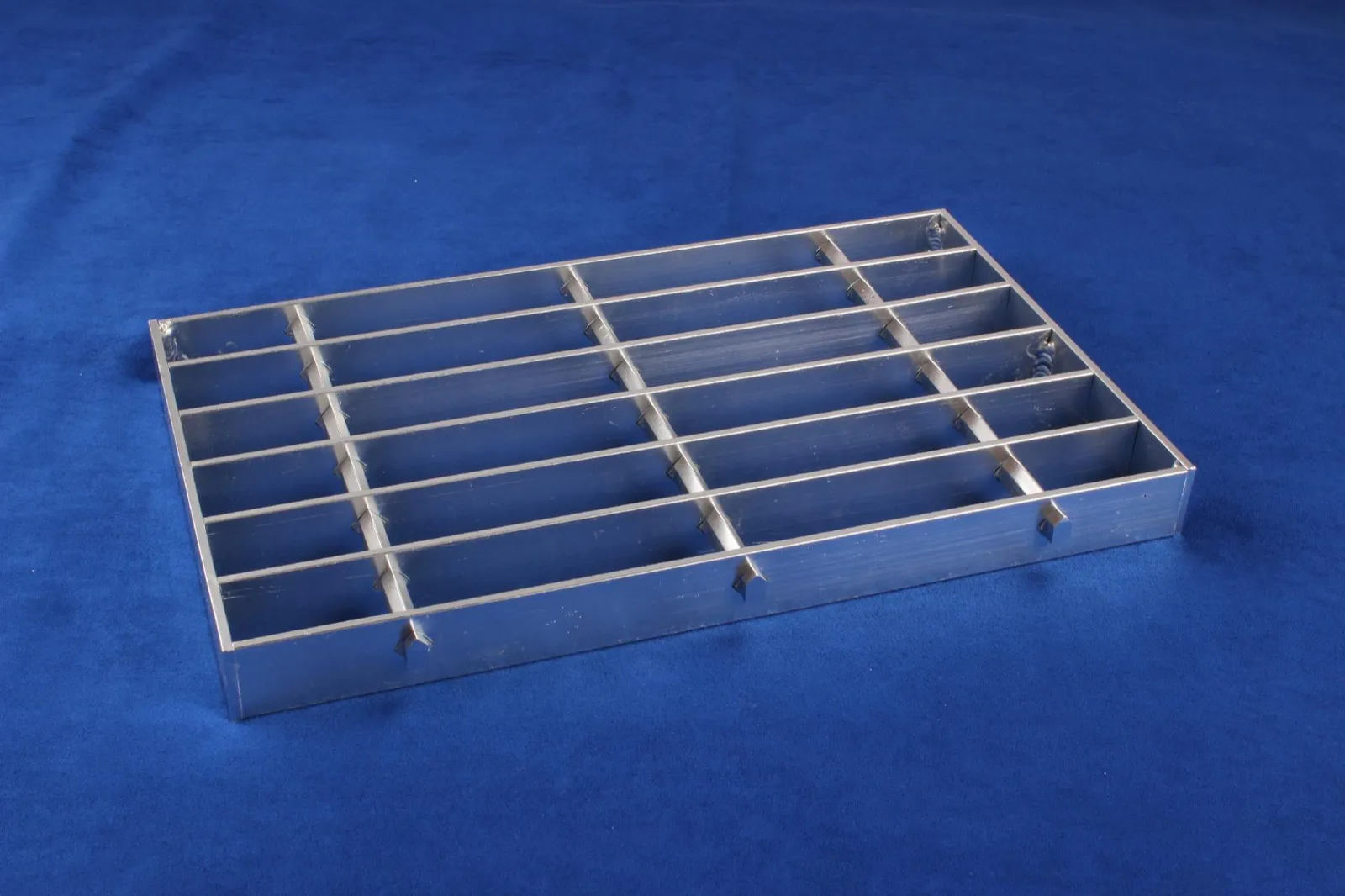
Aluminum grating offers about one-third the weight of steel with inherent corrosion resistance — no coating required. It suits architectural facades, ceilings, marine walkways and light-to-medium duty platforms where weight, handling or appearance matters, in 6061, 6063 or 5052 alloys with swage-locked, dovetail or welded construction and mill, anodized or powder-coated finishes.
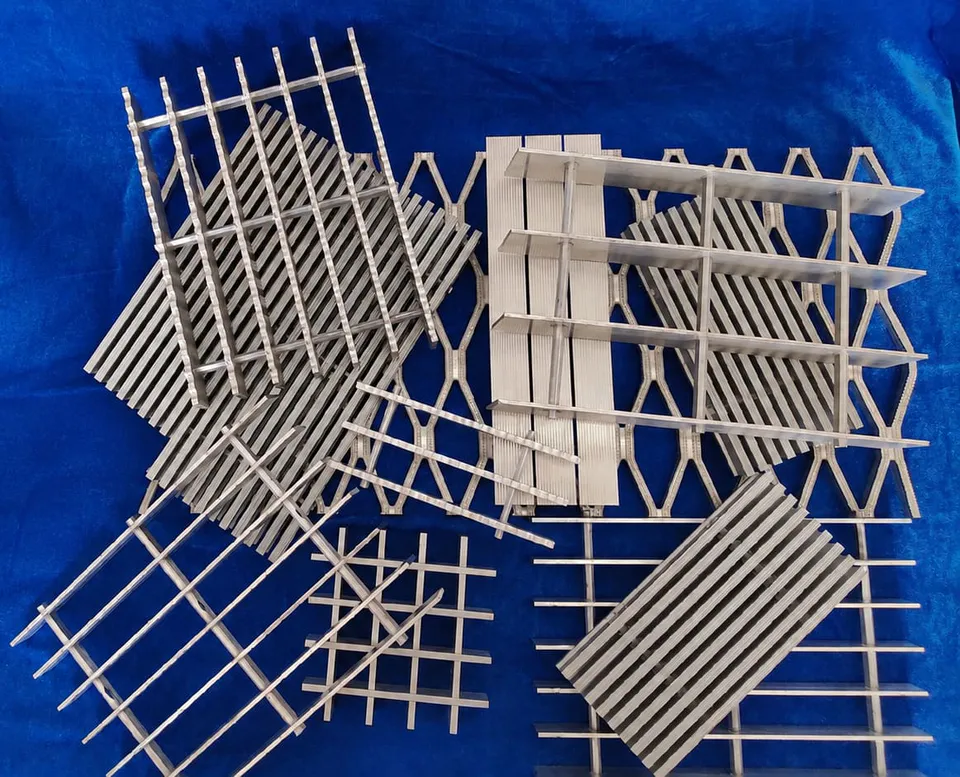
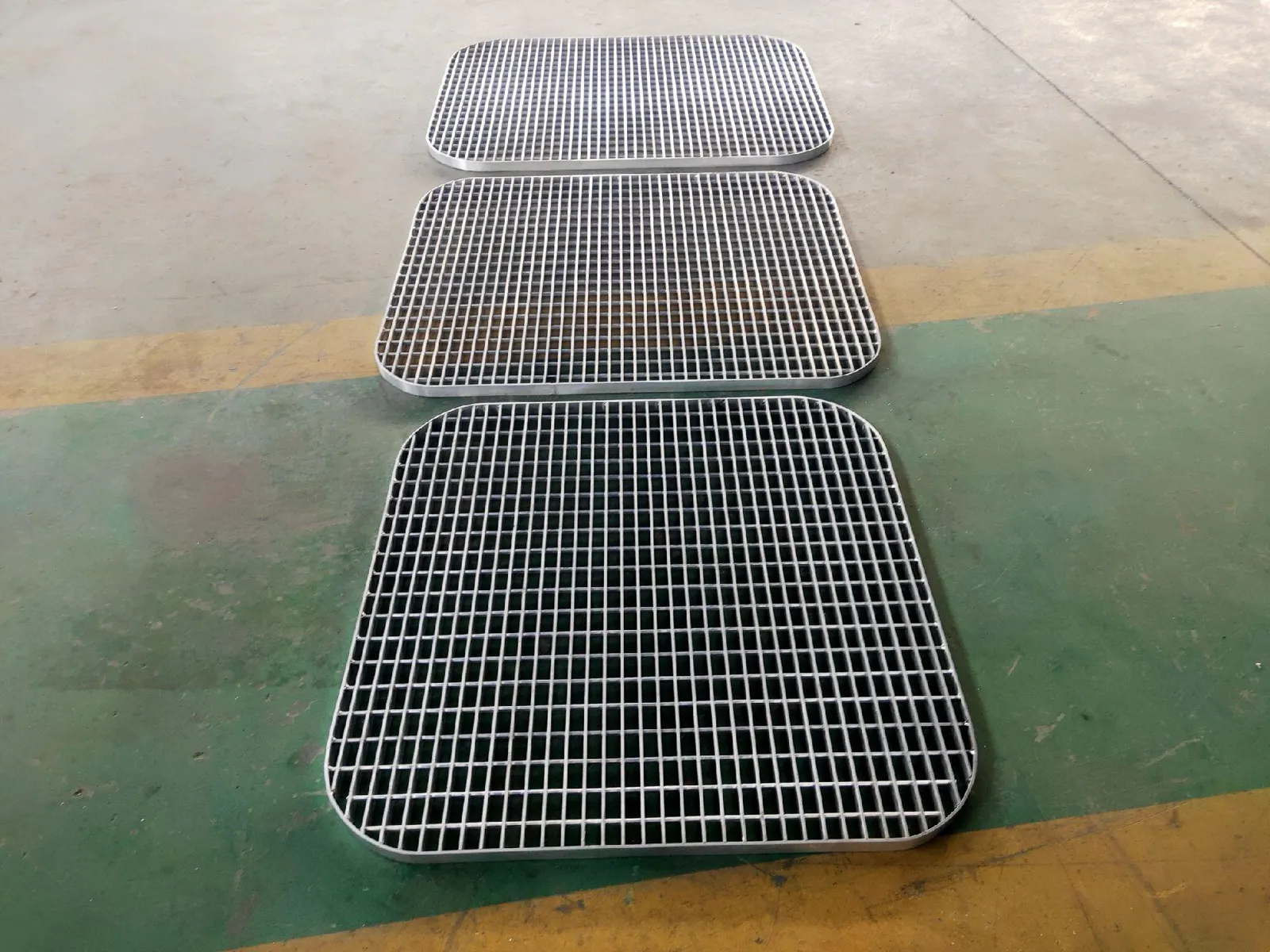
Aluminum grating — also called aluminum bar grating — is made from aluminum alloy bearing and cross bars, commonly 6061, 6063 or 5052, joined by swage-locking, dovetail pressure-locking or welding. Its light weight simplifies handling and reduces the cost of supporting structures.
It performs best in light-to-medium duty: walkways, platforms, facades, ceilings, ventilation screens and marine access areas. For heavy vehicle loads such as forklifts and trucks, steel heavy-duty grating is normally the practical and economical choice.
Because the alloy forms its own protective oxide film, outdoor and marine use needs no coating; anodizing or powder coating is added for appearance, color or extra surface wear resistance.
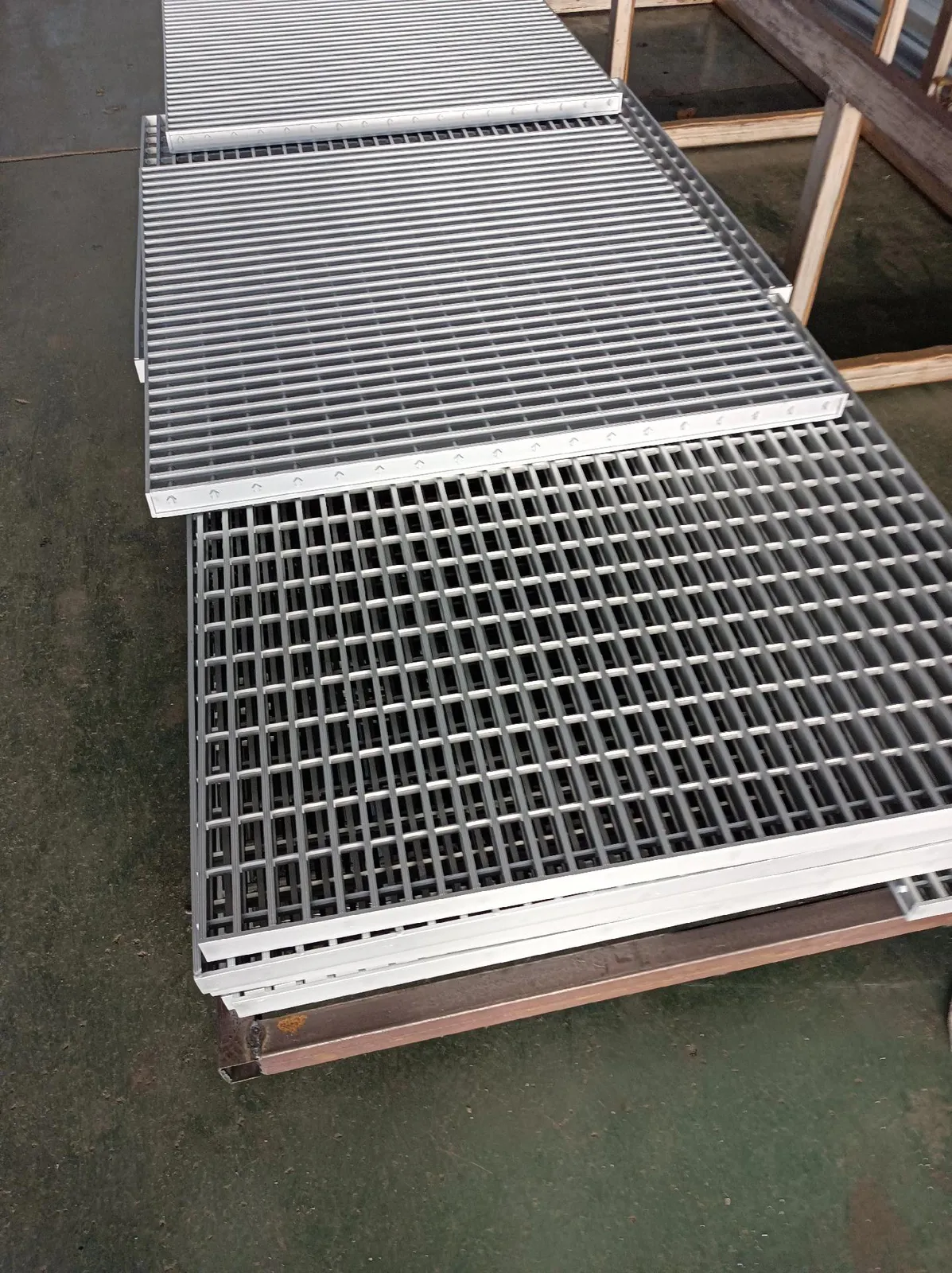
Gallery
Specifications
| Item | Options | Notes |
|---|---|---|
| Alloys | 6061-T6 / 6063-T6 / 5052 | Supplied per project specification with mill certificates |
| Construction | Swage-locked / dovetail pressure-locked / welded | Swage-locked and dovetail give a clean flush appearance |
| Bearing bar | Common depths 25–50 mm for pedestrian duty | Sized to span and load like steel grating |
| Bearing bar spacing | 19-space / 15-space series and metric equivalents | Closer spacing for public access areas |
| Surface | Plain / serrated | Serrated for wet walkways and marine decks |
| Finish | Mill / clear or black anodized / powder coated | Anodizing adds hardness and wear resistance |
| Duty | Pedestrian and light-to-medium loads | Not for heavy vehicle traffic — evaluate steel instead |
| Fabrication | Cut to size, banded, framed to drawings | Light weight eases handling and installation |
Variants
Cross bars mechanically locked into bearing bars for a clean, flush appearance — the architectural favorite for facades, ceilings and screens.
Pressed dovetail joints give a flat, uniform look with good lateral stability for architectural and light industrial use.
Welded intersections for industrial walkways and platforms where utility leads and appearance is secondary.
Clear, matte or black anodizing adds surface hardness, wear resistance and color for visible architectural installations.
Applications
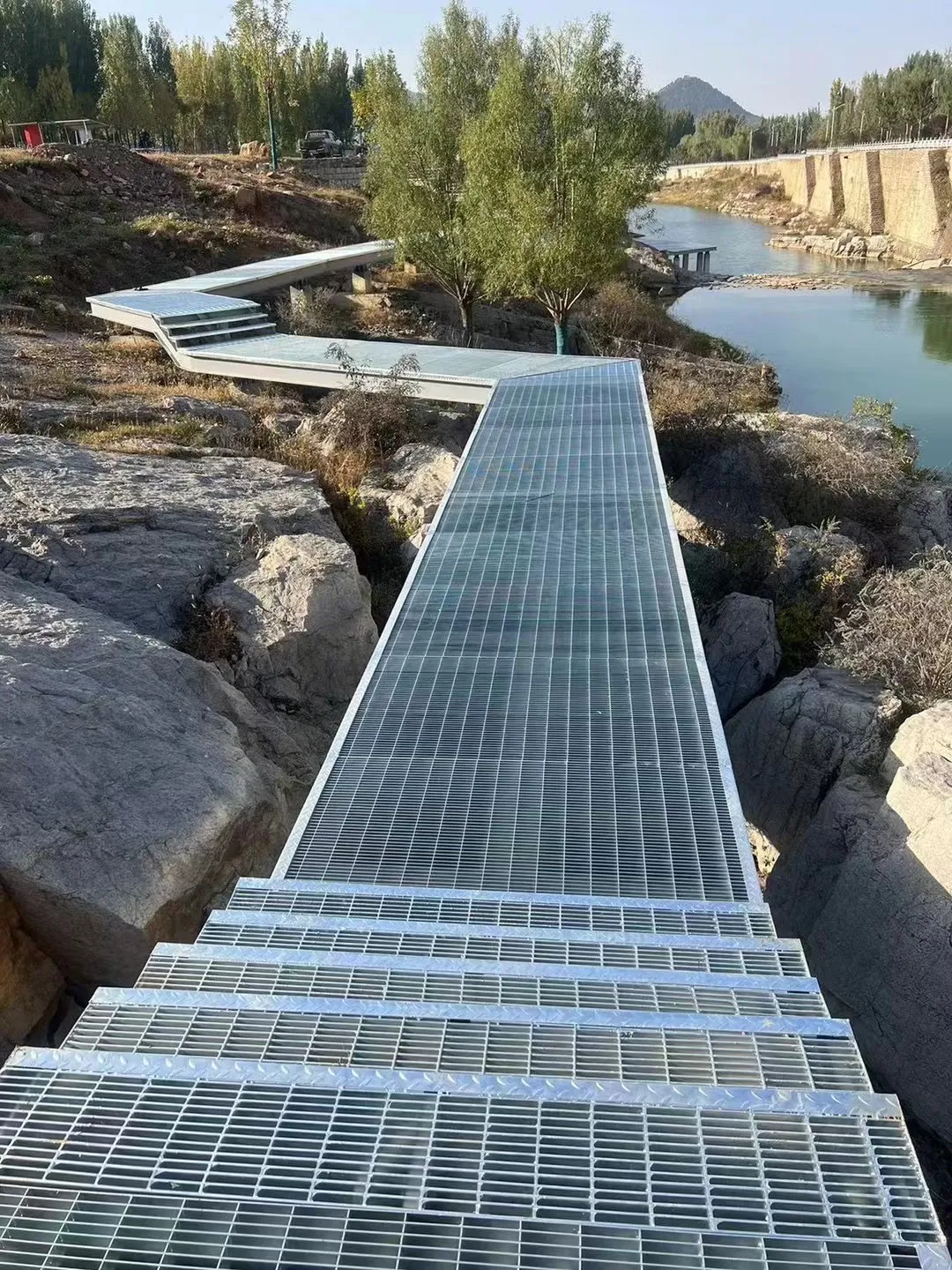
Safe, drained, ventilated walkways for photovoltaic arrays, pipe racks, tank farms and roof access routes.
View application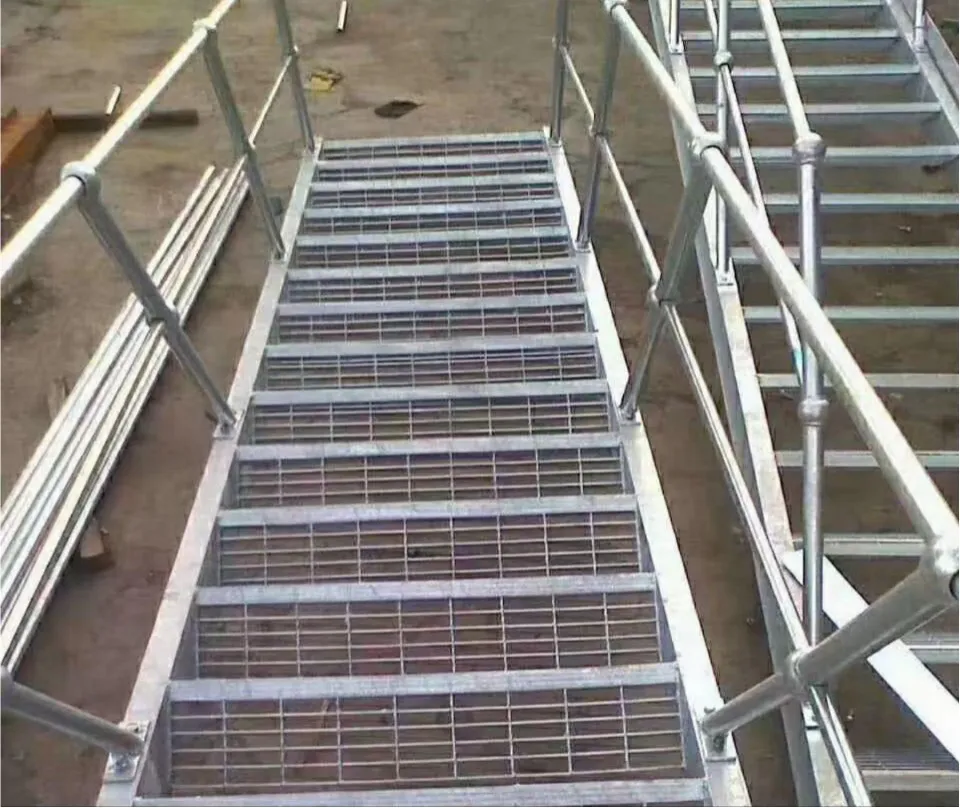
Industrial access stairs with grating treads — drained, slip-resistant and replaceable tread by tread.
View application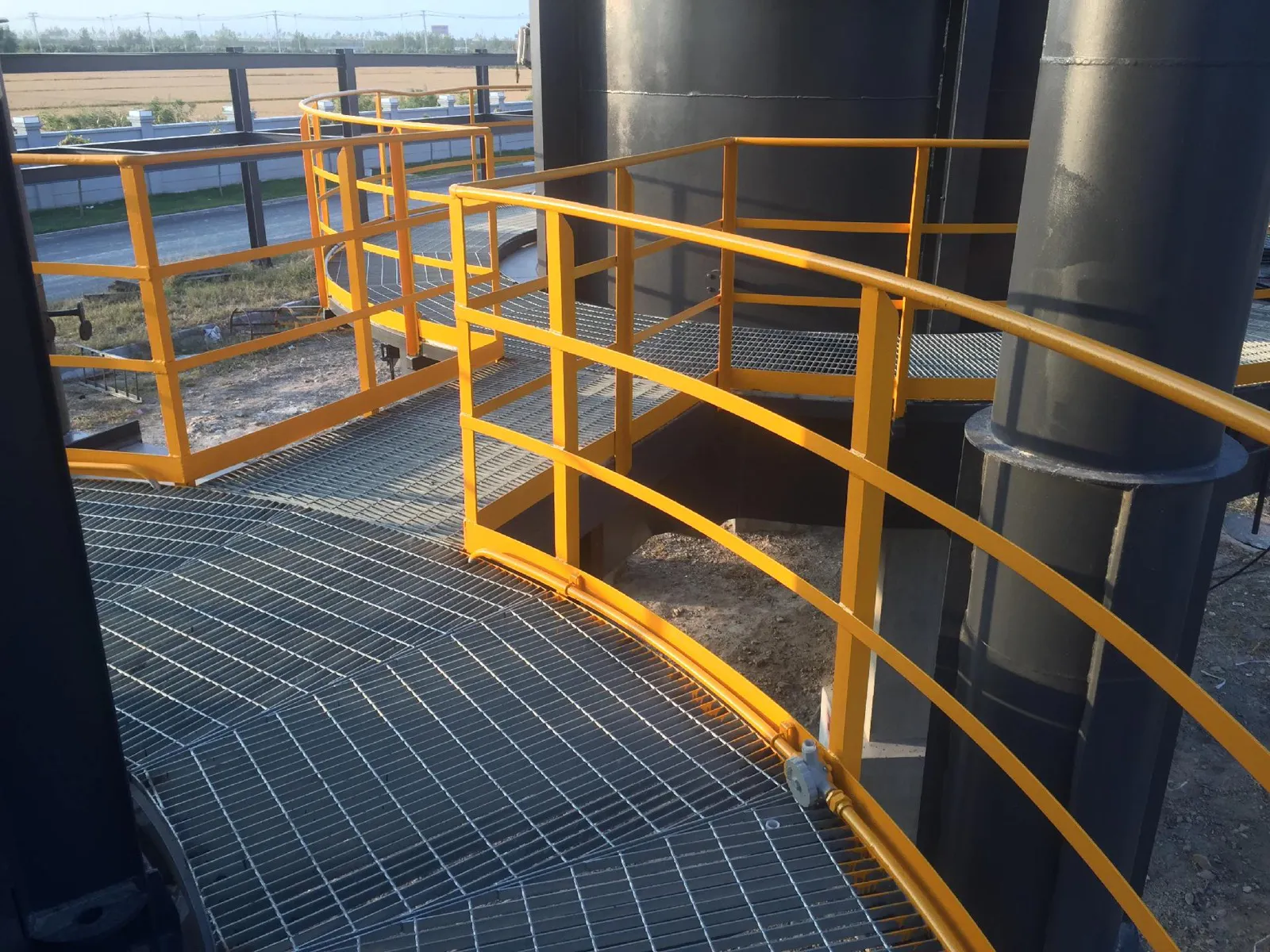
Open-grid flooring for chemical plants, equipment platforms and mezzanines — strength, drainage and ventilation in one panel.
View applicationFabrication & QC
Packaging
FAQ
We aim to reply within one business day during published business hours.