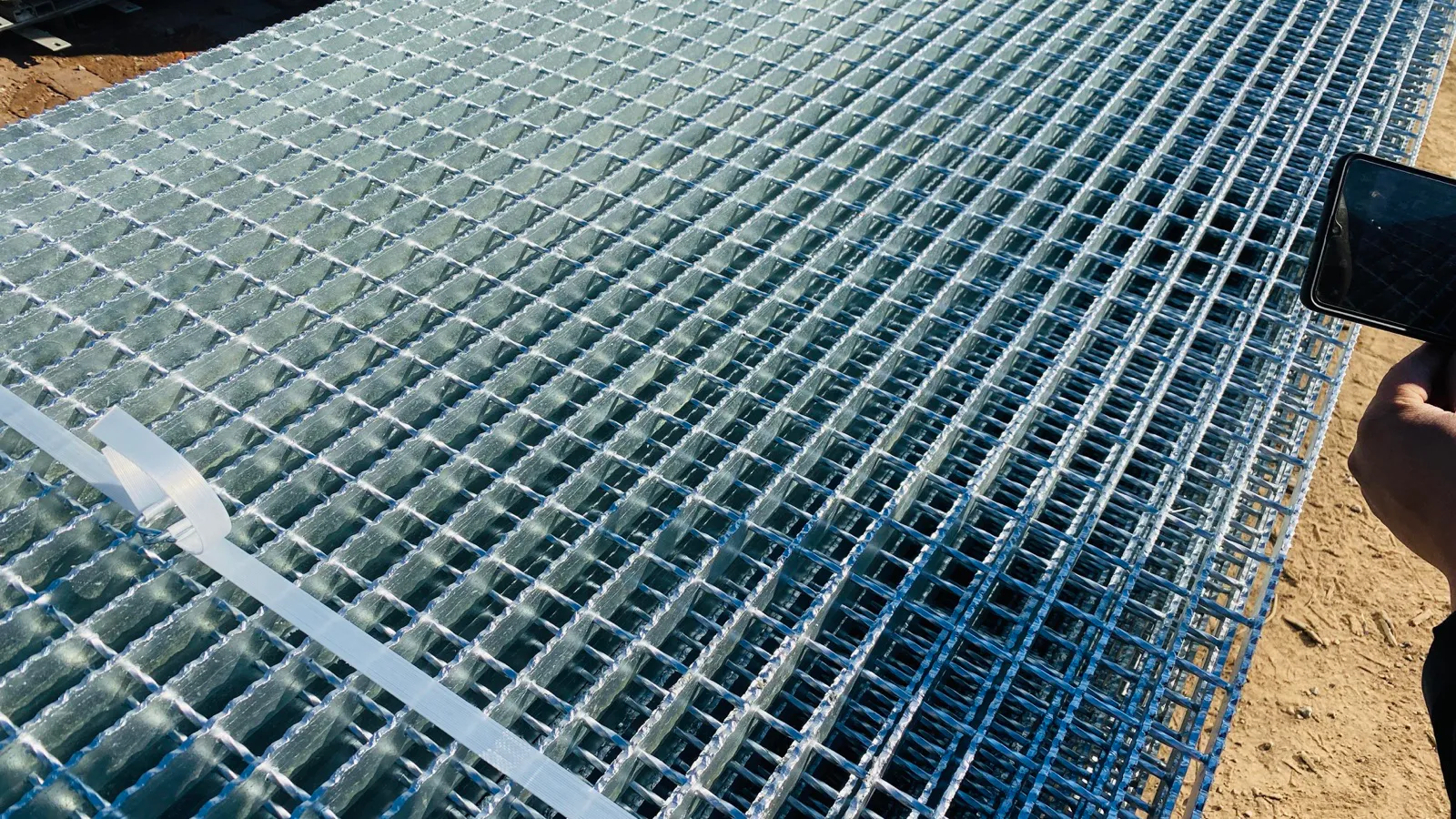
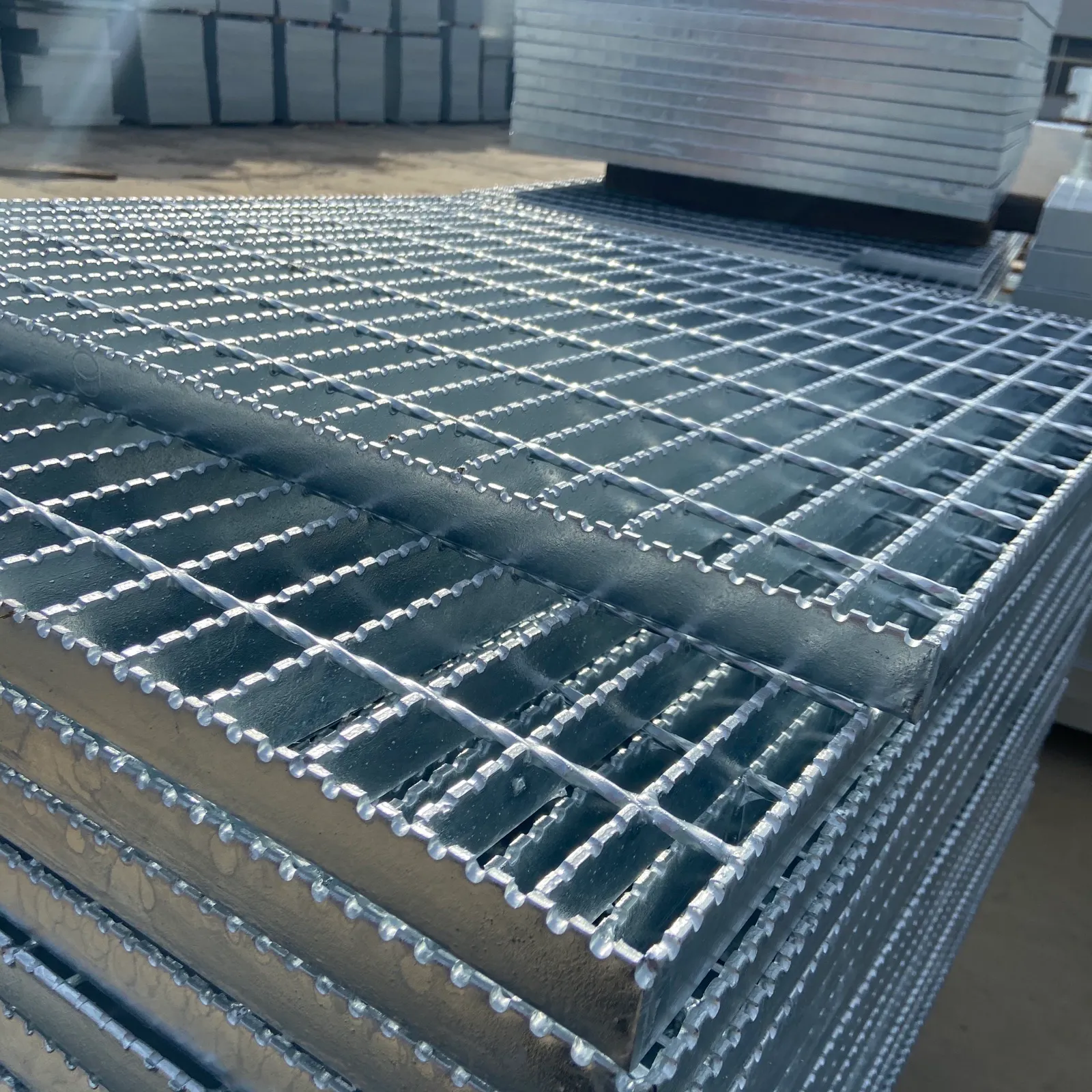
Serrated carbon steel, hot-dip galvanized
The standard anti-slip combination for outdoor industrial walkways, platforms and trench covers.

Engineering
Steel Grating Load Tables: How to Read and Use Them Steel Grating Sizes and Dimensions: What Each Number Means Steel Grating Standards Guide: NAAMM, ASTM, ISO and Regional CodesEngineered Around Your Load & Span
Serrated steel grating uses bearing bars with a toothed top edge to add traction where wet, oily, snowy or inclined conditions are identified. Final suitability depends on contaminants, footwear, slope and the project requirement. It is available in galvanized carbon steel, stainless steel and aluminum and fabricated to your drawings.
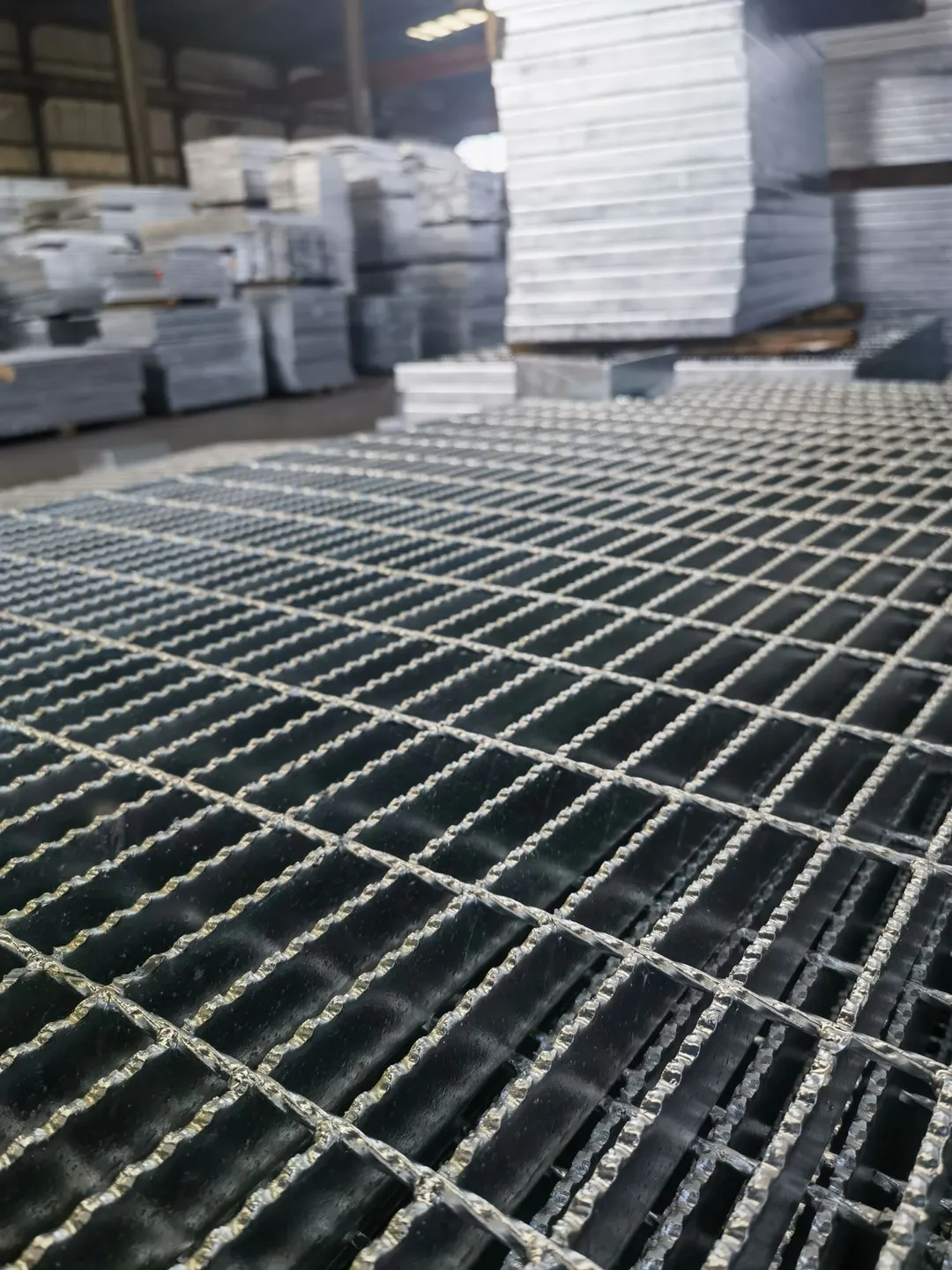
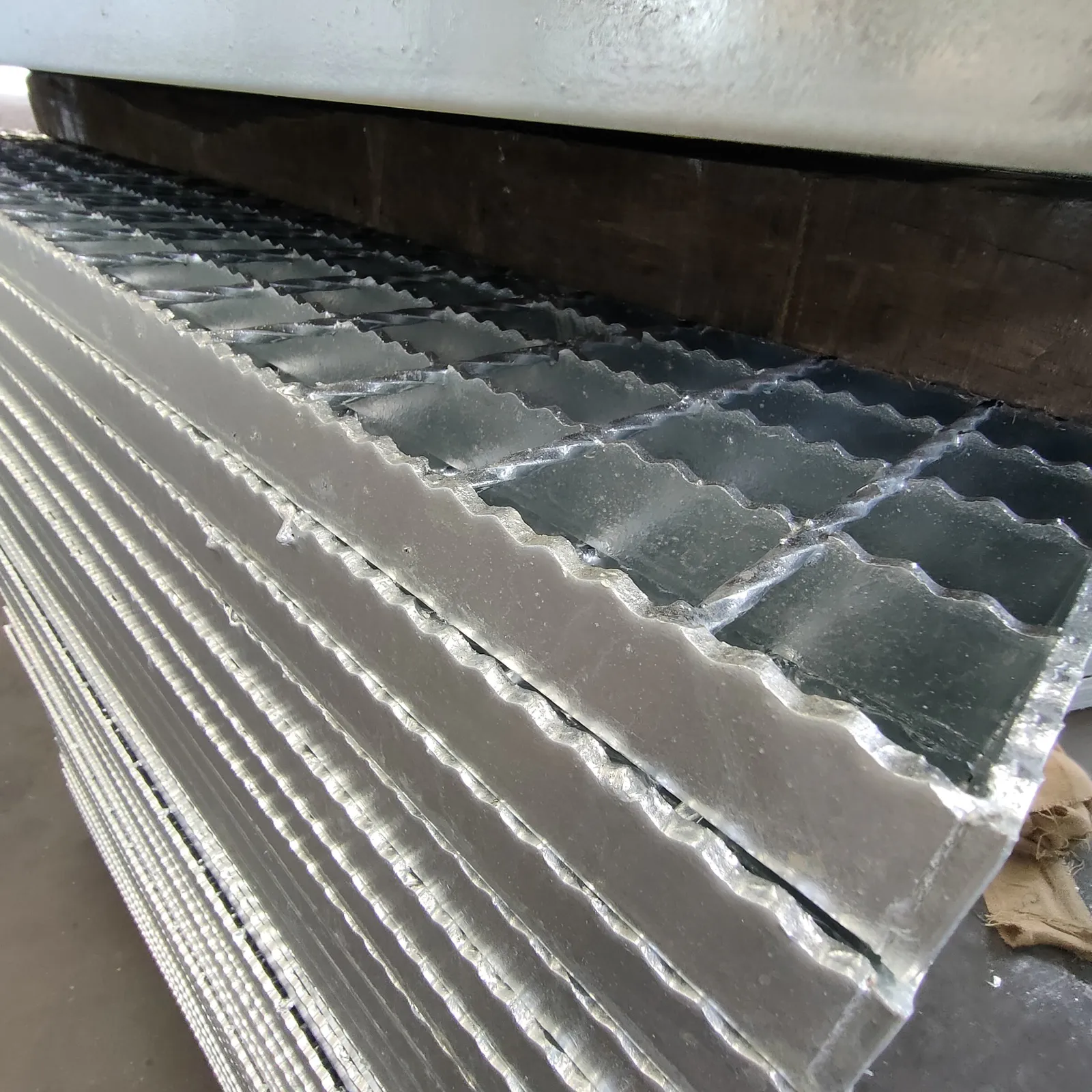
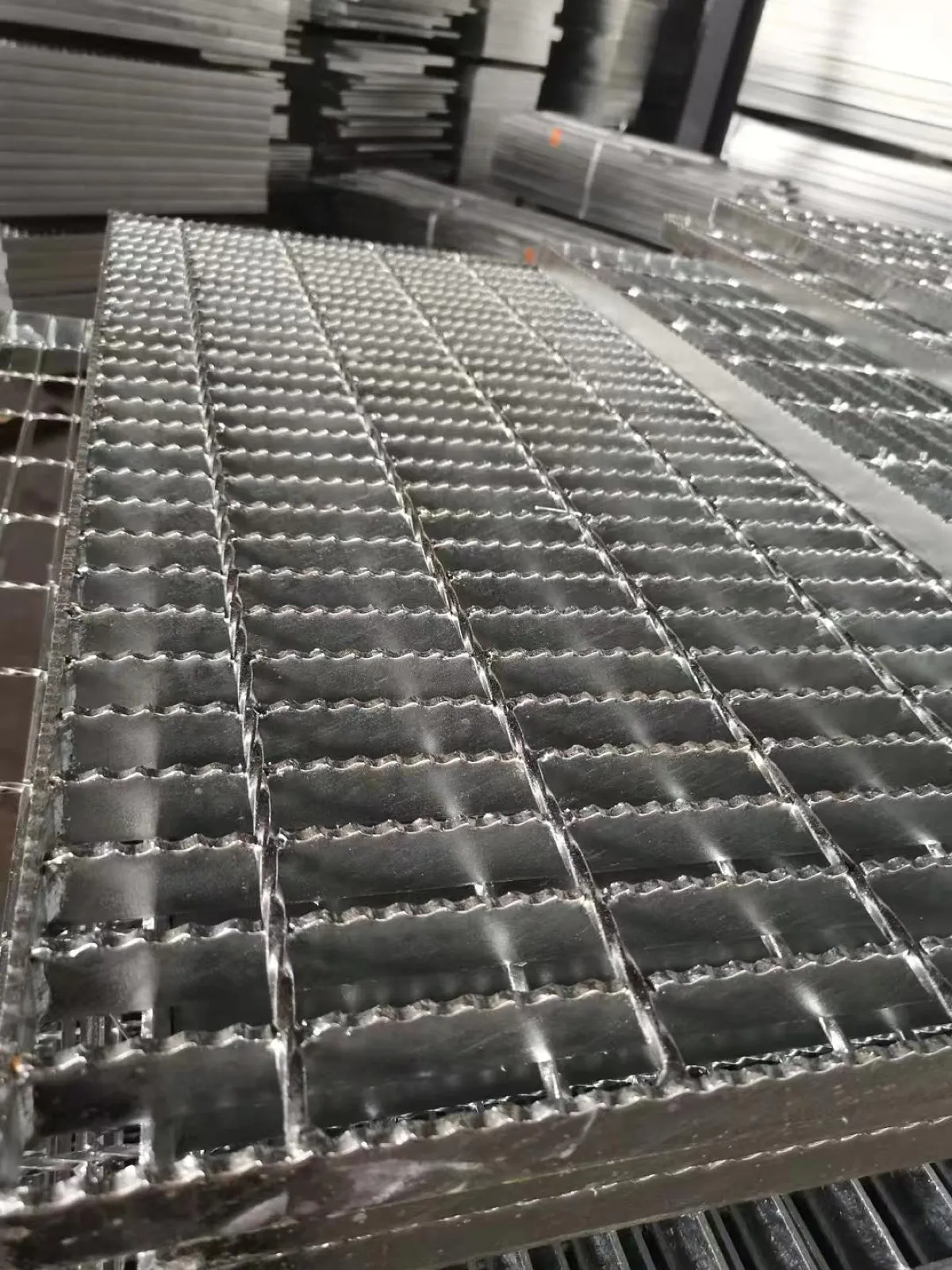
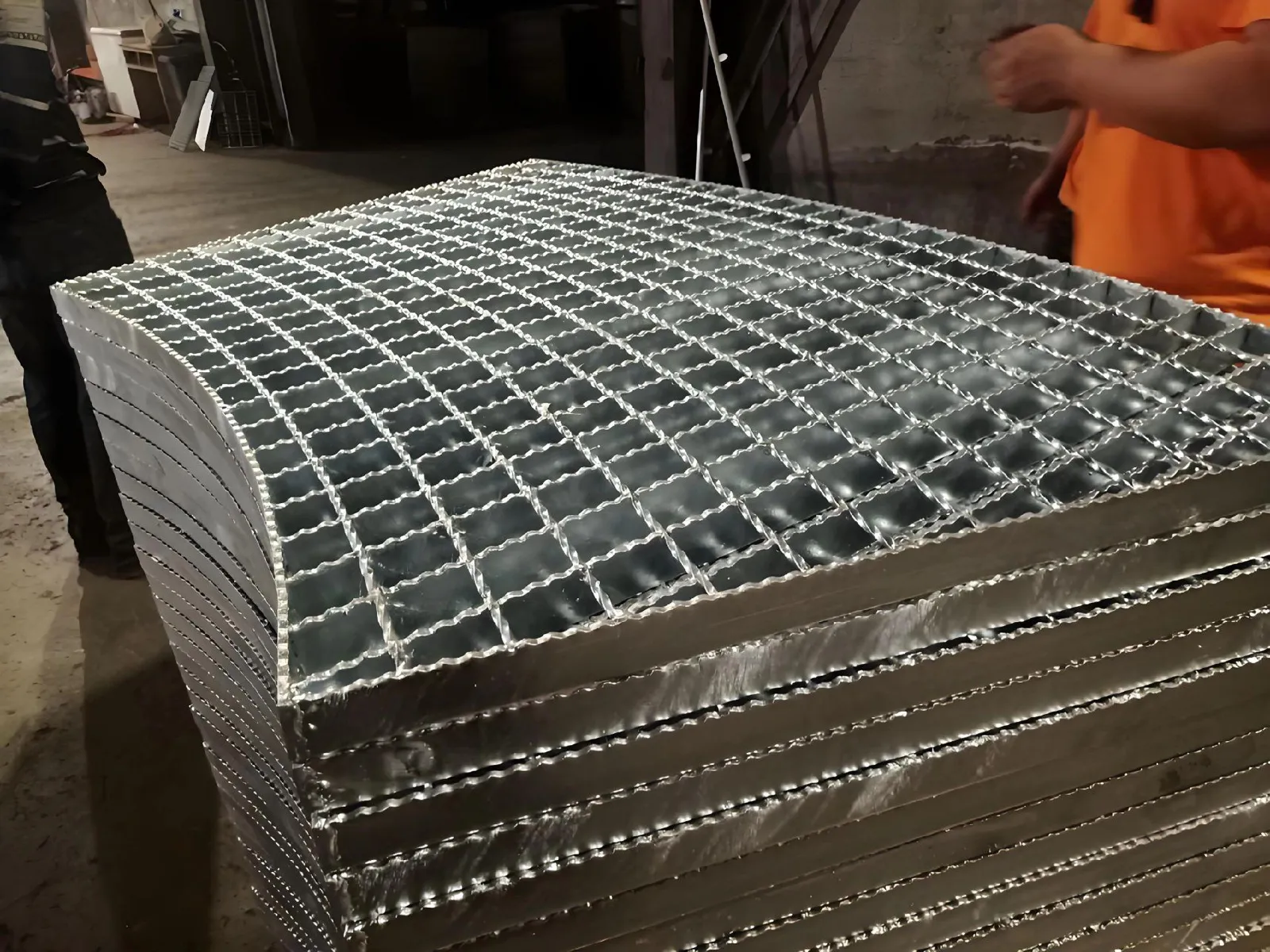
Serrated steel grating is welded bar grating whose bearing bars carry a notched, tooth-like top edge. Those edges can add traction compared with a plain flat surface, but no universal slip-resistance result is claimed: performance depends on contaminants, footwear, slope, maintenance and the project requirement.
It is specified wherever slip risk is elevated: outdoor walkways exposed to rain and snow, process plant platforms with oil or chemical films, inclined ramps, and stair tread nosings. Because the teeth remove a small amount of bar material, the effective section is slightly reduced — load capacity is confirmed against span, load type and support conditions during specification, exactly as with plain grating.
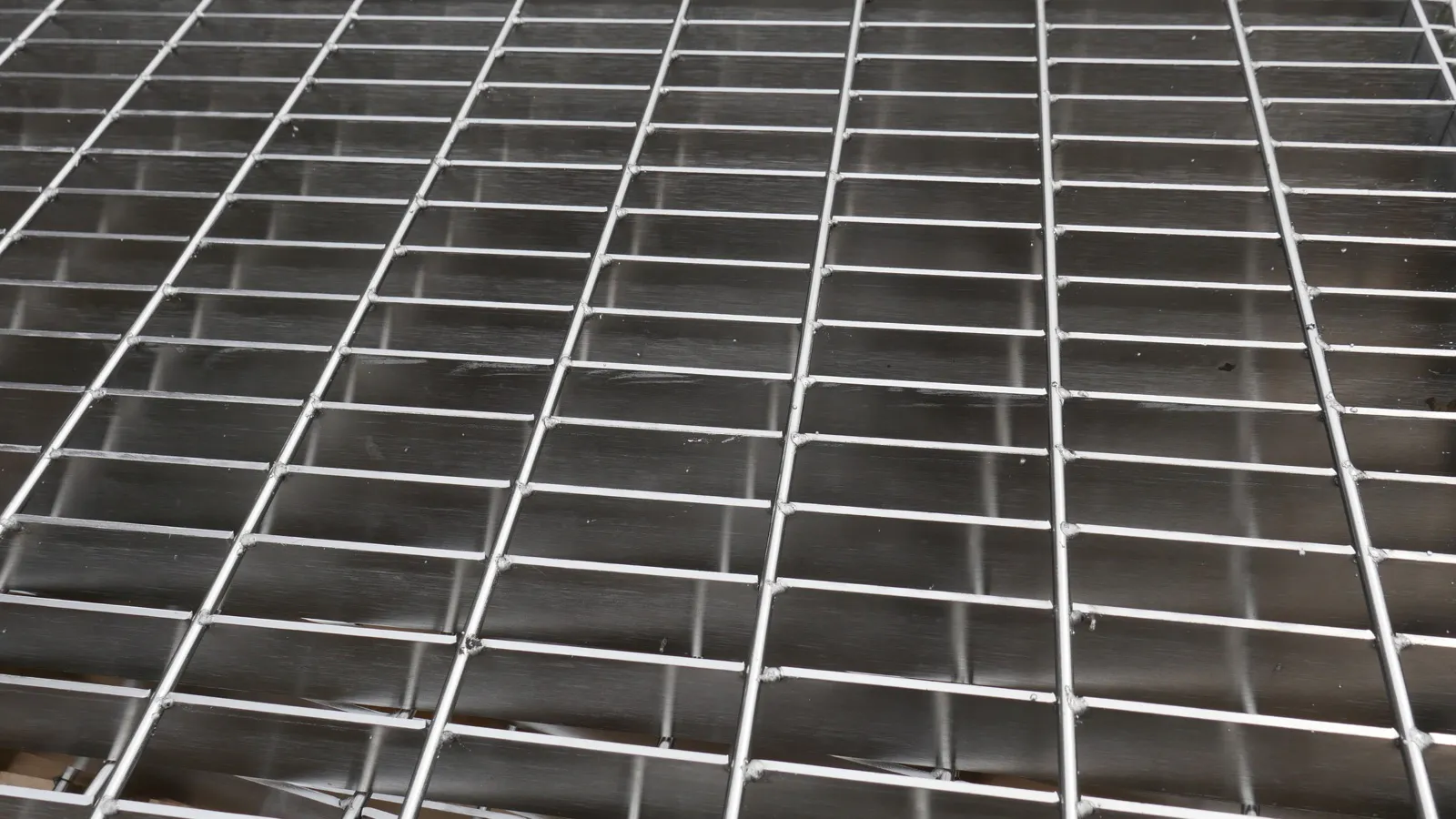
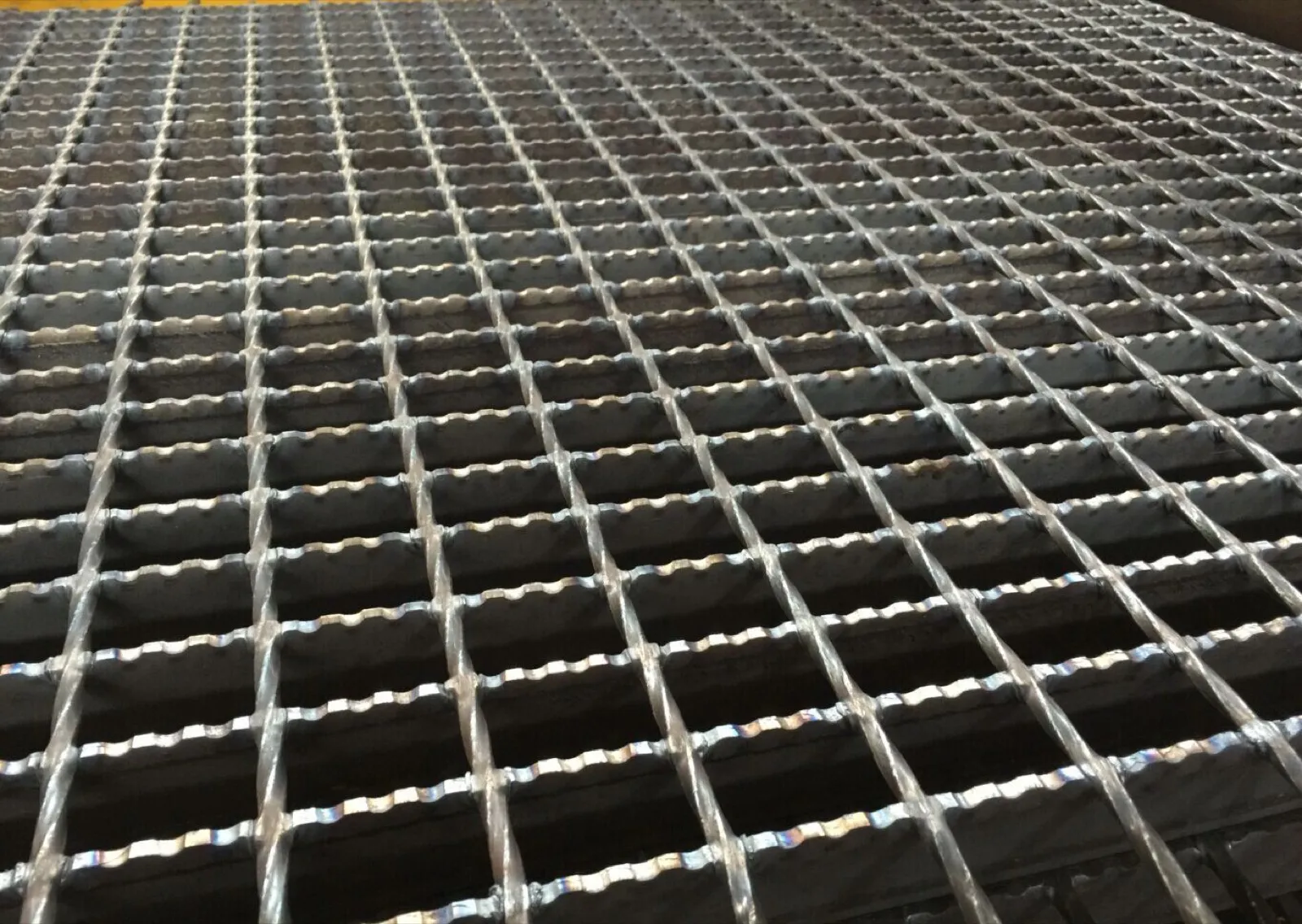
| Aspect | Plain surface | Serrated surface |
|---|---|---|
| Surface traction | Plain top for dry, clean or indoor areas | Additional edges for wet, oily or inclined conditions; verify project suitability |
| Typical locations | Indoor platforms, dry walkways, architectural areas | Outdoor walkways, oily process platforms, ramps, stair treads |
| Cleaning | Easiest to wash down | Slightly more effort around the teeth |
| Cost | Most economical | Premium over plain bars of the same size |
| Load capacity | Full bar section | Slightly reduced effective section — confirmed against span and load |
Gallery
Specifications
| Item | Options | Notes |
|---|---|---|
| Material | Carbon steel Q235 / Q355; SS304 / SS316L; aluminum | Supplied per project specification with MTC |
| Bearing bar size | 25 × 3 mm to 100 × 10 mm; common 25×3, 30×3, 32×5, 40×5 mm | Deeper bars for longer spans |
| Bearing bar spacing | 30 / 40 mm; imperial 19-space, 15-space series | 30 mm most common |
| Cross bar | Twisted square bar at 50 / 100 mm (2″ / 4″) | 100 mm most economical |
| Surface | Full-serrated bearing bars | Serration rolled into the bar before welding |
| Finish | Hot-dip galvanized / passivated stainless / mill | Galvanized after fabrication per ASTM A123 / ISO 1461 or customer standard |
| Max panel size | Up to 6100 × 1000/1200 mm; 70–100 kg per panel handling limit | Larger areas split into numbered panels |
Variants
The standard anti-slip combination for outdoor industrial walkways, platforms and trench covers.
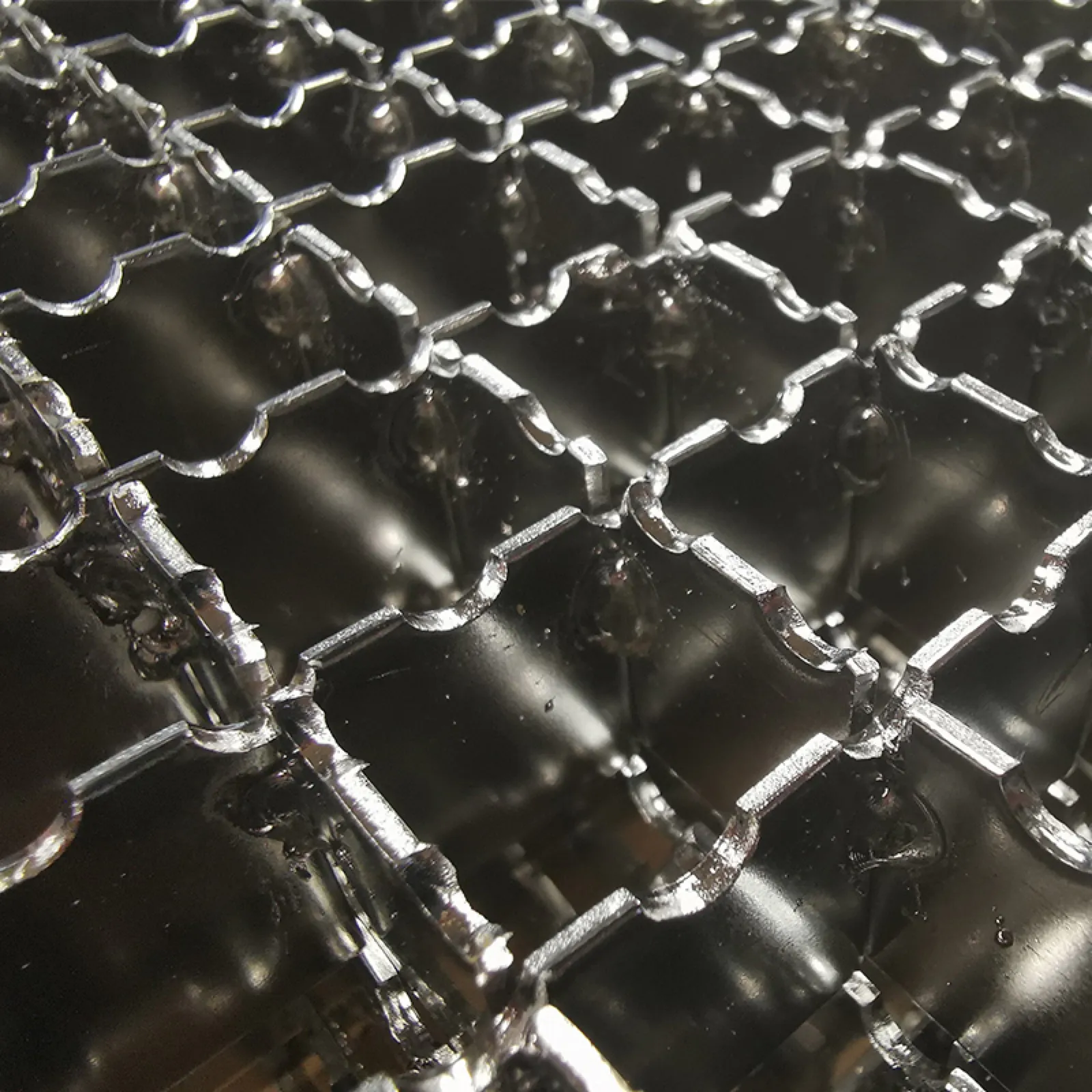
SS304 or SS316L serrated grating for wet process, food, chemical and marine areas that need both grip and corrosion resistance.
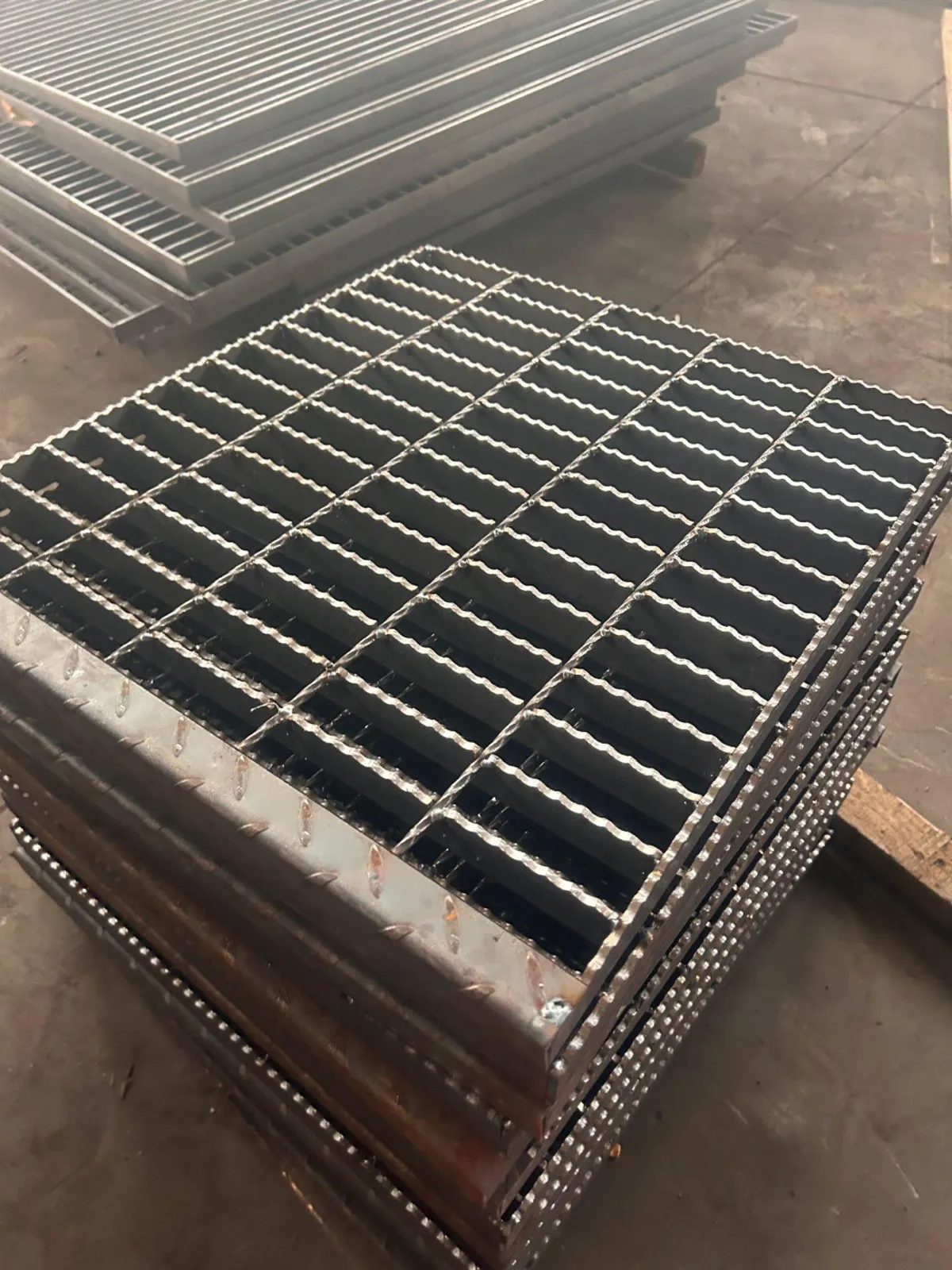
Serrated grating treads with abrasive or checkered nosing and end plates, ready to bolt or weld to stringers.
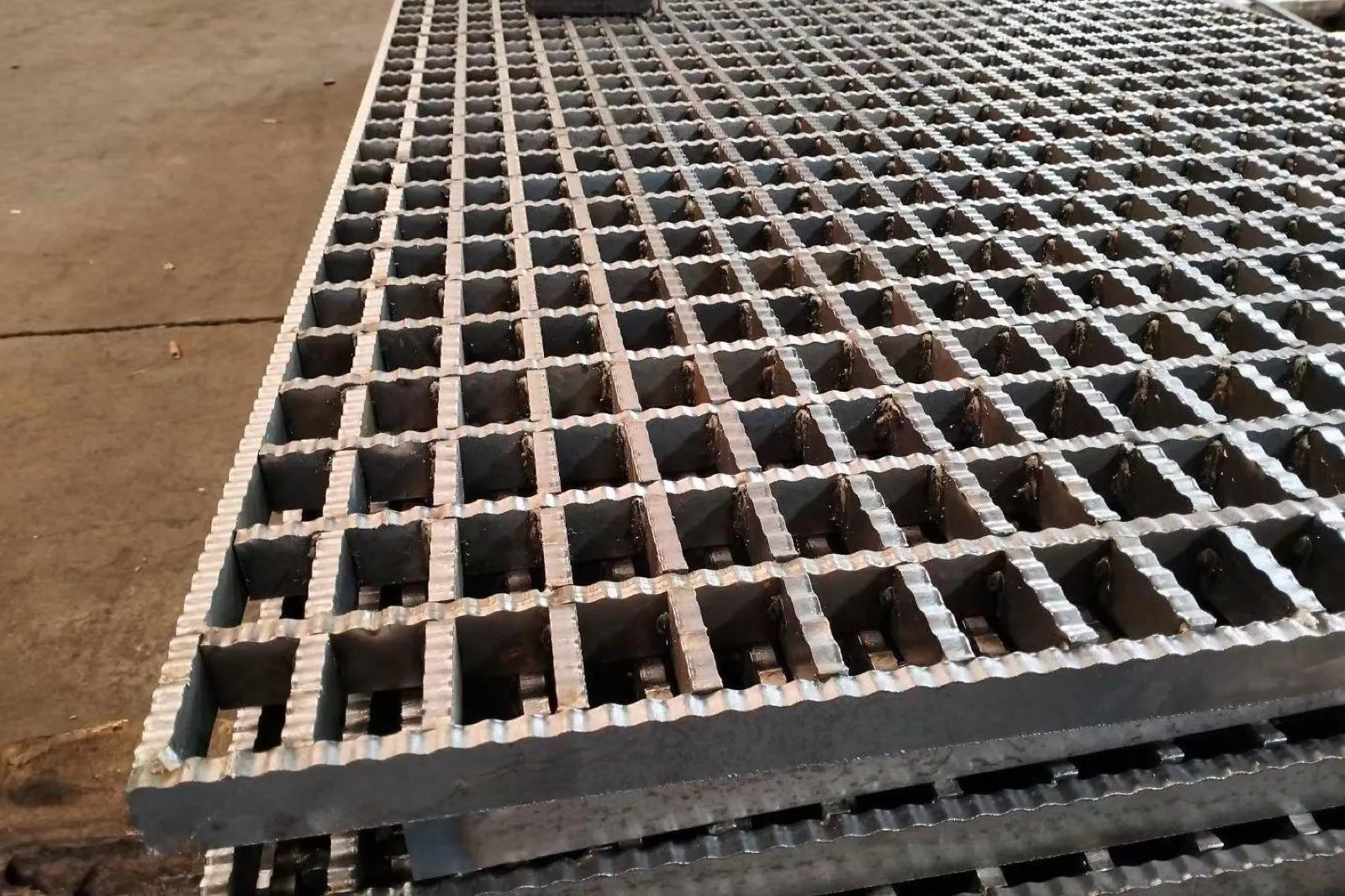
Toothed heavy bearing bars for vehicle areas where surfaces are wet or oily — capacity confirmed against span, wheel load and support conditions.
Applications
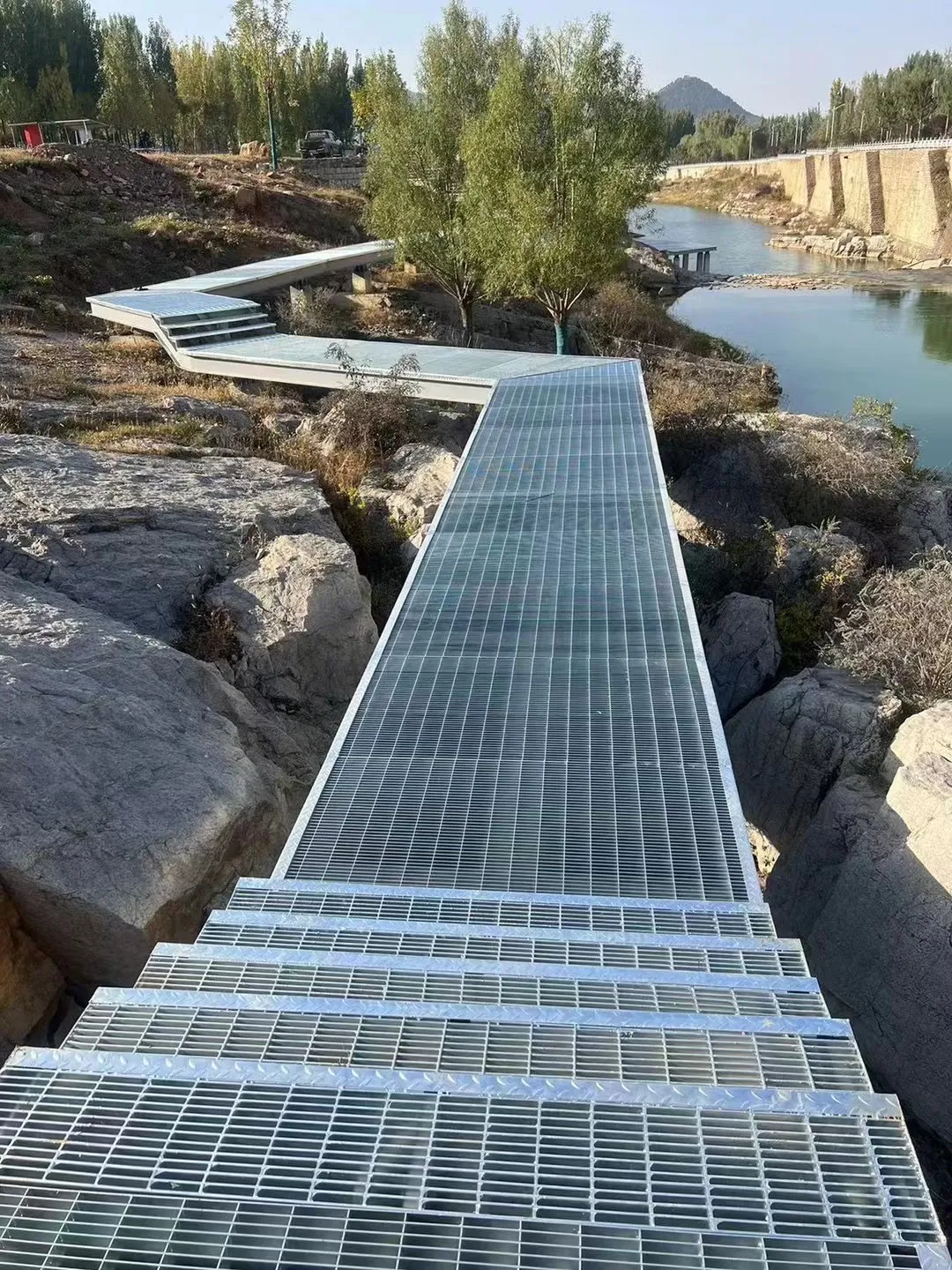
Safe, drained, ventilated walkways for photovoltaic arrays, pipe racks, tank farms and roof access routes.
View application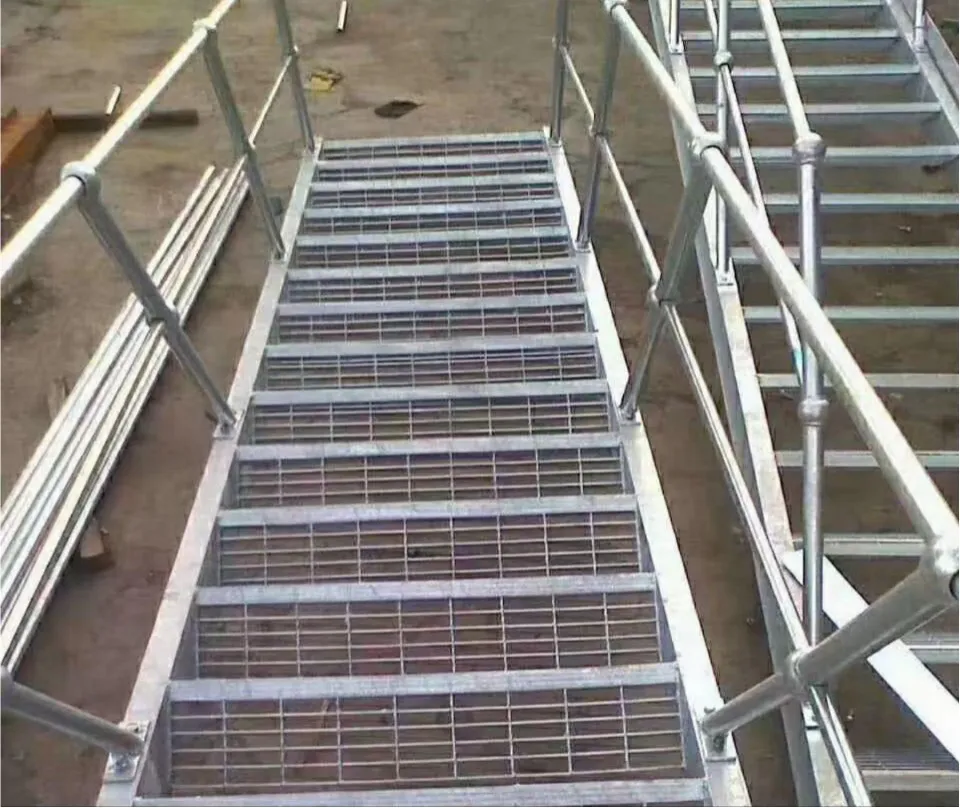
Industrial access stairs with grating treads — drained, slip-resistant and replaceable tread by tread.
View application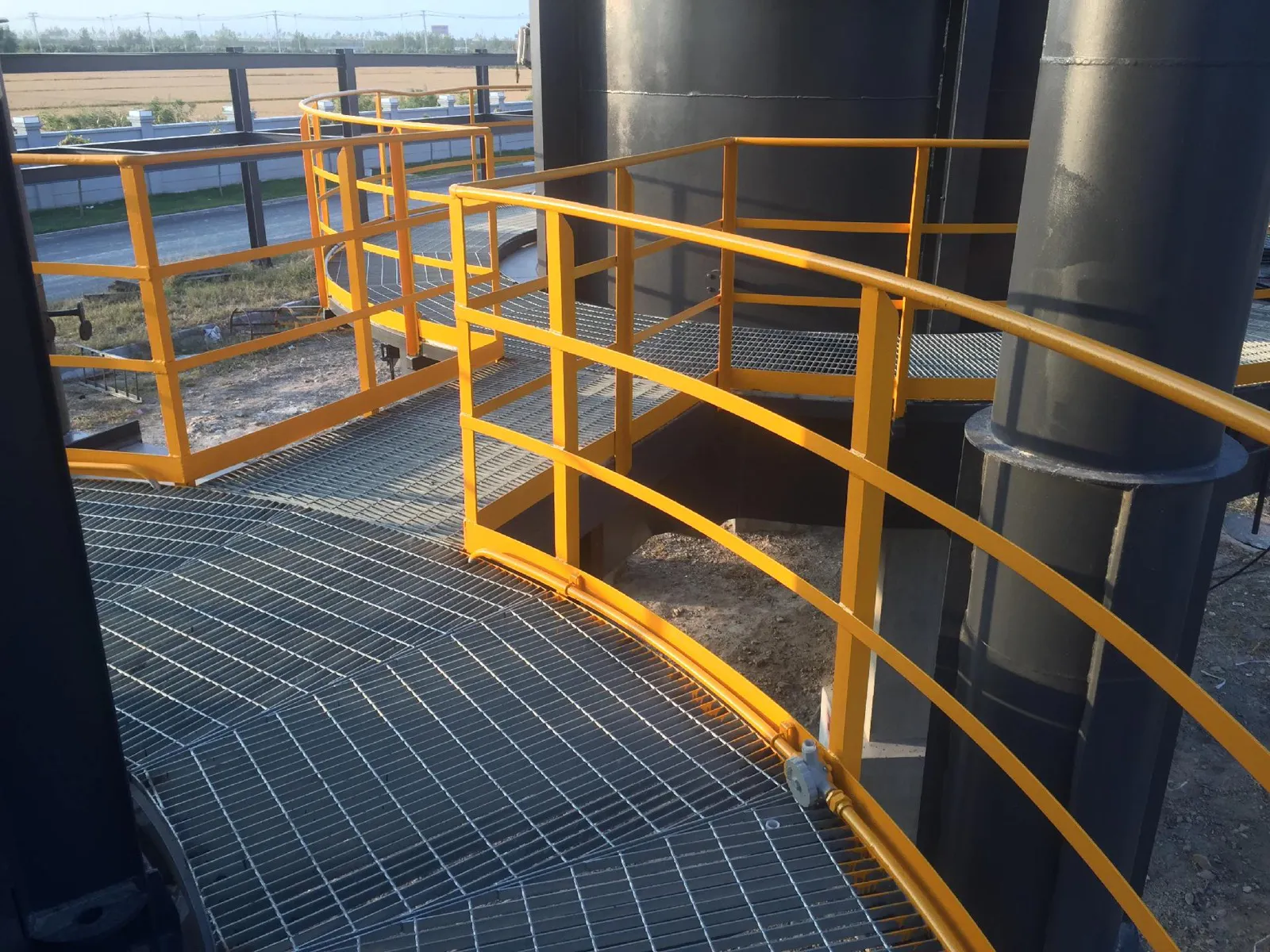
Open-grid flooring for chemical plants, equipment platforms and mezzanines — strength, drainage and ventilation in one panel.
View application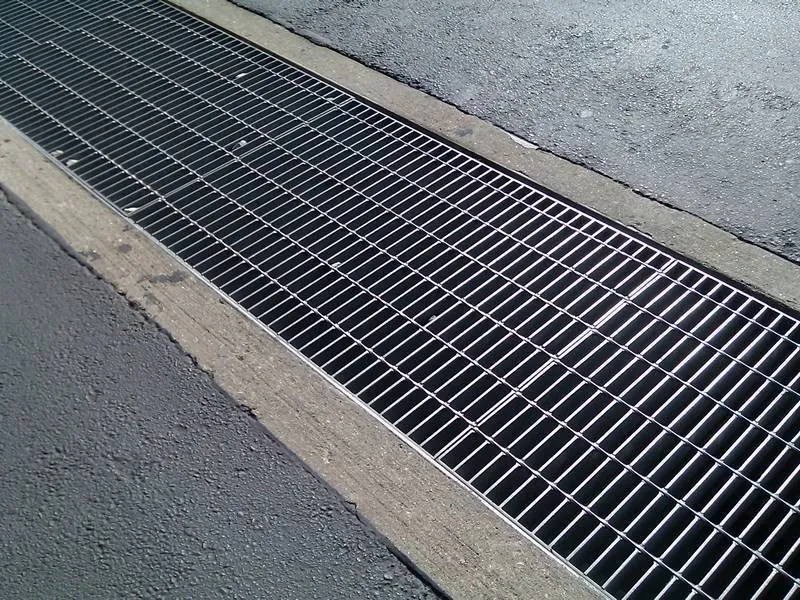
Drainage covers that keep water moving and traffic safe — from pedestrian channels to truck crossings.
View applicationFabrication & QC
Packaging
FAQ
We aim to reply within one business day during published business hours.