
Matched to Real Operating Conditions
Industrial Platform Grating
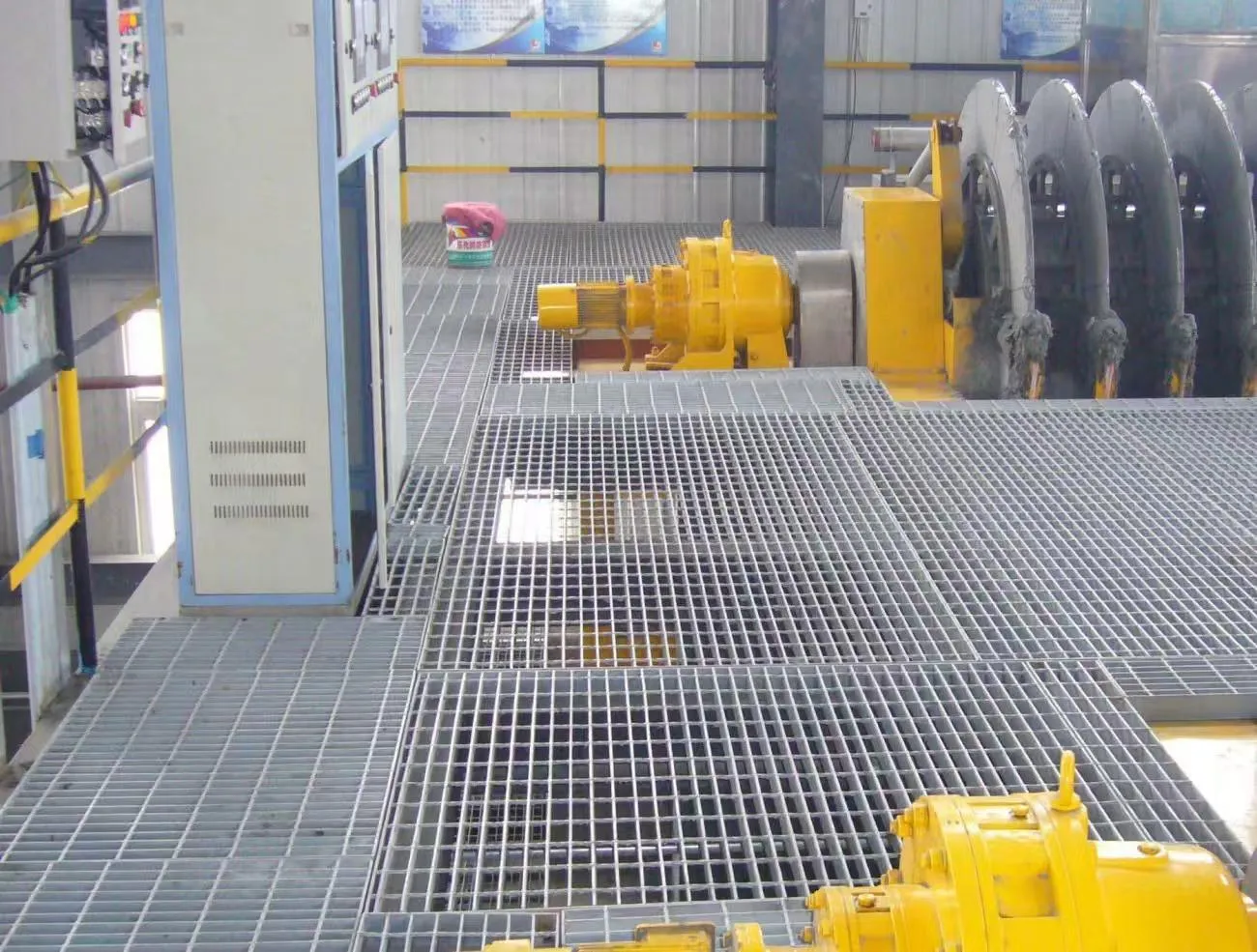
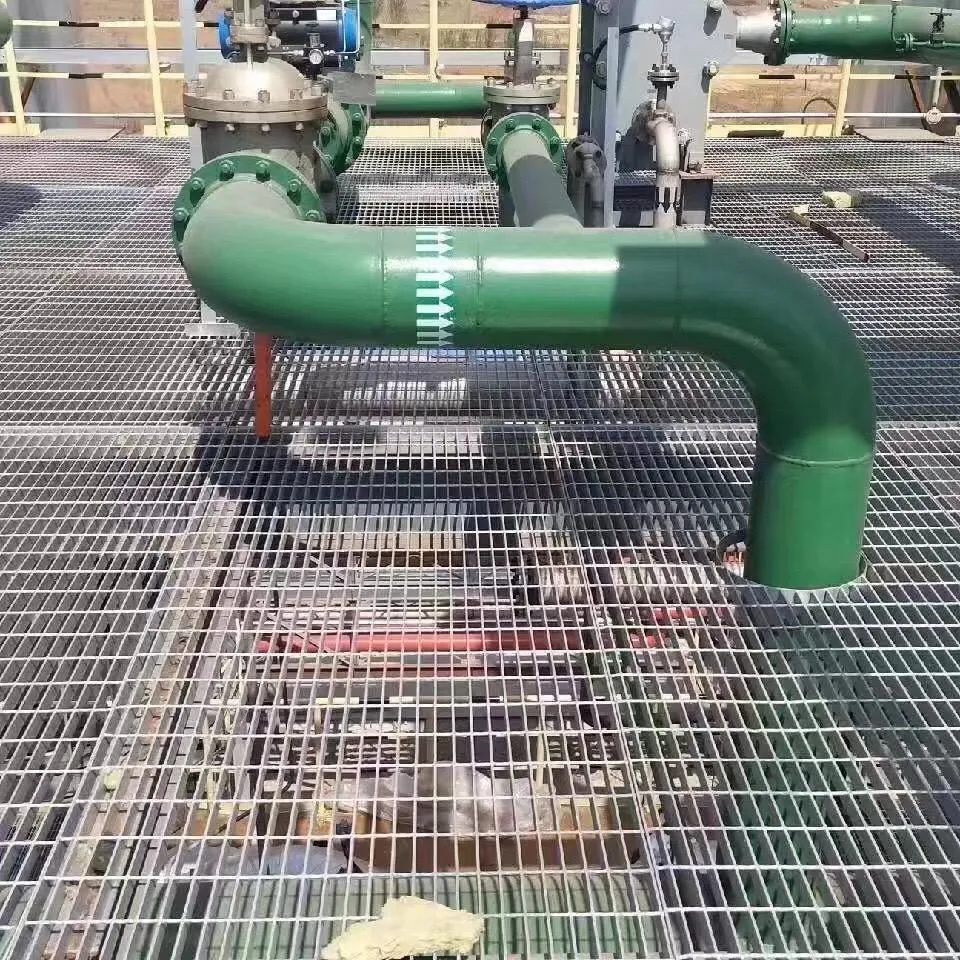
Industrial platforms demand flooring that carries people and equipment safely, drains liquids, passes light and air, and installs fast around complex steelwork. Steel bar grating does all four — which is why it floors chemical plant platforms, energy facilities and processing lines worldwide.
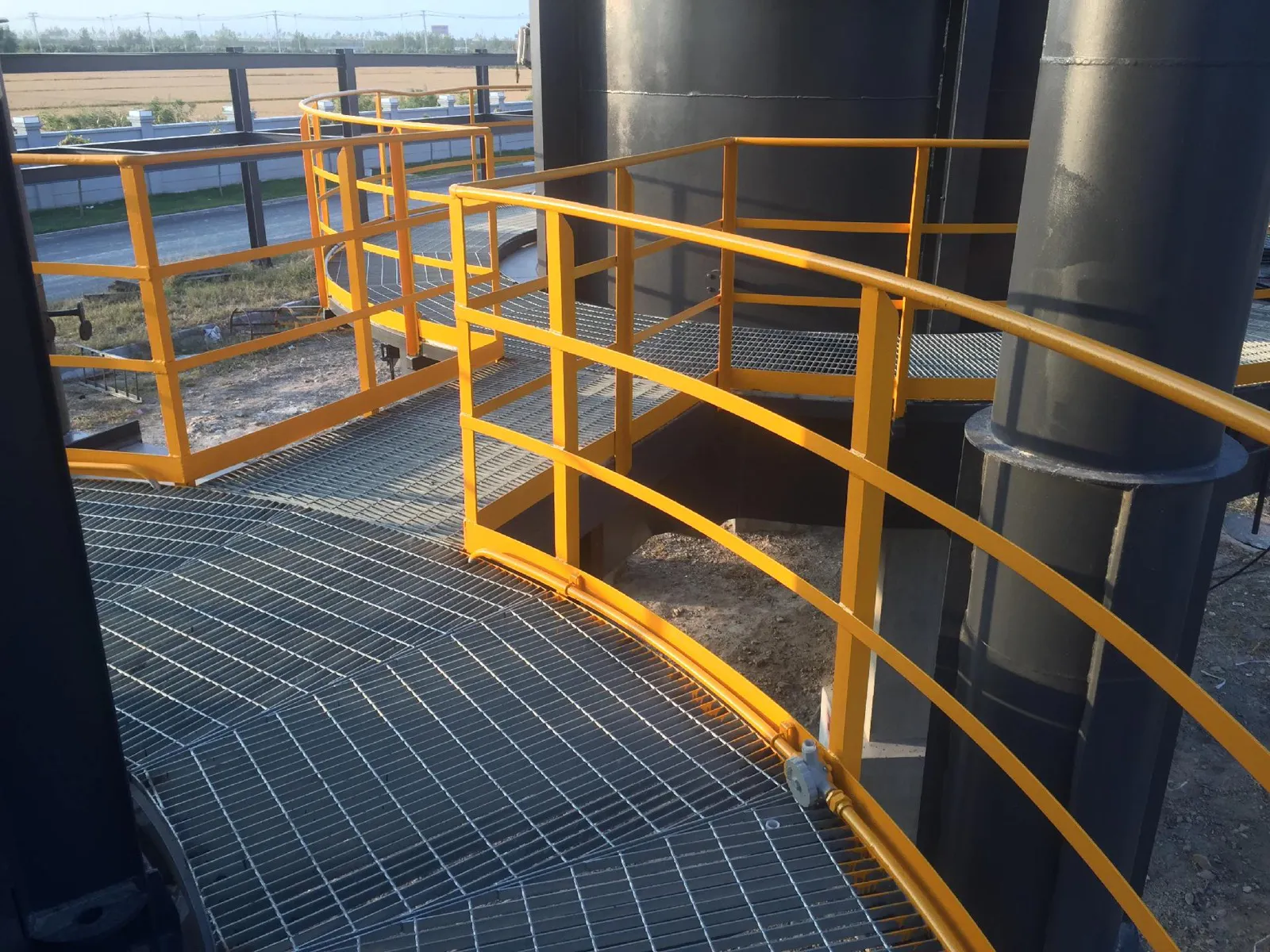
Gallery
Application Gallery
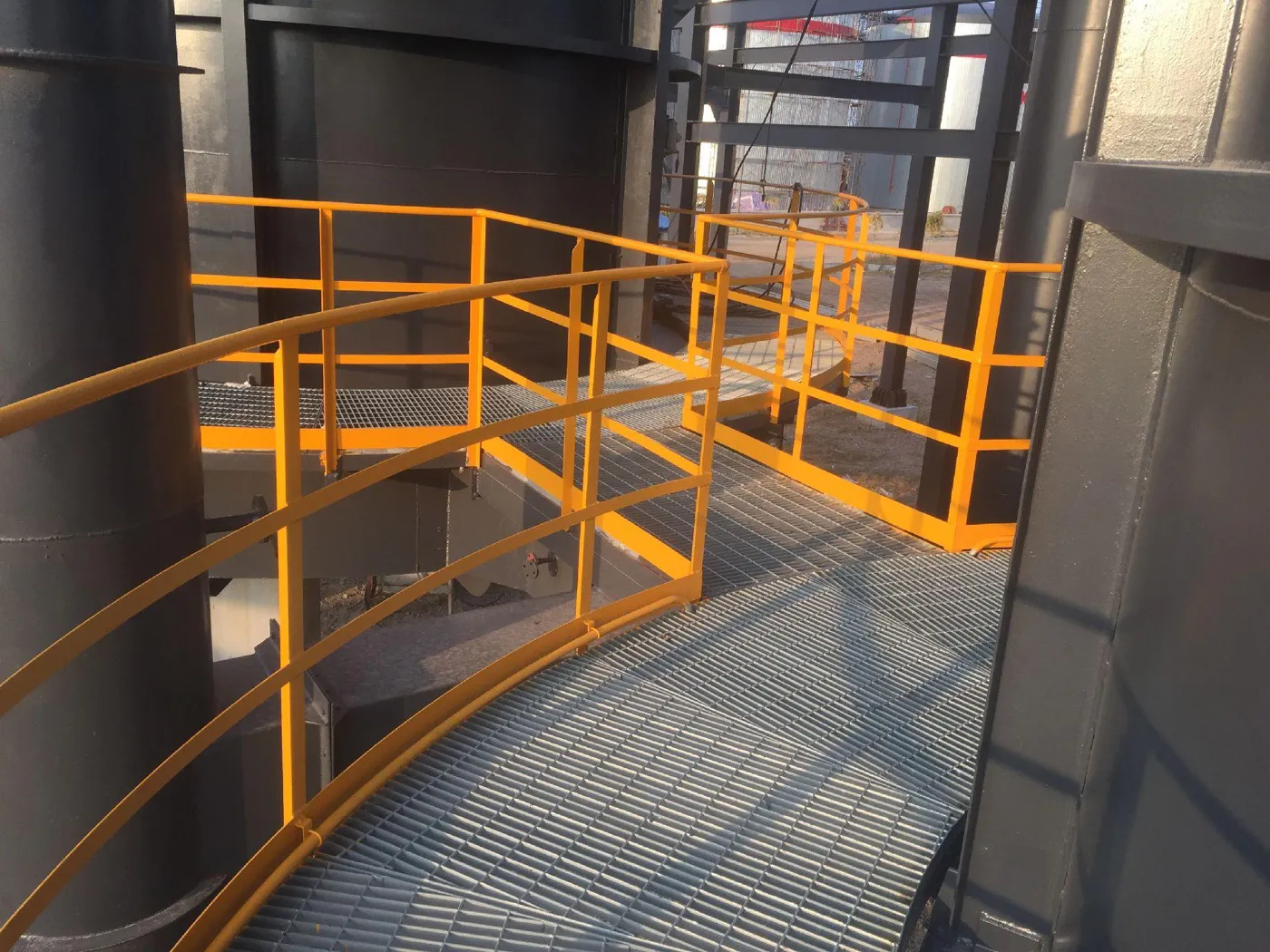
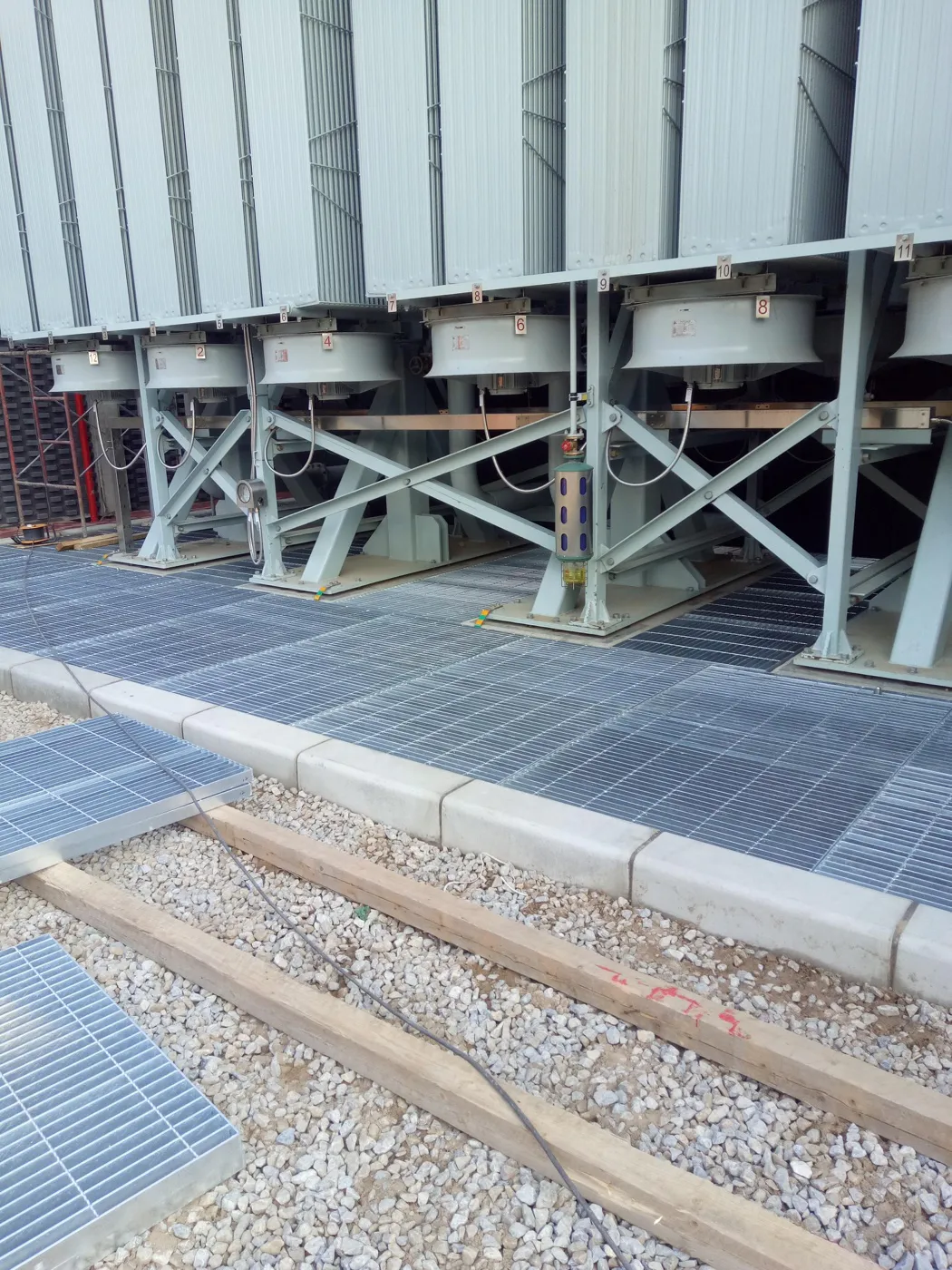
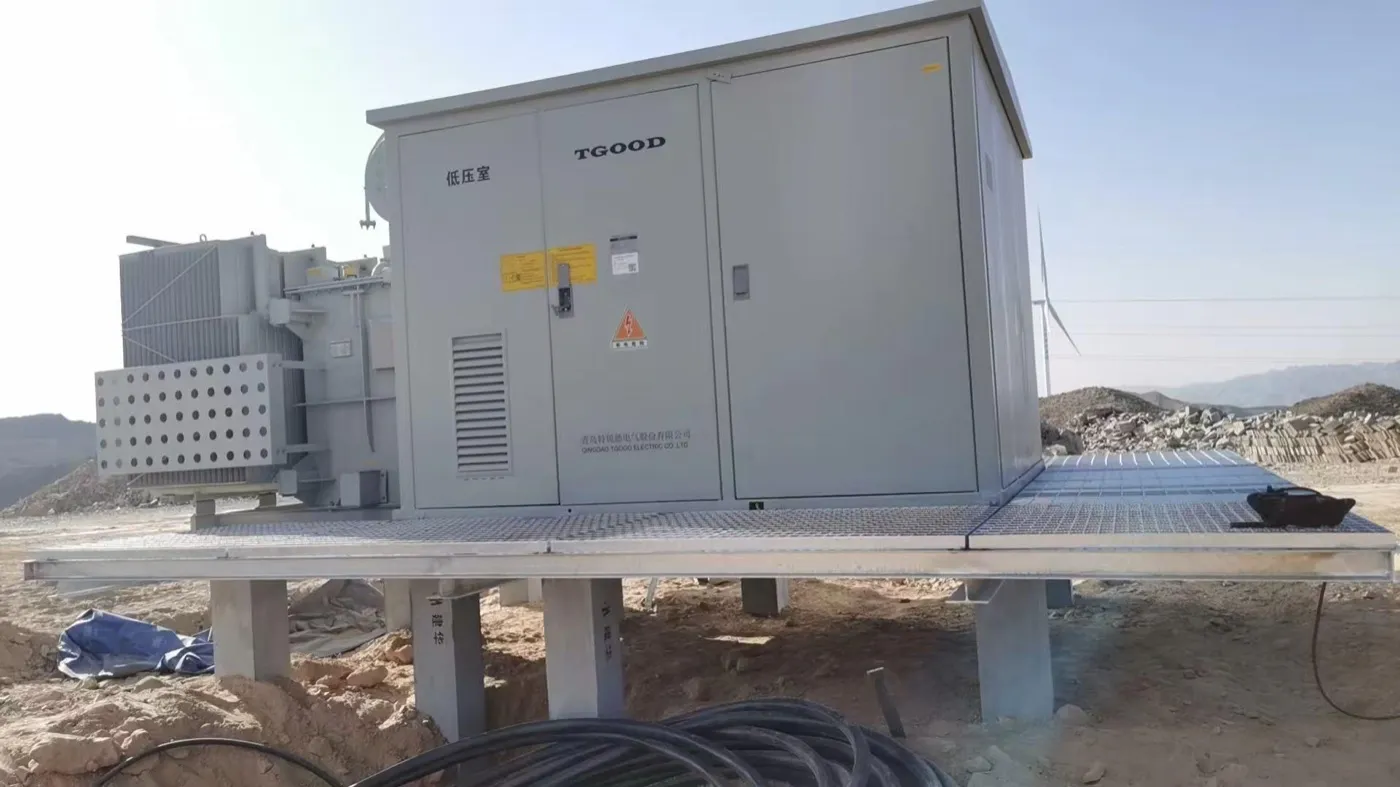
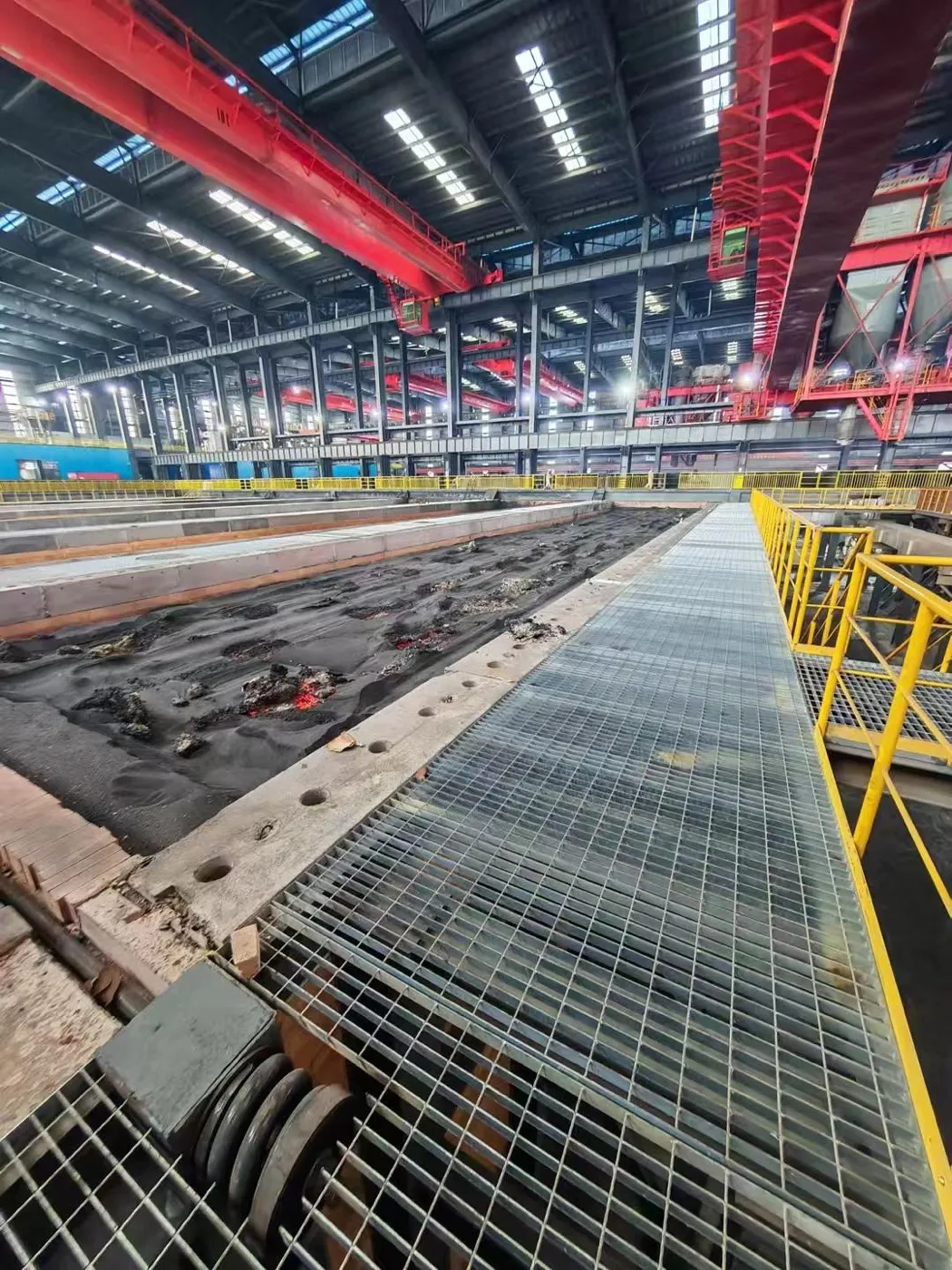
The Challenge
What This Application Demands
Spills and rainwater must drain through the floor, not pond on it
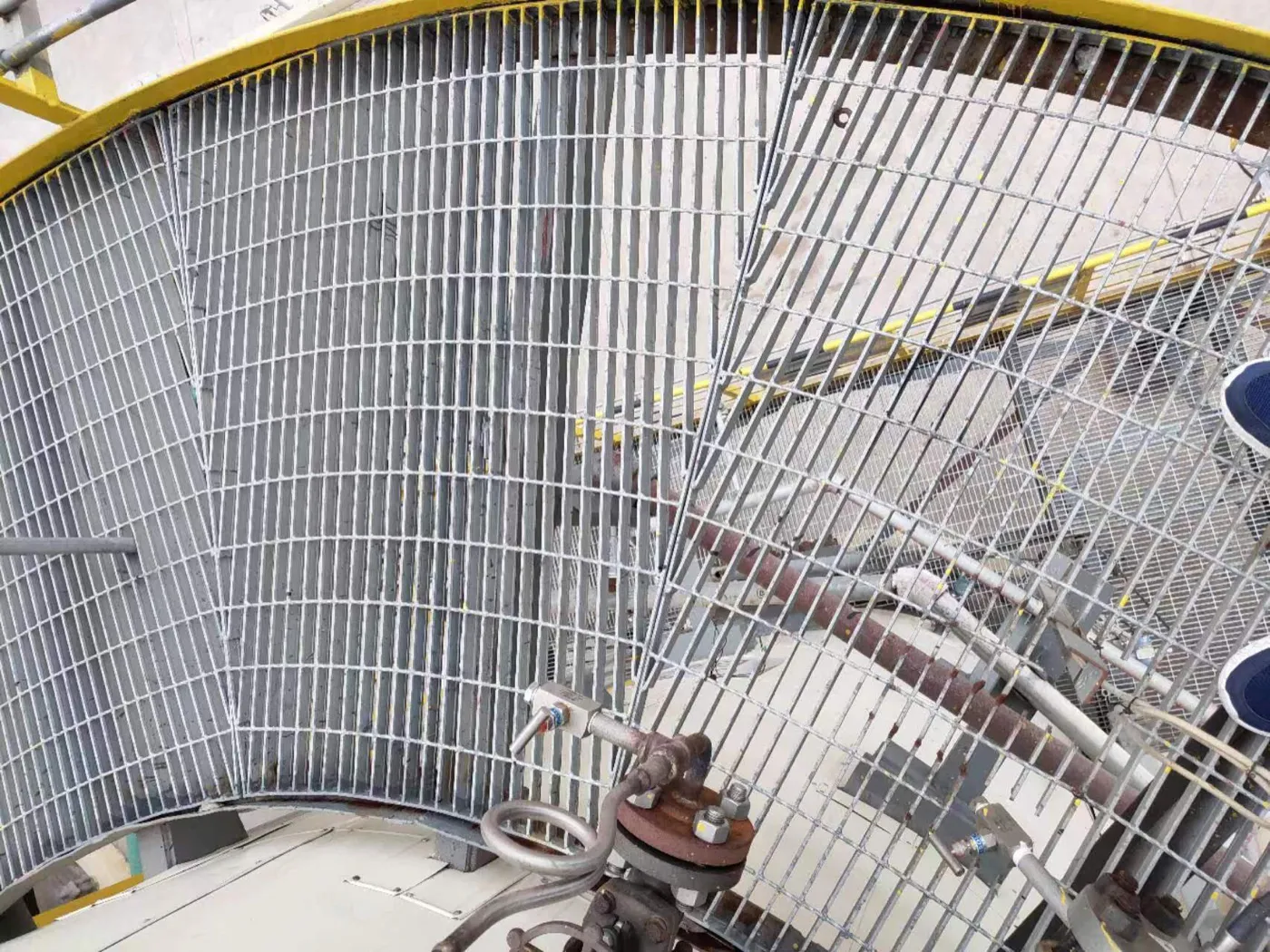
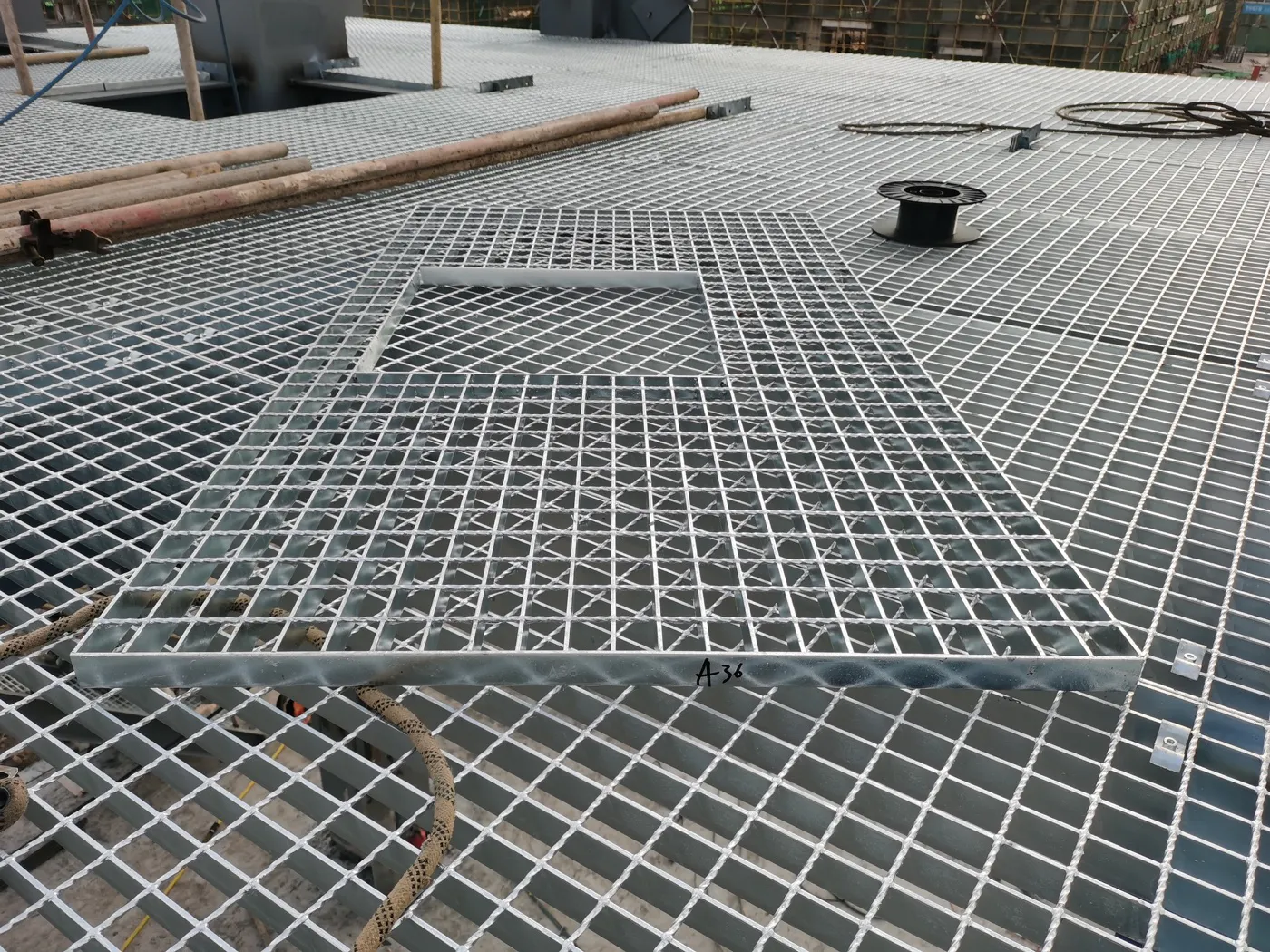
Platforms wrap around vessels, pipes and columns — every panel is different
Slip risk rises with oil films, weather and washdown
Panels must be removable for equipment maintenance access
Requirements
Specification Requirements
Confirm these points before ordering — they define the grating.
Load
- Define uniform load and any concentrated equipment loads
- State forklift or trolley traffic if present
- Support span governs bearing bar size — measure it accurately
Slip resistance
- Serrated surface for outdoor, oily or washdown areas
- Plain surface acceptable for dry indoor platforms
- Consider serrated nosings on connecting stair treads
Corrosion
- Hot-dip galvanized after fabrication for outdoor platforms
- Stainless 316L for chemical splash or coastal air
- Zinc coating per ASTM A123 / ISO 1461, verified by reports
Layout & installation
- Provide platform layout drawings for panel detailing
- Cut-outs and banding for columns, pipes and vessel nozzles
- Clips for removable panels; welding for permanent areas
Gratings
Recommended Grating Series
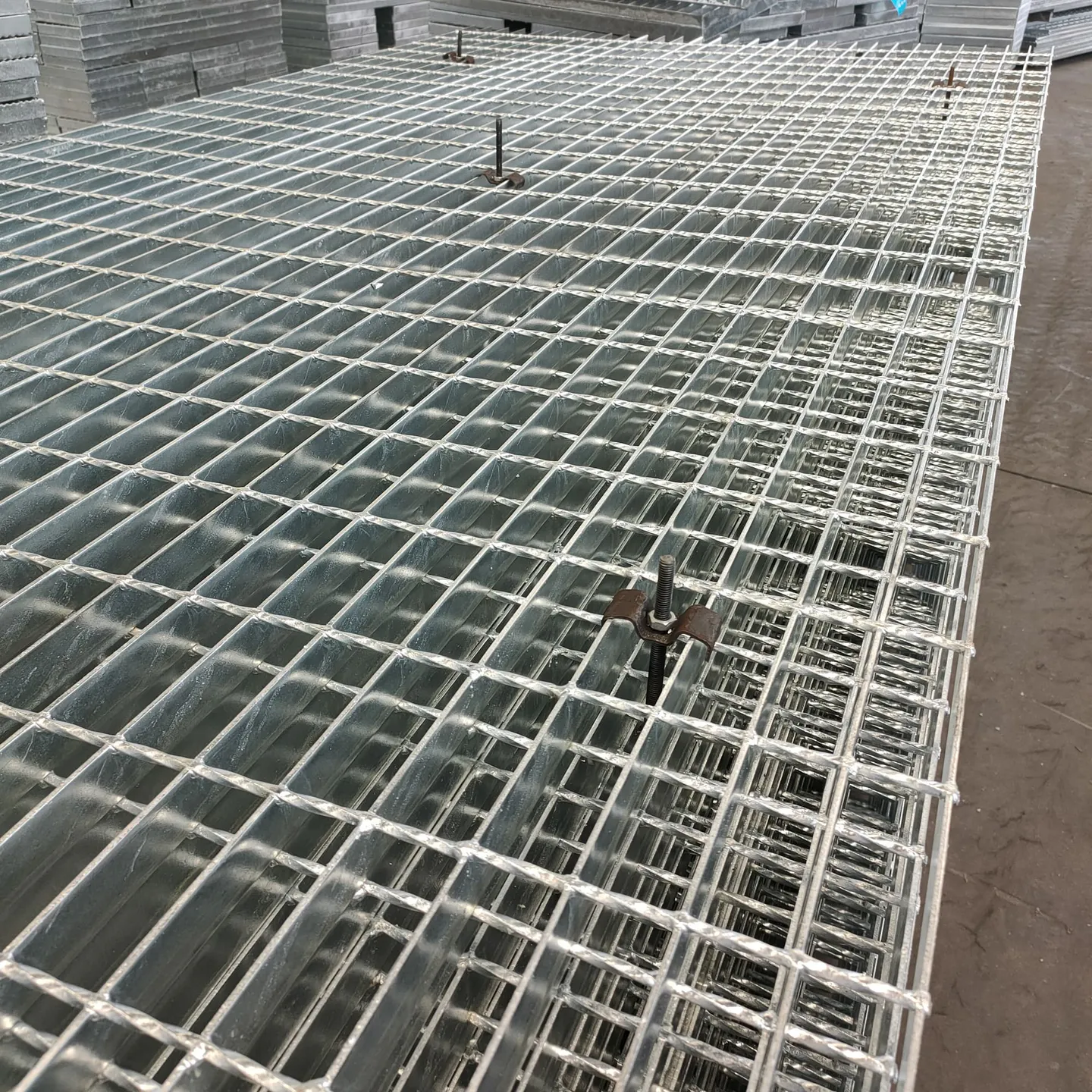
Galvanized Steel Grating
Hot-dip galvanized after fabrication for long-term corrosion protection on outdoor platforms, walkways and trench covers.
View product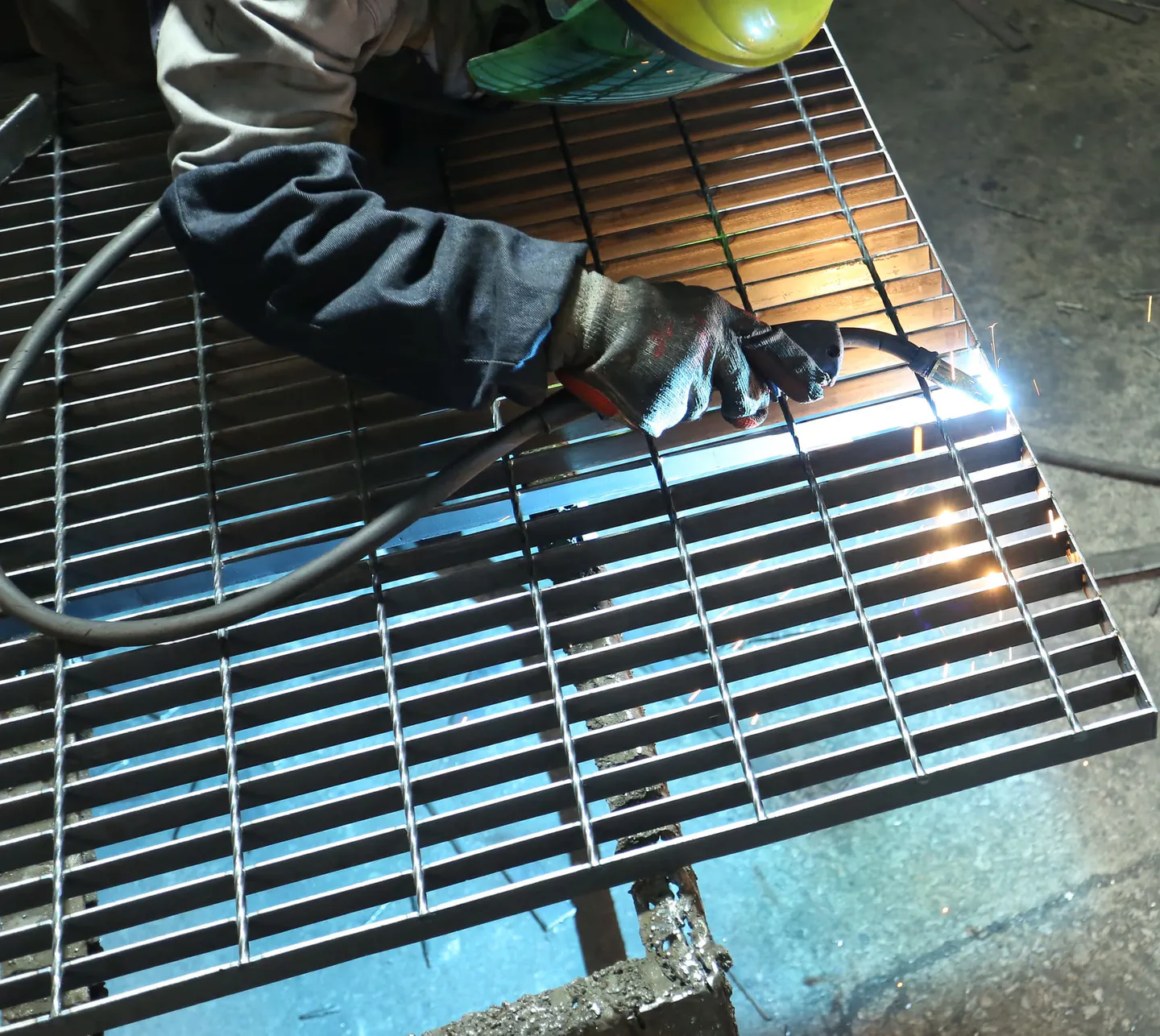
Welded Steel Grating
Press-welded bearing bars and cross bars — the most common, economical grating for platforms, walkways and trench covers.
View product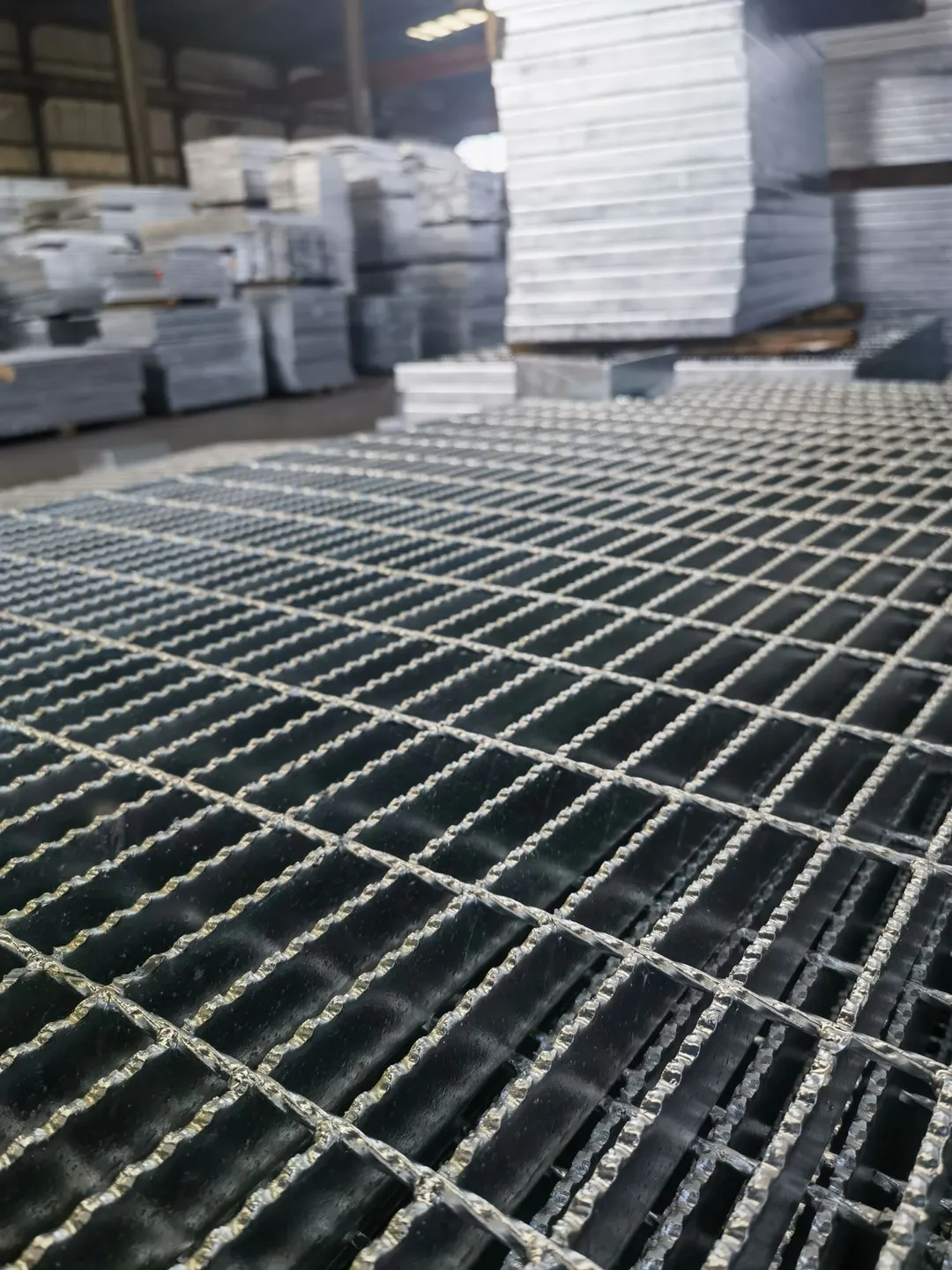
Serrated Steel Grating
Serrated bearing bars for added traction where wet, oily, snowy or inclined conditions are identified.
View product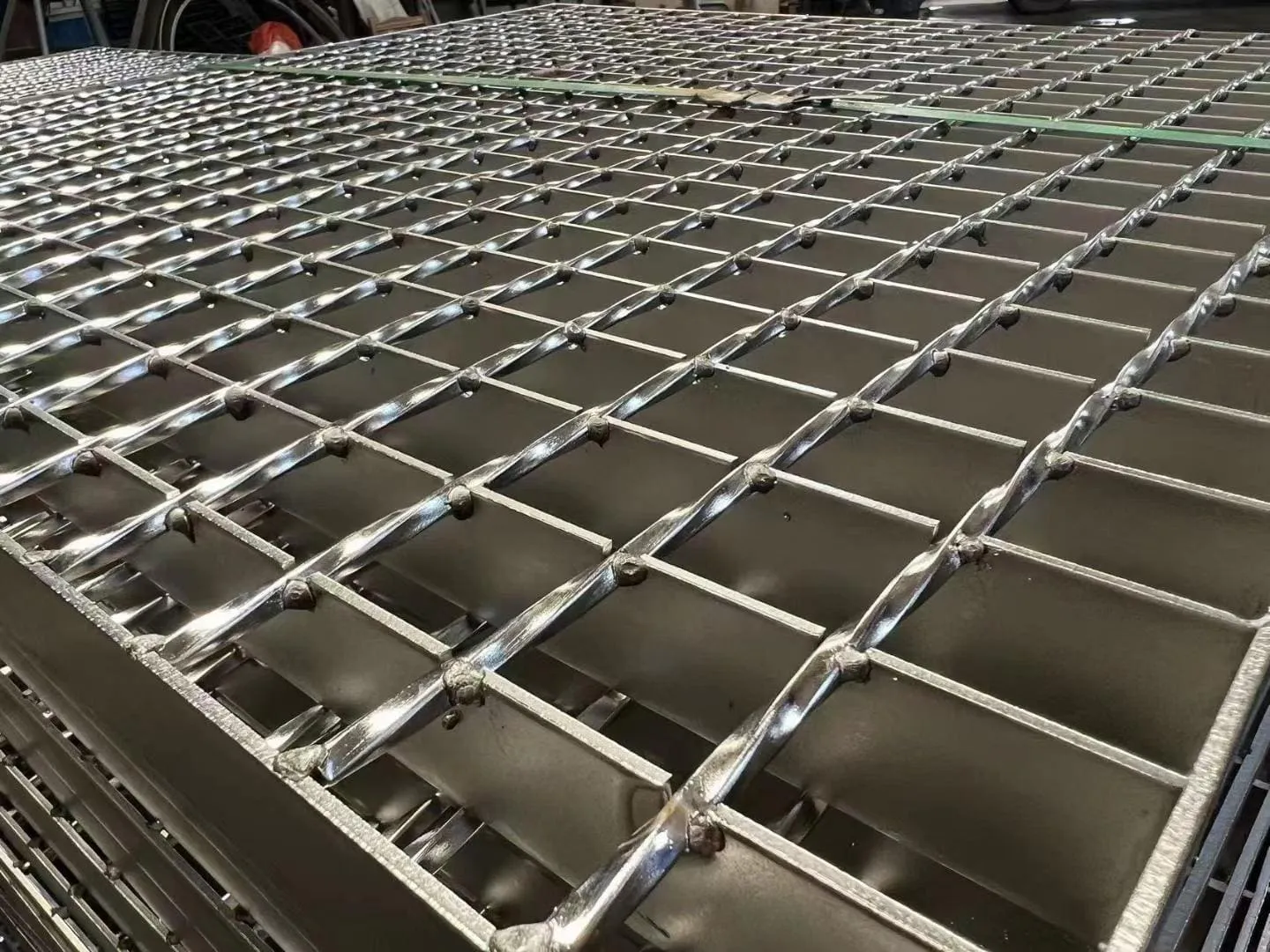
Stainless Steel Grating
SS304/316L grating for chemical, food-grade, coastal and hygienic environments — passivated or electro-polished.
View productMaterial & finish selection
- Standard outdoor platform: Q235 carbon steel, hot-dip galvanized after fabrication.
- Chemical or coastal atmosphere: SS316L, pickled and passivated.
- Indoor dry mezzanine: mill finish or painted carbon steel to save cost.
- Long spans or heavy equipment: Q355 high-strength steel sections.
Inquiry
What to Send Us
These parameters let us confirm the specification and prepare a quote with fewer clarification rounds.
- Platform layout drawings (PDF or CAD) with support steel positions
- Support span in the bearing bar direction
- Uniform and concentrated load requirements
- Environment: indoor / outdoor, chemical exposure, washdown
- Surface preference: plain or serrated
- Cut-outs, toe plates, banding and clip requirements
- Quantity in square meters or panel count
Installation
Installation Notes
- Panels are tagged to match layout drawings — install in the numbered sequence.
- Use saddle clips where panels must stay removable for maintenance.
- Weld fixing is acceptable for permanent areas; clip fixing avoids damaging the zinc coating.
- Toe plates belong on all open platform edges to stop falling objects.
FAQ
Industrial Platform Grating FAQs
How do I specify grating for a platform with many cut-outs?
Which grating spacing is typical for platforms?
Can grating panels be made removable?
Is galvanized grating slippery when wet?
Send Your Drawings, Get a Confirmed Specification
We aim to reply within one business day during published business hours.