DONGFU GRATING logo

Engineered Around Your Load & Span

I-Bar Grating

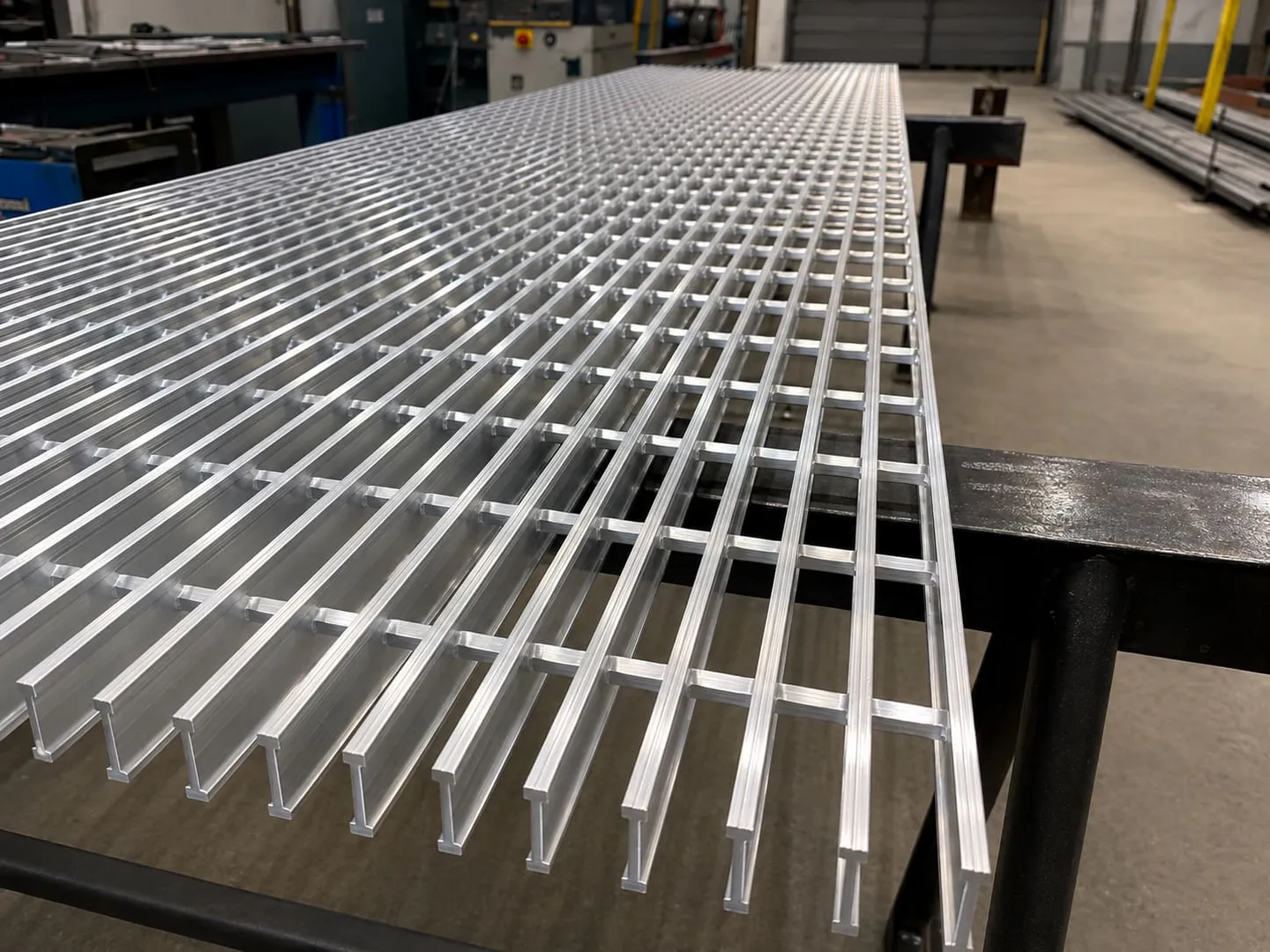
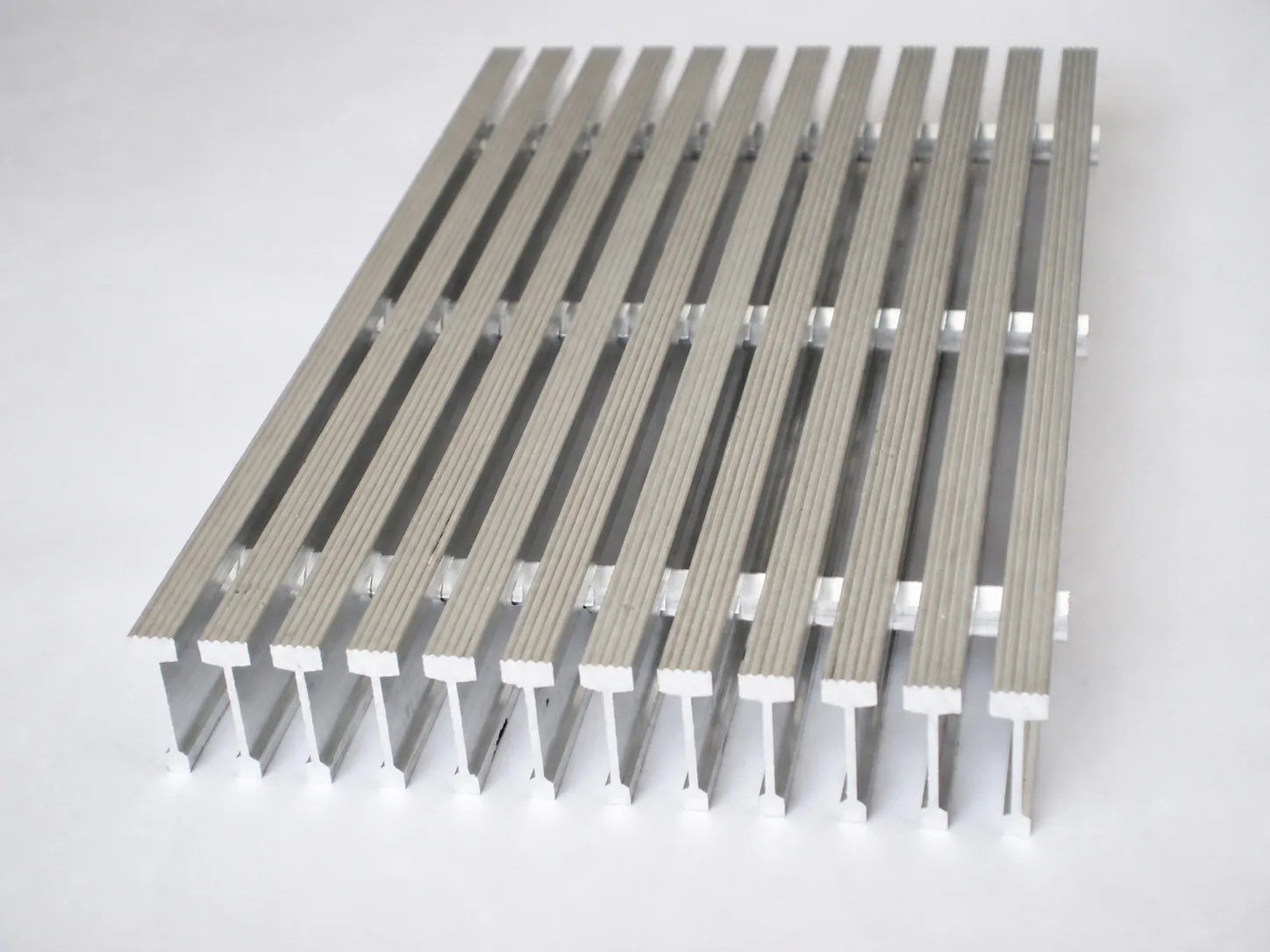
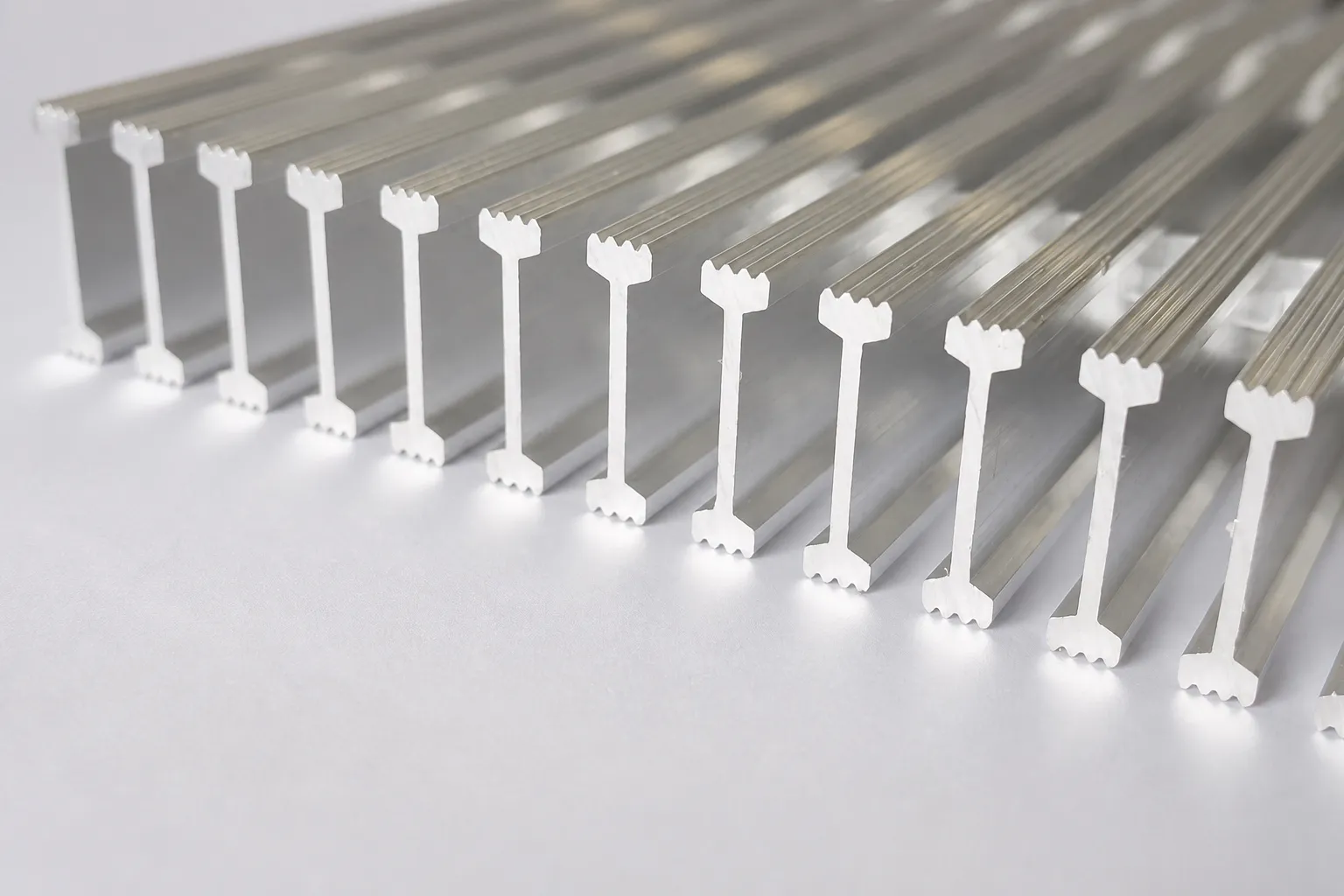
I-bar grating uses a bearing bar with wider flanges and a narrower web instead of a solid rectangular section. The profile places material where it contributes efficiently, making it a practical lightweight option—commonly in aluminum systems—when the selected span and load fall within its confirmed range.

  • I-shaped bearing profile with visible flange and web
  • Lower material use than a comparable solid rectangular profile
  • Common in lightweight aluminum grating systems
  • Profile series confirmed against span and load
Close-up of aluminum grating bearing bars with visible I-shaped profiles
I-shaped profile Weight-efficient Common in aluminum Series confirmed per project

I-bar versus rectangular bearing bars

A rectangular bearing bar keeps the same thickness through its depth. An I-bar narrows the web and retains wider flanges, reducing material while preserving useful section depth. That can lower panel weight for handling and supporting structures, but the profile cannot be substituted by appearance alone.

Compare the actual profile series, alloy, clear span, load type, deflection criterion and bearing direction. Where a rectangular bar or another construction is more suitable, use the related product route rather than forcing an I-bar into the specification.

Variants

Recommended Types

Plain I-bar profile

A smooth top flange for dry or controlled areas where additional slip resistance is not specified.

Serrated I-bar profile

A profiled walking edge considered for wet or exposed access; exact surface is confirmed per project.

Alloy choice for I-bar profiles

I-bar grating is commonly associated with extruded aluminum because extrusion can form the flange-and-web profile consistently. The alloy, temper, profile geometry, cross-bar arrangement and surface finish must be evaluated as one system; a profile from one series is not automatically equivalent to another.

Select the alloy and finish from the environment and fabrication route, then verify capacity from the actual profile data. Anodizing, powder coating or mill finish can be considered where applicable, with color and finish requirements confirmed against the order.

  • Request the exact profile series rather than a generic I-bar description
  • Confirm alloy, temper, span, load and deflection together
  • Check serrated or plain surface against the slip environment
  • Keep rectangular-bar and welded alternatives as separate selections

Fabrication & QC

Fabrication & Quality Notes

  • Profile geometry, alloy, cross-bar arrangement and panel size are confirmed per project.
  • Cut-outs and banding details follow approved panel drawings.
  • Finished panels are protected from carbon-steel contamination during handling and packing.

Gallery

I-Bar Grating in Detail

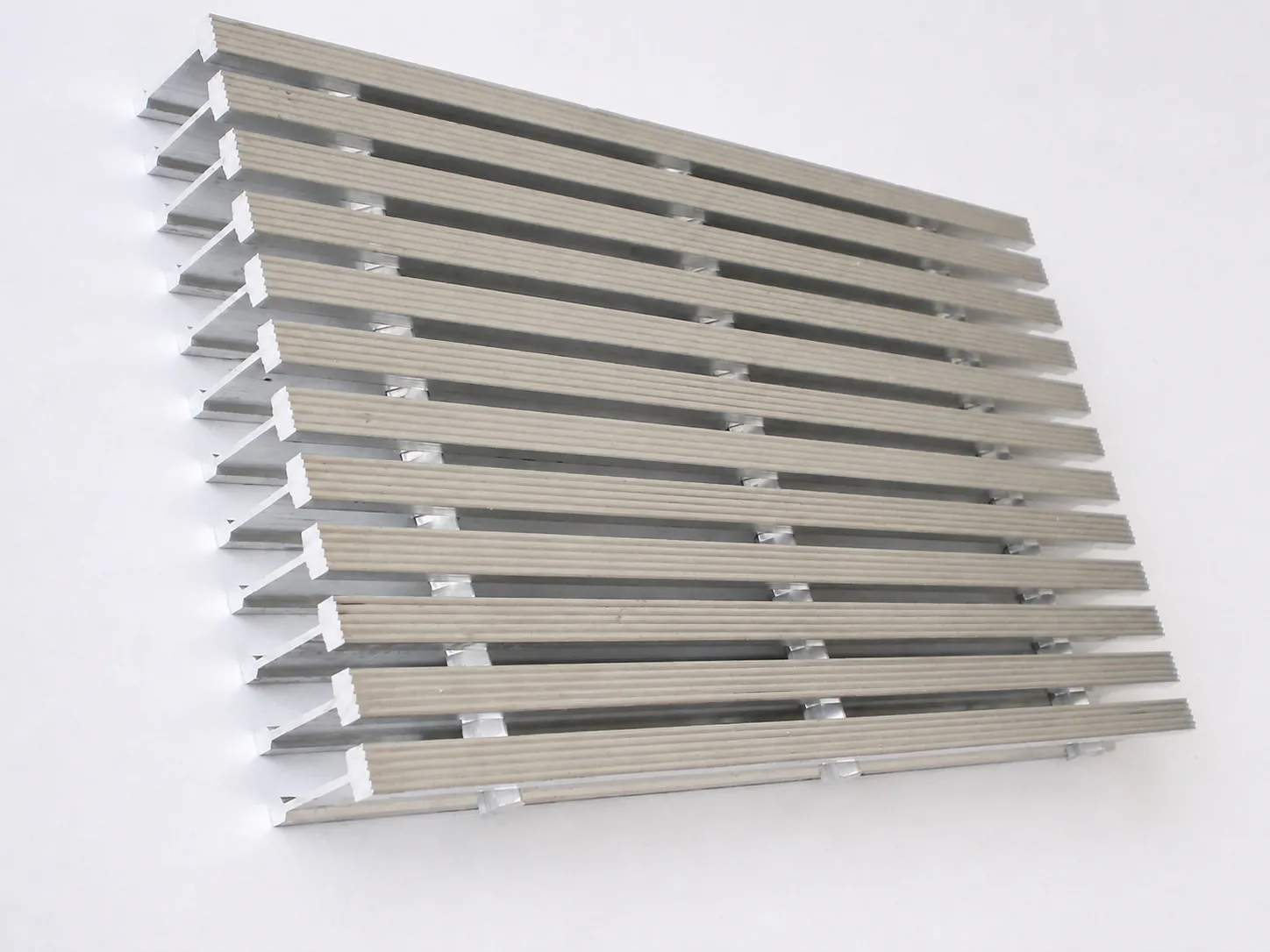
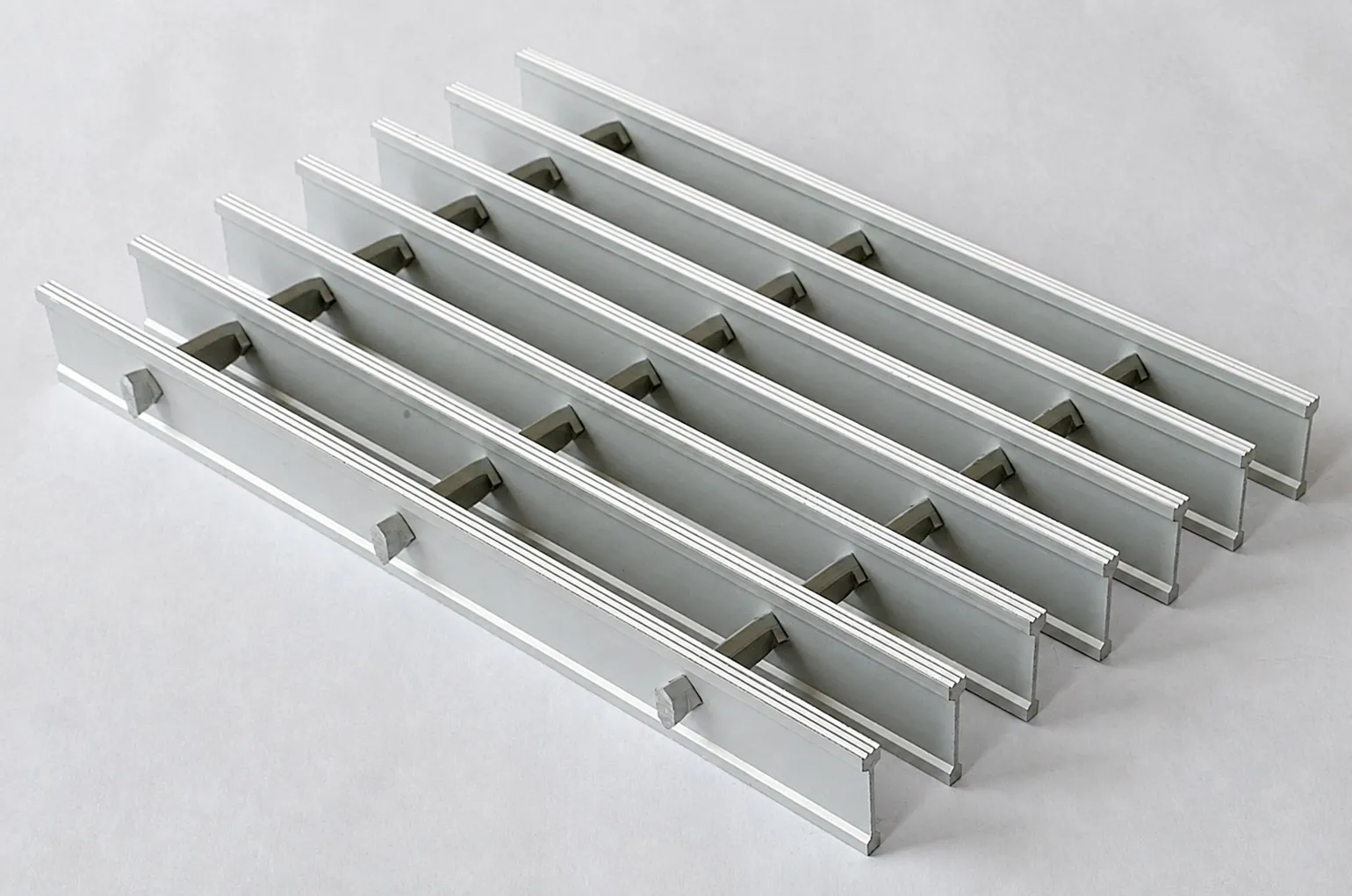
Ends of aluminum I-shaped bearing bars showing flange and narrow webClose view between aluminum I-bars and their cross-bar connectionsStacked finished aluminum grating panels in a workshop

FAQ

I-Bar Grating FAQs

Is I-bar grating always aluminum?
It is commonly supplied as an aluminum profile, but the actual material and series must be confirmed from the project specification and available construction.
Is an I-bar automatically equal to a rectangular bar?
No. Compare the verified profile geometry, material, span, load type and deflection criteria. Similar depth does not prove equal capacity.
What information is needed for selection?
Provide clear span, load types, support details, environment, slip requirement, panel layout and quantity. The alloy and profile series are then confirmed per project.

Send Your Drawings, Get a Confirmed Specification

Complete inquiries are typically answered within 24 hours during business hours.