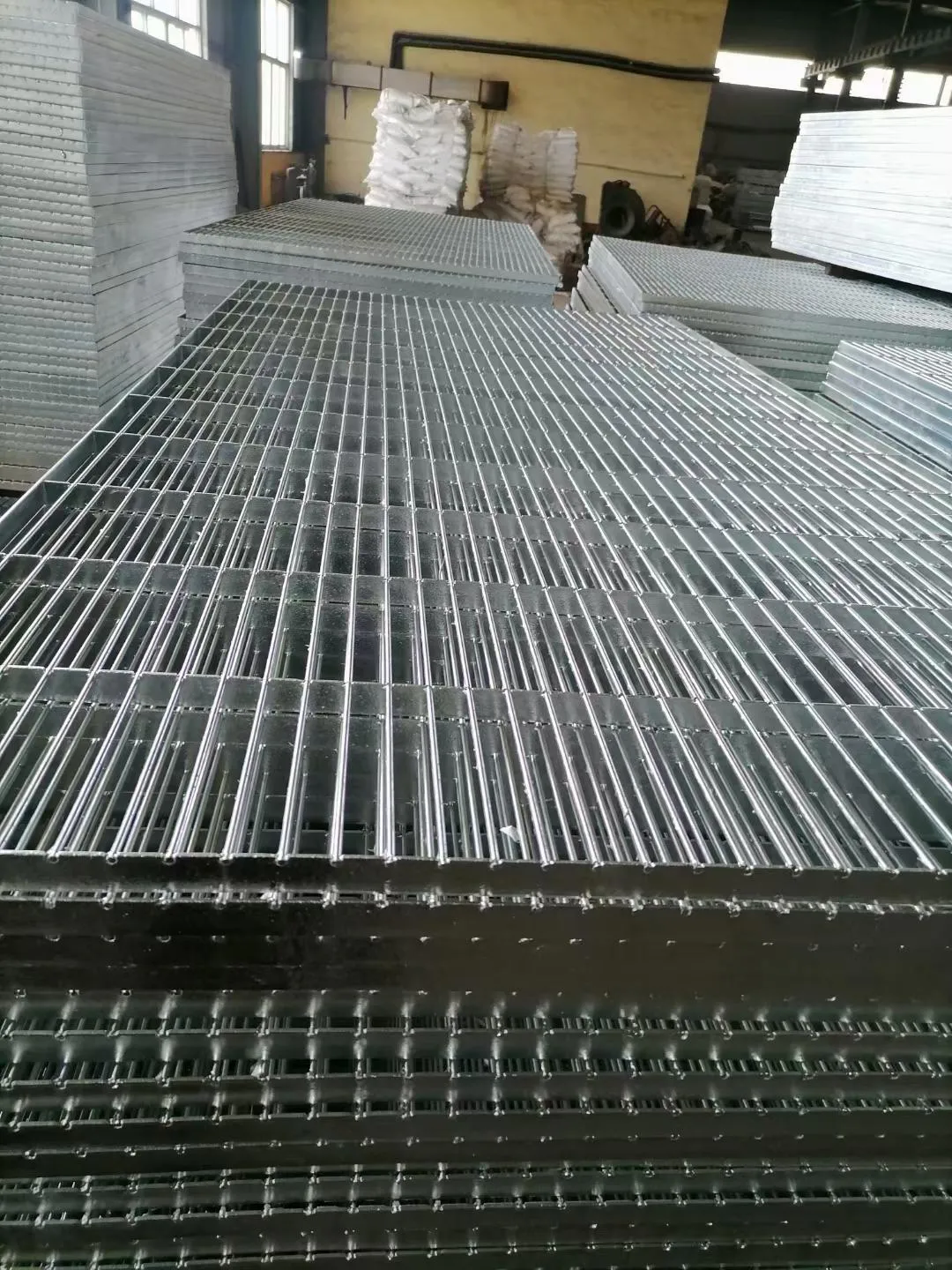
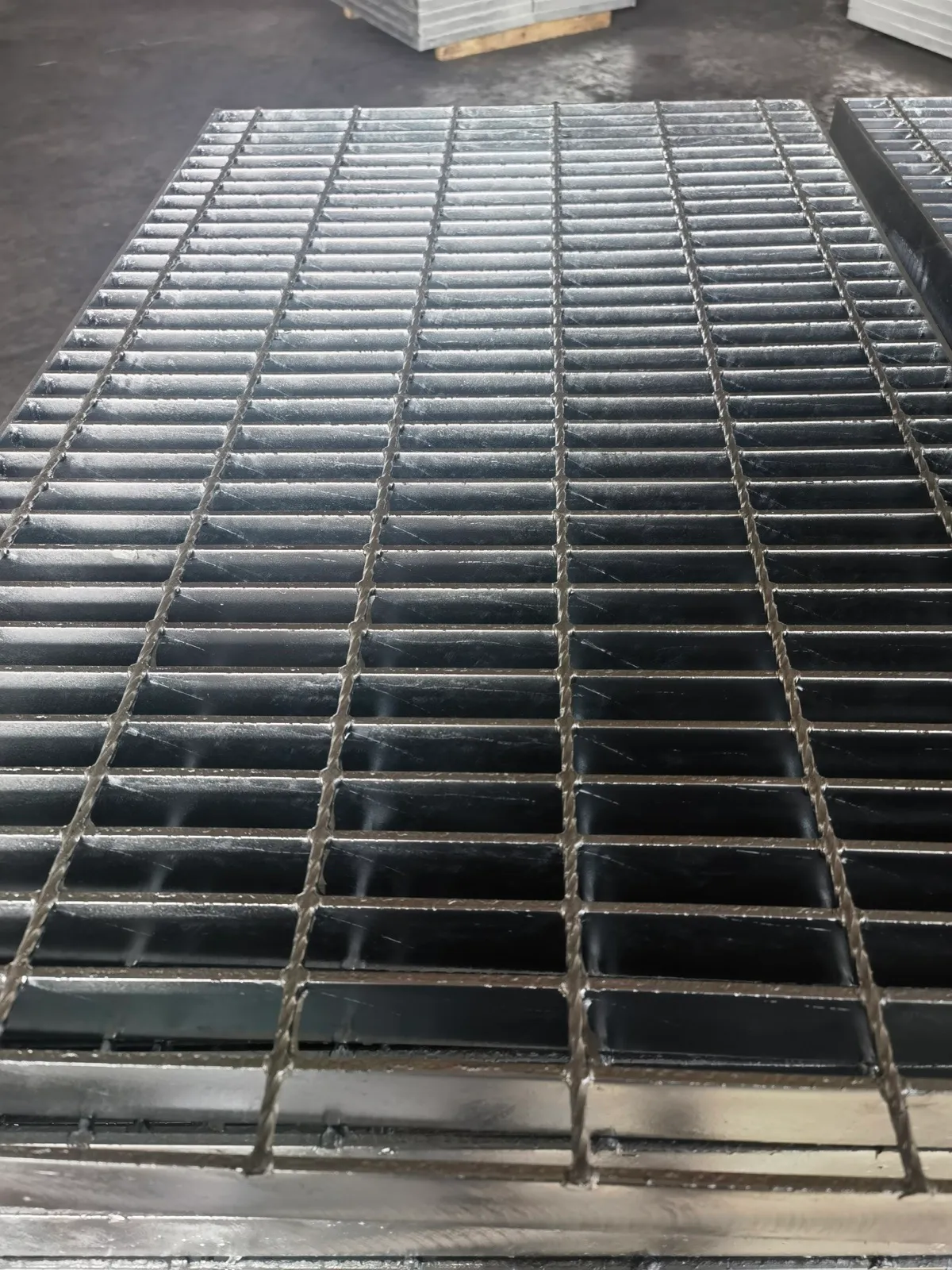
Plain surface, hot-dip galvanized
The economical standard for dry or generally clean industrial platforms, walkways and flooring.

Engineering
Steel Grating Load Tables: How to Read and Use Them Steel Grating Sizes and Dimensions: What Each Number Means Steel Grating Standards Guide: NAAMM, ASTM, ISO and Regional CodesEngineered Around Your Load & Span
Galvanized steel grating is carbon steel bar grating that is fully fabricated first — welded, cut and banded — then hot-dip galvanized as a complete panel. The applicable ASTM A123/A123M, ISO 1461 or customer requirements and inspection evidence are agreed for the order.
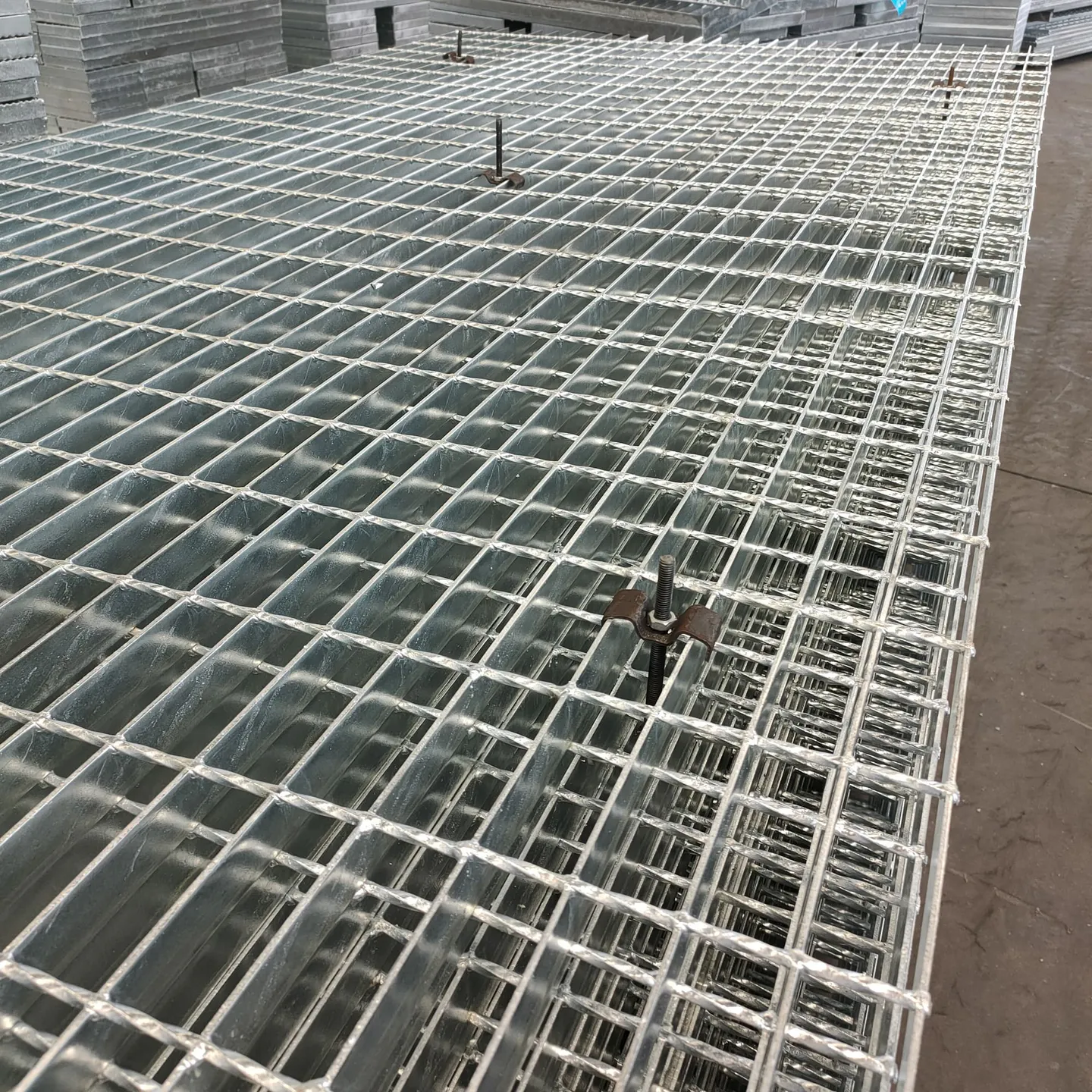
Galvanized steel grating is welded carbon steel grating protected by a hot-dip zinc coating. Unlike pre-galvanized material, the panel is completely fabricated first — bearing bars welded, panels cut to size, ends banded and cut-outs formed — and only then immersed in molten zinc. Every weld point, cut edge and drilled hole receives the same continuous coating as the flat surfaces.
This fabrication-first sequence makes hot-dip galvanizing a common choice for outdoor industrial platforms, walkways, stair treads and trench covers. Required coating thickness depends on the material category and measured steel thickness under the project-specified edition of ASTM A123/A123M, ISO 1461 or another agreed standard. Required minimums and actual readings should be stated in the order inspection documents.
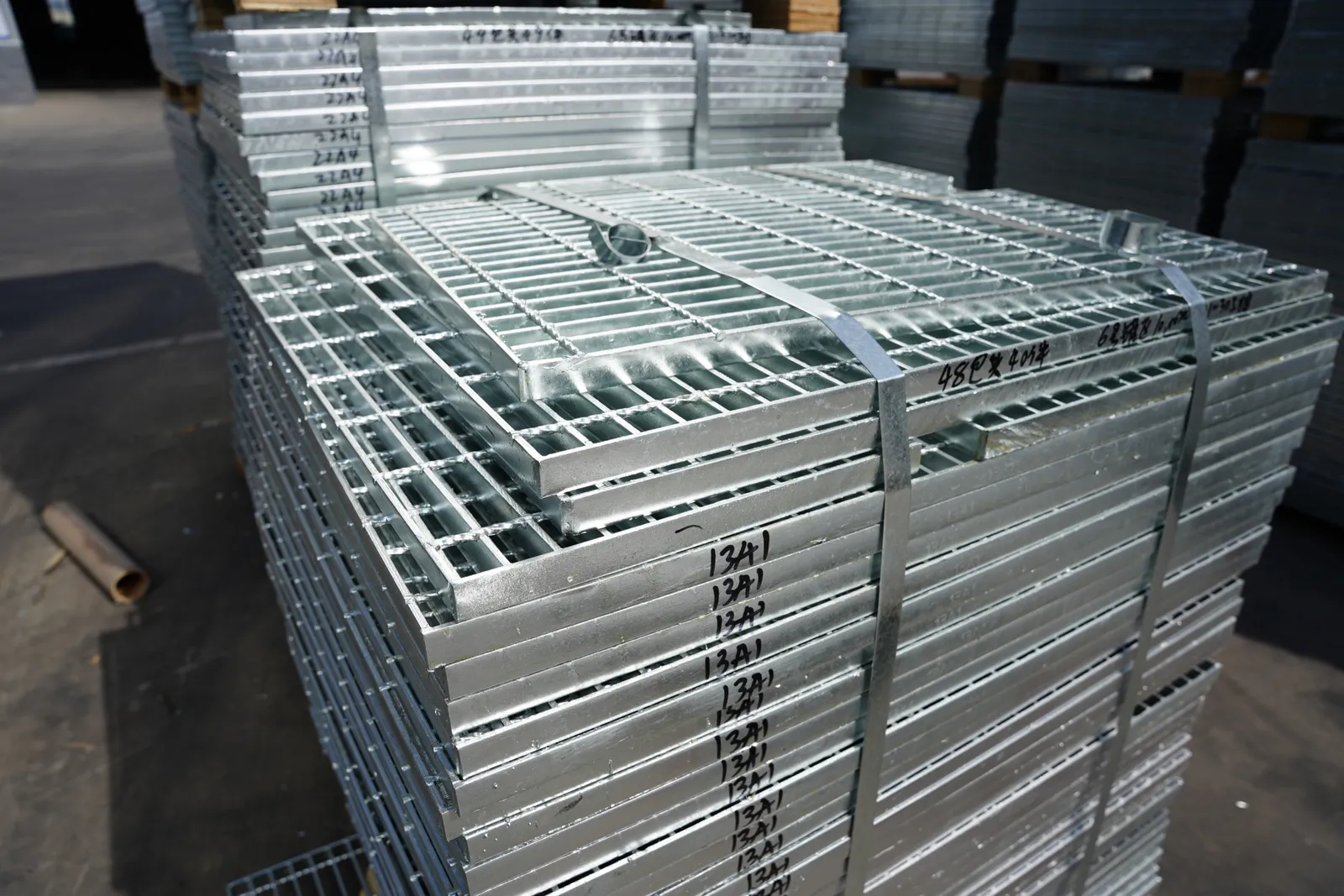
DONGFU GRATING manufactures galvanized grating to project drawings in its own steel grating factory: bearing bar size and spacing matched to the span and load, serrated bars where additional traction is requested, and panels banded, numbered and export-packed as agreed.
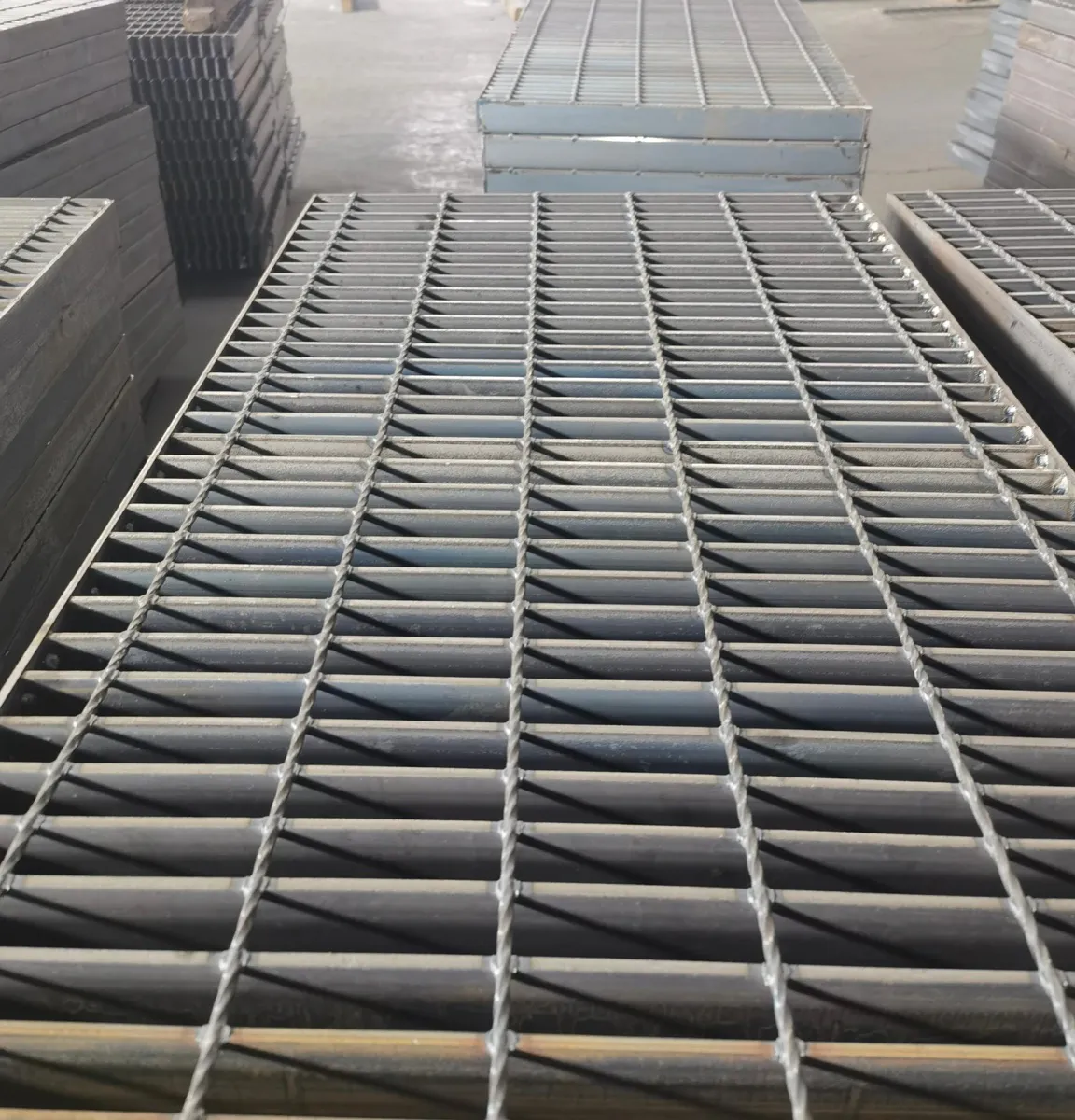
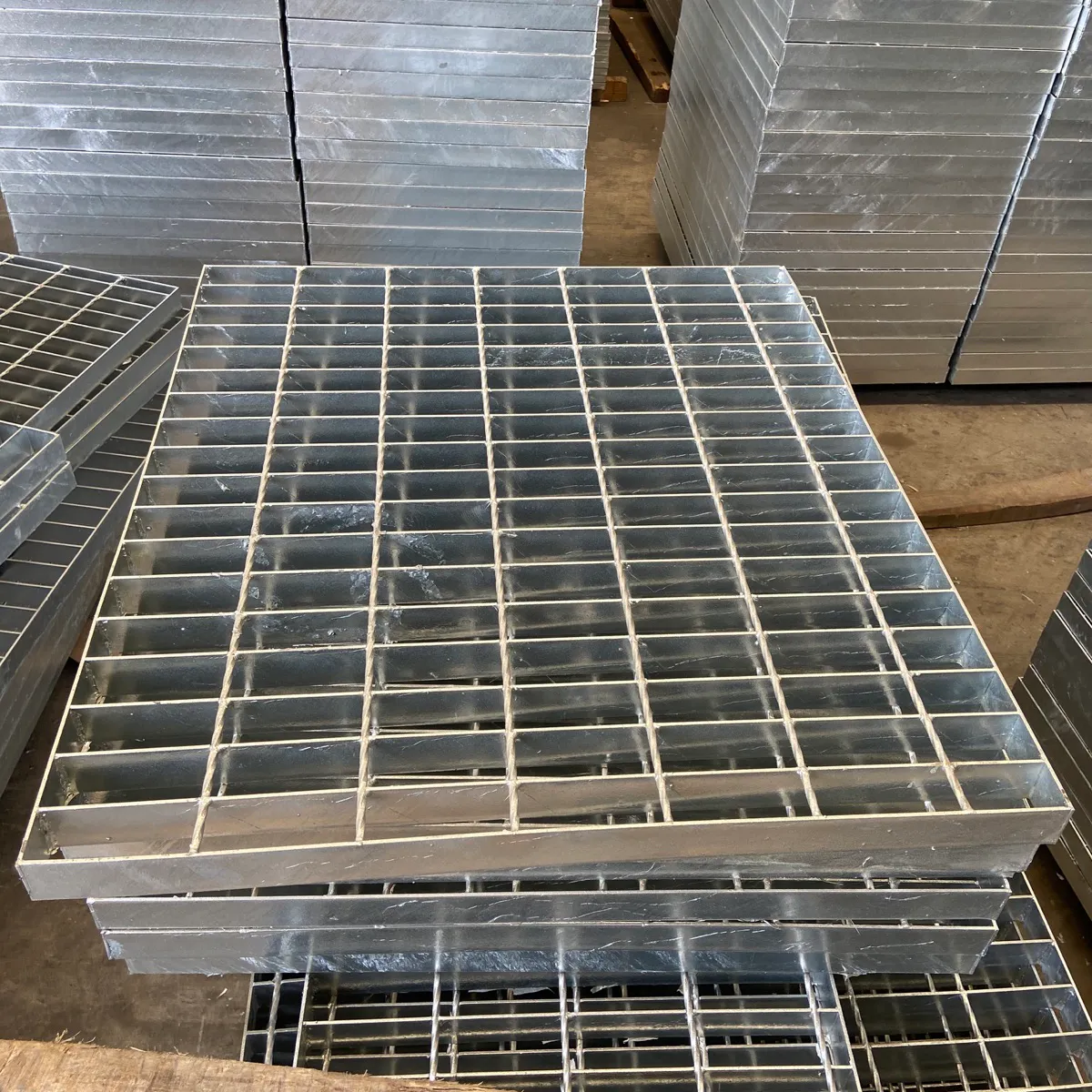
Gallery
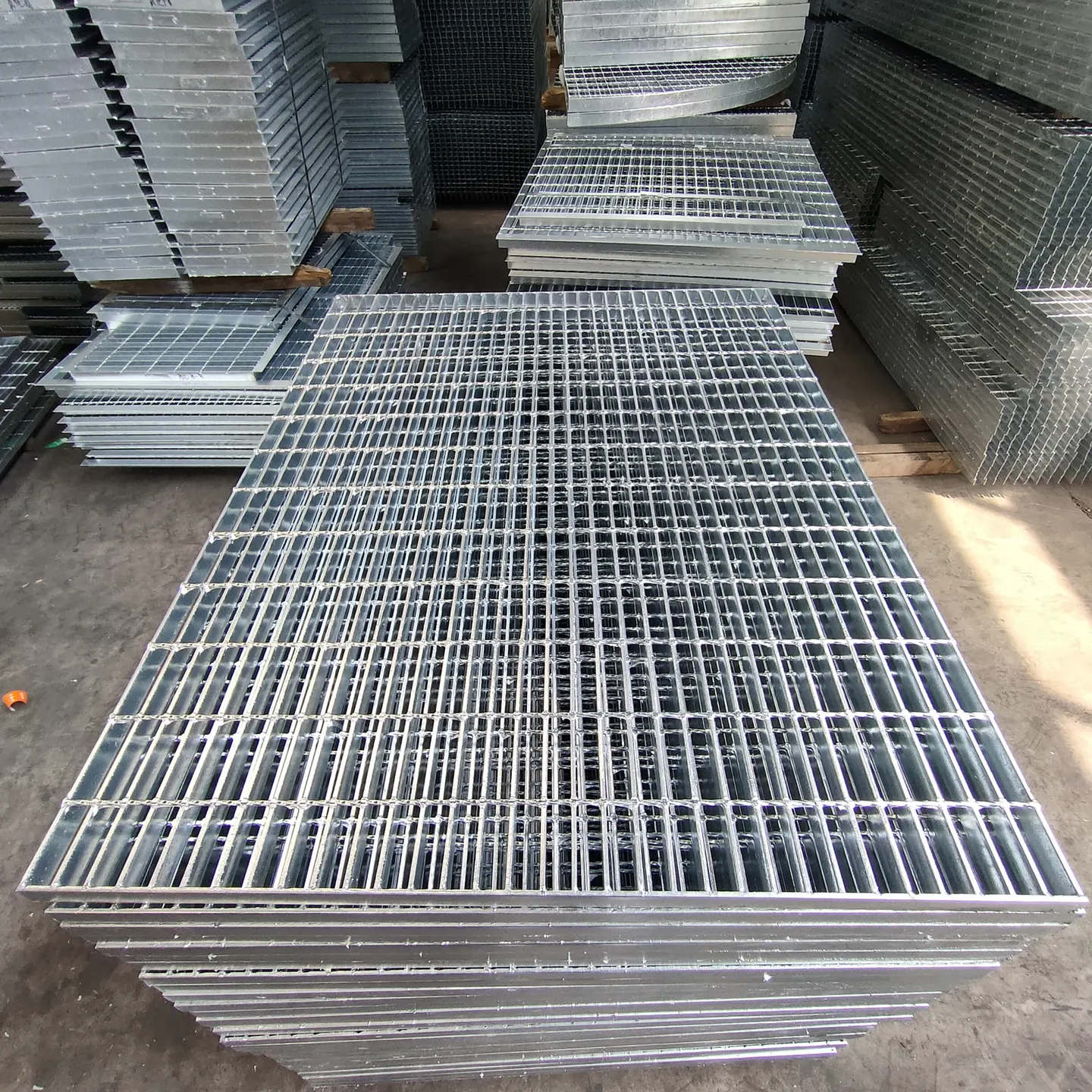
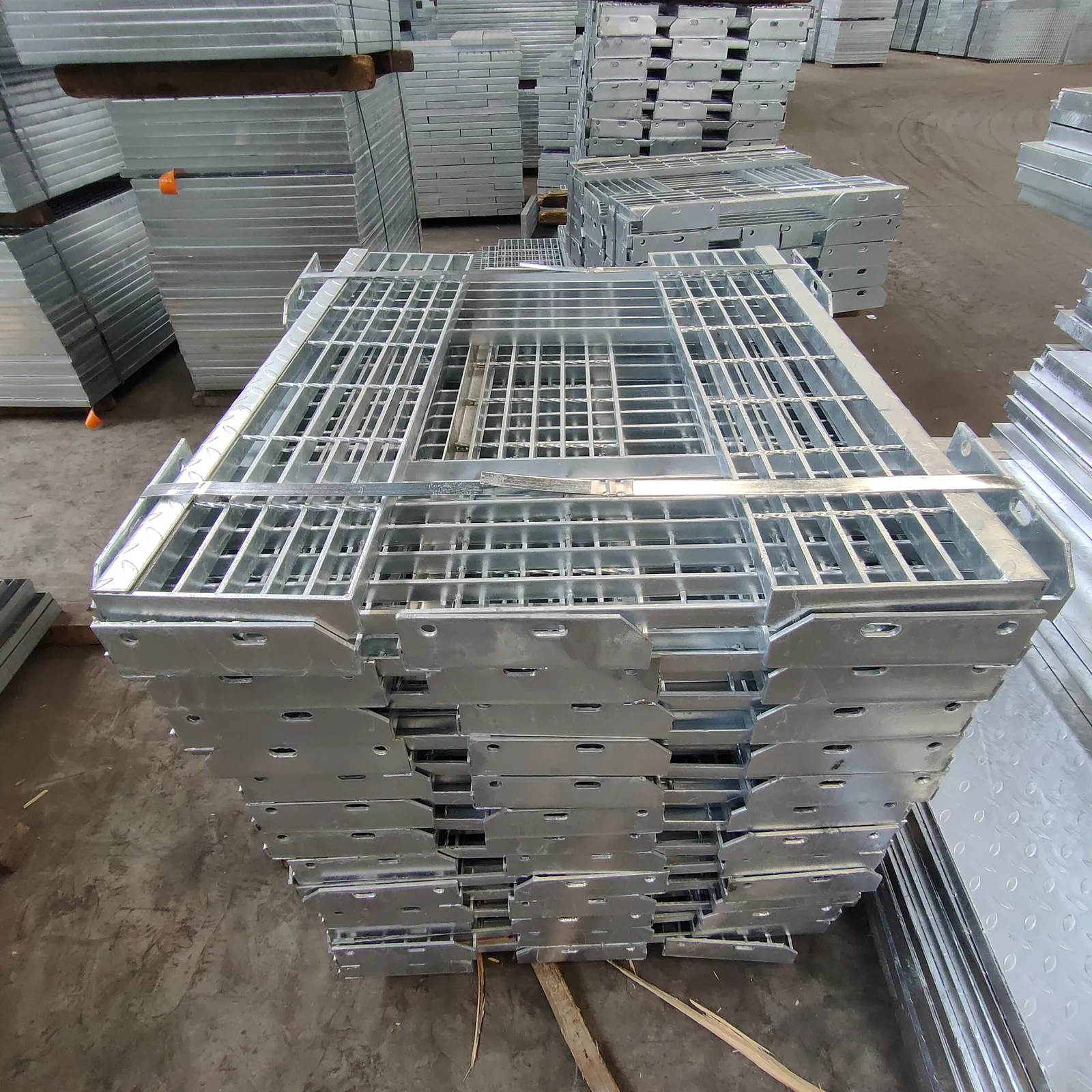
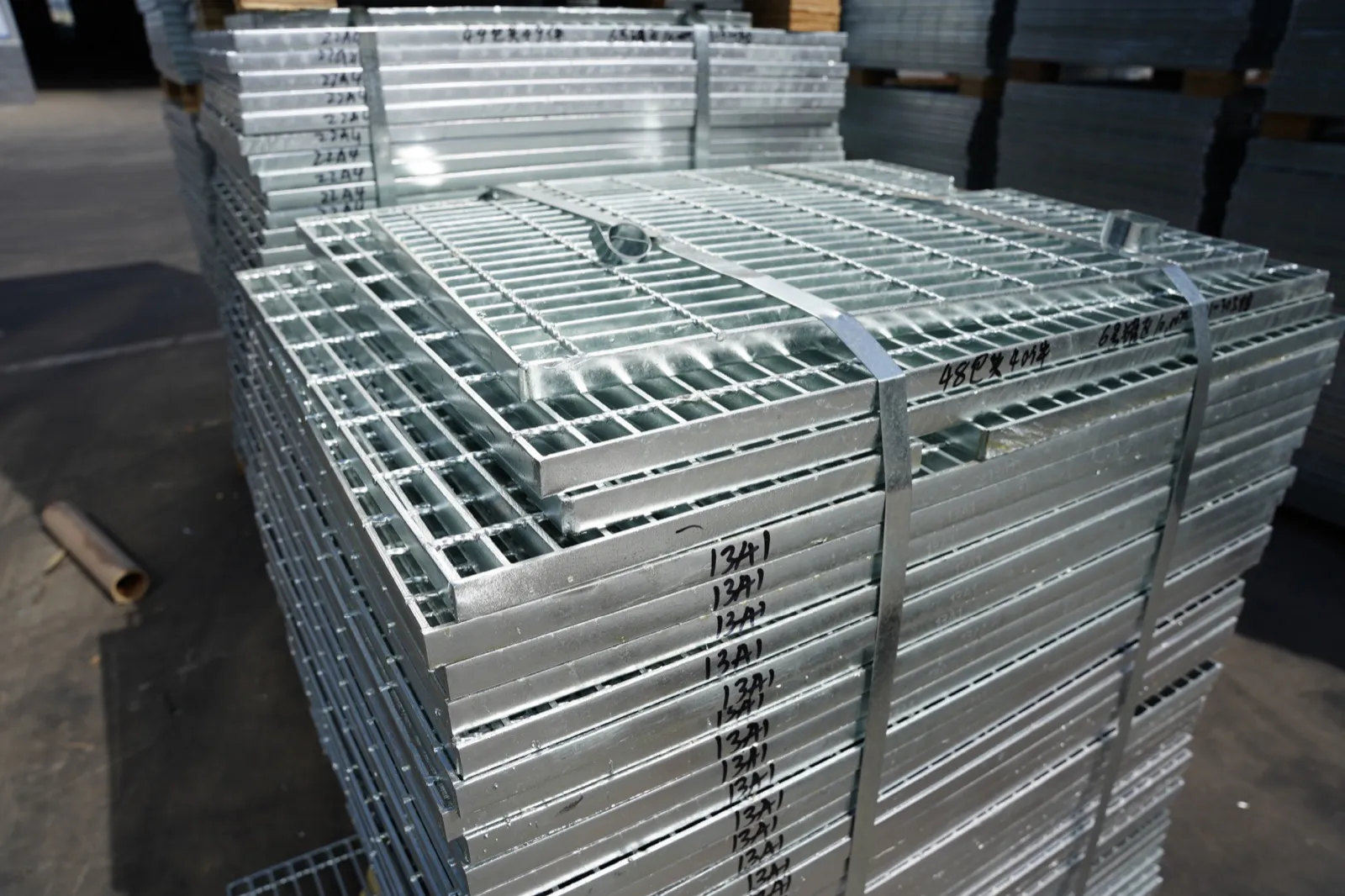
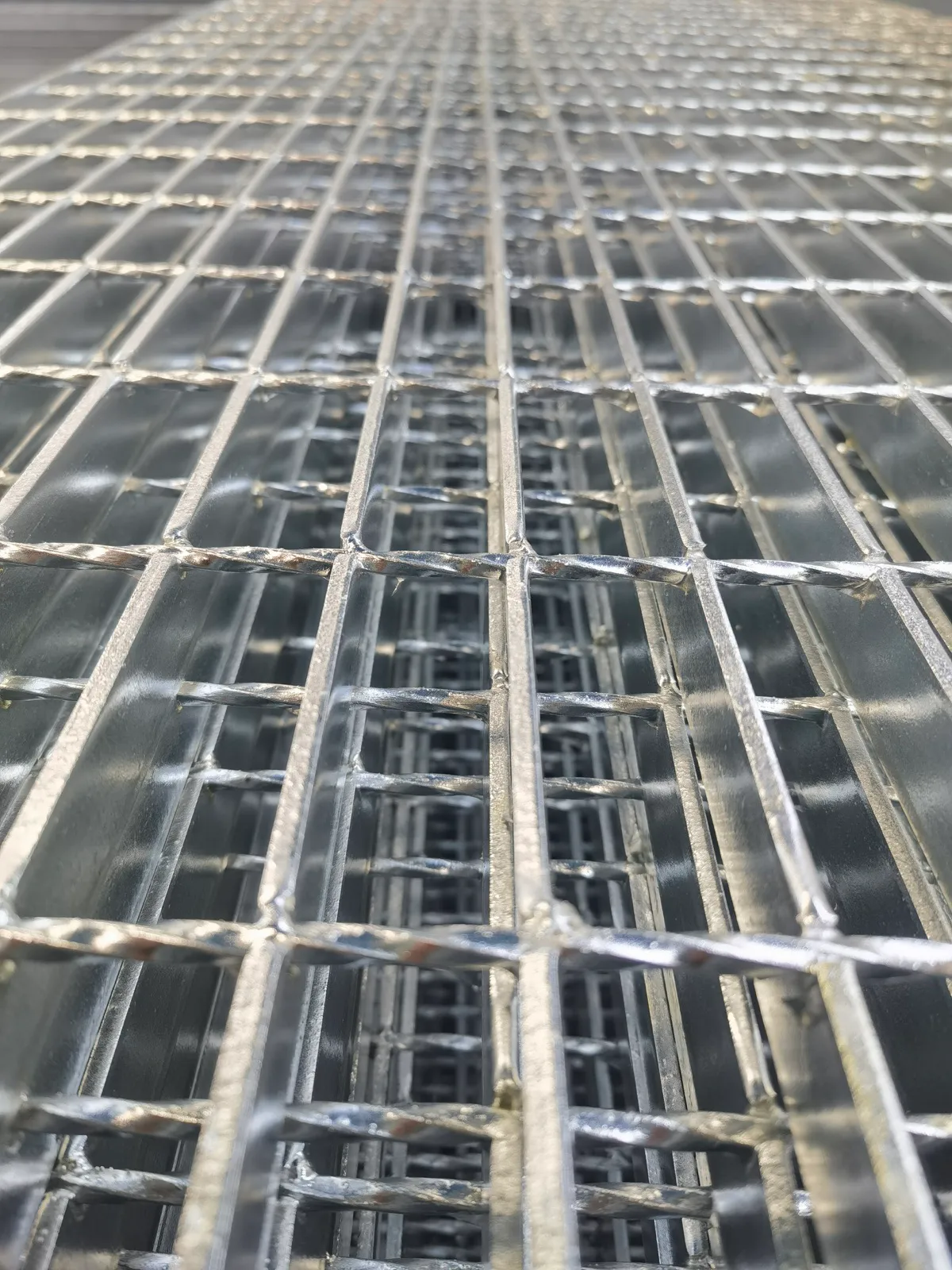
Specifications
| Item | Options | Notes |
|---|---|---|
| Material | Q235 / Q355 / ASTM A36 / S235JR / S355JR as specified | Not automatically interchangeable; confirm chemistry and mechanical properties by MTC and purchase specification |
| Bearing bar size | 20×3 to 100×10 mm; common 25×3, 30×3, 32×5, 40×5, 50×5 mm | Sized to span and load |
| Bearing bar spacing | 30 / 40 / 60 mm; imperial 19-W-4, 15-W-4 series | 30 mm most common |
| Cross bar spacing | 50 / 100 mm; 2″ / 4″ | Twisted square bar standard |
| Surface type | Plain / serrated | Serrated for wet, oily, snowy or sloped areas |
| Galvanizing standard | ASTM A123/A123M / ISO 1461 / customer specification | State the required edition and evidence in the order |
| Zinc coating thickness | Per the applicable coating category and measured steel thickness in the specified standard | Required minimums and reported readings are confirmed in the order inspection documents |
| Panel size | Up to 6100 × 1000/1200 mm per panel | Larger areas split into numbered panels |
| Fabrication | Banding, cut-outs, toe plates, clips, tread nosing | Detailed from your drawings |
Variants
The economical standard for dry or generally clean industrial platforms, walkways and flooring.
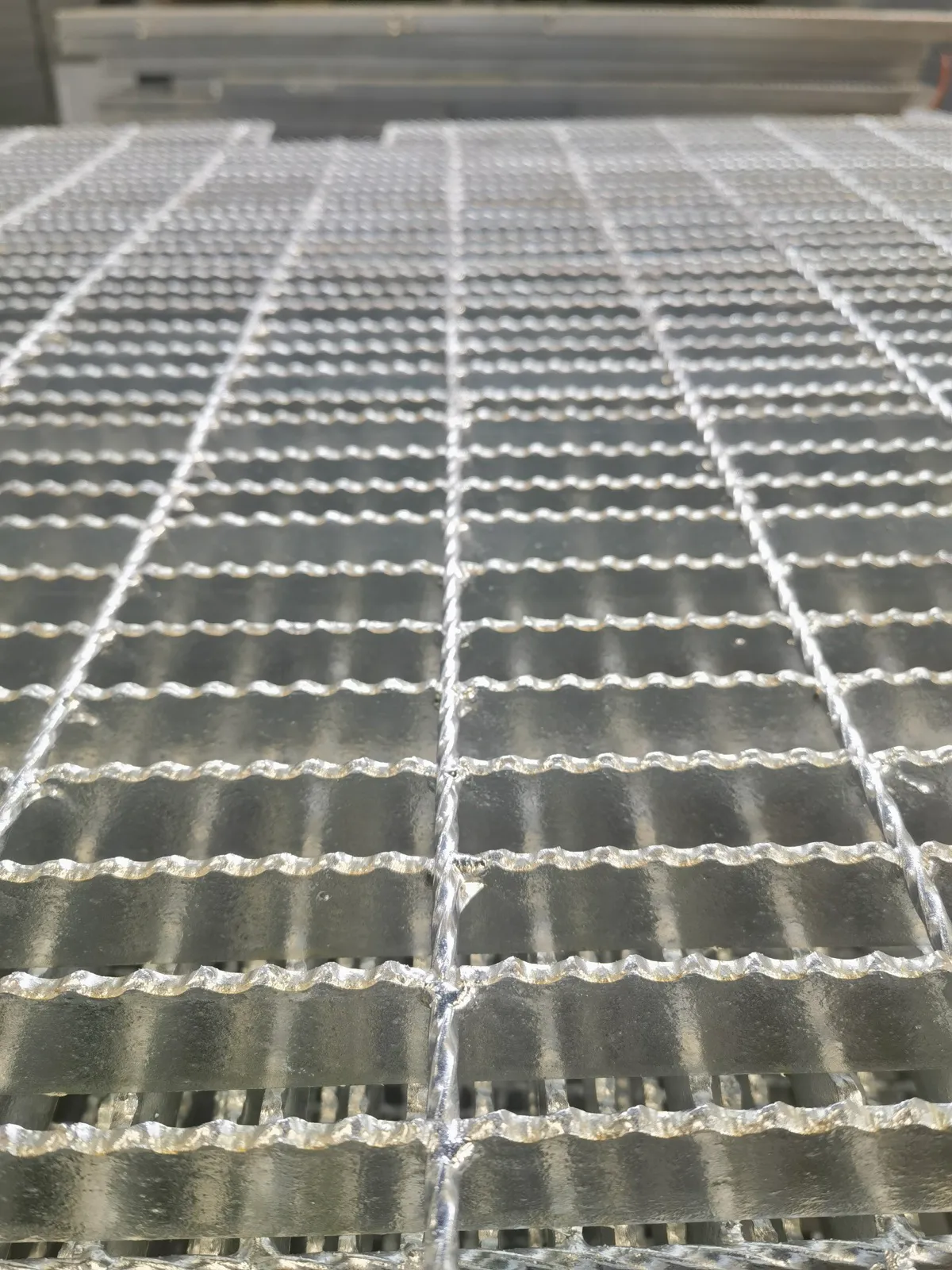
Serrated bearing bars add slip resistance for outdoor, wet, oily or inclined walking surfaces and stair treads.
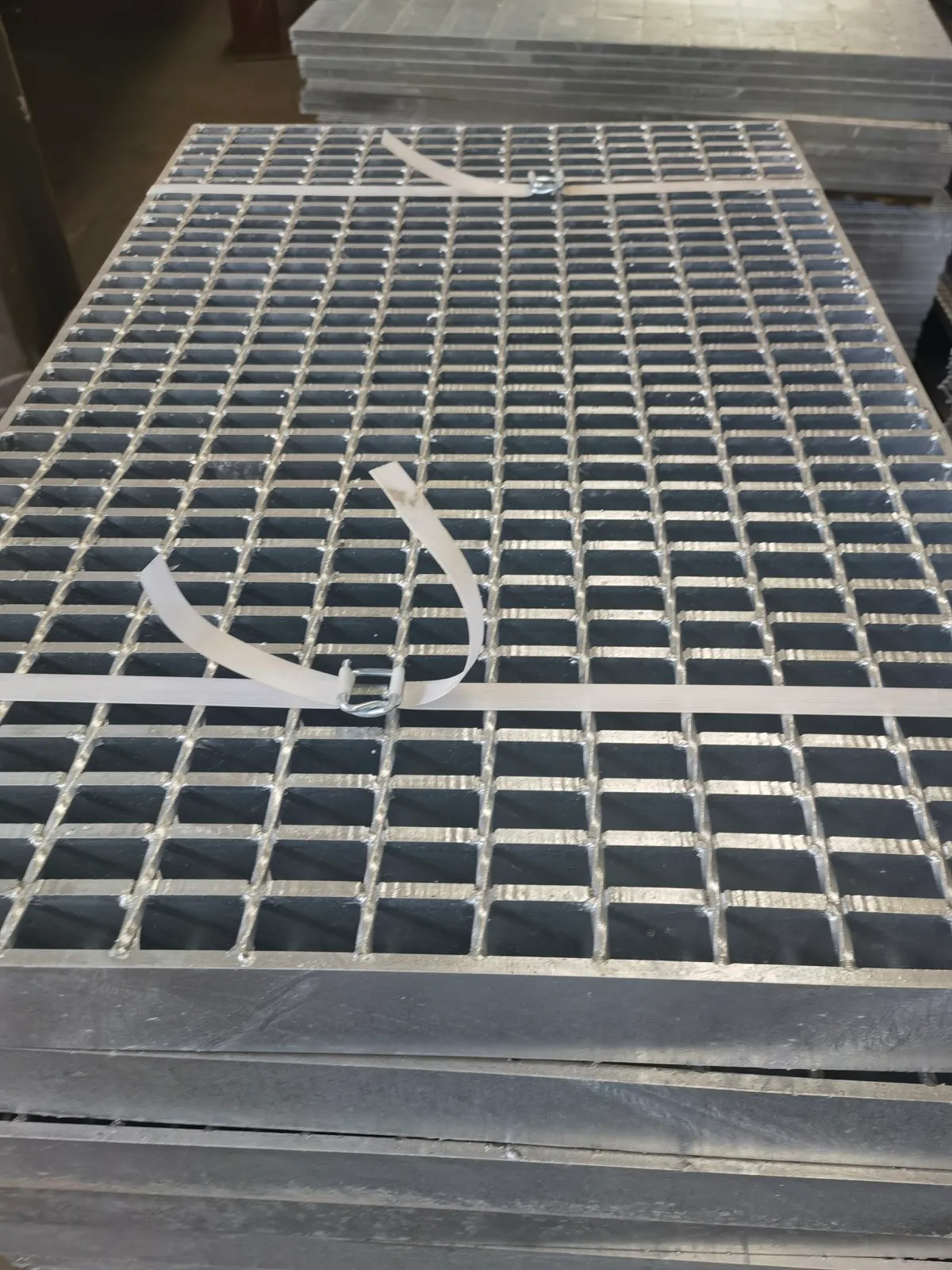
Larger bearing bars for forklift, truck and equipment loads — always confirmed against span and load before quotation.
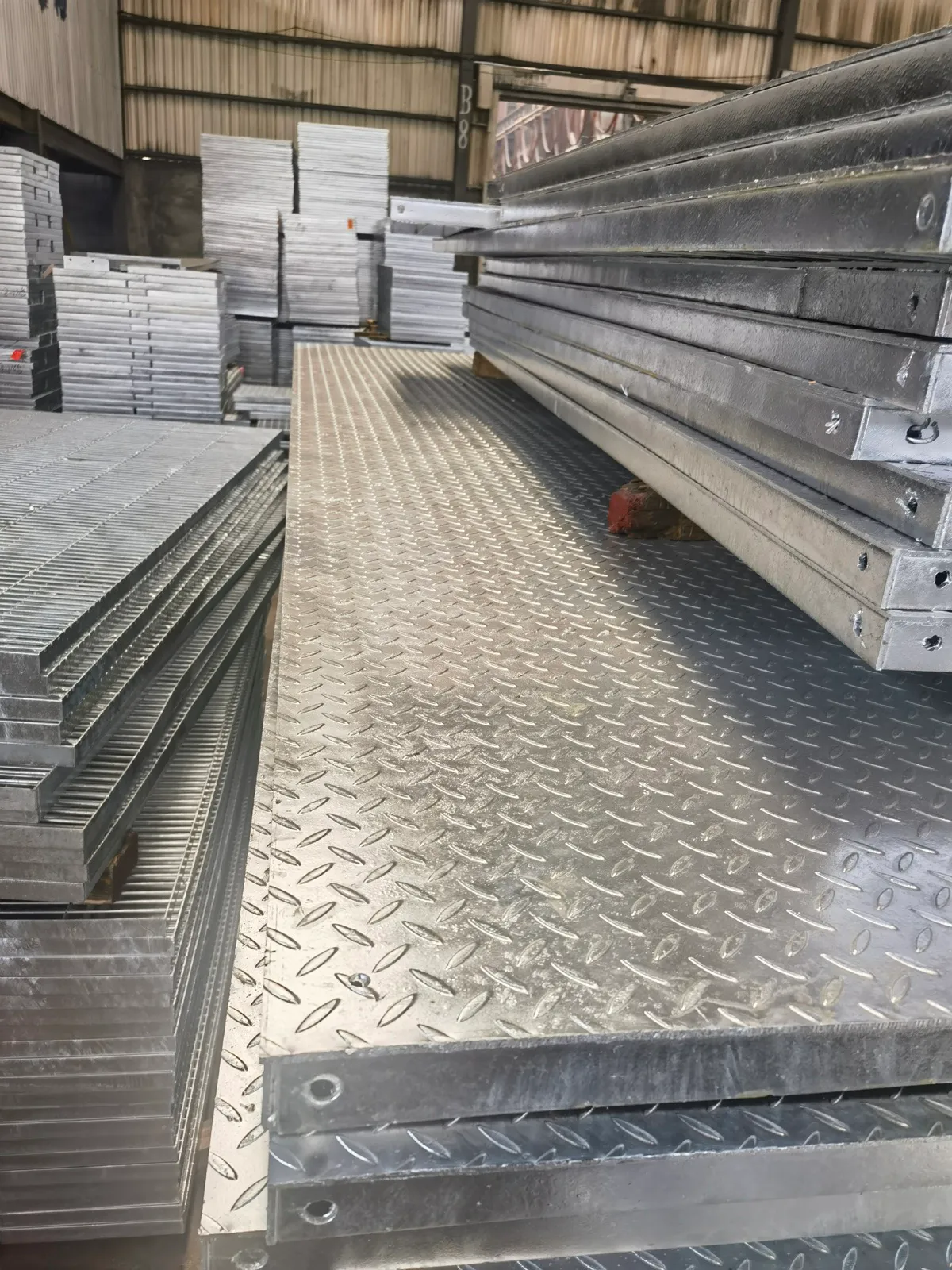
Grating with a checkered plate top where small-object containment or a solid walking surface is required.
Applications
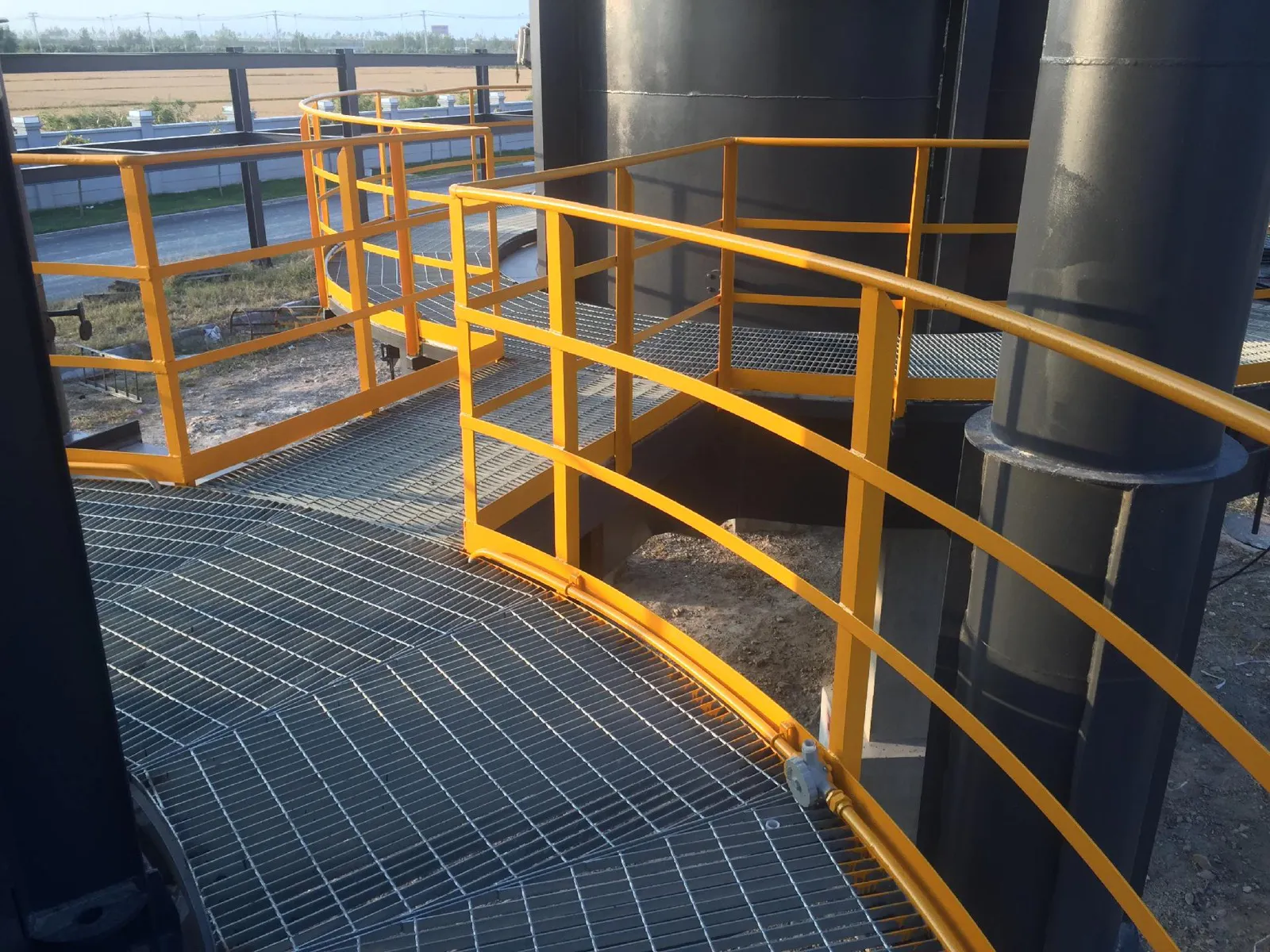
Open-grid flooring for chemical plants, equipment platforms and mezzanines — strength, drainage and ventilation in one panel.
View application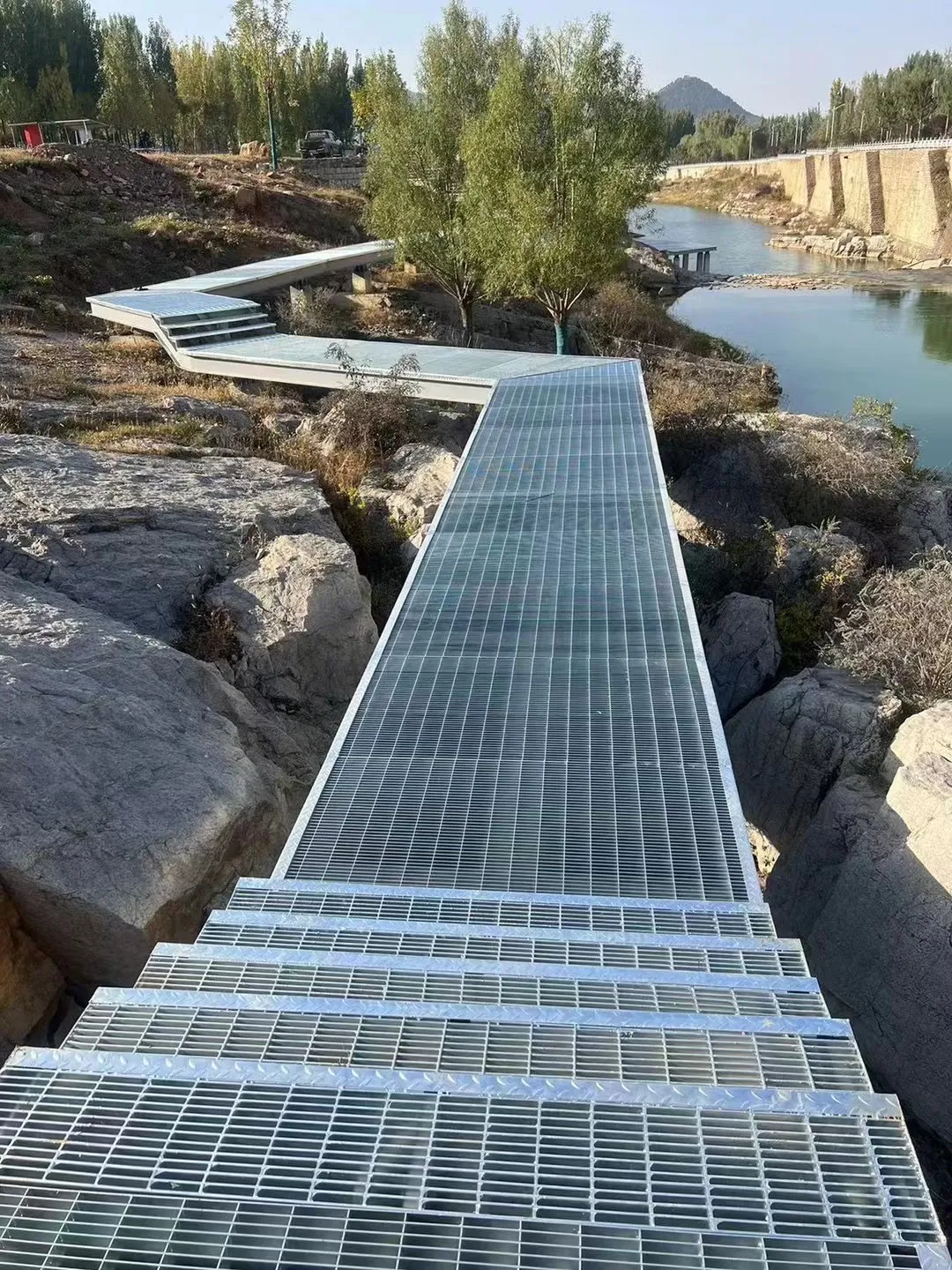
Safe, drained, ventilated walkways for photovoltaic arrays, pipe racks, tank farms and roof access routes.
View application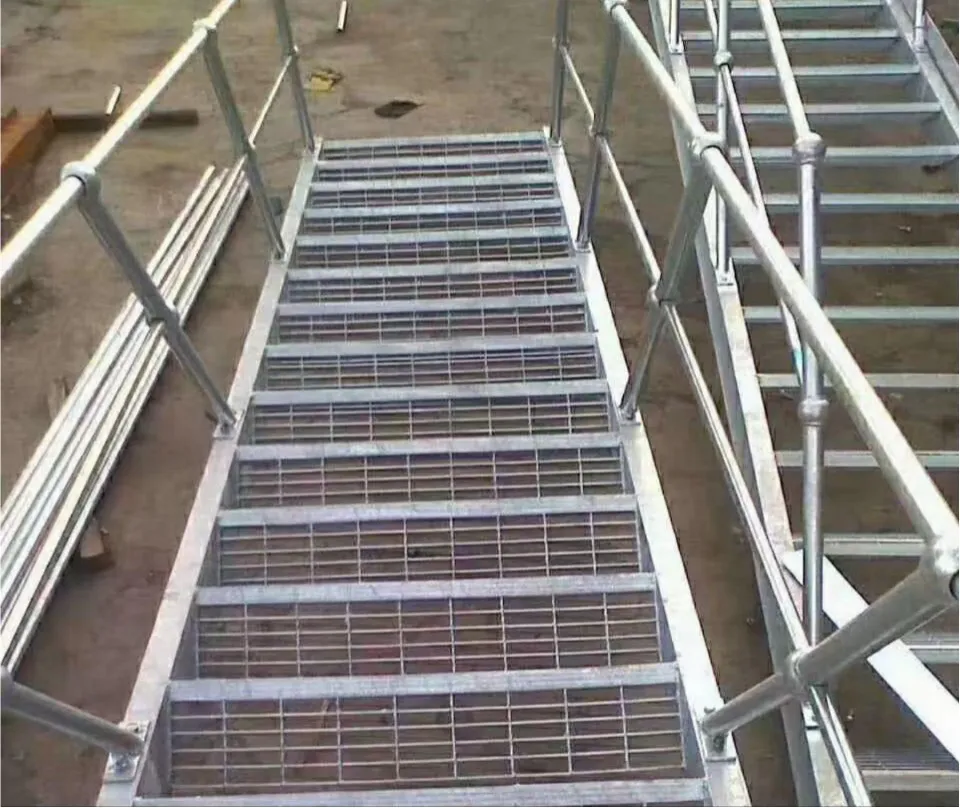
Industrial access stairs with grating treads — drained, slip-resistant and replaceable tread by tread.
View application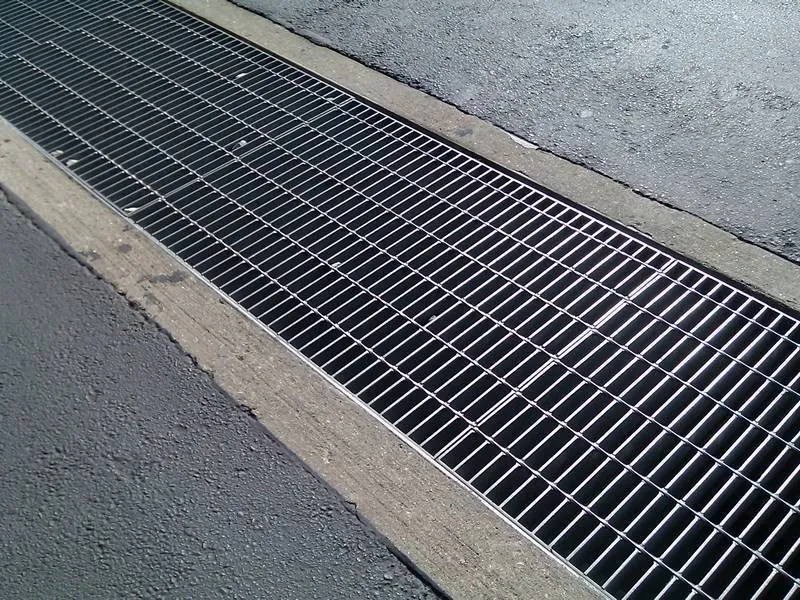
Drainage covers that keep water moving and traffic safe — from pedestrian channels to truck crossings.
View application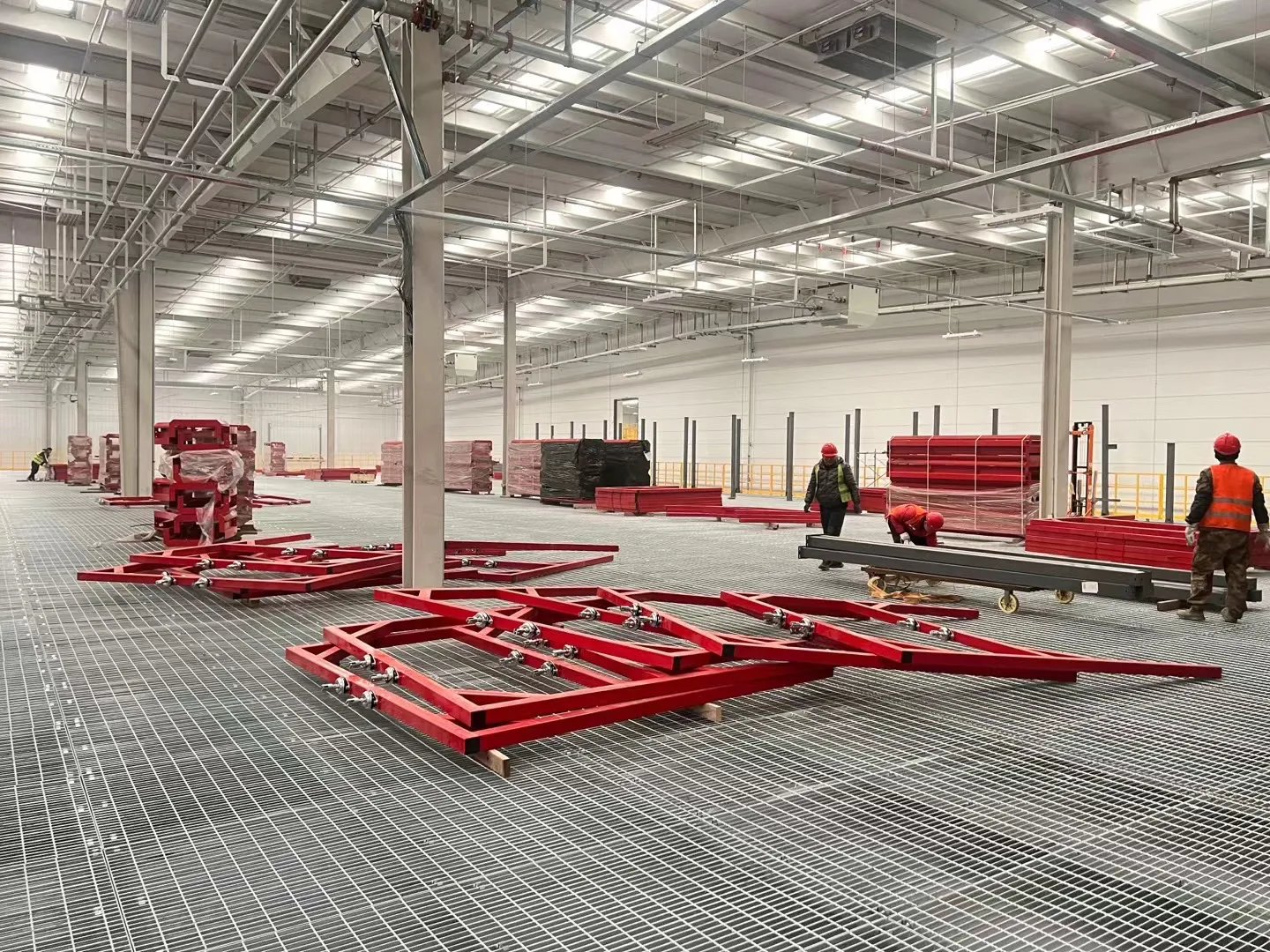
Mezzanine and factory flooring that combines load capacity with light, air and sprinkler penetration.
View application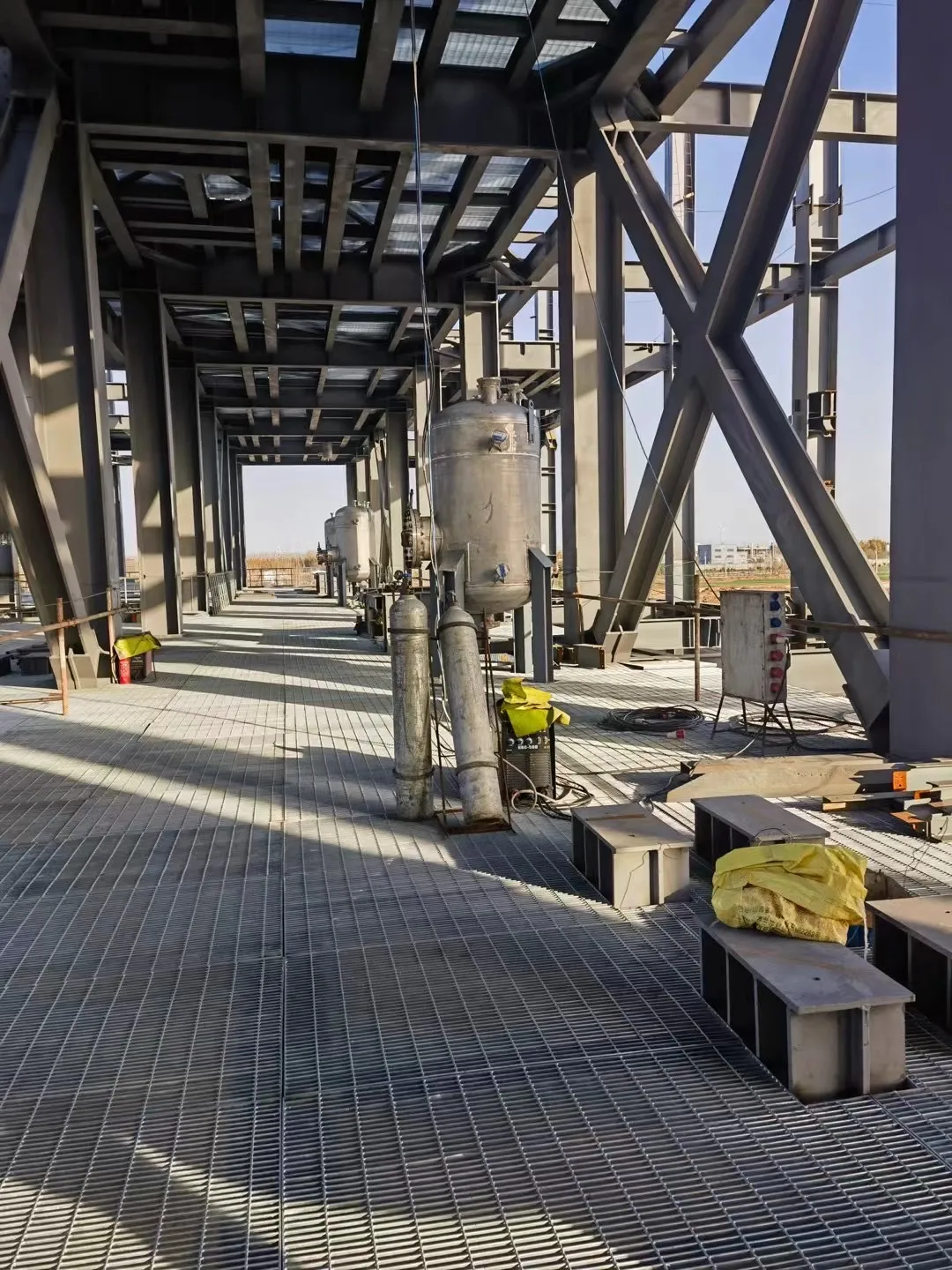
Material and finish selection for chemical splash, washdown, condensate and combined platform, tank-area and pipe-rack supply.
View application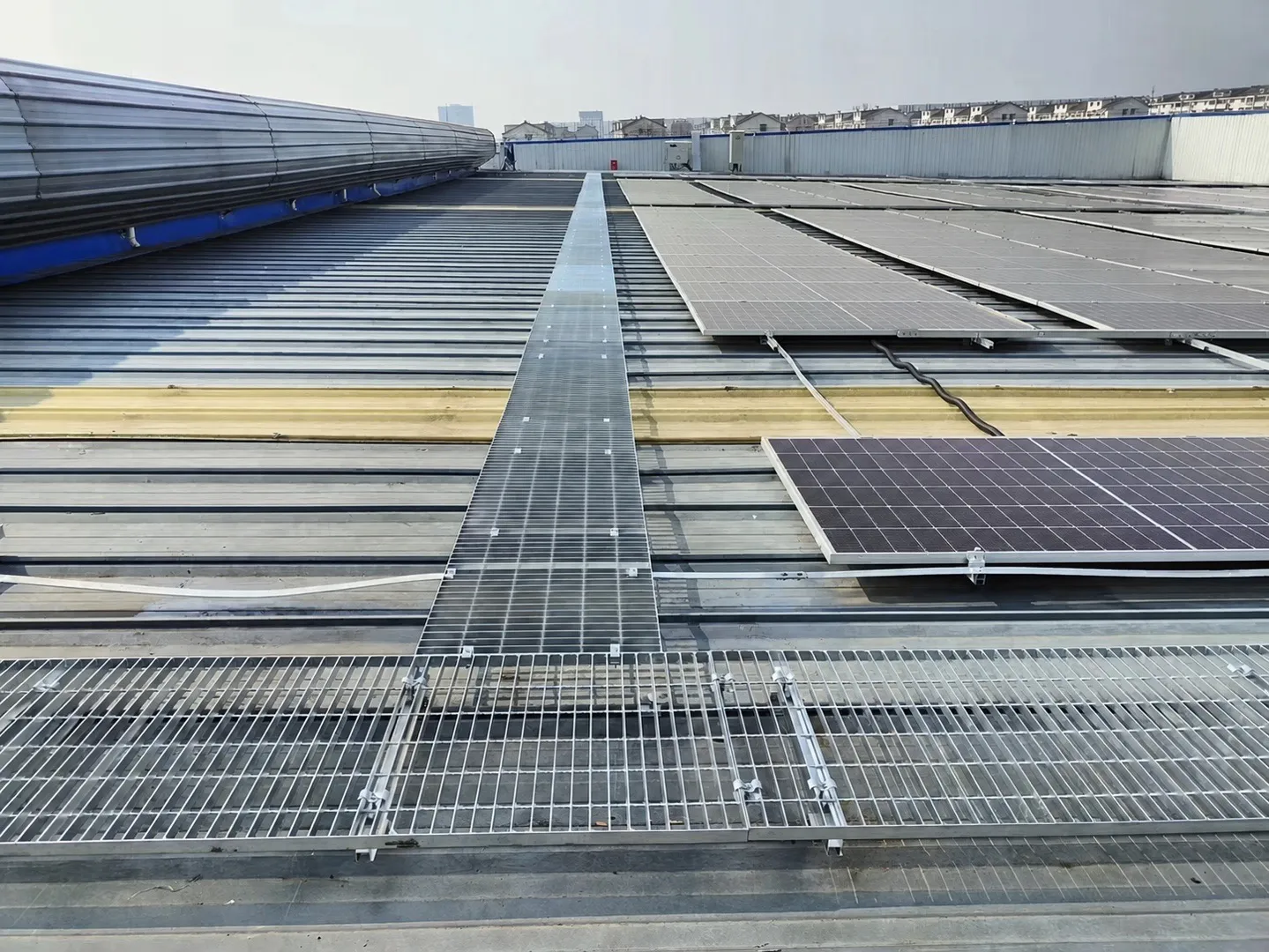
Lightweight maintenance walkways matched to roof load allowance, rail spacing, manual handling and dew or frost exposure.
View application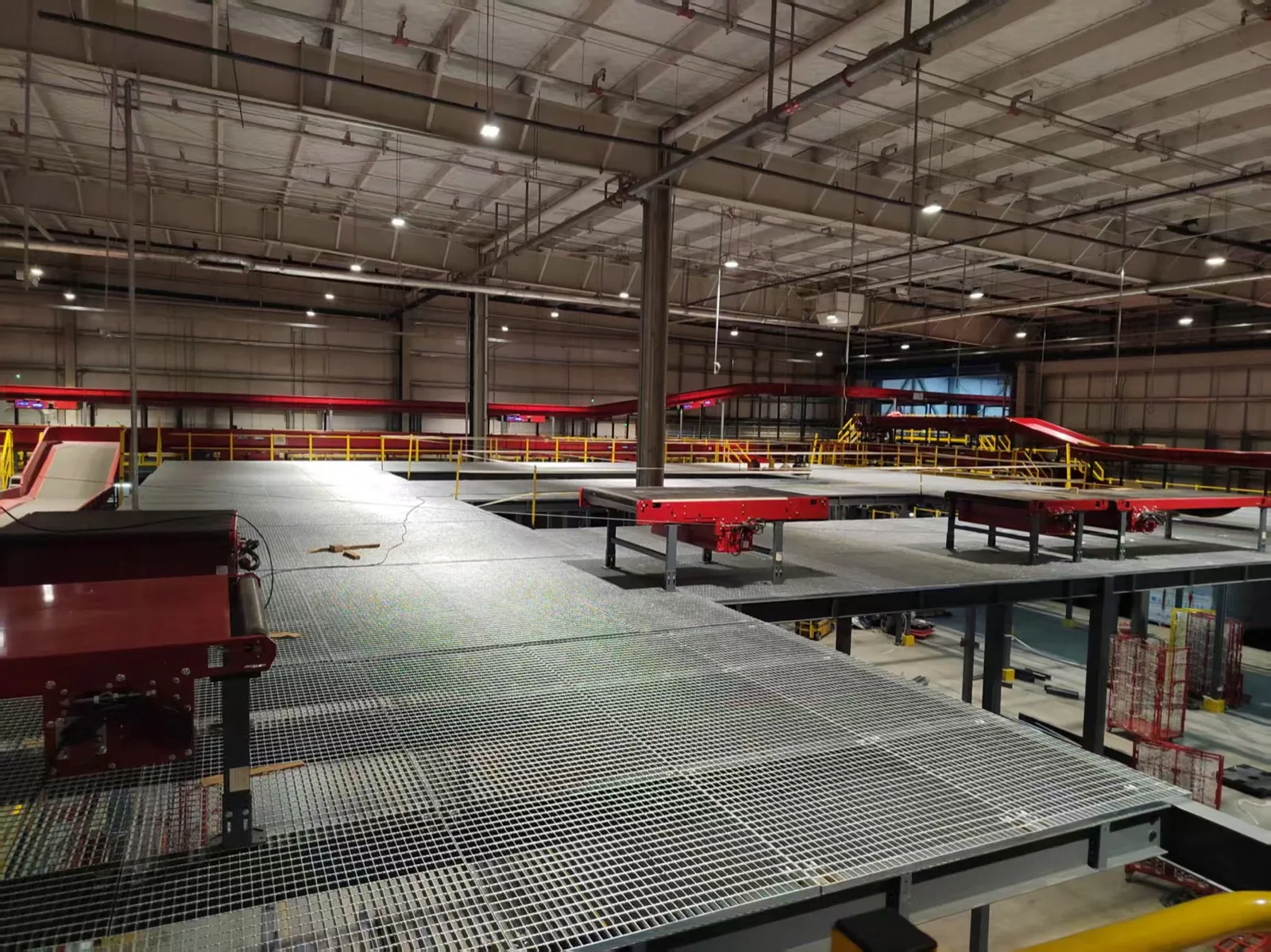
Open-grid flooring for multi-level logistics platforms where light, ventilation, sprinkler paths and small-wheel traffic interact.
View application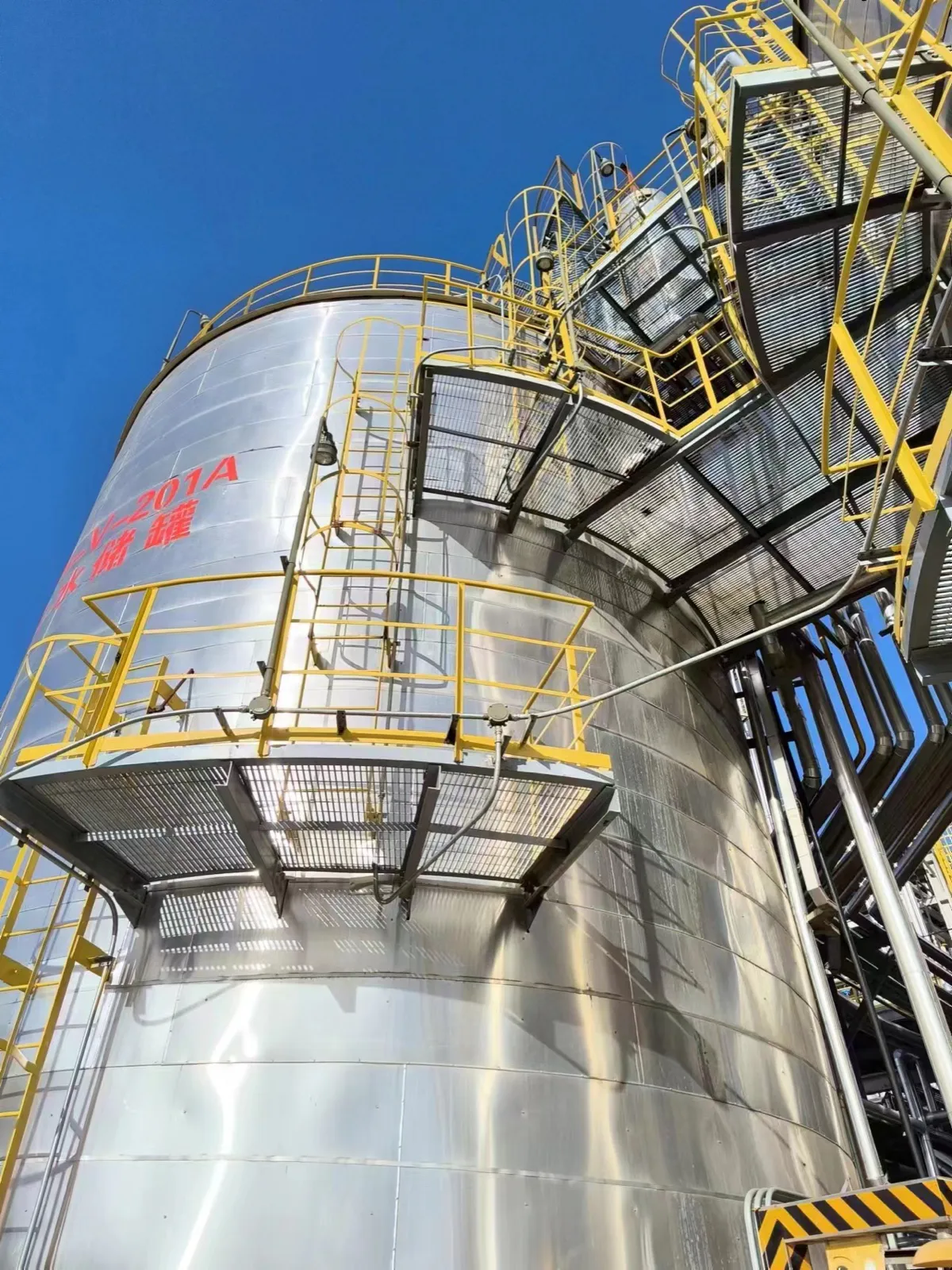
Curved and removable access panels around tanks, selected from vapour, condensate, H2S and maintenance conditions.
View application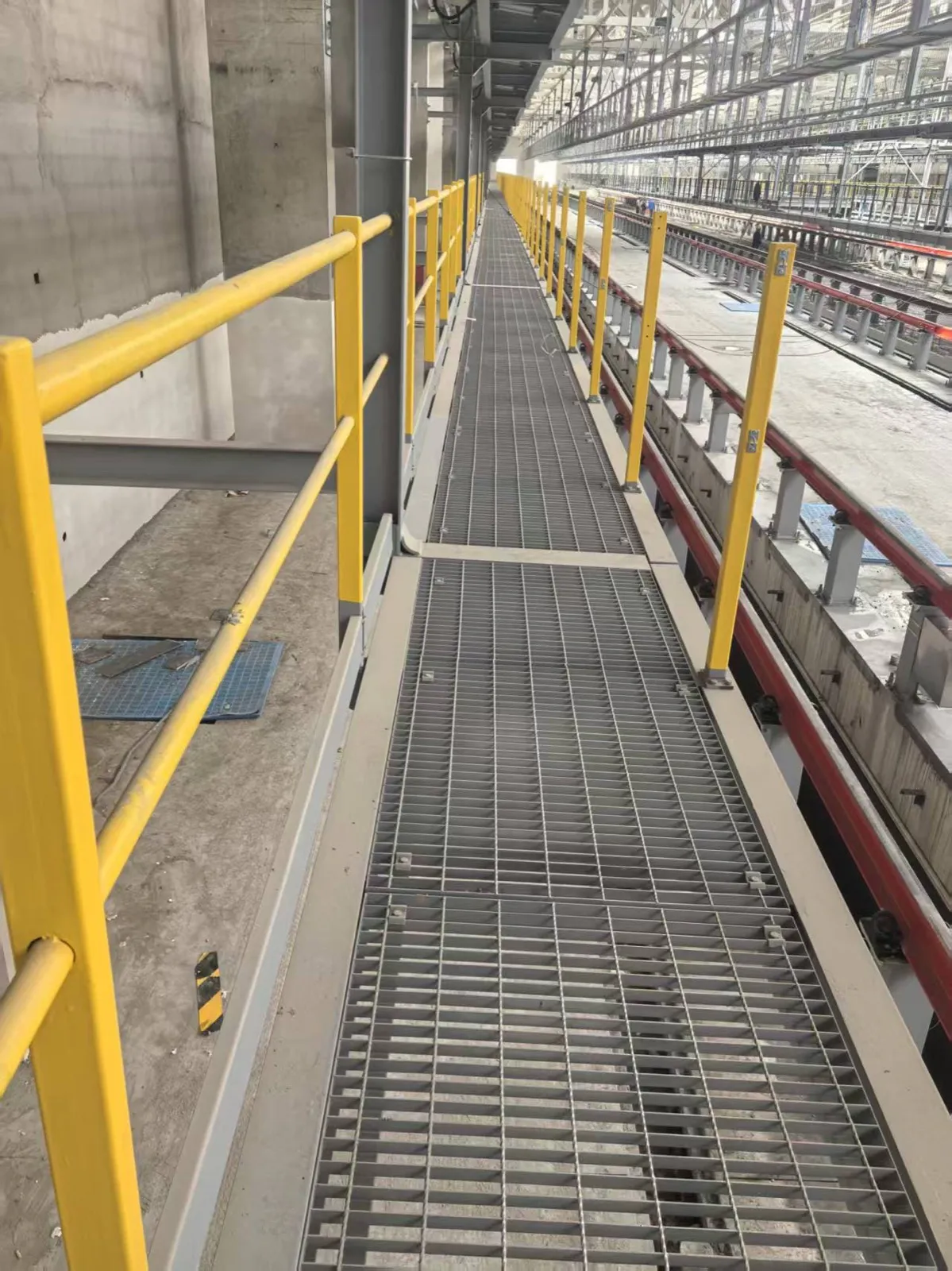
Long, narrow maintenance corridors planned from rack support spacing, access frequency, wet exposure and panel sequence.
View applicationFabrication & QC
Packaging
FAQ
We aim to reply within one business day during published business hours.