
Matched to Real Operating Conditions
Solar PV Walkway Grating
Photovoltaic walkways are light-duty access routes in a weight-sensitive setting. Roof capacity, support-rail spacing and the manual carrying route set the panel strategy, while dew, frost and cleaning water set the surface and drainage requirements.
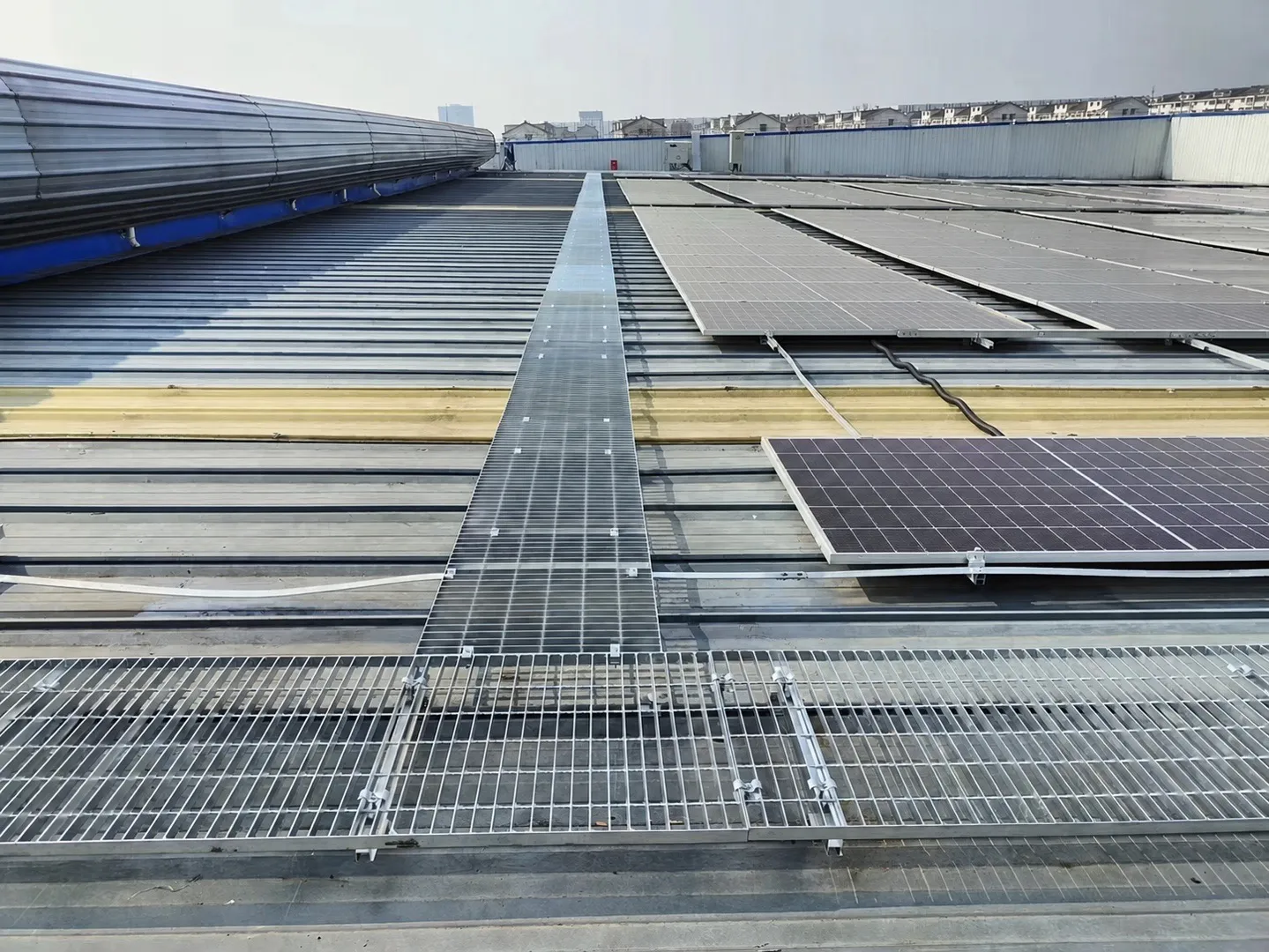
Gallery
Application Gallery
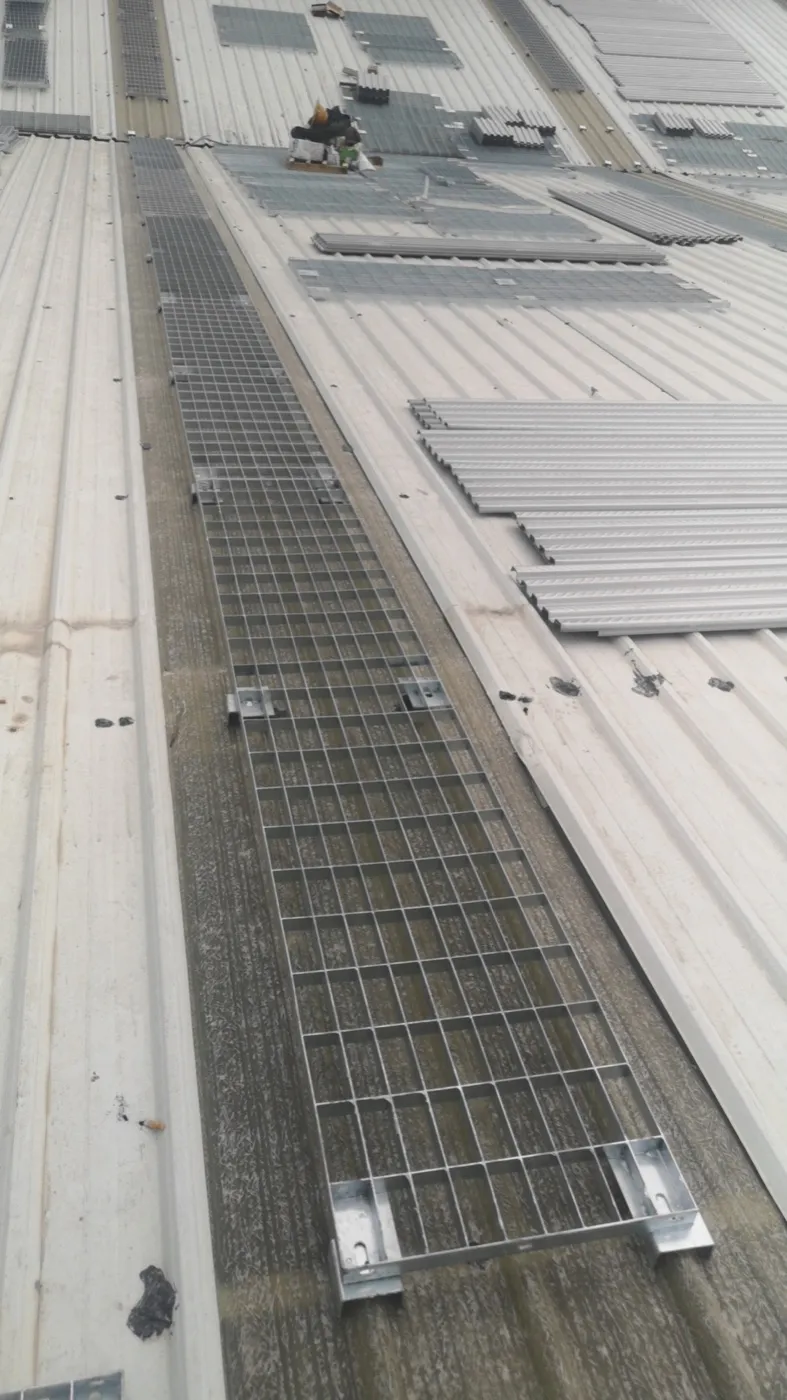
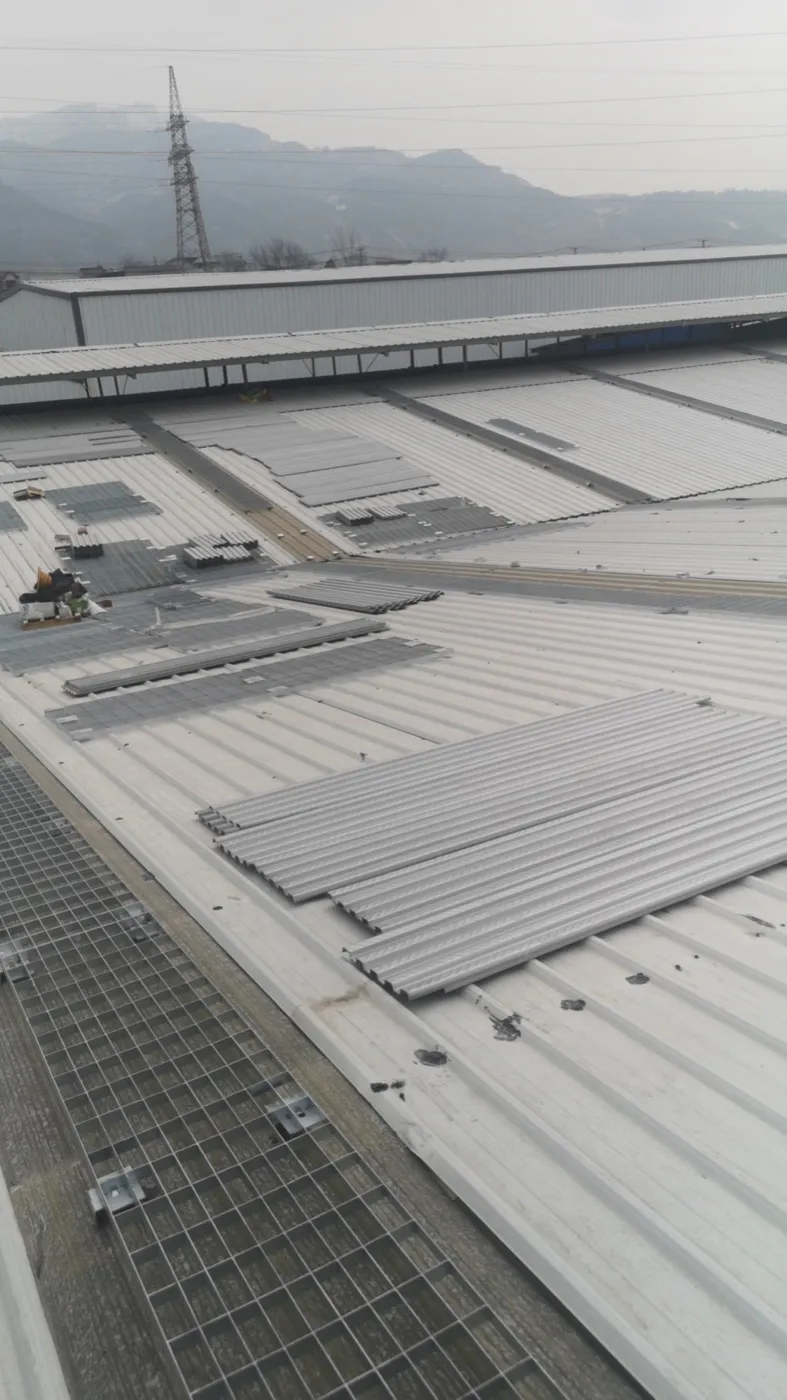
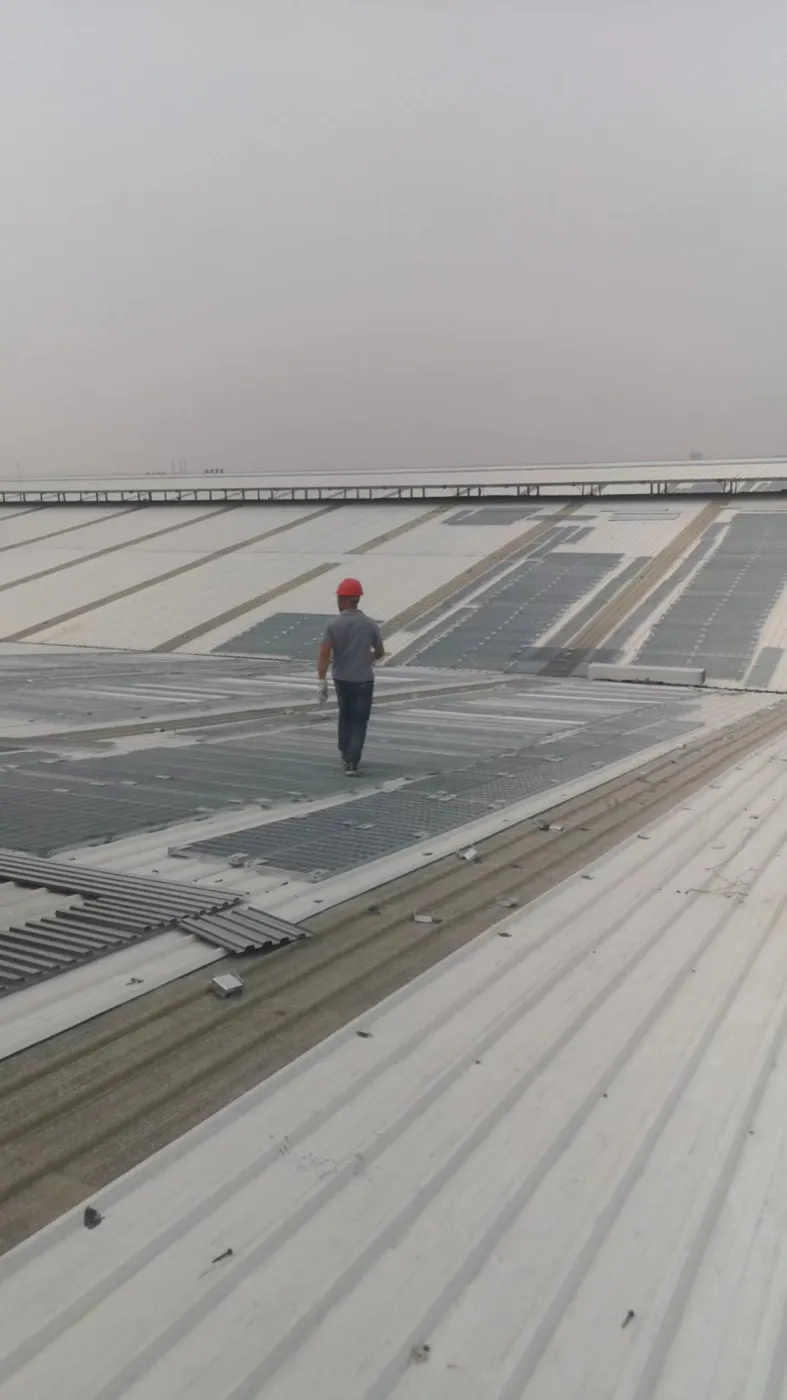
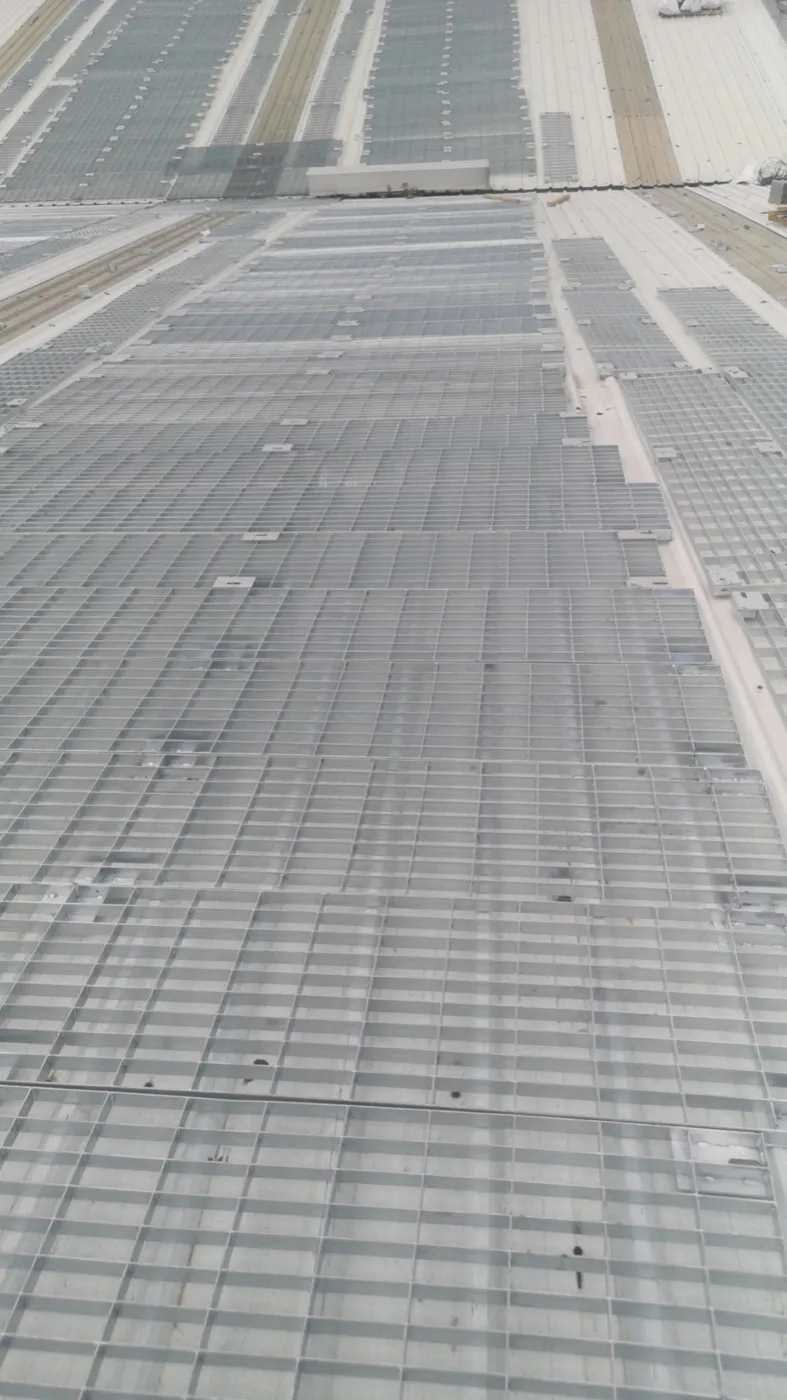
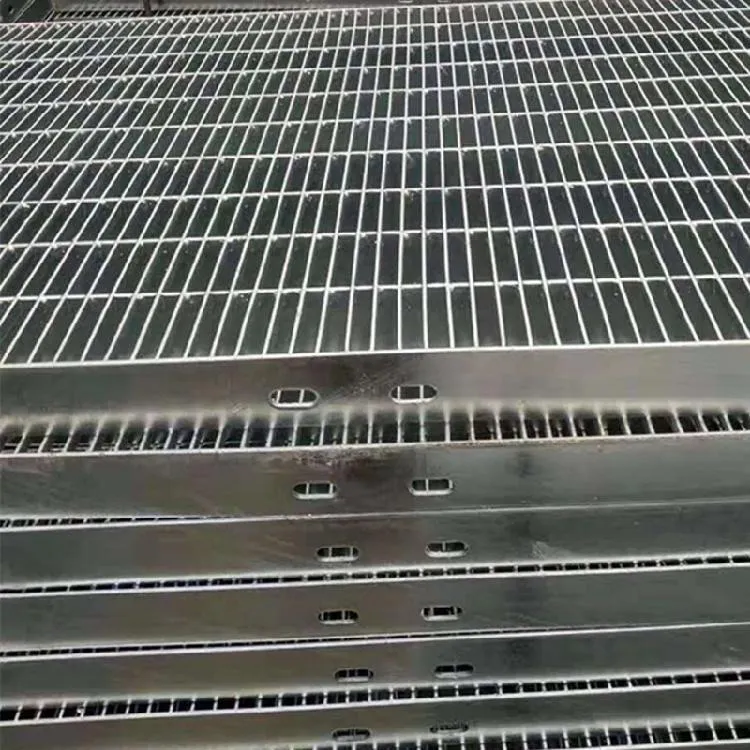
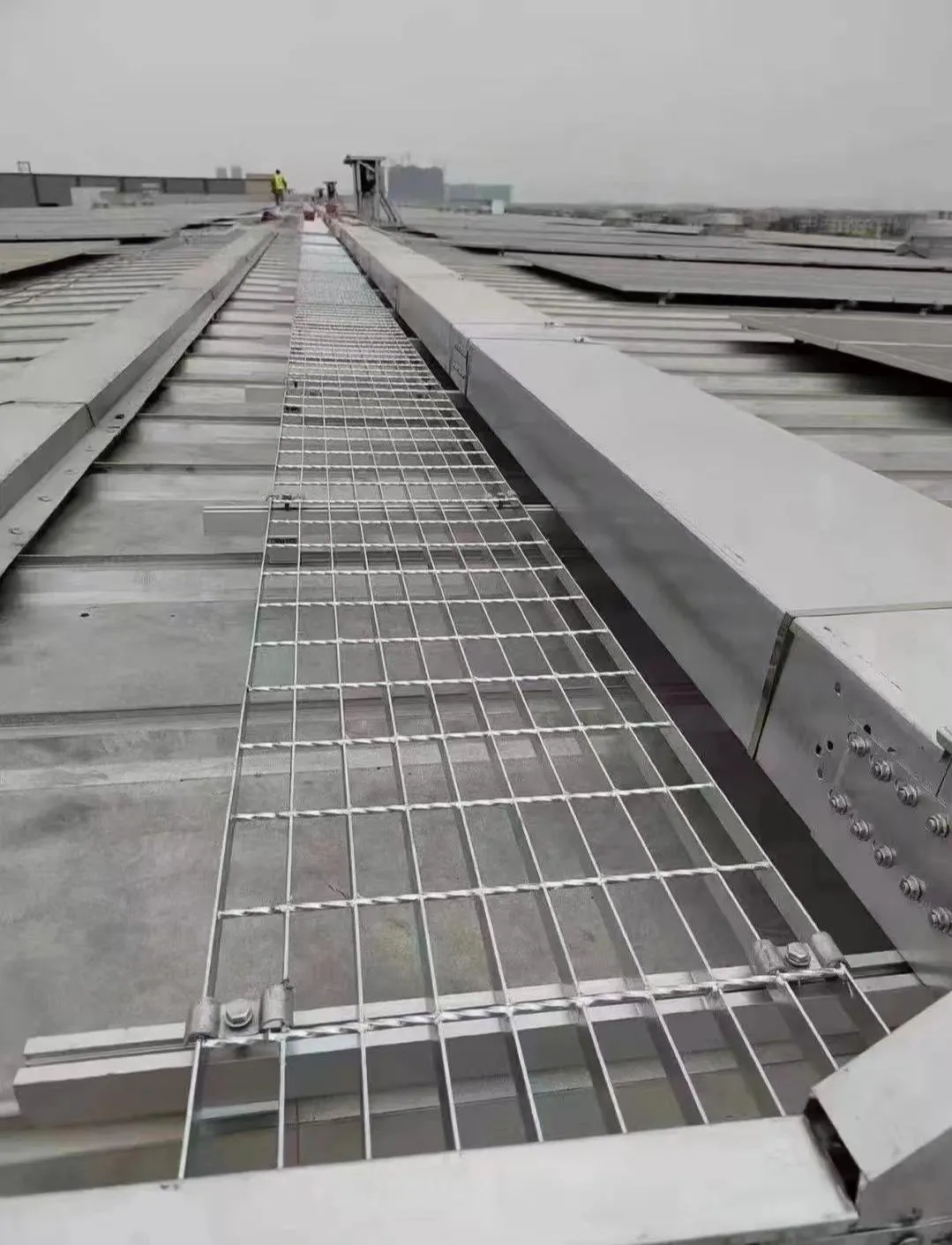
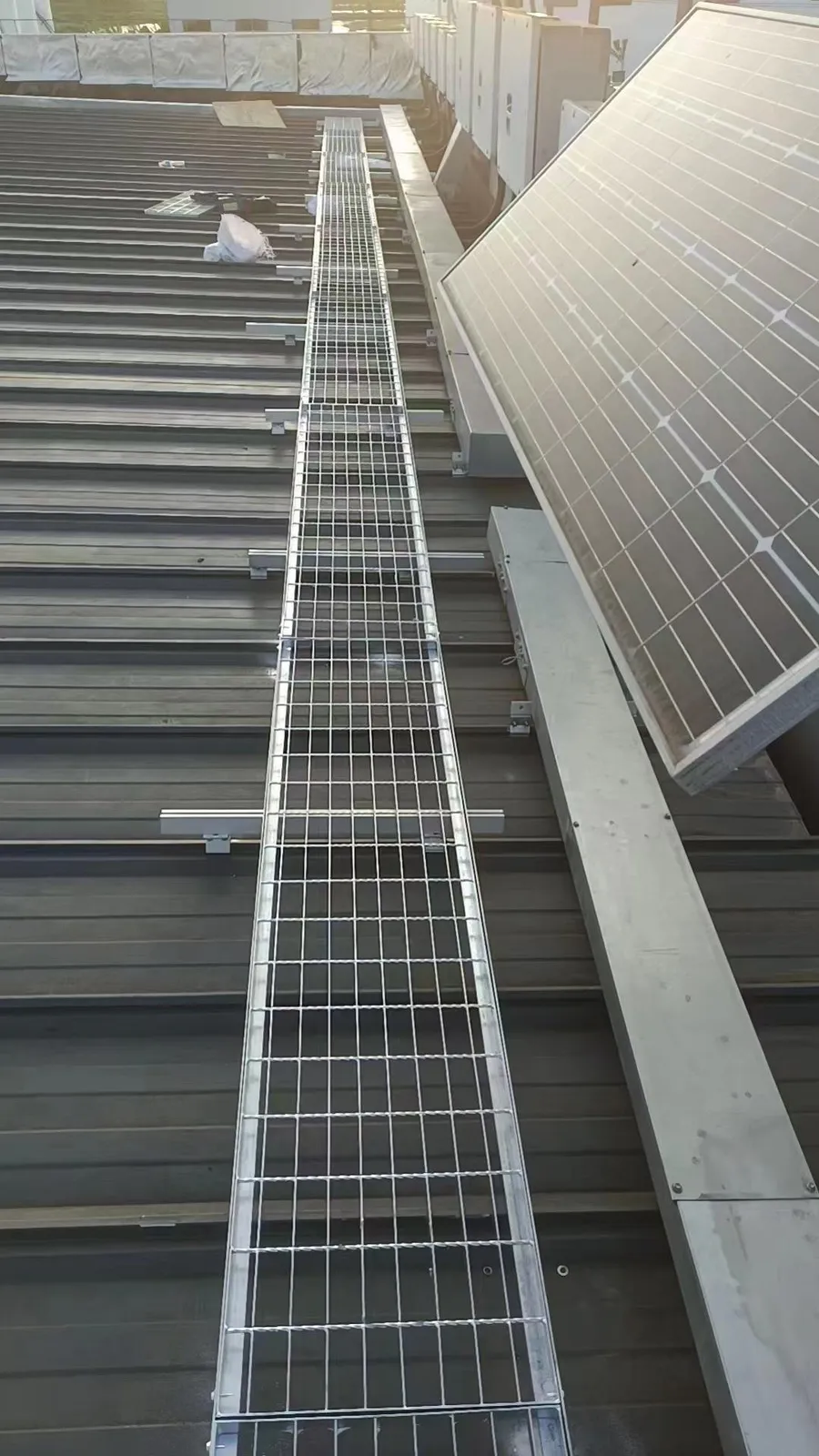
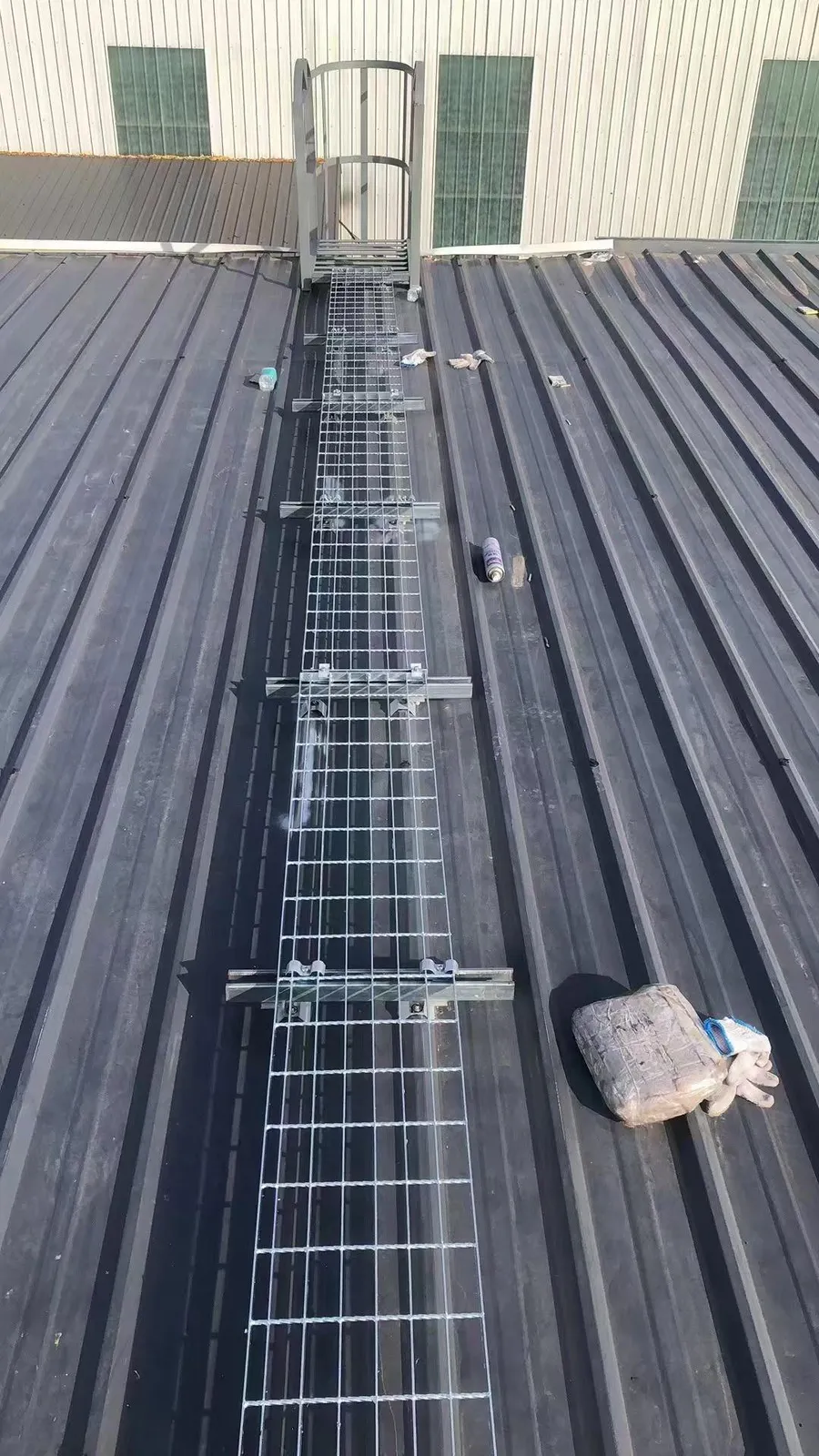
The Challenge
What This Application Demands
Every added kilogram affects rooftop structure and manual handling
Rail or purlin spacing fixes the real clear span beneath the grating
Dew, frost and cleaning water create slip risk on exposed roofs
Long narrow routes need practical panel lengths, joints and lifting access
Requirements
Specification Requirements
Confirm these points before ordering — they define the grating.
Roof and support limits
- Confirm the roof engineer’s allowable dead and maintenance loads
- Provide rail or purlin positions and the bearing-bar direction
- Keep attachment loads and penetrations within the approved roof system
Handling and layout
- State the access route from ground level to the array
- Split panels for safe manual carrying and replacement
- Mark changes in rail spacing, level and walkway direction
Weather exposure
- State frost, snow, salt-air and cleaning-water conditions
- Review serrated surface and drainage for wet access
- Confirm wind-uplift restraint with the supporting-system designer
Gratings
Recommended Grating Series
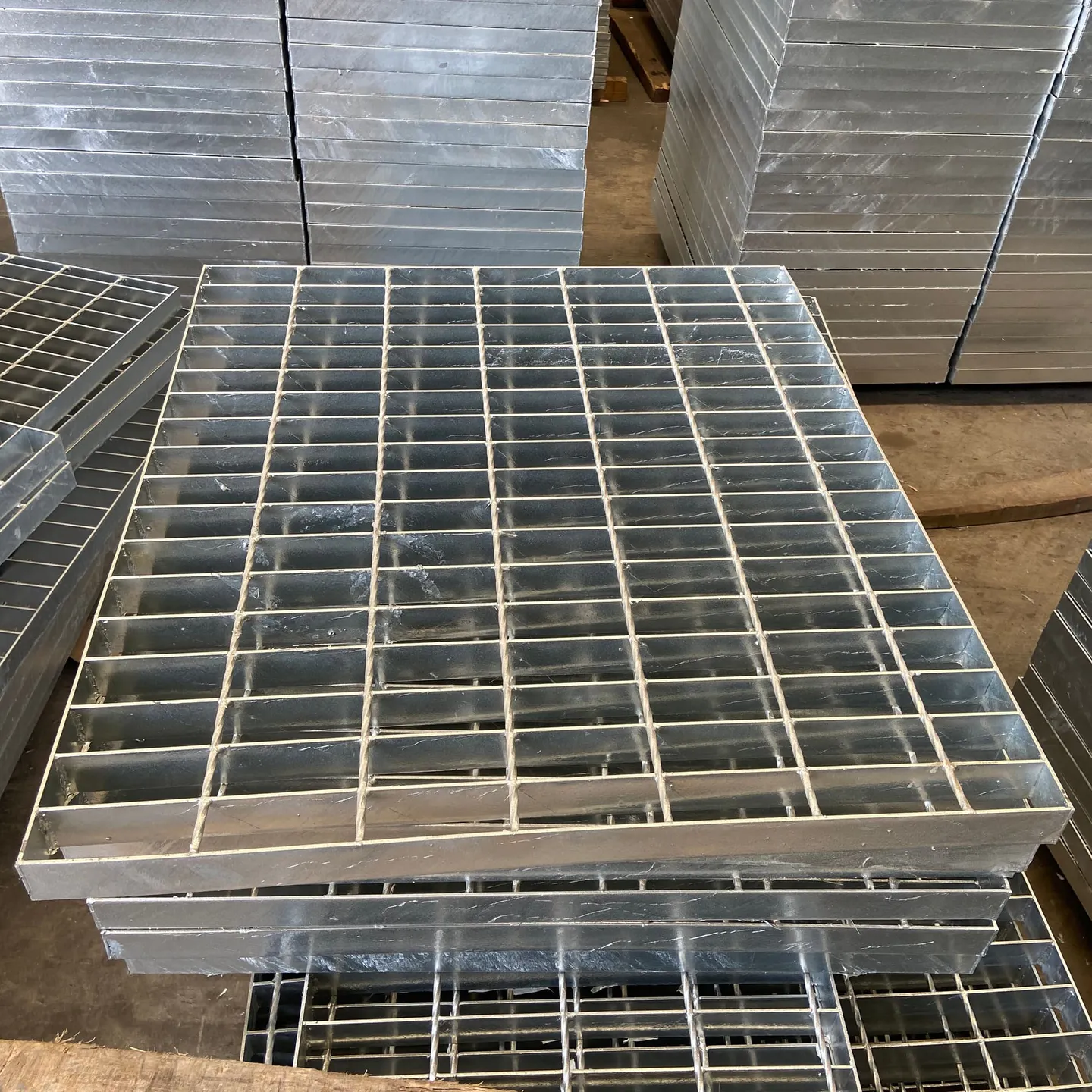
Light Duty Steel Grating
A material-efficient grating starting point for pedestrian and light maintenance access after span and load confirmation.
View product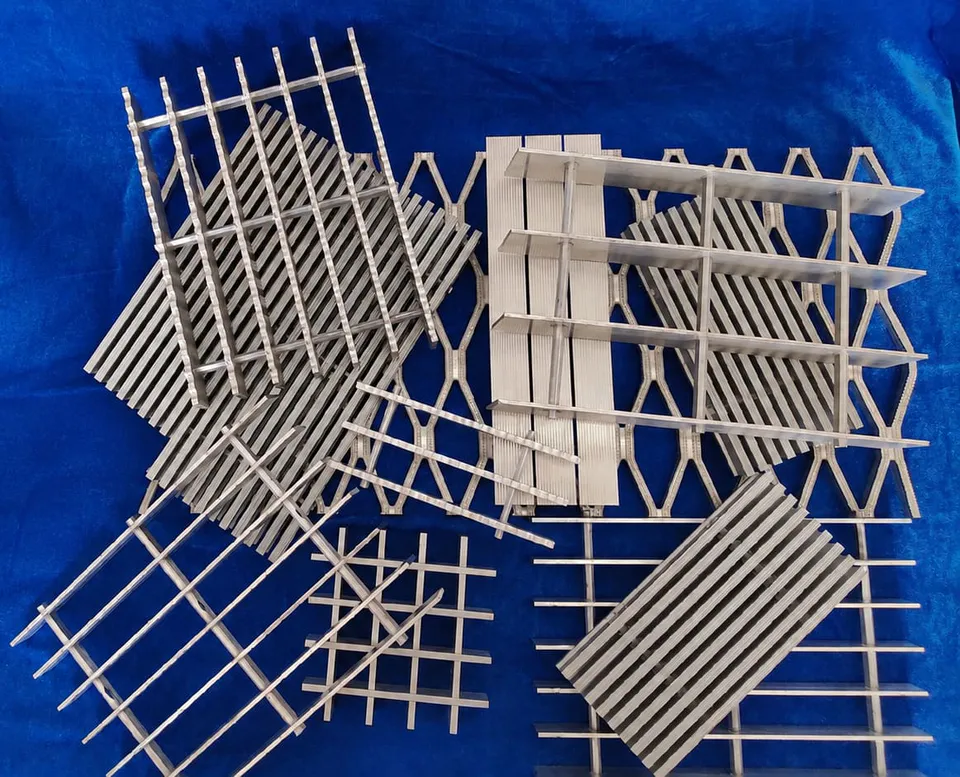
Aluminum Grating
Lightweight, corrosion-resistant aluminum bar grating for architectural, marine and light-to-medium duty platforms.
View product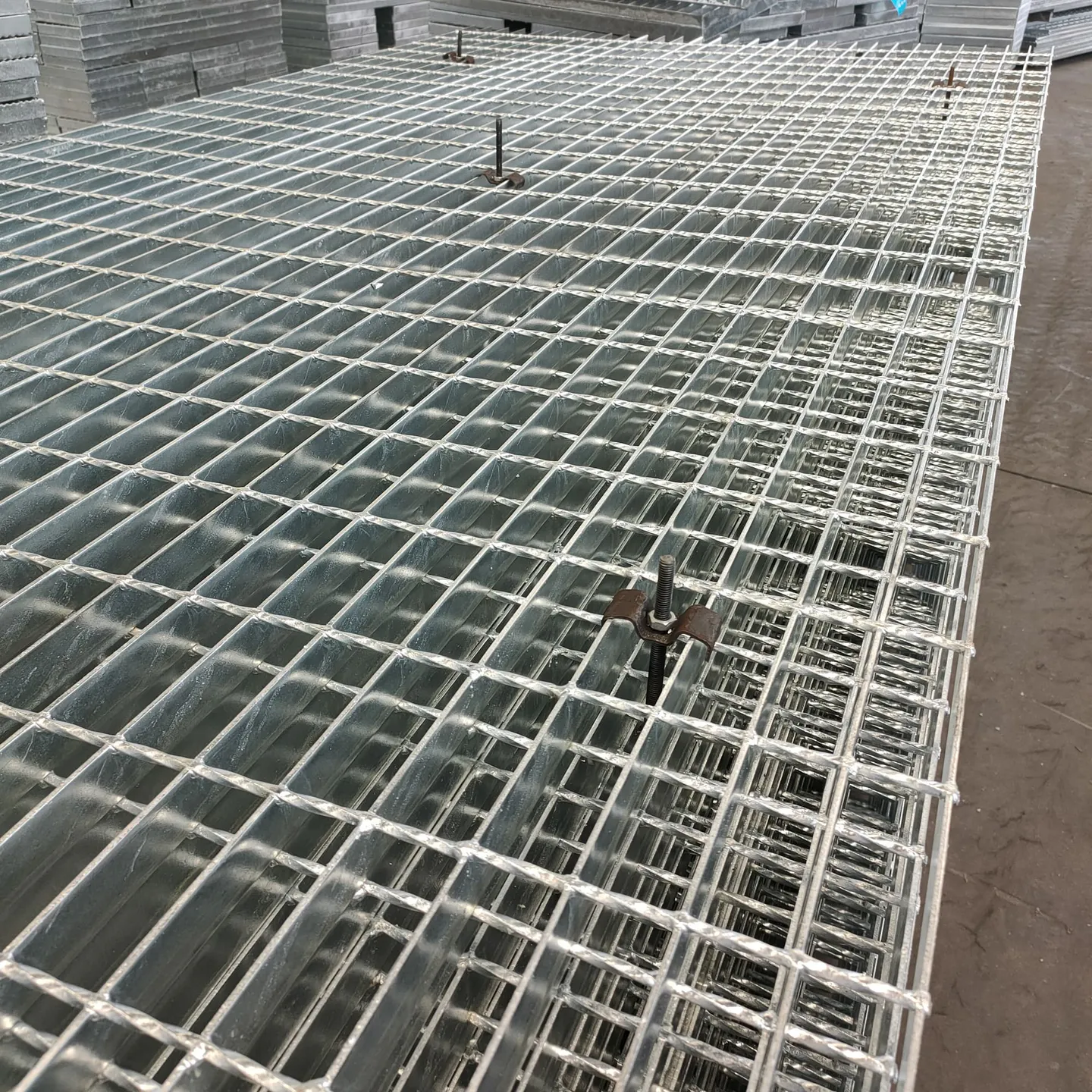
Galvanized Steel Grating
Hot-dip galvanized after fabrication for long-term corrosion protection on outdoor platforms, walkways and trench covers.
View product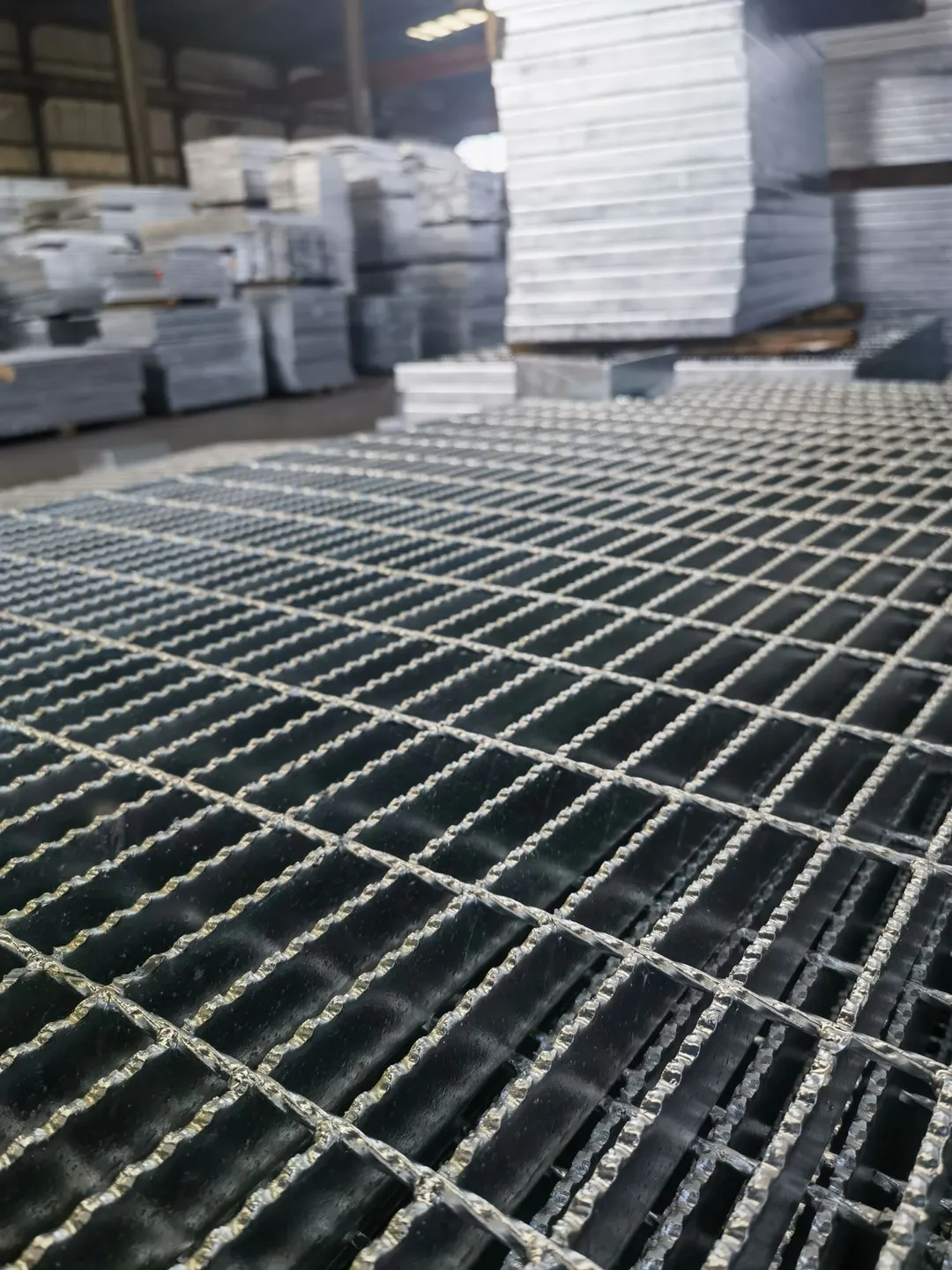
Serrated Steel Grating
Serrated bearing bars for added traction where wet, oily, snowy or inclined conditions are identified.
View productLow-mass material for rooftop access
Start from the permitted added weight and the verified rail span. Aluminum can reduce panel weight and ease manual handling; galvanized carbon steel may be preferred where the support design accepts the mass and project cost or stiffness priorities point that way. The selected profile has to be confirmed against span and maintenance load for this roof; a profile from another roof is not a valid default.
Check the interface with rails, fasteners and adjacent metals. Where dissimilar-metal contact is possible, the supporting-system designer should confirm isolation and fastening details. Wet or frosty exposure also affects the surface decision; a light panel still needs a walking surface suited to the maintenance conditions.
- Compare total installed weight, not material density alone
- Verify the actual rail span before selecting a profile
- Coordinate dissimilar-metal interfaces and fasteners
- Use the wet-weather condition to decide plain or serrated surface
Inquiry
What to Send Us
These parameters let us confirm the specification and prepare a quote with fewer clarification rounds.
- Roof or array layout with rail and purlin positions
- Allowable added dead load and maintenance load
- Clear span and bearing-bar direction
- Walkway width, route, level changes and access method
- Dew, frost, snow, salt-air and cleaning conditions
- Panel handling limit and preferred fixing system
- Quantity and destination
Installation
Installation Notes
- Coordinate fixing and uplift restraint with the approved roof or rail system.
- Keep panel sizes practical for the available lifting and carrying route.
- Do not drill or penetrate roof systems outside the approved attachment detail.
Project Evidence
See the Application in Context
These published project pages show the available application evidence without disclosing customer identities or unverified order details.
FAQ
Solar PV Walkway Grating FAQs
Is aluminum always the best choice for a solar walkway?
What determines the grating span on a PV roof?
Should a rooftop walkway be serrated?
How should rooftop walkway panels be sized for handling?
Send Your Drawings, Get a Confirmed Specification
We aim to reply within one business day during published business hours.