Full plate coverage
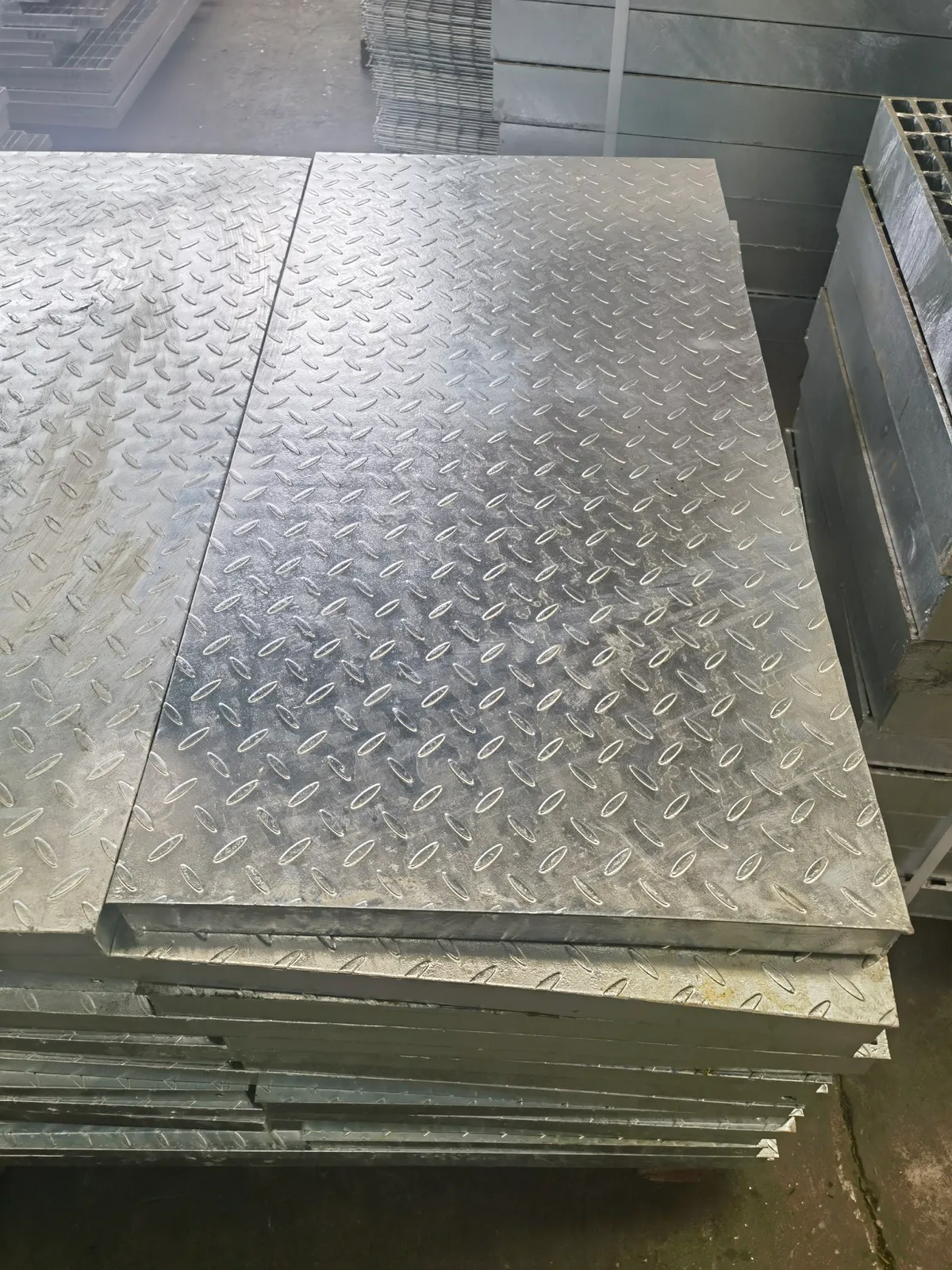
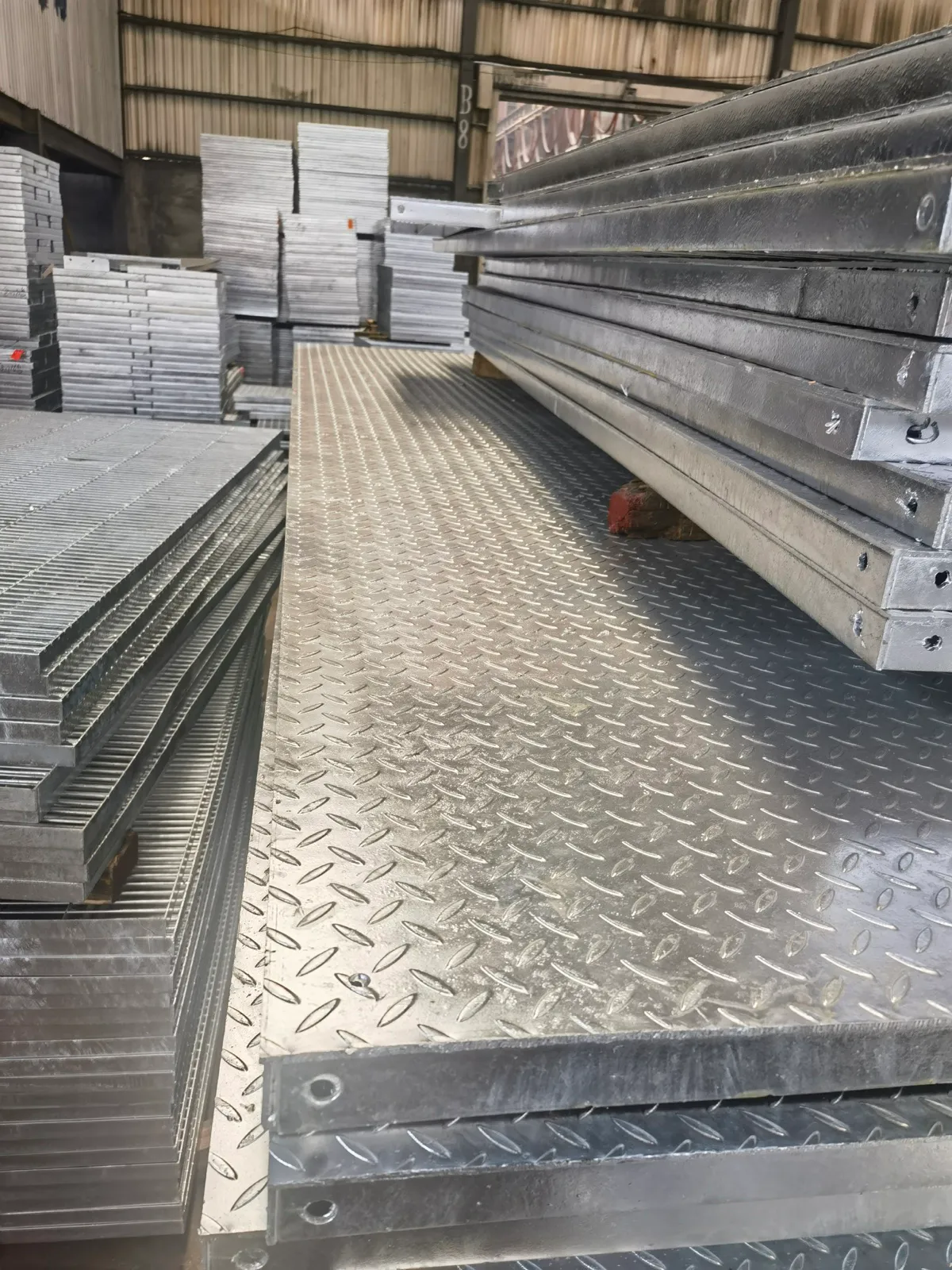
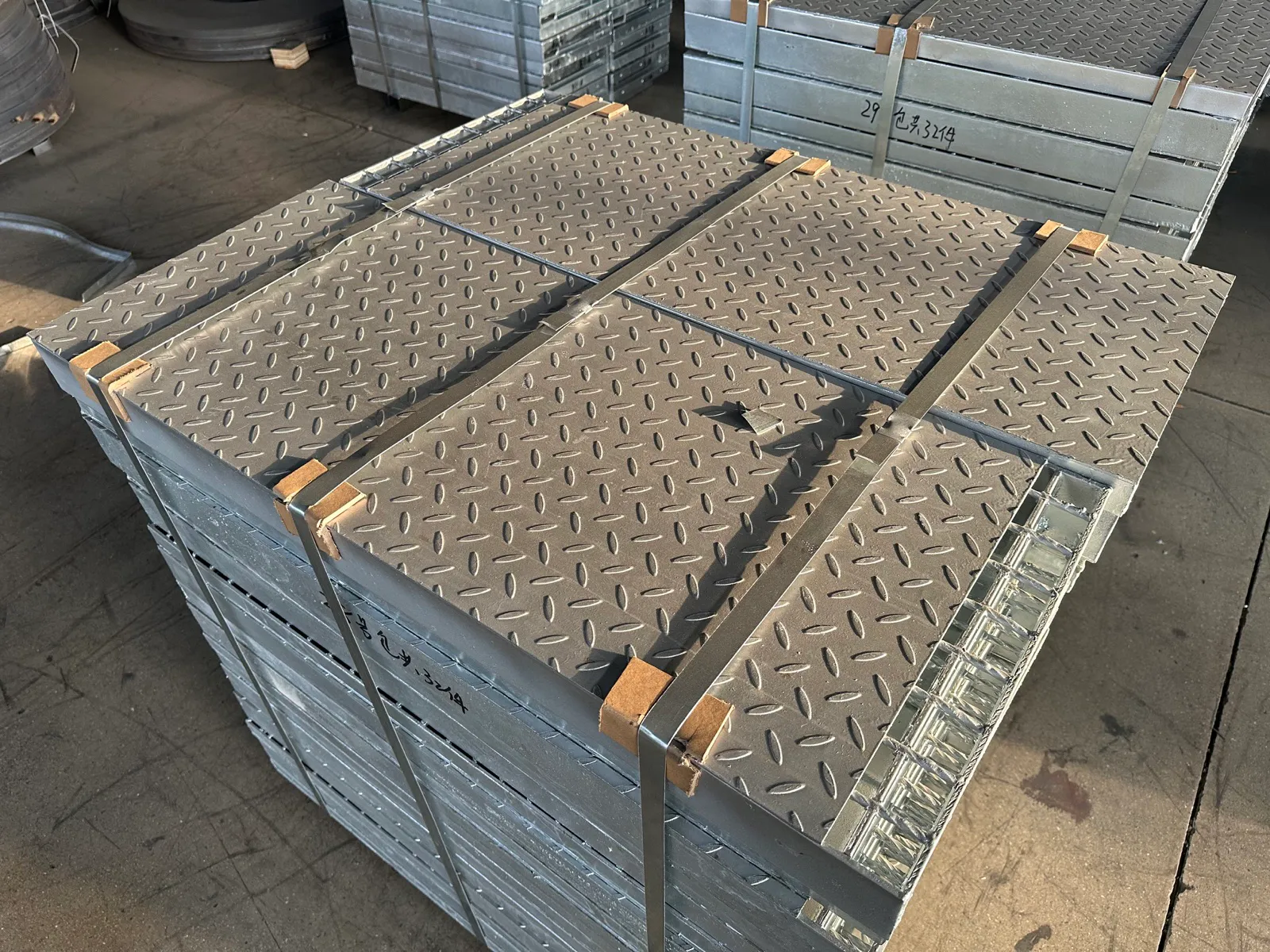
A continuous plate covers the grating base; self-weight, drainage and lifting requirements are confirmed with the support design.

Engineering
Steel Grating Load Tables: How to Read and Use Them Steel Grating Sizes and Dimensions: What Each Number Means Steel Grating Standards Guide: NAAMM, ASTM, ISO and Regional CodesEngineered Around Your Load & Span
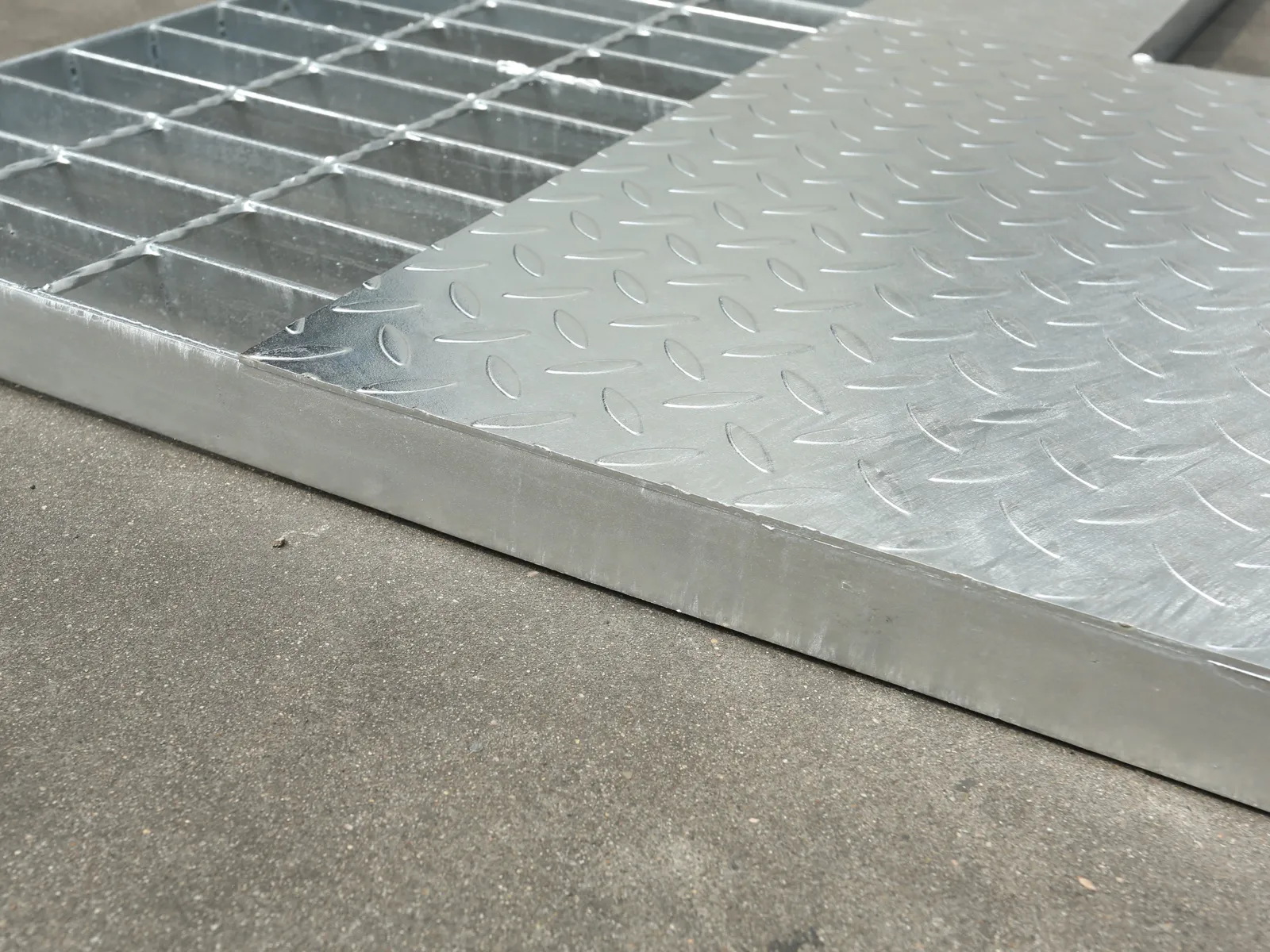
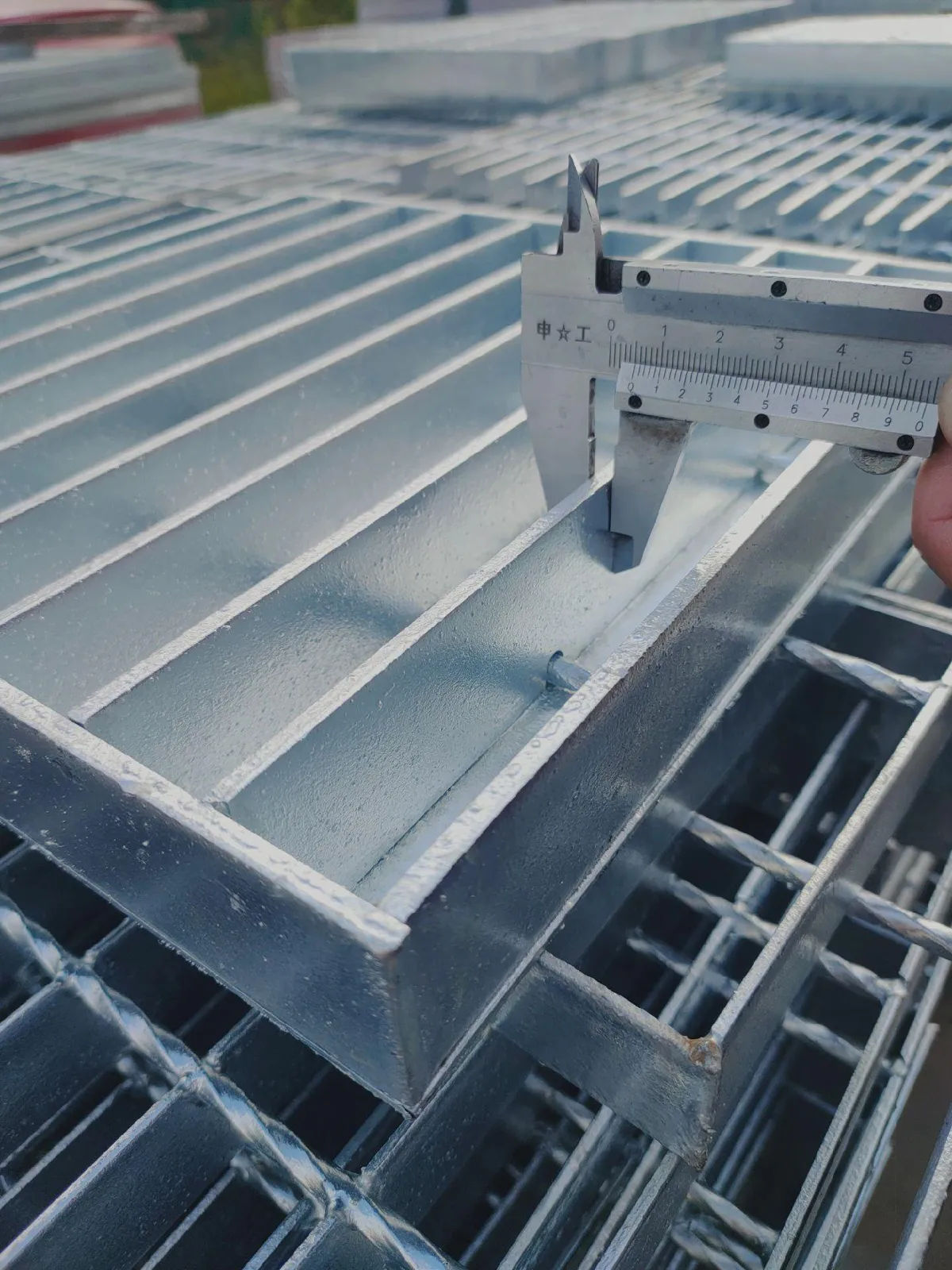
Compound steel grating joins a load-bearing grating base to checkered plate or another steel plate layer. The combination keeps the structural logic of bearing bars while closing part or all of the opening to reduce small-object fall-through and create a more continuous walking surface.
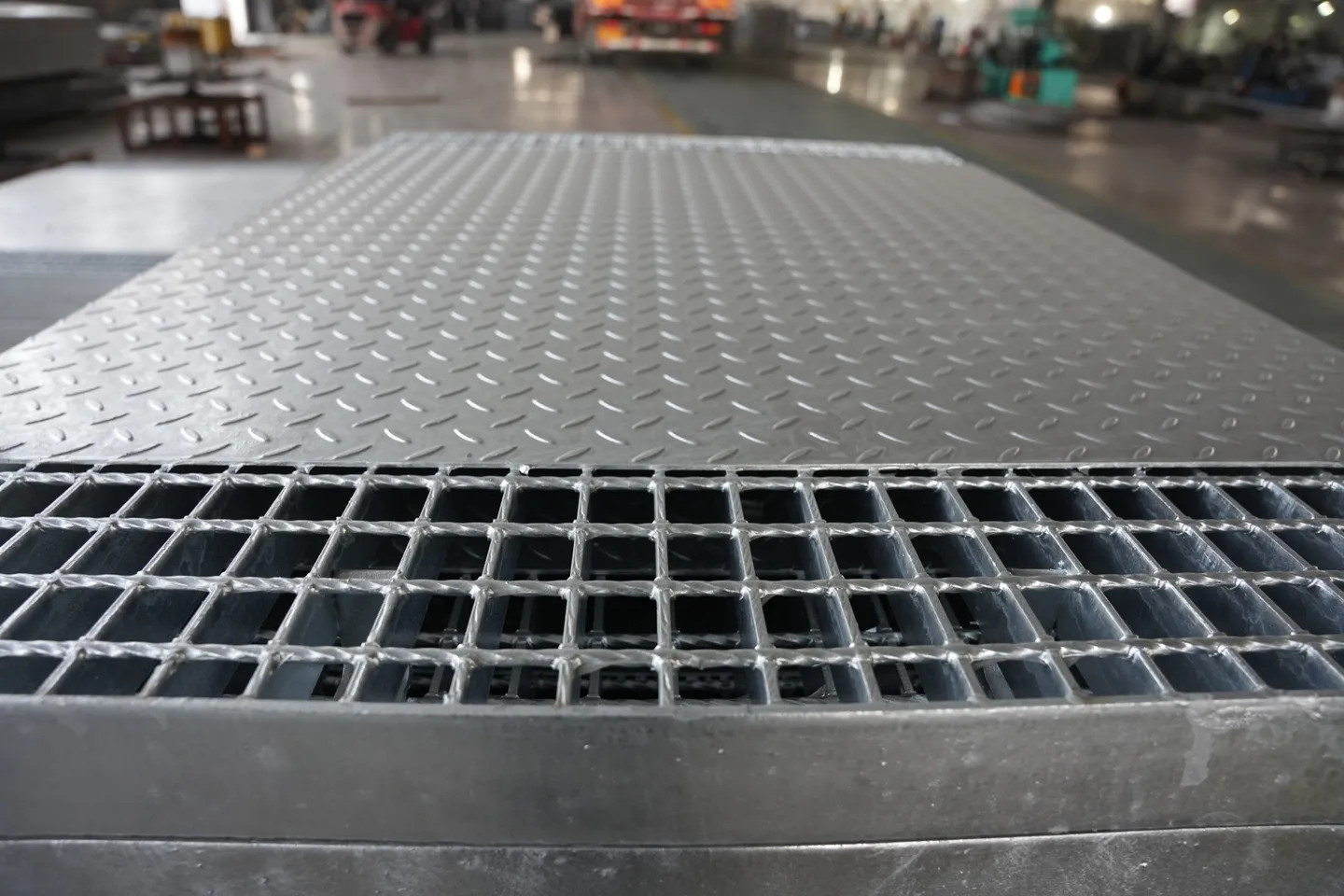
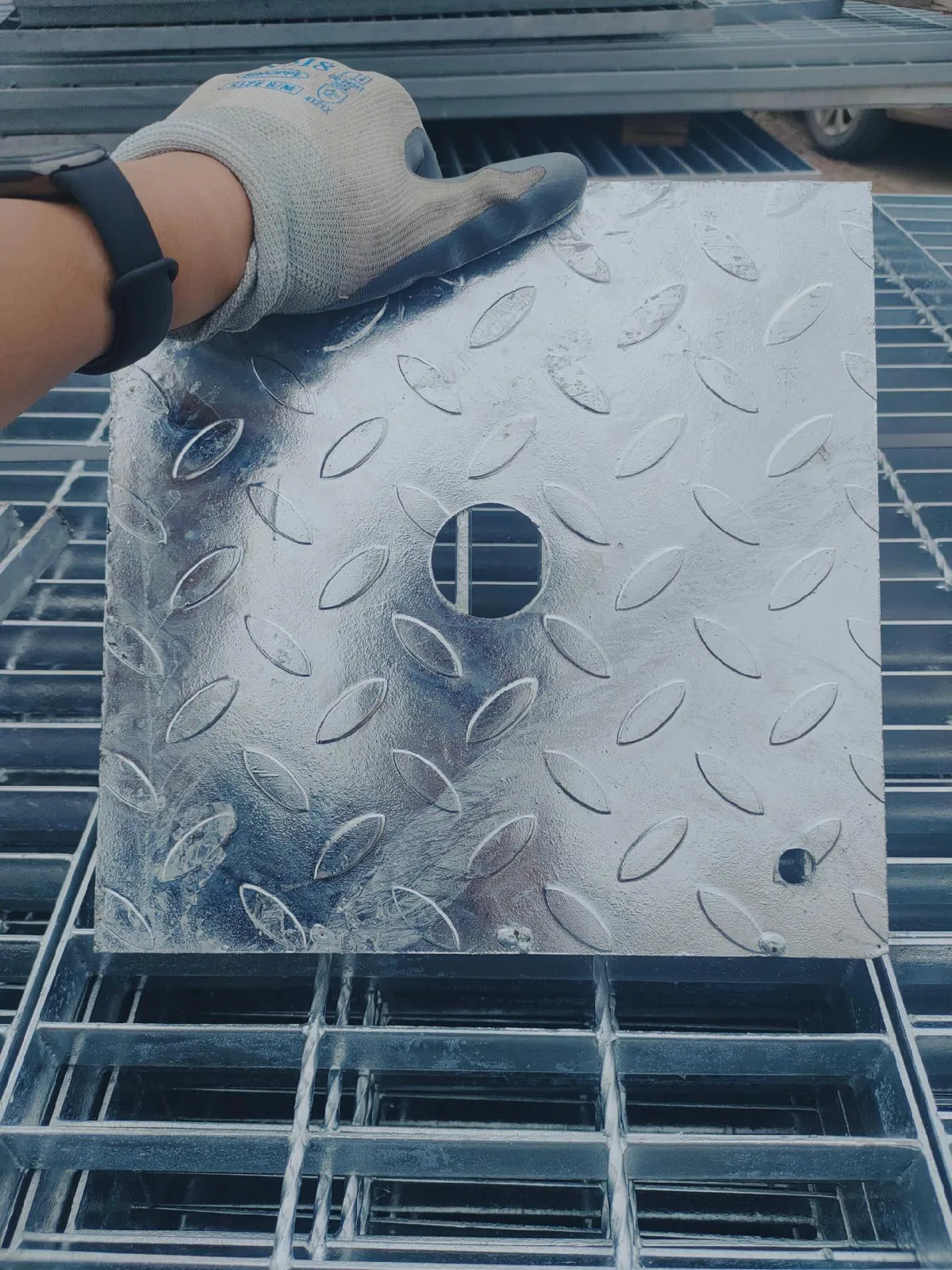
The grating base carries load to the supports; the attached plate changes the surface. Full plate coverage provides the most continuous top, while partial coverage can retain open areas for drainage or access. Plate layout, seams, fixing details and cut-outs therefore belong on the approved fabrication drawing.
The trade-off is direct: plate adds self-weight and reduces the airflow, daylight and drainage that make open grating useful. The complete assembly—not the grating base alone—must be checked against the support layout, handling method and operating environment.
Gallery
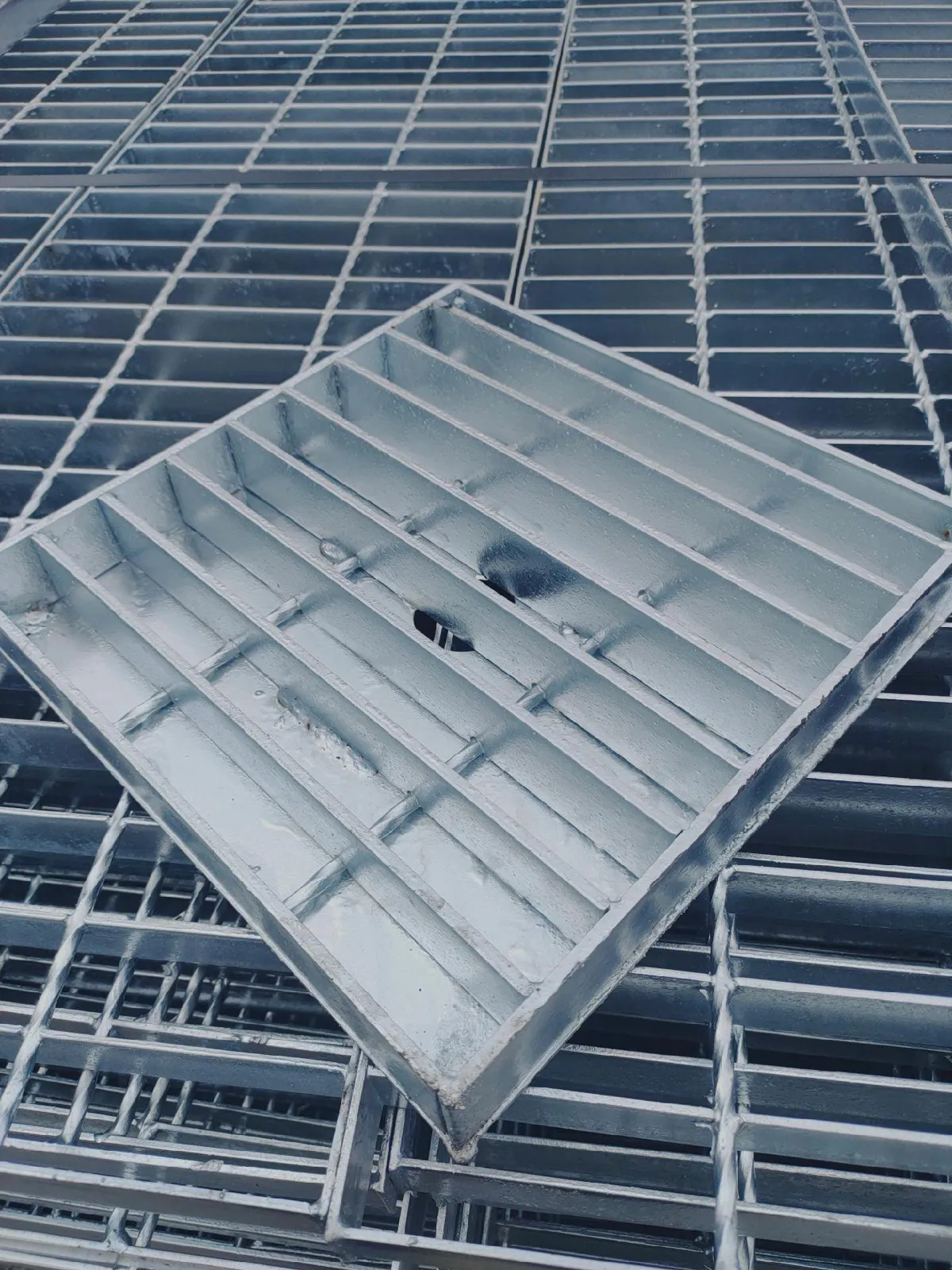
Variants
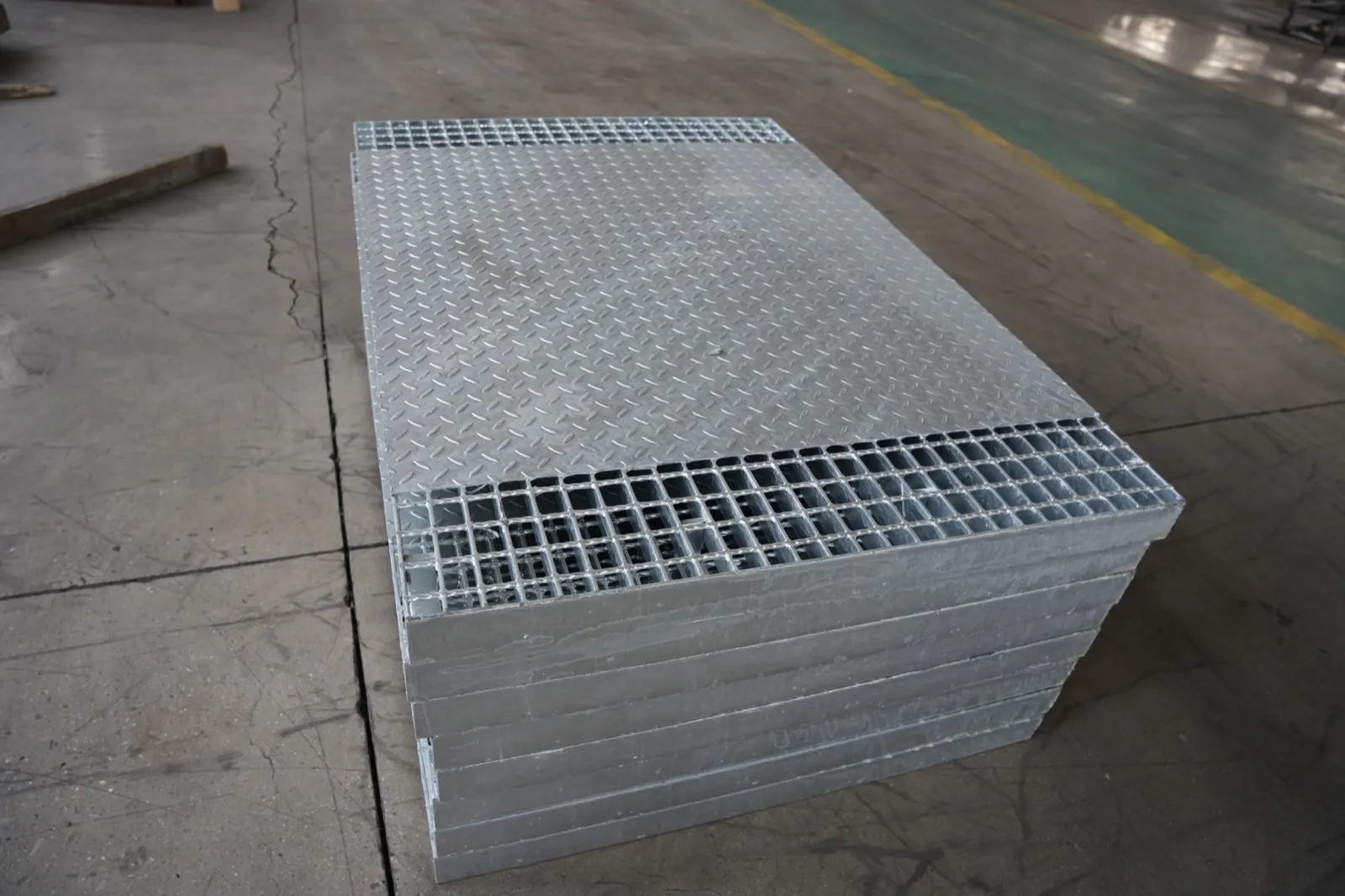
A continuous plate covers the grating base; self-weight, drainage and lifting requirements are confirmed with the support design.
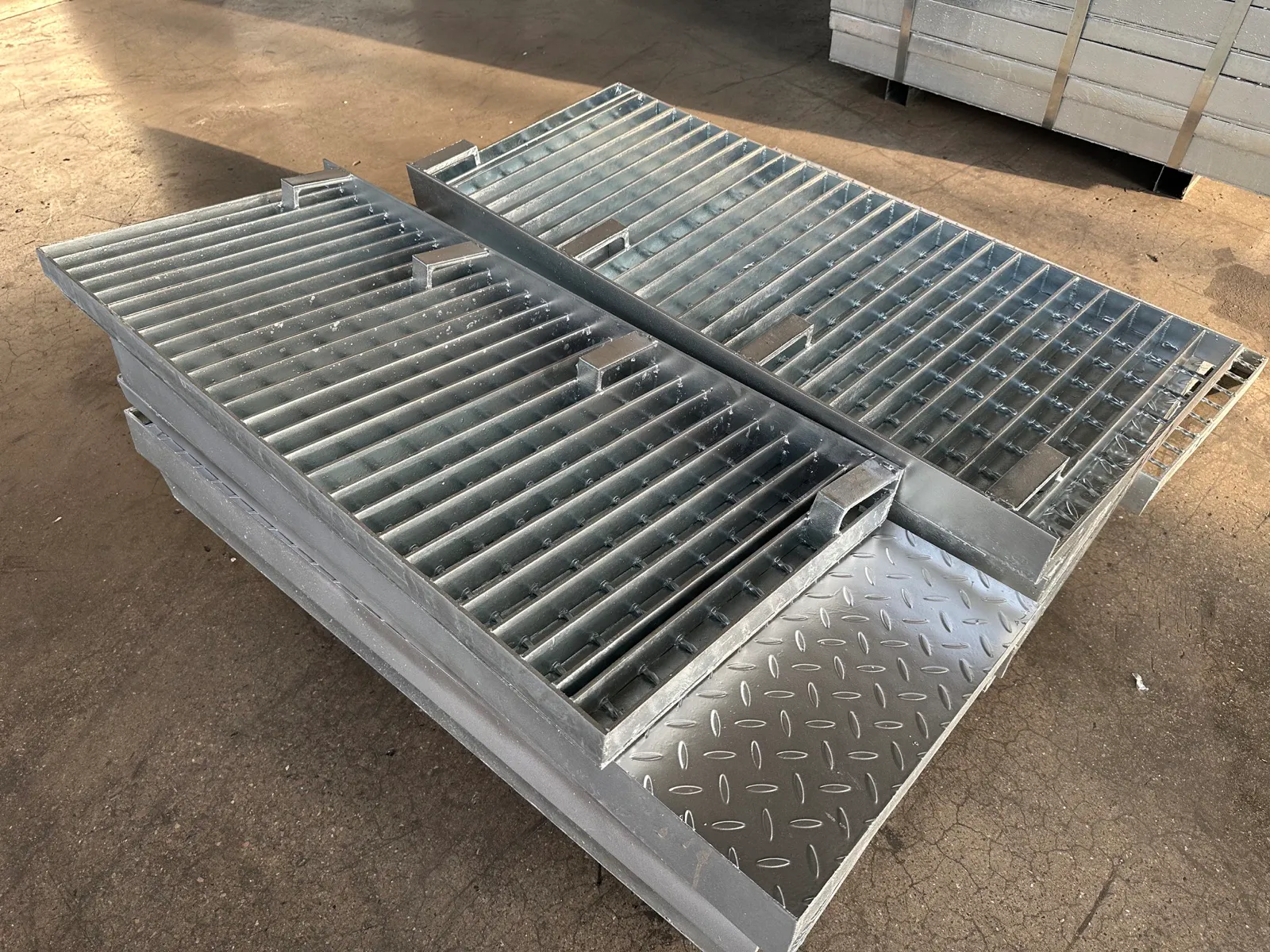
Plate is limited to defined traffic or containment zones so selected areas of the grating remain open.
Openings, notches and perimeter banding follow the approved layout and panel-number schedule.
Applications
Compound plate coverage is used selectively where a continuous tread, small-object containment or defined wheel path is required. Keep drainage, ventilation and sprinkler-critical zones open, and confirm the mixed layout on the approved drawing.
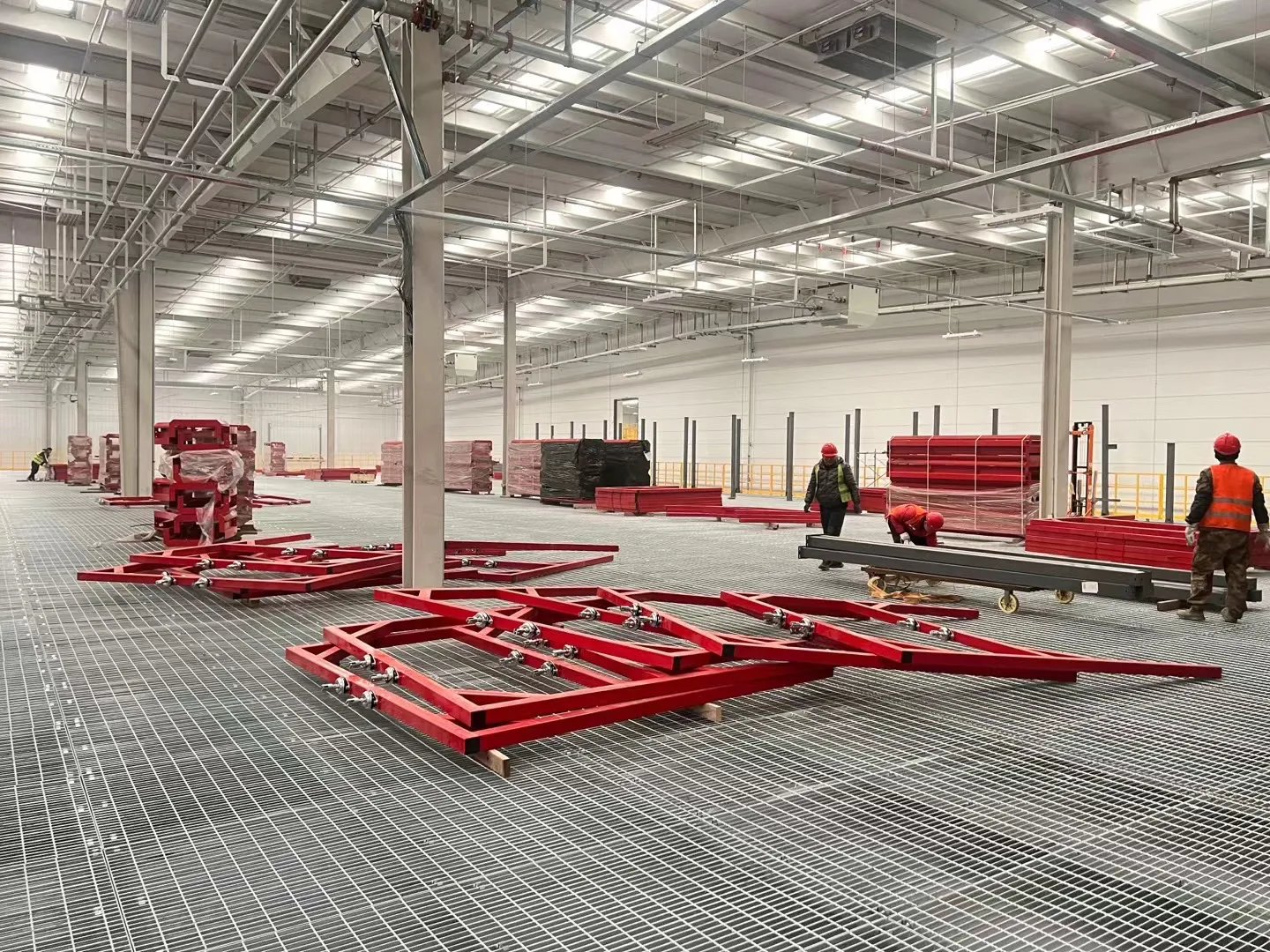
Mezzanine and factory flooring that combines load capacity with light, air and sprinkler penetration.
View application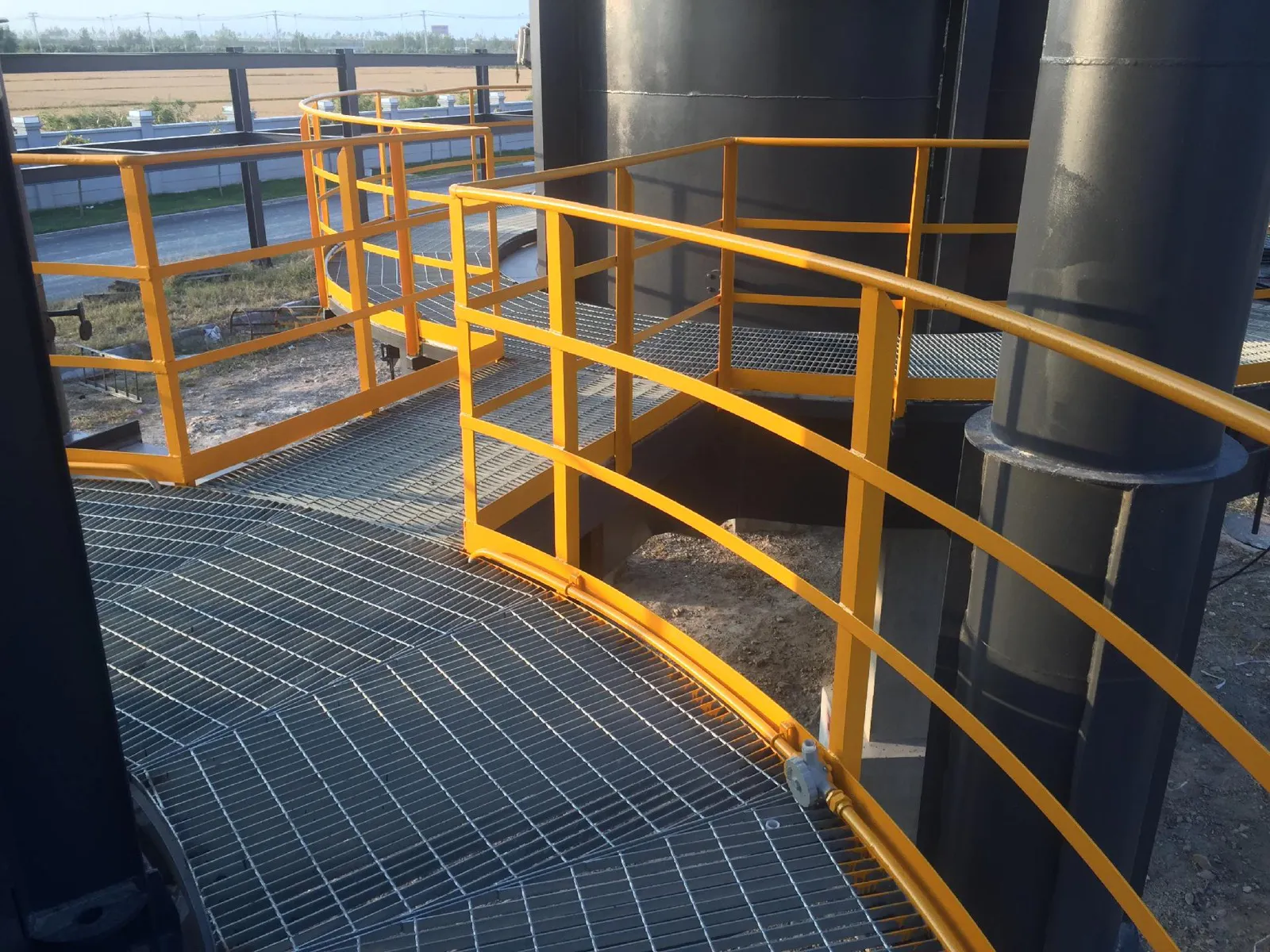
Open-grid flooring for chemical plants, equipment platforms and mezzanines — strength, drainage and ventilation in one panel.
View application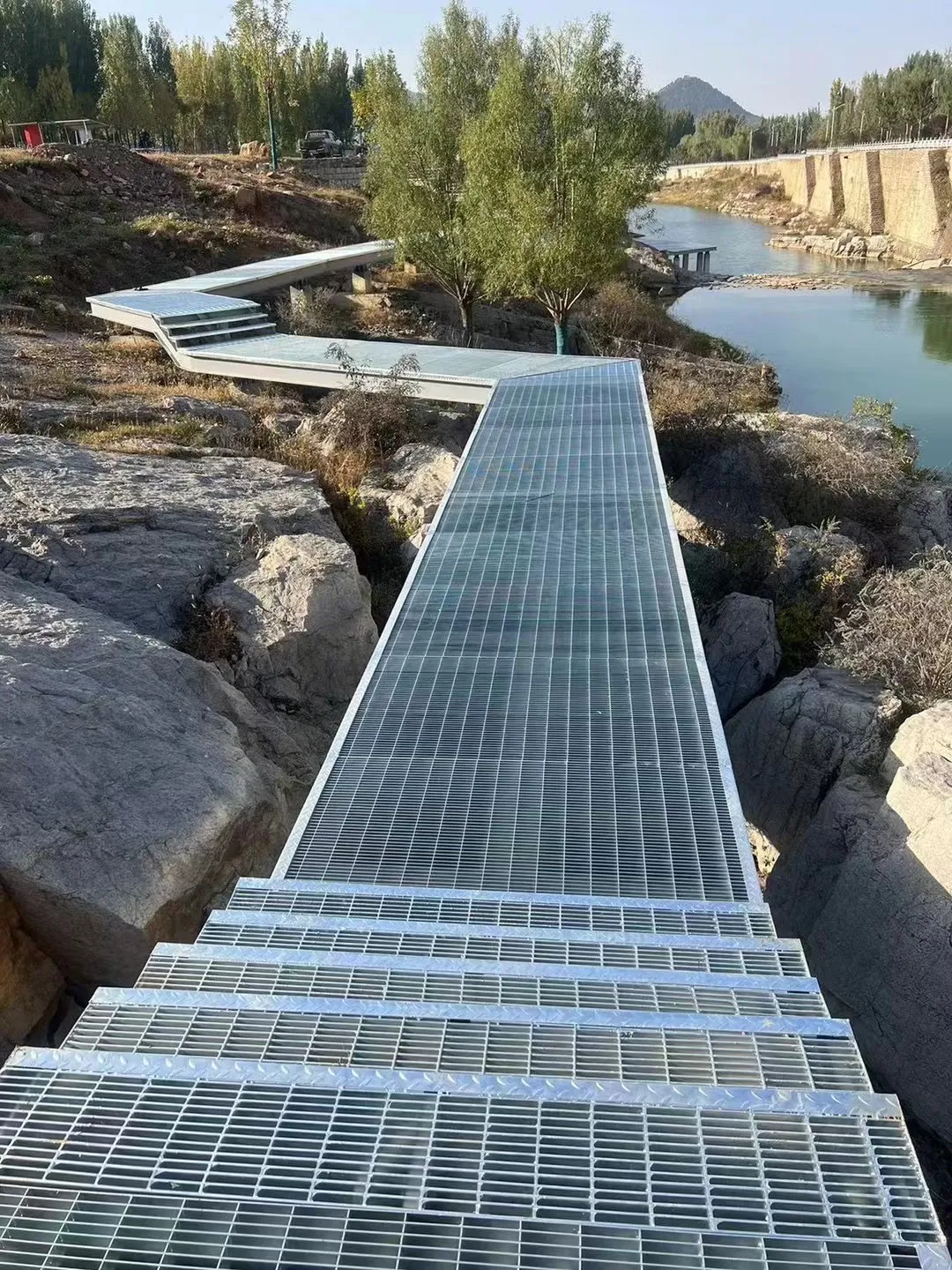
Safe, drained, ventilated walkways for photovoltaic arrays, pipe racks, tank farms and roof access routes.
View application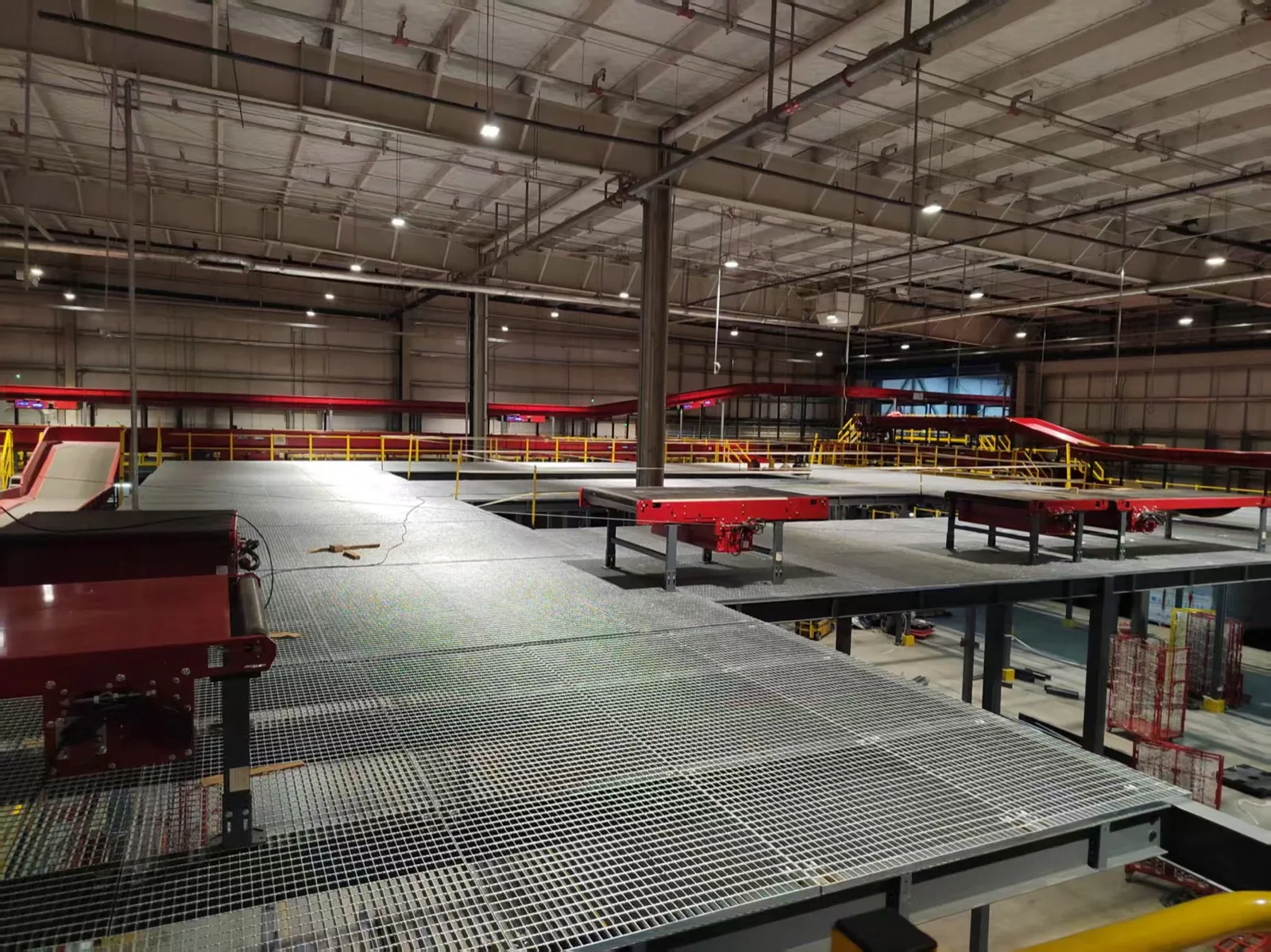
Open-grid flooring for multi-level logistics platforms where light, ventilation, sprinkler paths and small-wheel traffic interact.
View applicationFabrication & QC
Packaging
FAQ
We aim to reply within one business day during published business hours.