


Choose by Load, Material & Environment
Steel Grating: Types, Materials and Specifications
Fourteen product families organized by construction, material, performance and custom form — a clearer route from project requirement to the right specification.
What Is Steel Grating?
Steel grating is an open grid made from load-bearing flat bars joined by cross bars. The bearing bars carry the load across the supports, while the cross bars tie the grid together and maintain the spacing. The openings let water, air and light pass through, which makes grating useful on industrial platforms and walkways.
In welded grating, the bearing bars and cross bars are welded at their intersections. Press-locked grating is assembled by pressing flat cross bars into slots in the bearing bars. In swage-locked grating, the cross bars pass through holes in the bearing bars and are mechanically deformed to lock the grid together.
Hot-dip galvanized carbon steel is common for outdoor applications. Stainless steel is used where the environment calls for greater corrosion resistance, and aluminum grating is common for lightweight access and marine walkways. Specify the material and construction on the project drawing.
Specification Path
Compare All Grating Families
Every category can be customized for span, load, material, surface and finish — capacity confirmed before quotation.
By Material & Finish
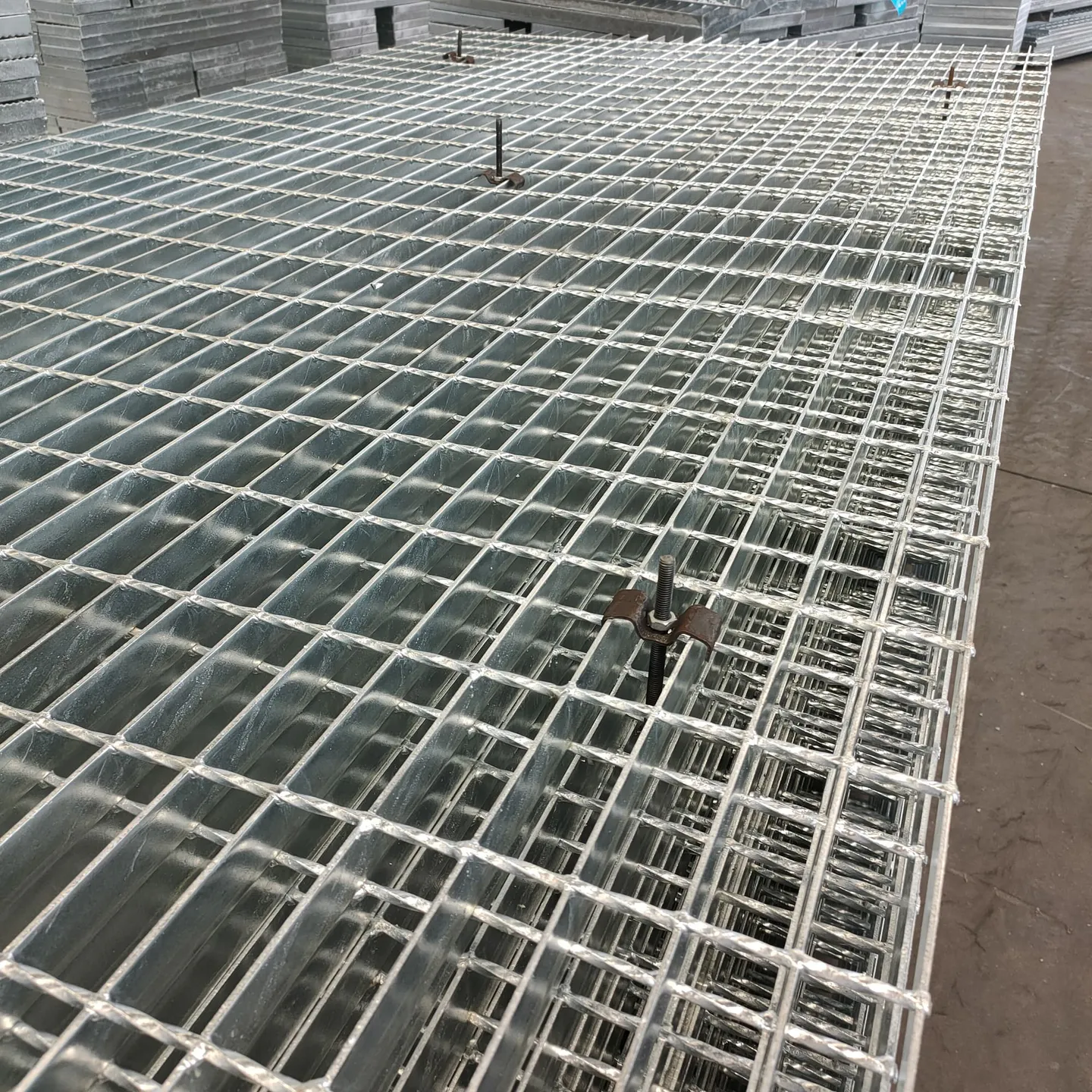
Galvanized Steel Grating
Hot-dip galvanized after fabrication for long-term corrosion protection on outdoor platforms, walkways and trench covers.
View product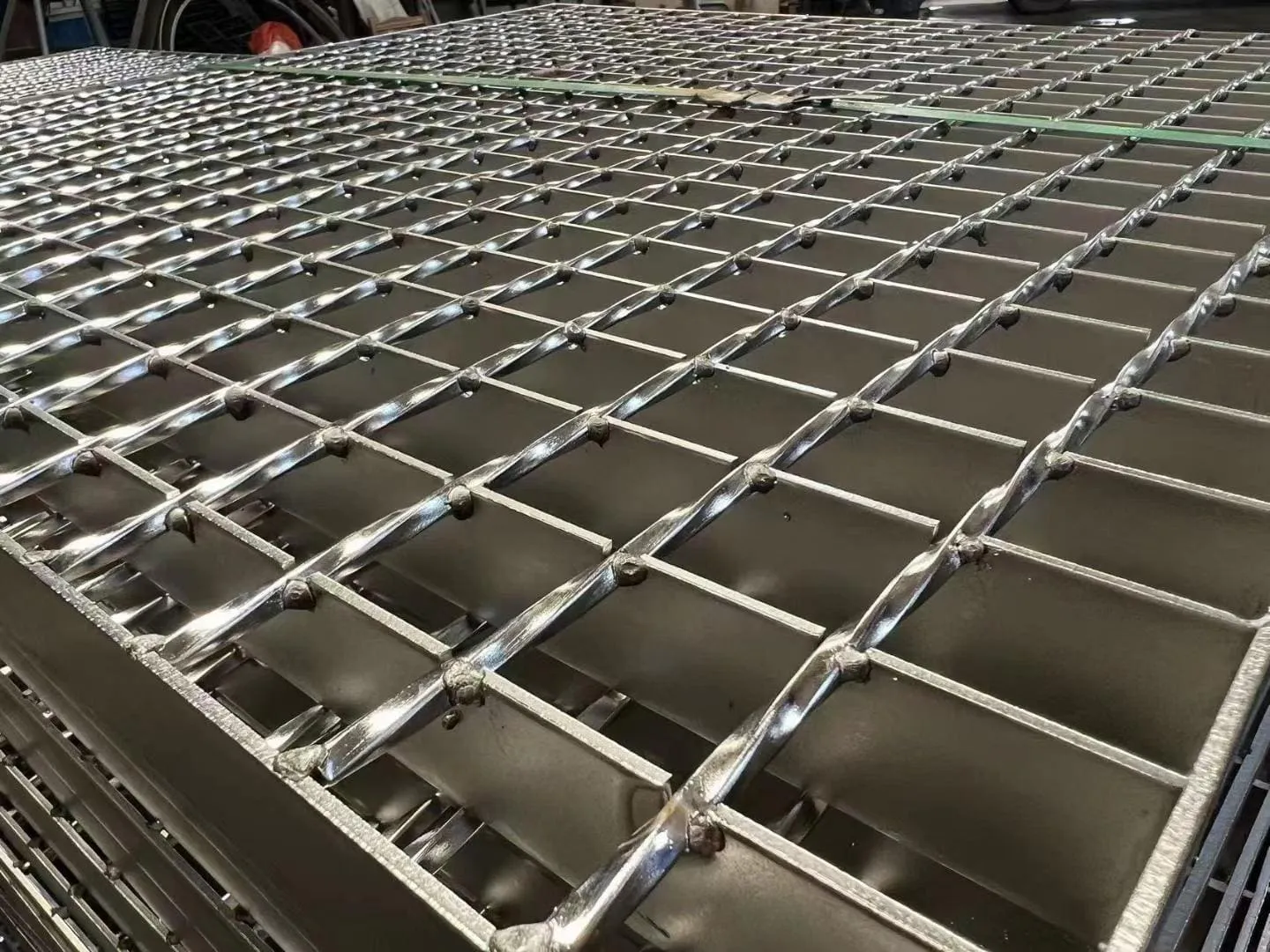
Stainless Steel Grating
SS304/316L grating for chemical, food-grade, coastal and hygienic environments — passivated or electro-polished.
View product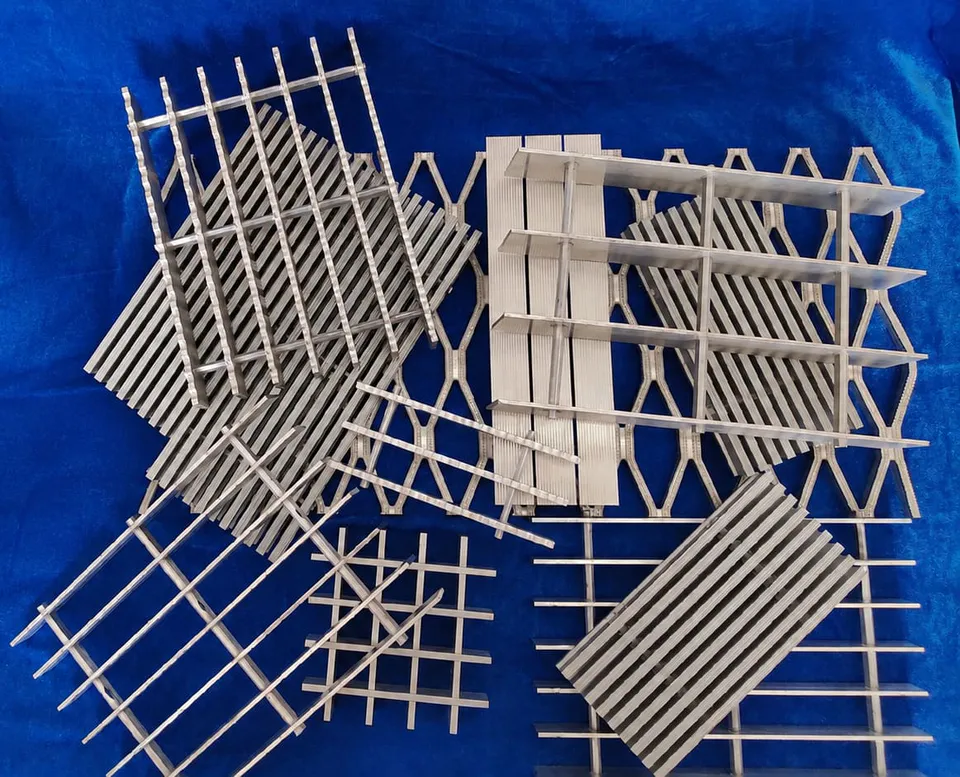
Aluminum Grating
Lightweight, corrosion-resistant aluminum bar grating for architectural, marine and light-to-medium duty platforms.
View productBy Construction
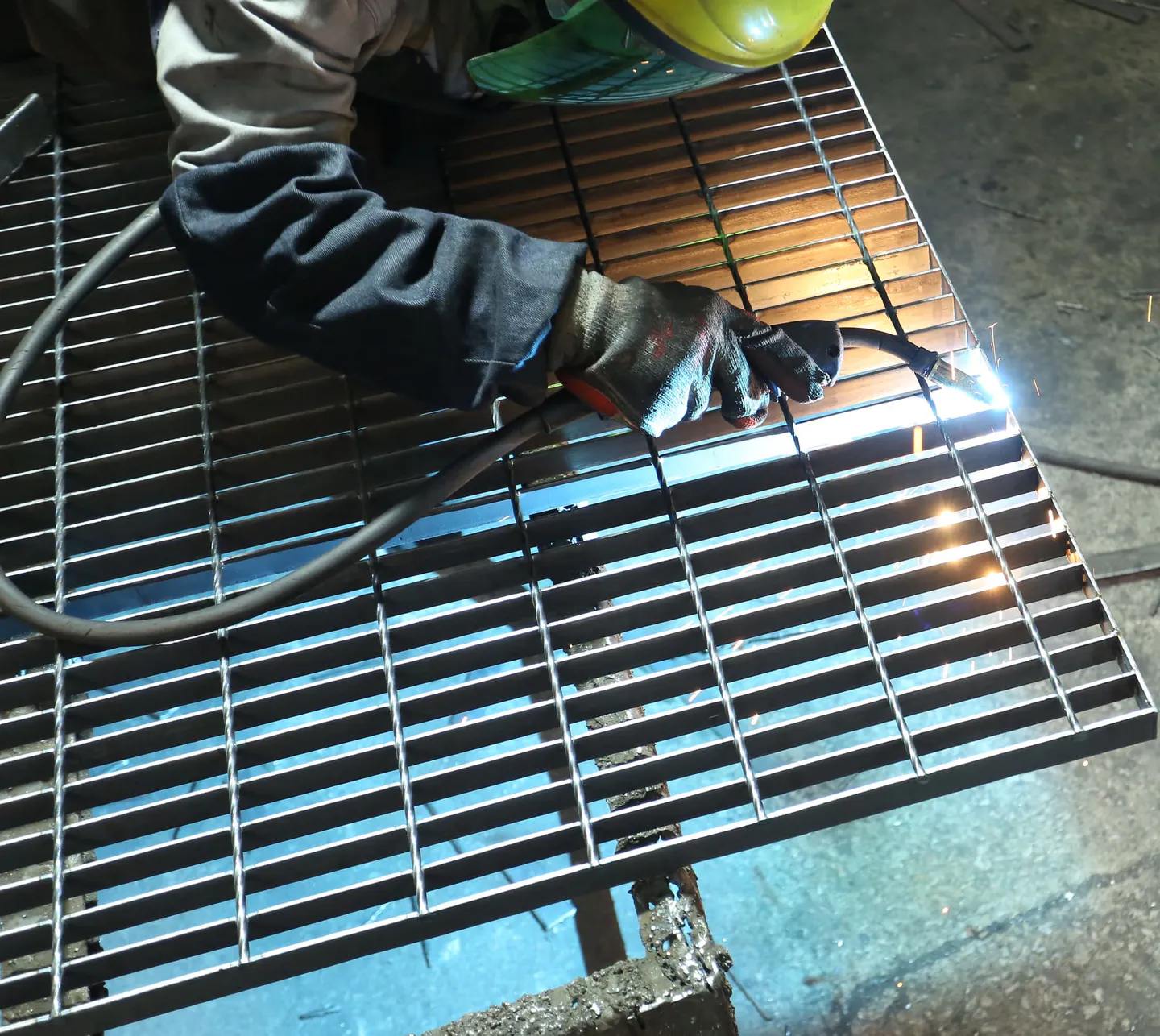
Welded Steel Grating
Press-welded bearing bars and cross bars — the most common, economical grating for platforms, walkways and trench covers.
View product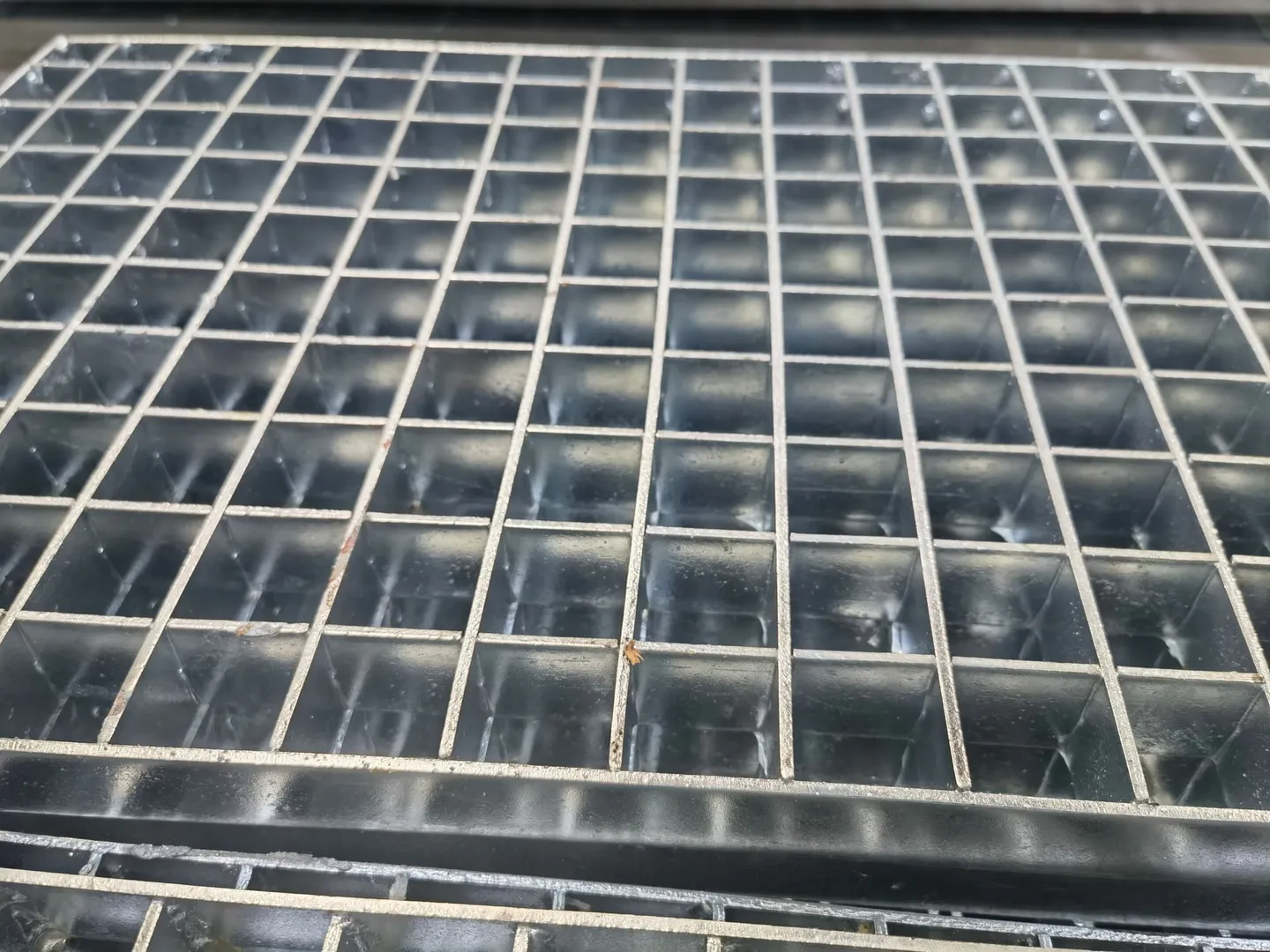
Press-Locked Grating
A mechanically locked grid with clean lines and flexible spacing options for industrial flooring, screens and projects where appearance matters.
View product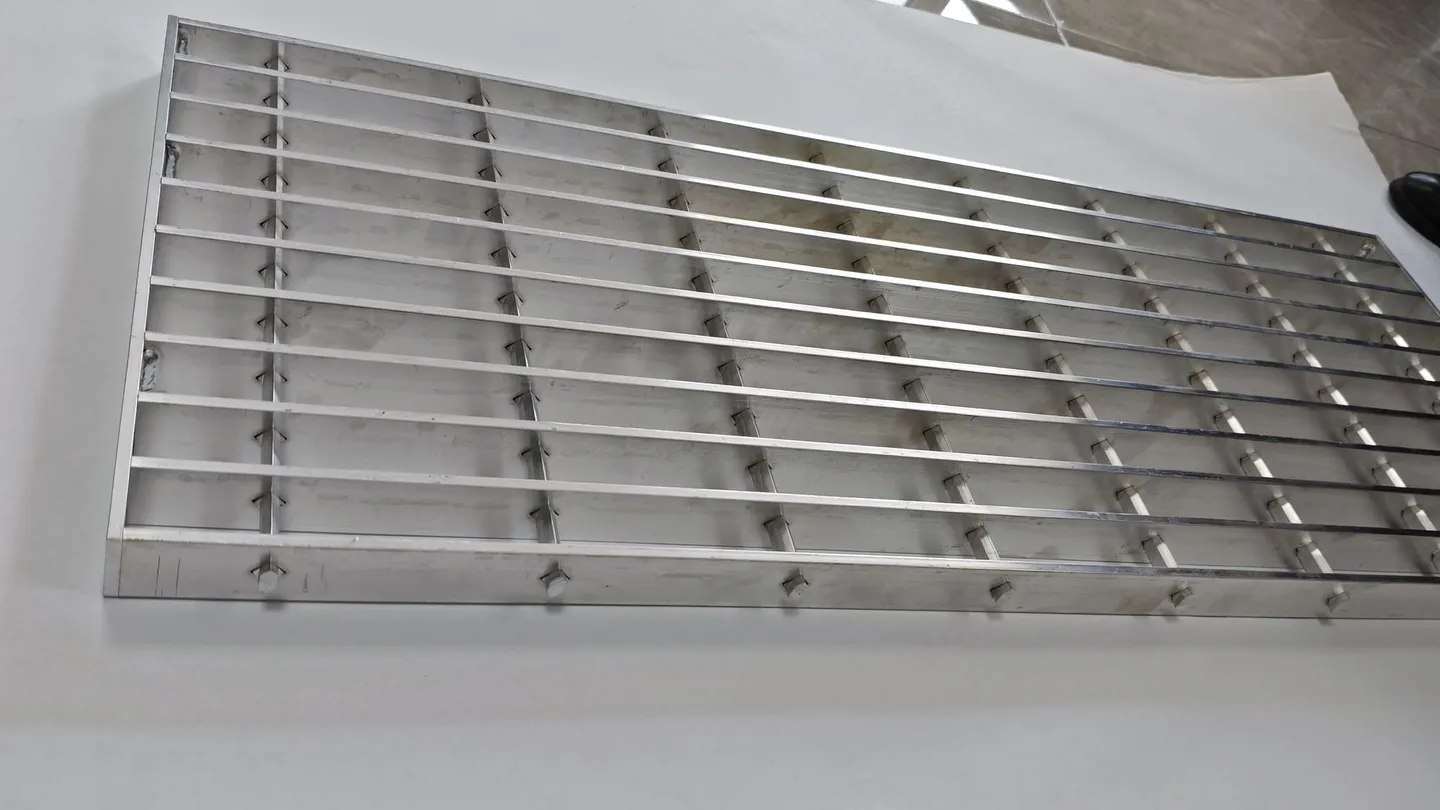
Swage-Locked Grating
A mechanically assembled grating construction commonly used for lightweight aluminum platforms, walkways and access systems.
View productBy Performance
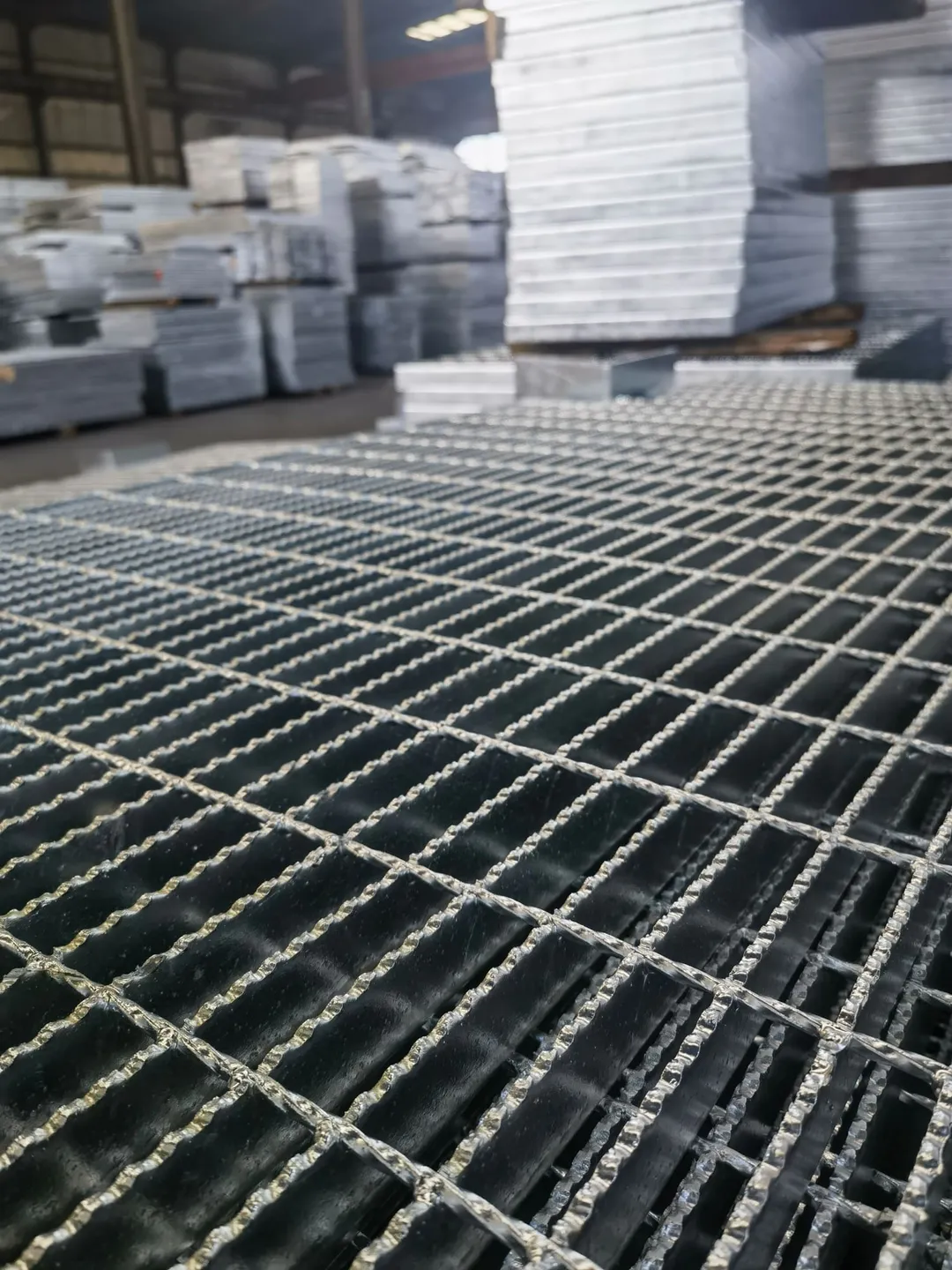
Serrated Steel Grating
Serrated bearing bars for added traction where wet, oily, snowy or inclined conditions are identified.
View product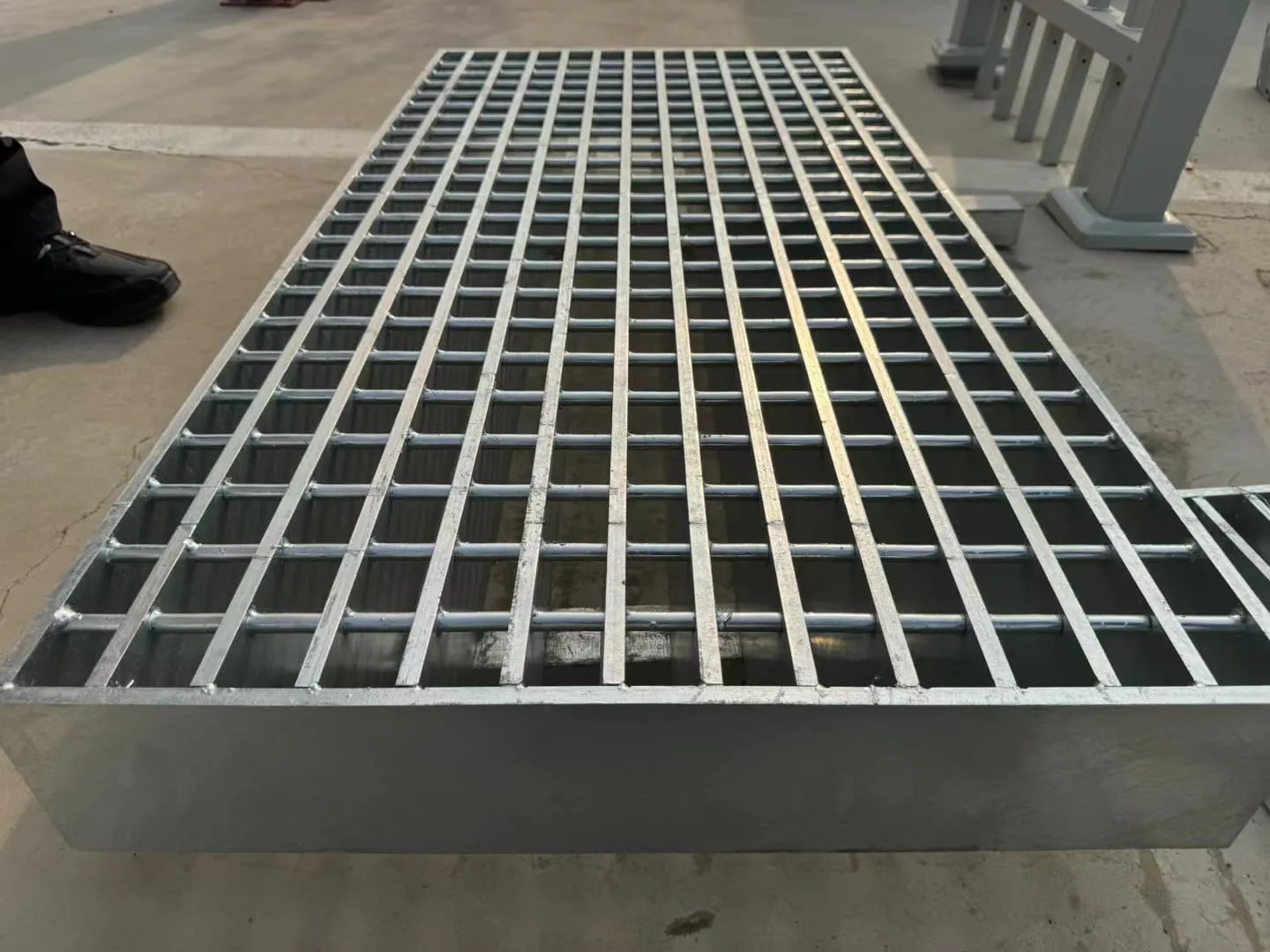
Heavy Duty Steel Grating
Heavy bearing bars for forklift, truck and equipment loads — engineered against span and support conditions.
View product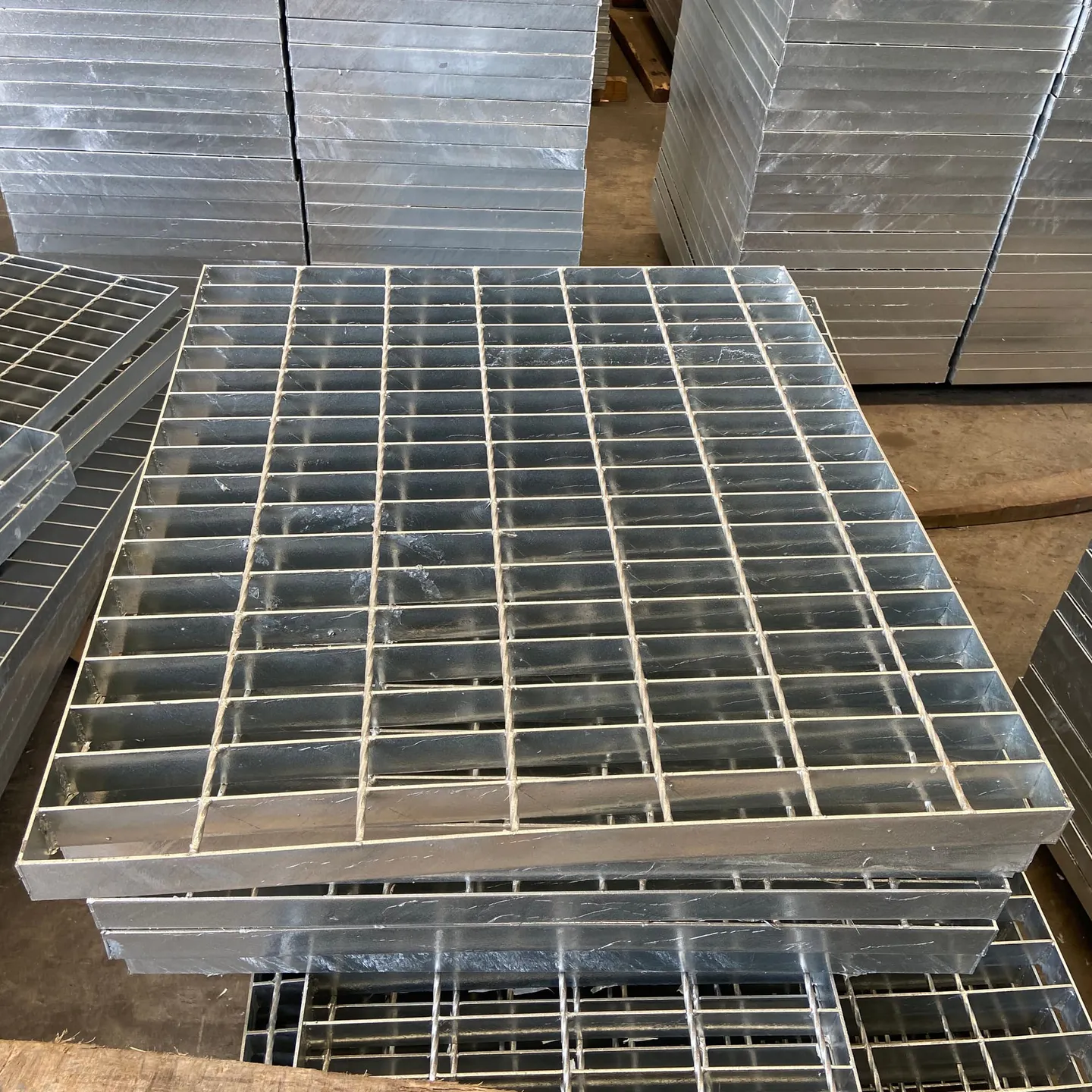
Light Duty Steel Grating
A material-efficient grating starting point for pedestrian and light maintenance access after span and load confirmation.
View productBy Form & Custom
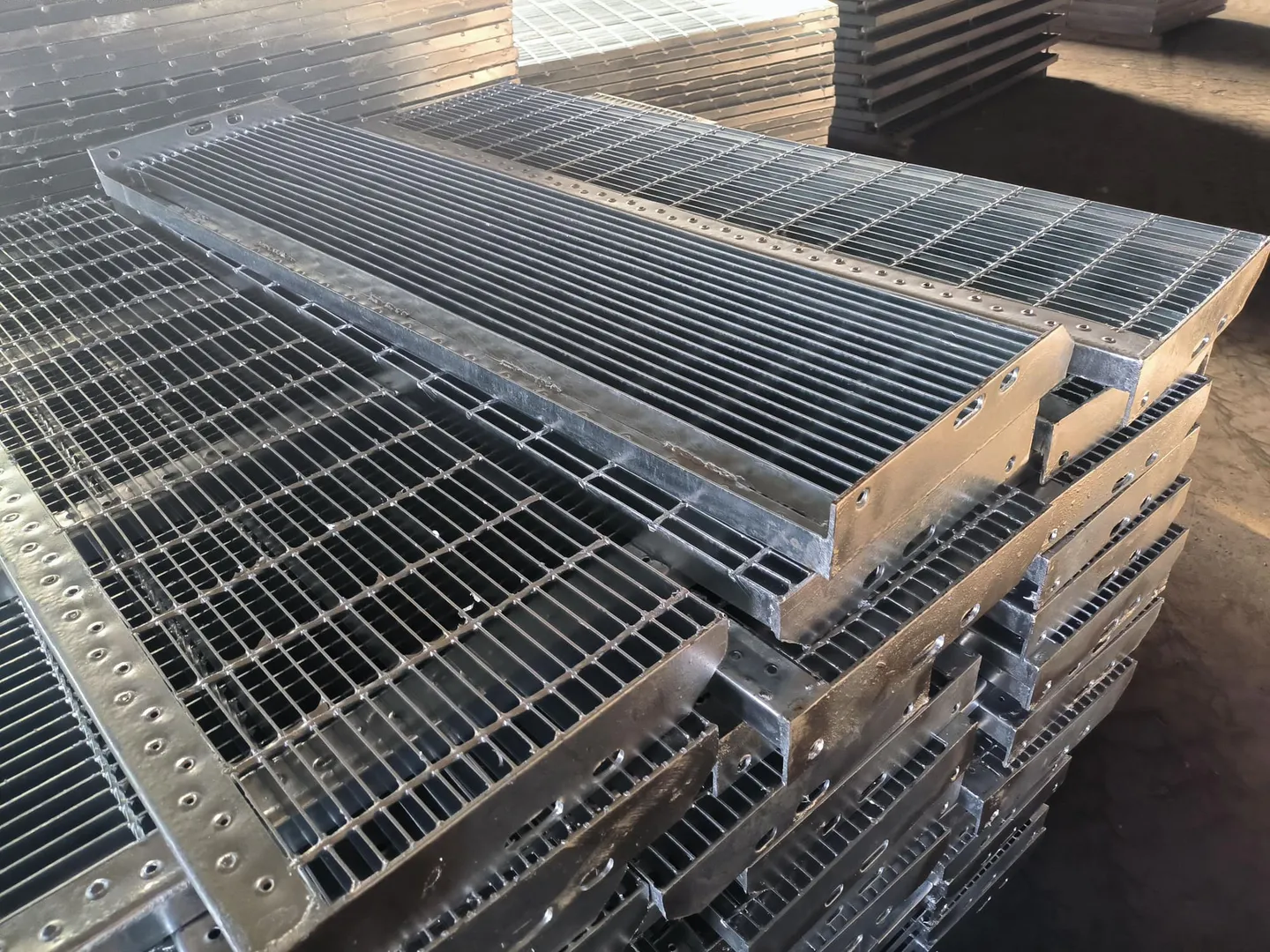
Stair Tread Grating
Grating stair treads with nosing, end plates and fixing holes — bolted or welded to industrial stair stringers.
View product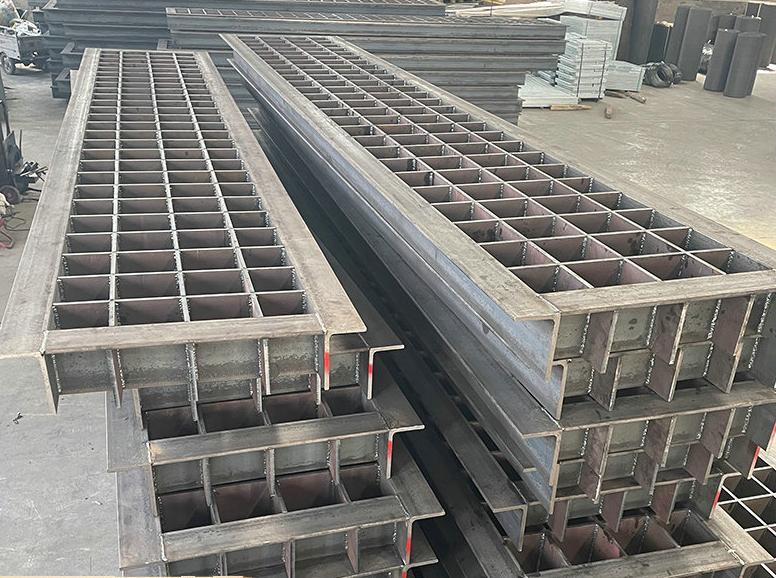
Trench Cover Grating
Drainage trench covers from pedestrian walkways to heavy vehicle crossings, framed and hinged options available.
View product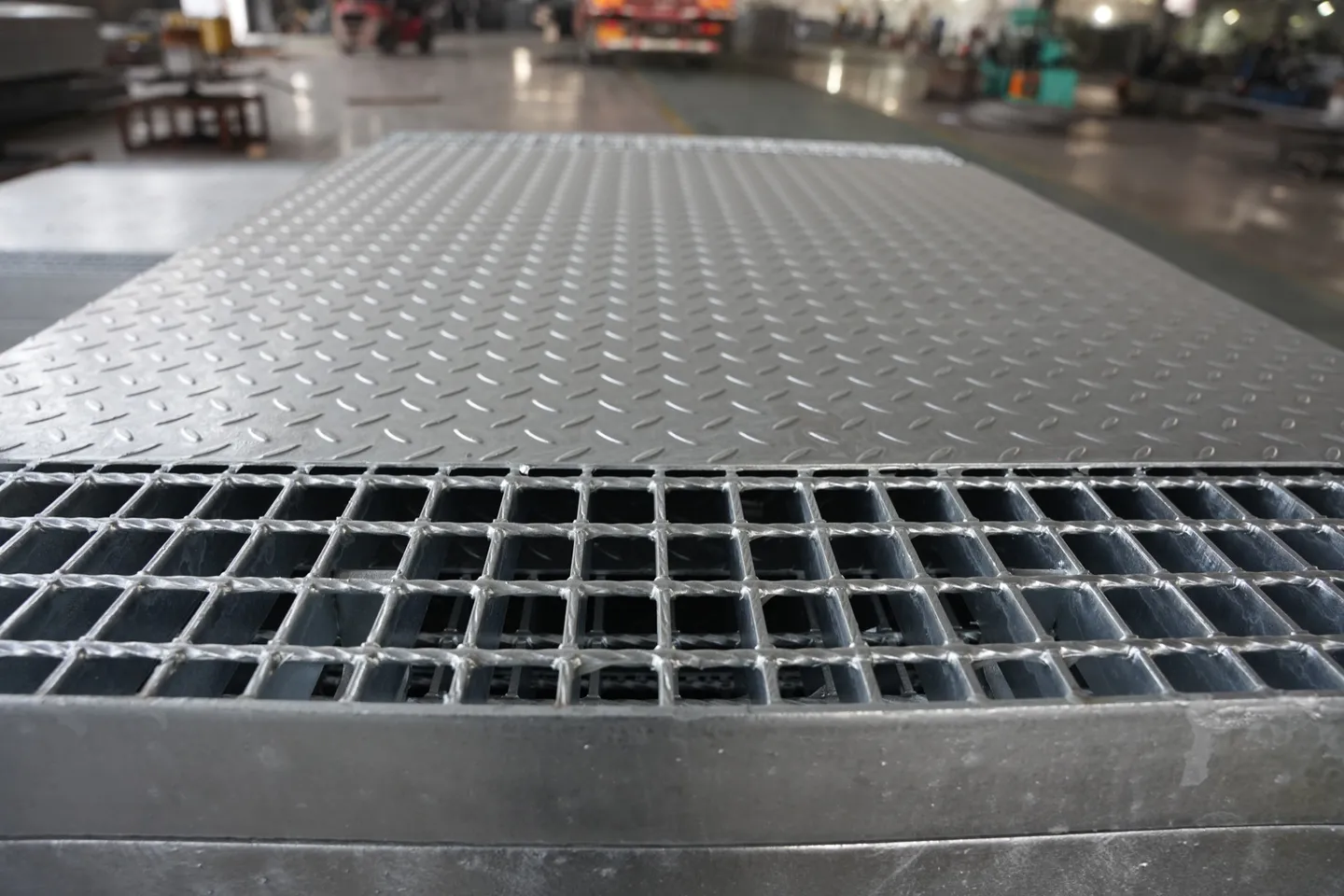
Compound Steel Grating
Bar grating combined with checkered or solid plate where load support and small-object containment must work together.
View product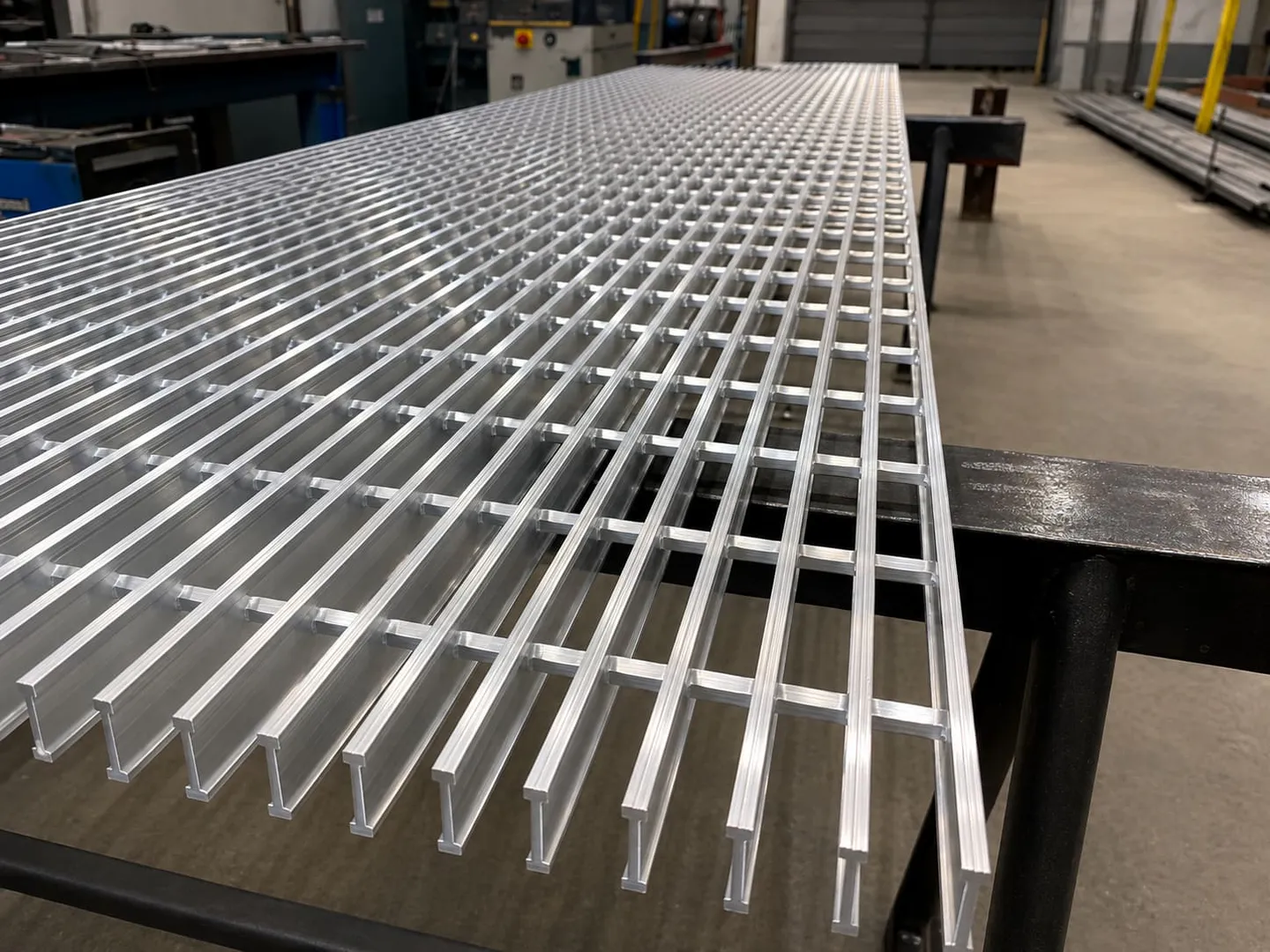
I-Bar Grating
An I-shaped bearing-bar profile that reduces material and panel weight where its verified load range suits the project.
View product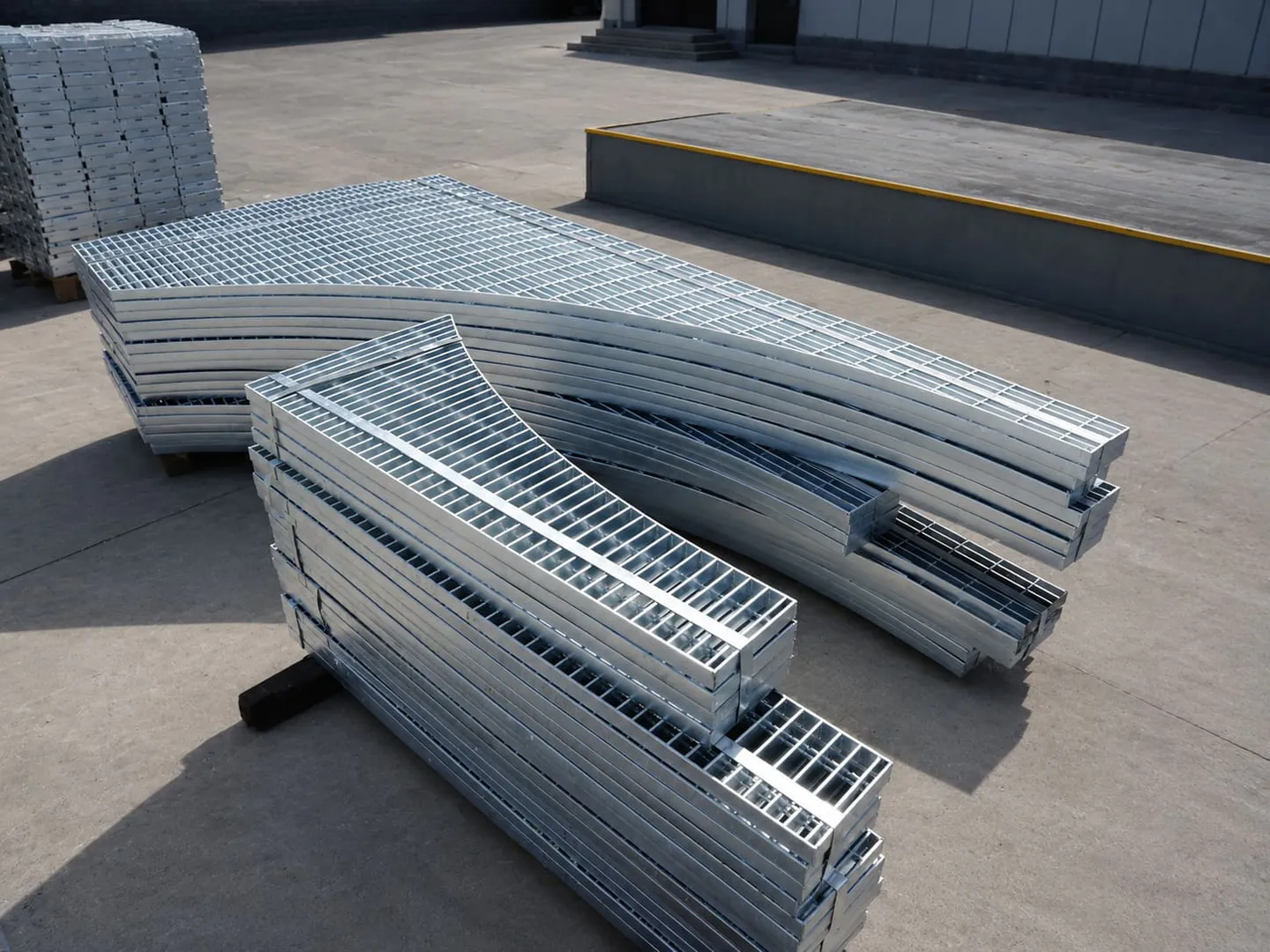
Custom Irregular Grating
Drawing-based non-rectangular panels with notches, cut-outs, curved edges and project panel numbering.
View productSteel Grating Specifications at a Glance
A panel drawing needs both the outside dimensions and the geometry of the bars. Bearing bar depth and thickness affect load capacity and weight. Bearing bar spacing sets the opening width, while cross bar spacing helps define the opening length and the stability of the grid. Use the values below as a starting point for comparing specifications.
| Parameter | Common values | Where to confirm |
|---|---|---|
| Bearing bar size | 25×3, 30×3, 32×5, 40×5, 50×5 mm. Approx. 20×3 to 100×10 mm overall. | Sizes and dimensions |
| Bearing bar spacing | 30 / 40 / 60 mm. Closer spacing by project. | Sizes and dimensions |
| Cross bar spacing | 50 / 100 mm or a specified imperial series | Sizes and dimensions |
| Panel size | Approx. 6100 mm along bearing bars × 1000–1200 mm wide | Sizes and dimensions |
| Bearing bar surface | Plain or serrated bearing bars | Serrated steel grating |
| Finish | Hot-dip galvanized after fabrication for carbon steel. Painted or mill finish where specified. | Galvanized steel grating |
| Weight per square metre | G325/30/100: 43.8 kg/m² black steel, 45.2 kg/m² hot-dip galvanized (theoretical). | Weight chart |
On the drawing, mark the bearing bar direction with an arrow. Measure panel length along the bearing bars and width across them. Show the clear span between the bearing edges separately from the overall panel length, and mark any intermediate supports. The final panel size depends on the specification, fabrication, galvanizing and transport.
When comparing weights, use the same bearing bars, spacing and finish throughout. The chart and calculator give theoretical weights for planning. Allow for banding and toe plates where they apply, and use the packing list for the actual net and gross weights.
How to Choose Steel Grating by Application
Start with how each area will be used. One project may need welded grating for a walkway, serrated grating for a wet section and heavy-duty grating at a vehicle crossing. Use the table to shortlist a product family, then confirm the span, loads, supports and environment for each area.
| Service condition | Typical choice | Product page |
|---|---|---|
| General platforms and walkways | Welded grating with press-welded bearing bars and cross bars. | Welded steel grating |
| Wet, oily or sloped areas | Serrated bearing bars for added traction. | Serrated steel grating |
| Forklifts and vehicles | Heavy-duty grating with heavy bearing bars sized for the loads and supports. | Heavy-duty steel grating |
| Chemical, food and coastal sites | Stainless steel grating with a finish selected for the environment. | Stainless steel grating |
| Lightweight and marine access | Lightweight aluminum grating for marine access and light-to-medium duty. | Aluminum grating |
| Visible flooring and screens | Press-locked grating with a regular grid and flexible spacing. | Press-locked grating |
| Stairs | Grating treads with nosing, end plates and fixing holes as required. | Stair tread grating |
| Drainage trenches | Trench covers selected for pedestrian or vehicle loads, with frames or hinges where needed. | Trench cover grating |
For vehicle areas, give the wheel load and tire contact area as well as the clear span and support details. For washdown or coastal exposure, describe the cleaning conditions or corrosive exposure so the material and finish can be checked. On maintenance routes, mark panels that must be removable and show the fixing locations on the layout.
Engineering References
Confirm Span, Load, Size & Standards
Use these four engineering guides to define the inputs behind a safe, quotation-ready grating specification.
Guide
Steel Grating Sizes and Dimensions: What Each Number Means
Translate a drawing or supplier series into the six dimensions that decide fit, weight and load performance.
Read guideGuide
Bearing Bar Spacing Guide
How spacing choices affect load capacity, opening safety and project cost.
Read guideGuide
Steel Grating Load Tables: How to Read and Use Them
Use reference uniform and concentrated load values for pre-selection, then confirm the real span, supports and load case before ordering.
Read guideGuide
Steel Grating Standards Guide: NAAMM, ASTM, ISO and Regional Codes
Understand which documents govern grating design, material, coating and accessibility—and what to name in an inquiry.
Read guideSteel Grating FAQs
What is steel grating made of?
What are the standard steel grating sizes?
How much does steel grating weigh per square metre?
Which standards apply to steel grating?
What information do you need to quote steel grating?
Send Your Drawings, Get a Confirmed Specification
We reply within 1 hour during business hours (Mon–Sat 8:30–18:00, GMT+8) and within 8 hours at other times.