DONGFU GRATING logo

Engineered Around Your Load & Span

Heavy Duty Steel Grating

Heavy duty steel grating uses deeper, thicker bearing bars and tighter spacing to carry forklifts, trucks and heavy industrial equipment. It serves loading docks, driveways, heavy trench covers and industrial yards — and every heavy-duty specification is confirmed against span, wheel load and support conditions before quotation, because load capacity is engineered, not assumed.

  • For wheel loads, forklifts and heavy equipment
  • Bearing bars up to 100 × 10 mm
  • Span, wheel load and support conditions confirmed before quotation
  • Manufactured per NAAMM MBG 532 or project specifications
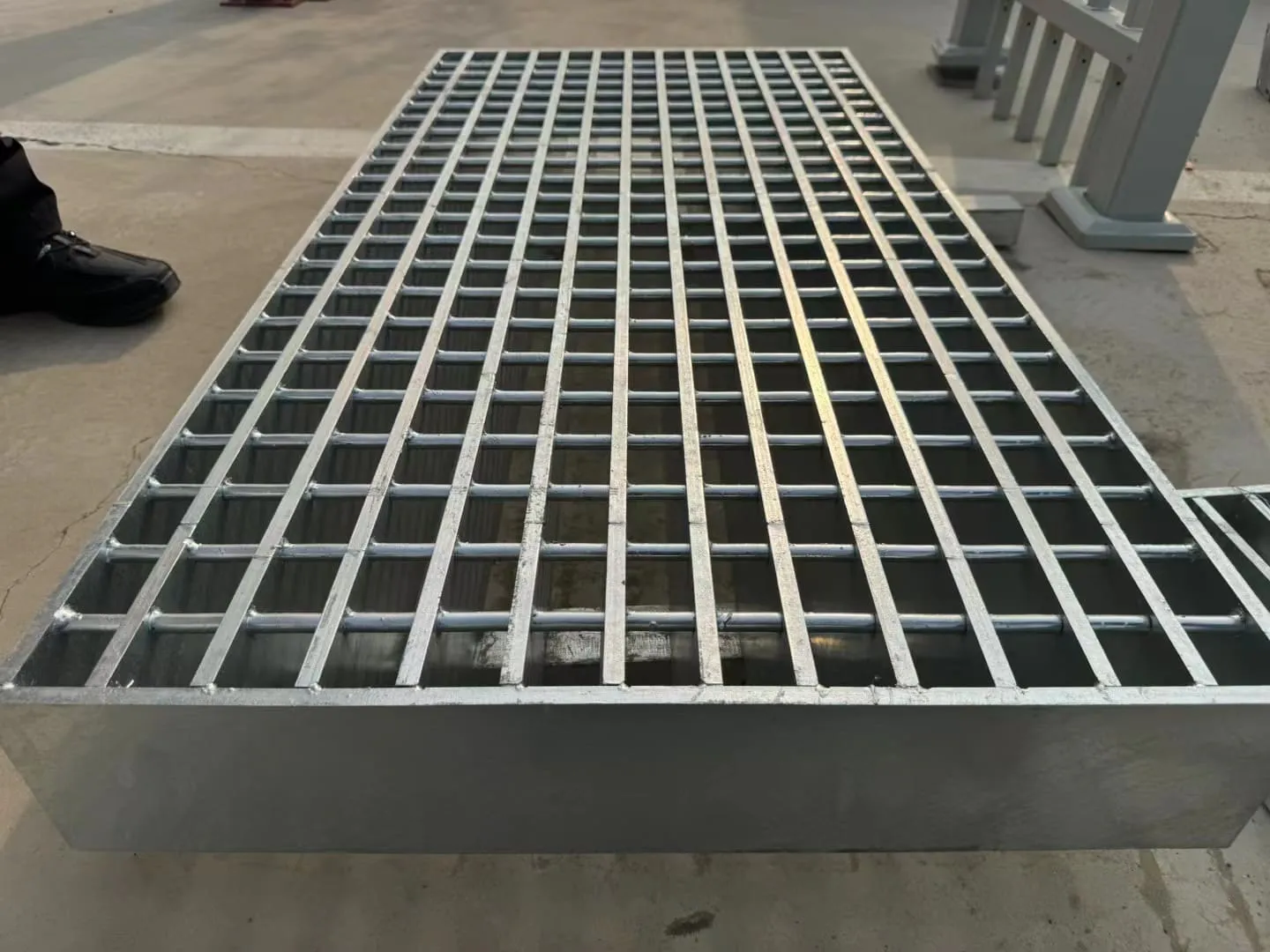
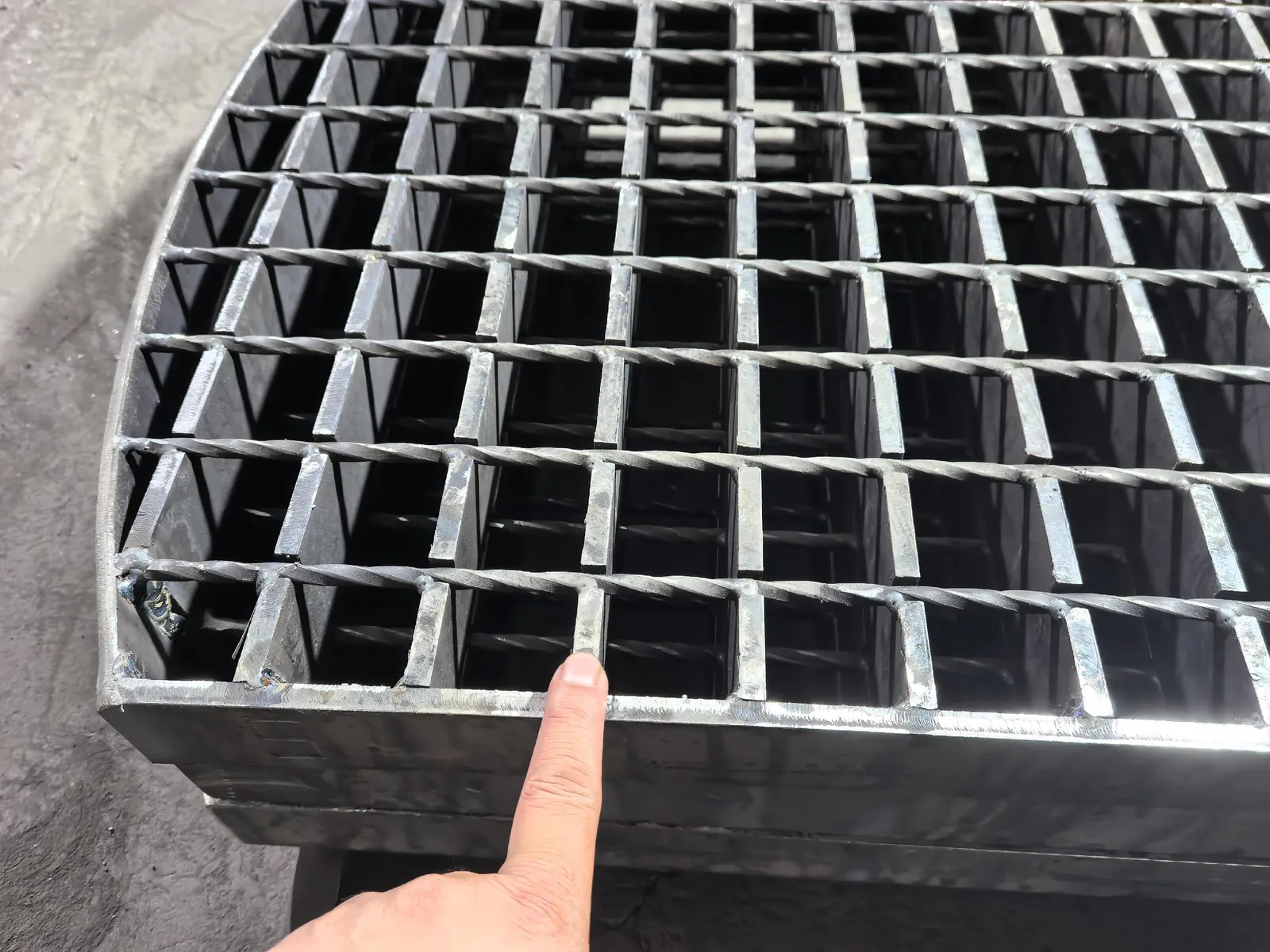
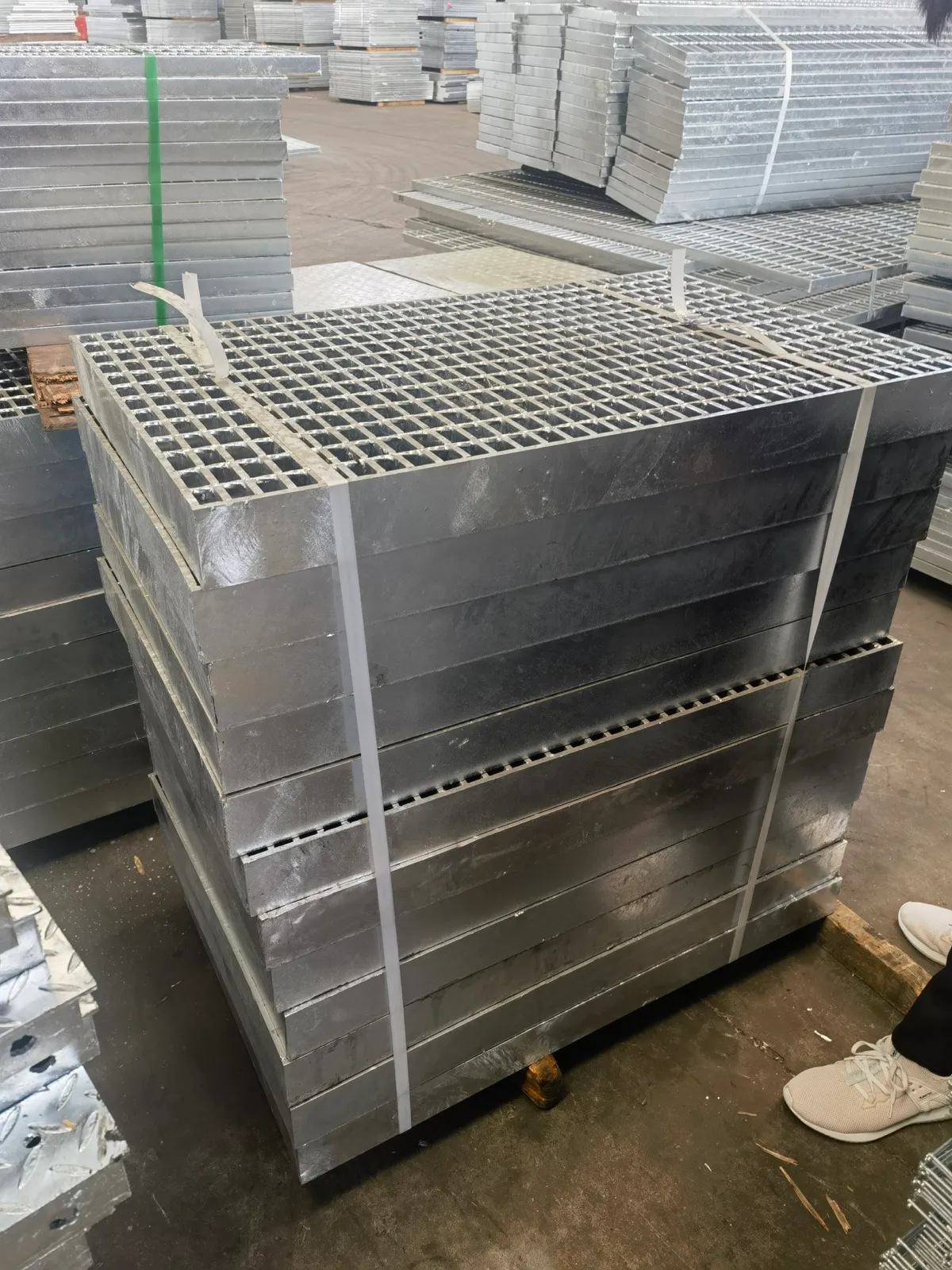
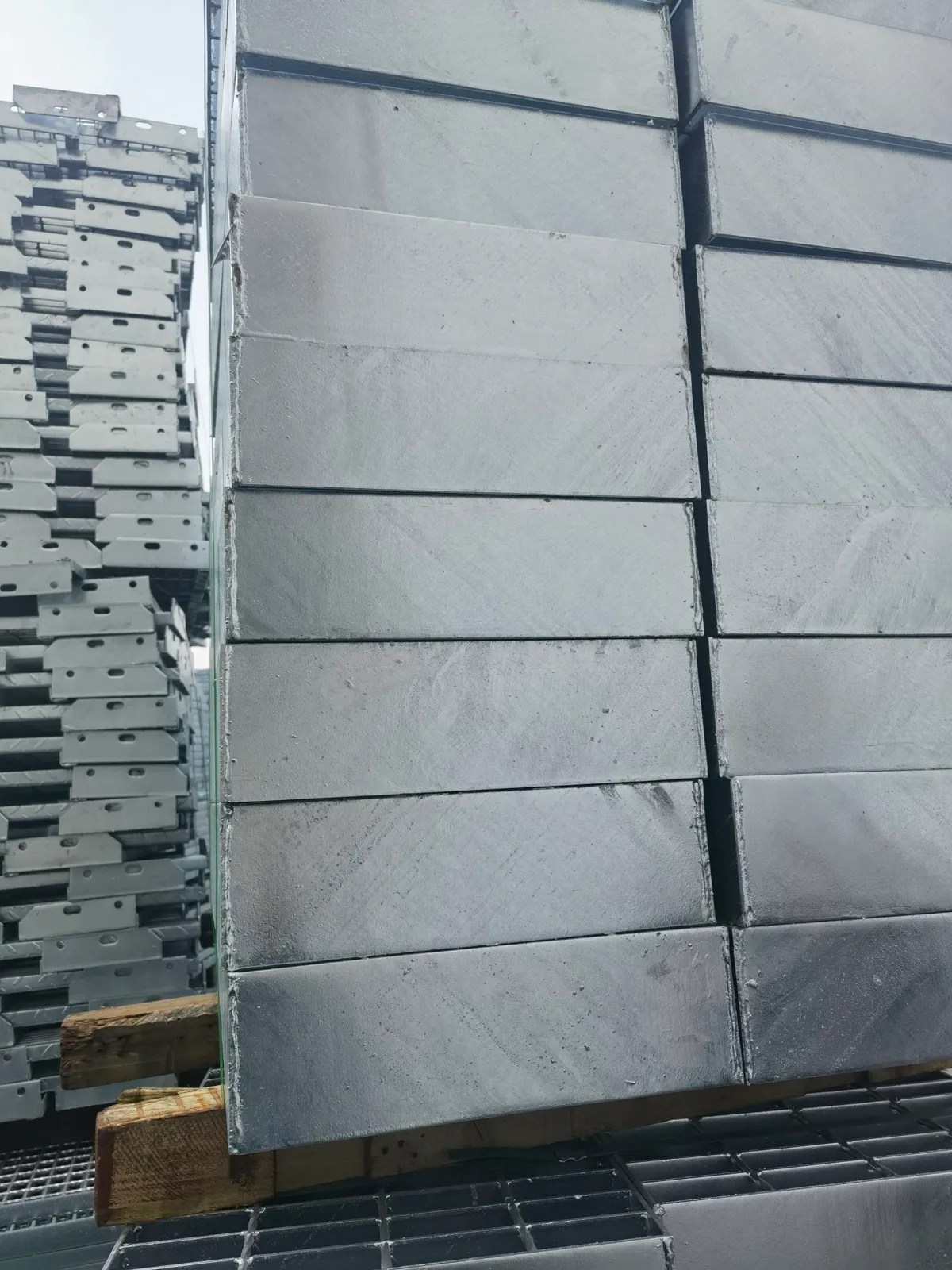
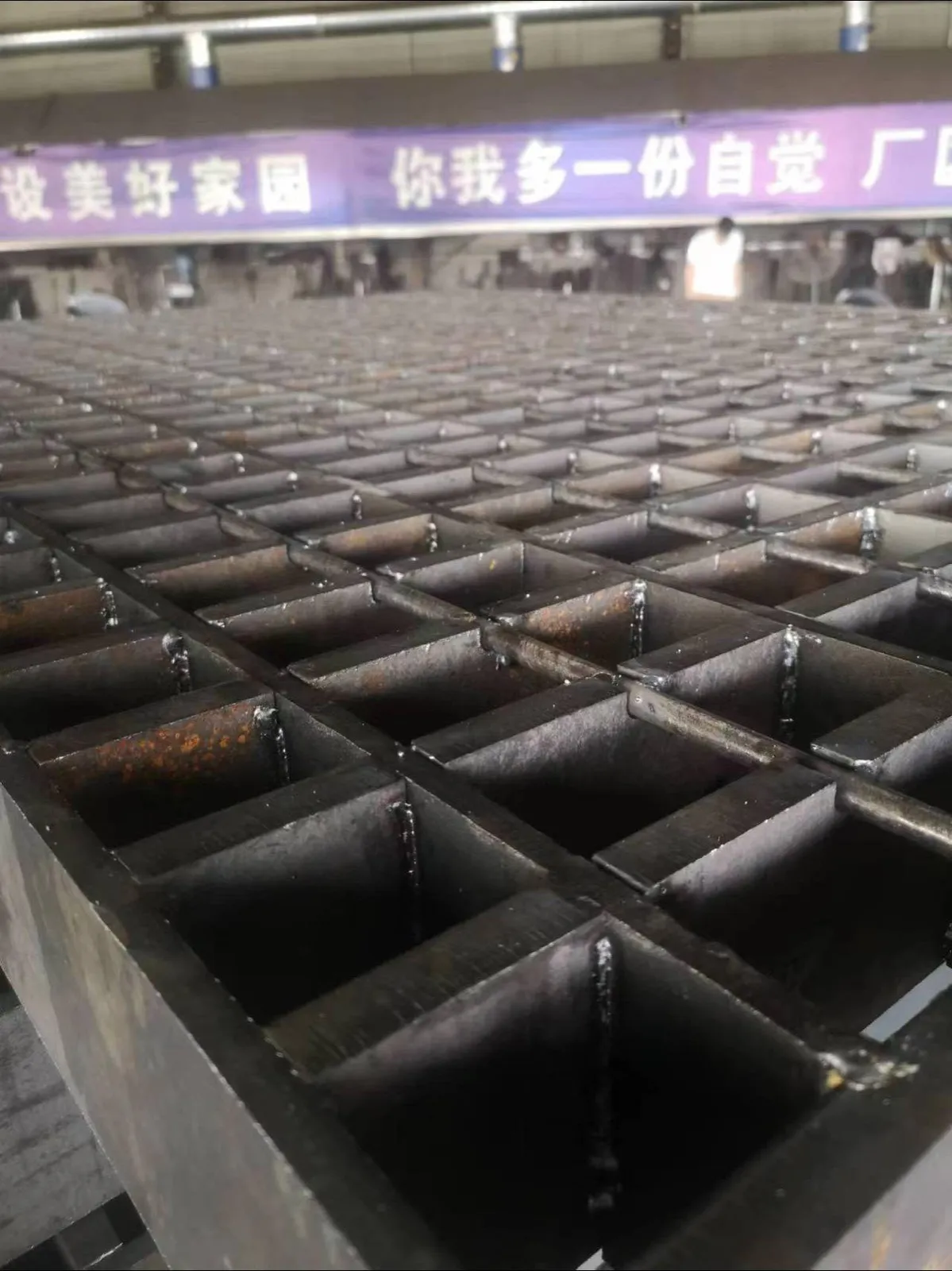
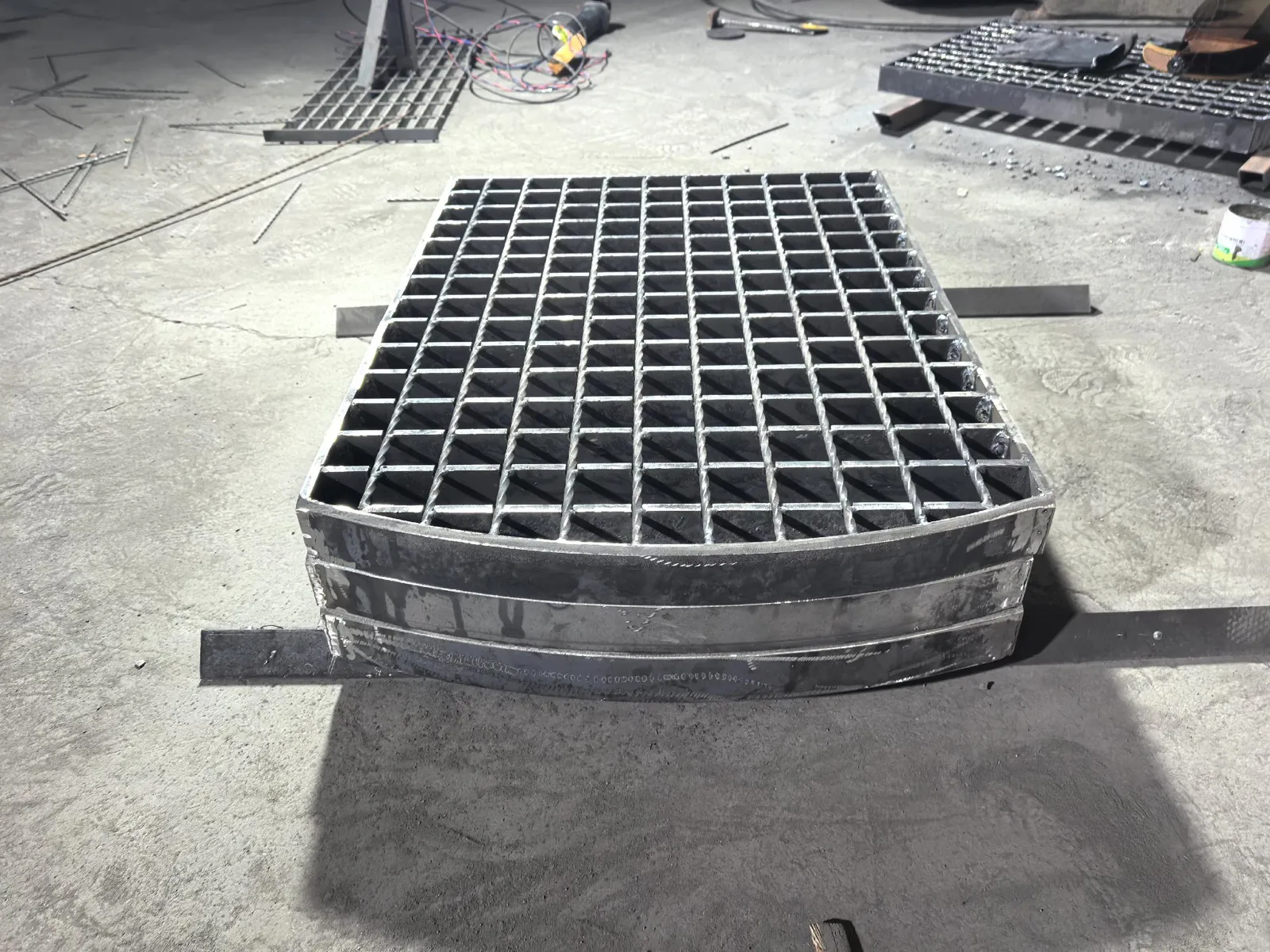
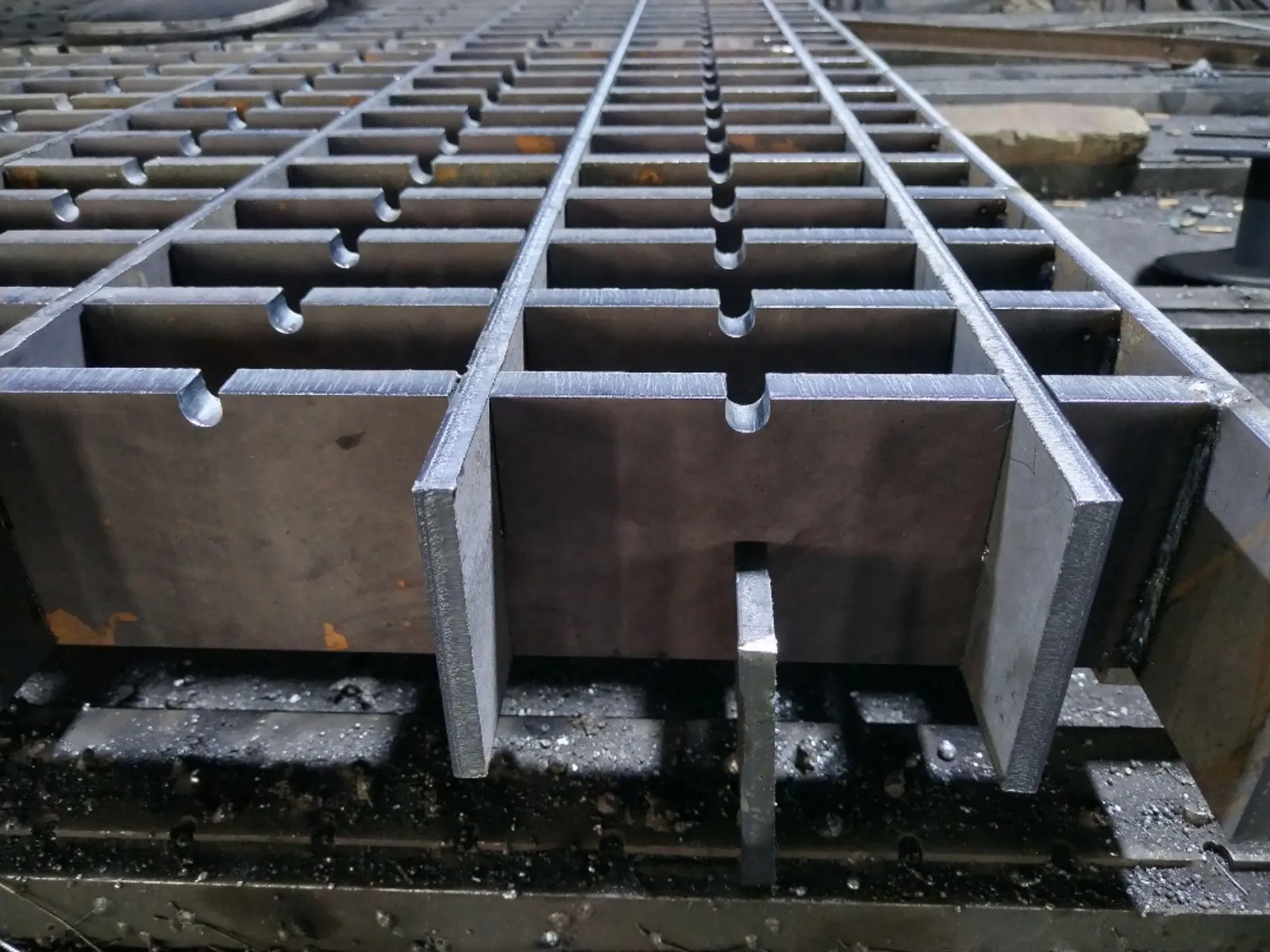
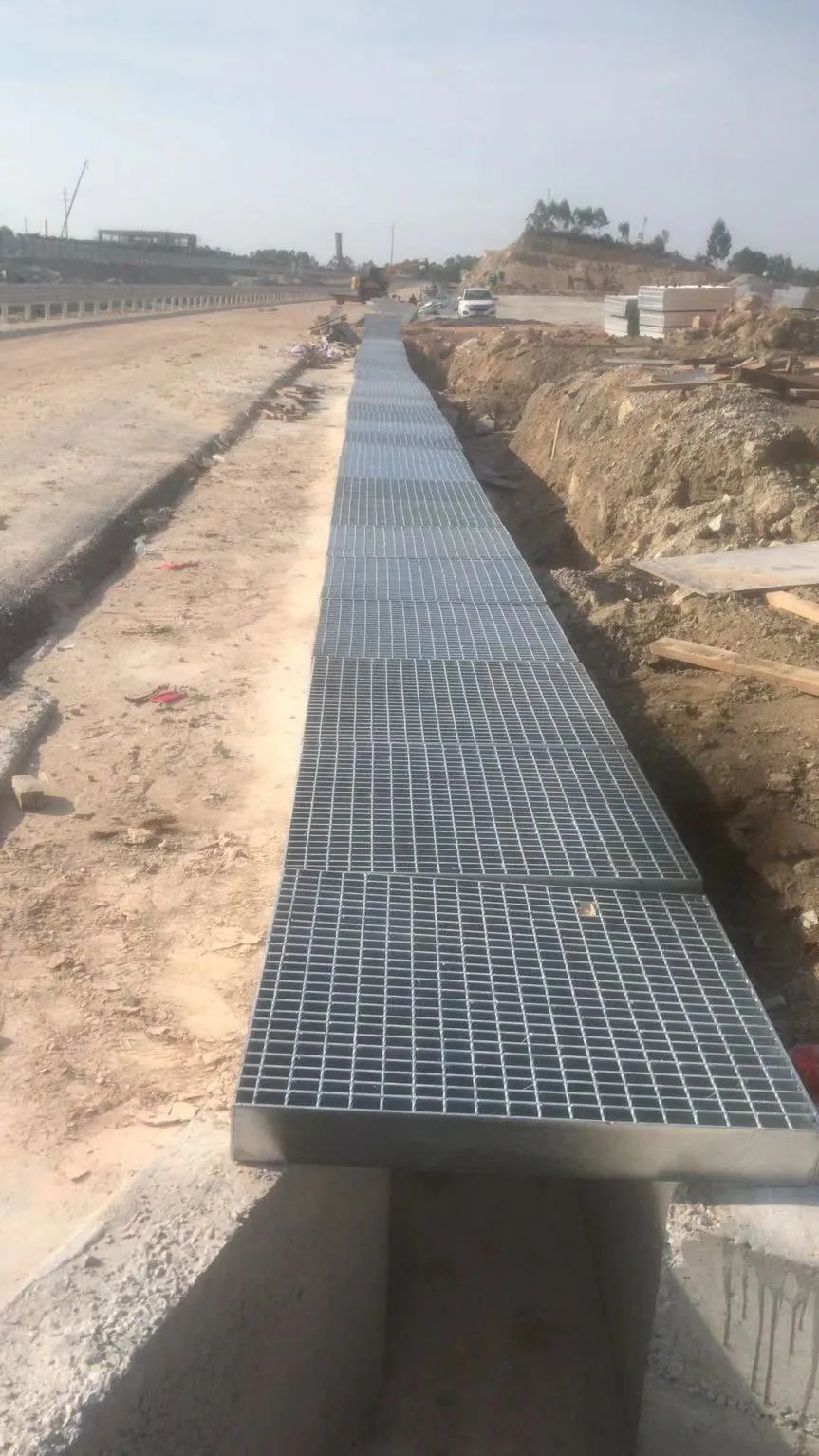
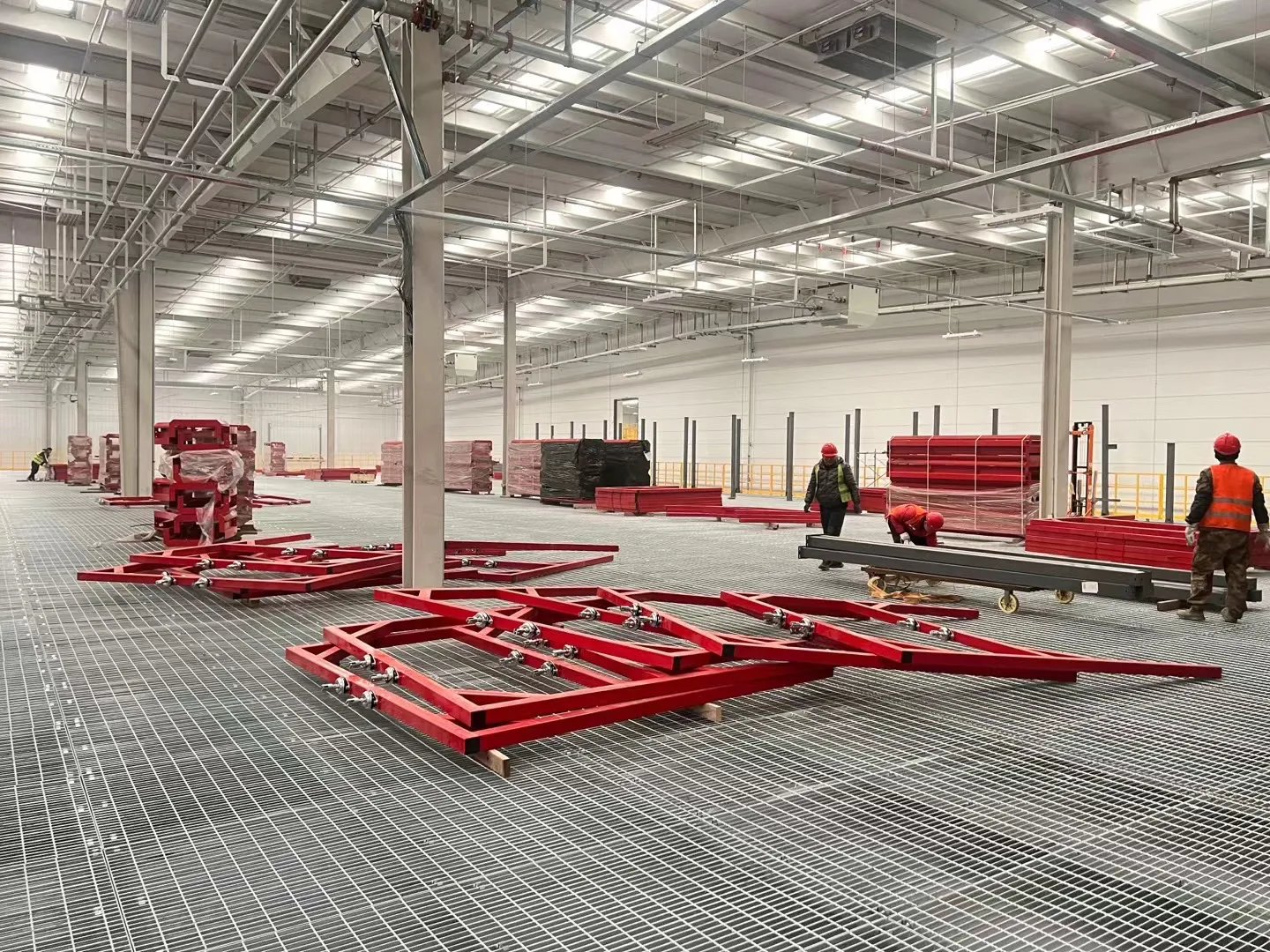
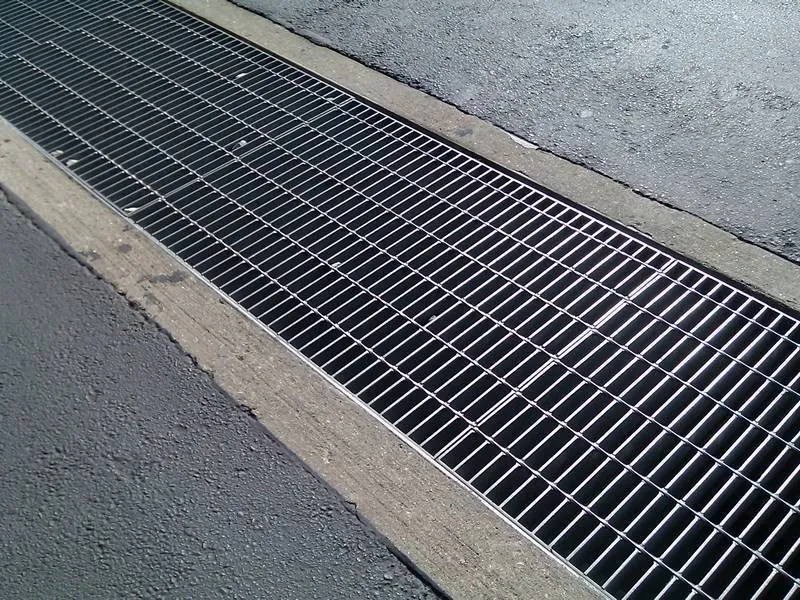
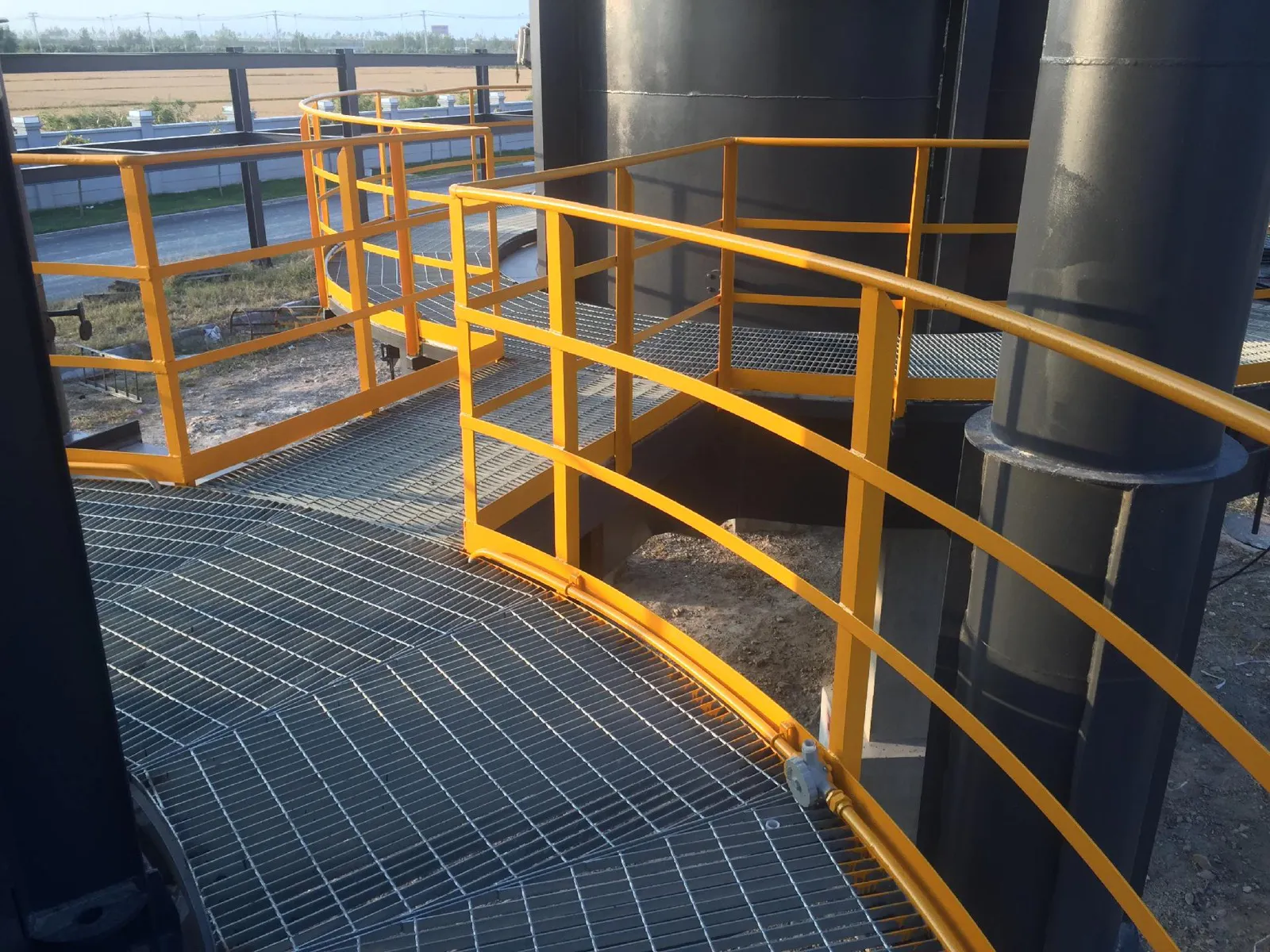
Heavy duty steel grating with deep thick bearing bars
Wheel-load rated Engineered to span MBG 532 reference Load banding available

What is heavy duty steel grating?

Heavy duty steel grating is bar grating designed for vehicular and heavy equipment loads — loading docks, driveways, heavy trench covers, airport and port pavements and industrial yards. It uses larger bearing bars, tighter spacing and often thicker cross bars than standard walkway grating.

Because wheel loads concentrate force on small contact areas, heavy-duty selection must consider wheel load, tire contact area, span, support conditions, traffic frequency and safety factors together. We confirm all of these before quoting — a grating named "heavy duty" without these inputs is only a label, not a rating.

Light, medium and heavy duty are market categories, not absolute standards. Actual capacity depends on bearing bar height, thickness and spacing, material strength, span, support conditions and load type together — which is why we never quote vehicle-rated grating without those inputs.

Specifications

Specification Options

Heavy duty steel grating — specification options
Item Options Notes
Material Q355 high-strength steel (comparable to A572 Gr.50 / S355JR); Q235 for moderate dutySupplied per project specification with MTC
Bearing bar size 40 × 5 mm to 100 × 10 mmSized by load calculation, not by label
Bearing bar spacing 30 / 40 mmTighter spacing distributes wheel loads
Cross bar Twisted square bar at 50 / 100 mmHeavier cross bars for vehicle panels
Surface type Plain / serratedSerrated where vehicle areas are wet or oily
Finish Hot-dip galvanized after fabricationPer ASTM A123 / ISO 1461 or customer standard, verified by inspection reports
Panel limits Up to 6100 × 1000/1200 mm; 70–100 kg per piece handling limitLarger areas split into numbered panels
Load confirmation Wheel load, contact area, span and support conditions requiredConfirmed before quotation — capacity is engineered, not assumed
Read the steel grating load table guide →

Variants

Recommended Types

Forklift-rated grating

For warehouse aisles, docks and factory floors with regular forklift traffic — specified against wheel load, contact area and span.

Truck-rated trench & driveway grating

Heavy bearing bars with load banding for yard crossings and trench covers under truck traffic.

Heavy-duty serrated grating

Adds slip resistance where vehicle areas are also wet, oily or exposed to weather.

Compound heavy-duty grating

Grating topped with checkered plate where small-object containment or a solid running surface is needed; weight and drainage trade-offs apply.

Material strength vs section size

Q355 offers a higher yield-strength basis than Q235, but that does not make every Q355 panel automatically lighter. Bearing-bar depth, thickness and spacing still control section capacity, while wheel contact, clear span, edge banding, welds and support details decide how the load enters the panel. The selected grade and the selected geometry must therefore be checked together.

Use Q355 when the calculation shows that material strength governs and the project specification accepts that grade. Increase bar depth or thickness, reduce spacing or shorten the span when stiffness, deflection, local wheel effects or support conditions govern. Because Q235 and Q355 have broadly similar elastic stiffness, changing grade alone may not solve a deflection limit.

There is no defensible universal percentage for how much section Q355 can save. The answer comes from the actual wheel load, contact area, span, traffic pattern and allowable deflection; quotation should follow that check rather than a rule-of-thumb reduction. Finish and outdoor corrosion protection are specified separately after the load-carrying section is fixed.

  • Q235: retain where the verified section meets strength, stiffness and project requirements
  • Q355: consider where strength governs, then recheck deflection, welds and support details
  • Change section geometry when stiffness or concentrated wheel effects govern the design
  • Provide wheel load, contact area, clear span, support width and traffic frequency for selection

Fabrication & QC

Fabrication & Quality Notes

  • Heavy panels are welded with full fusion at each intersection; load banding is welded to panel edges that carry wheel loads.
  • Bearing bars up to 100 × 10 mm are cut, drilled and coped to drawing before welding.
  • Load data can be referenced to NAAMM MBG 532 or project specifications, confirmed for your span and support conditions.
  • Each panel is checked for bar size, spacing, weld quality, flatness and dimensions; coating thickness is verified after galvanizing.

Packaging

Packaging & Delivery

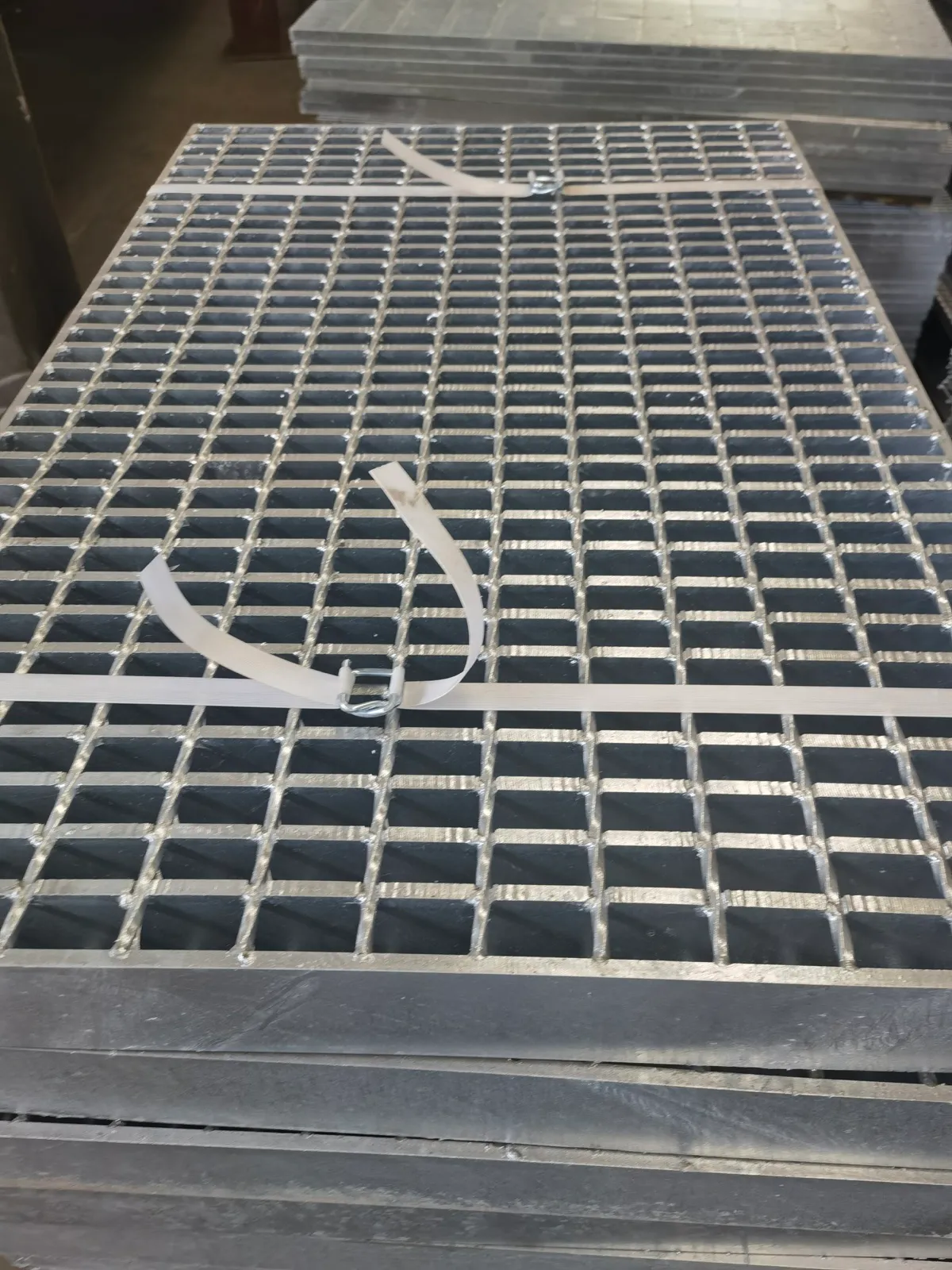
  • Reinforced strapping and blocking to prevent deformation of heavy panels in transit.
  • Panels tagged with project numbers matched to installation zones and drawings.
  • Steel frame packing for long or high-value heavy panels; container loads planned around panel weight and destination limits.

Gallery

Heavy Duty Steel Grating in Detail

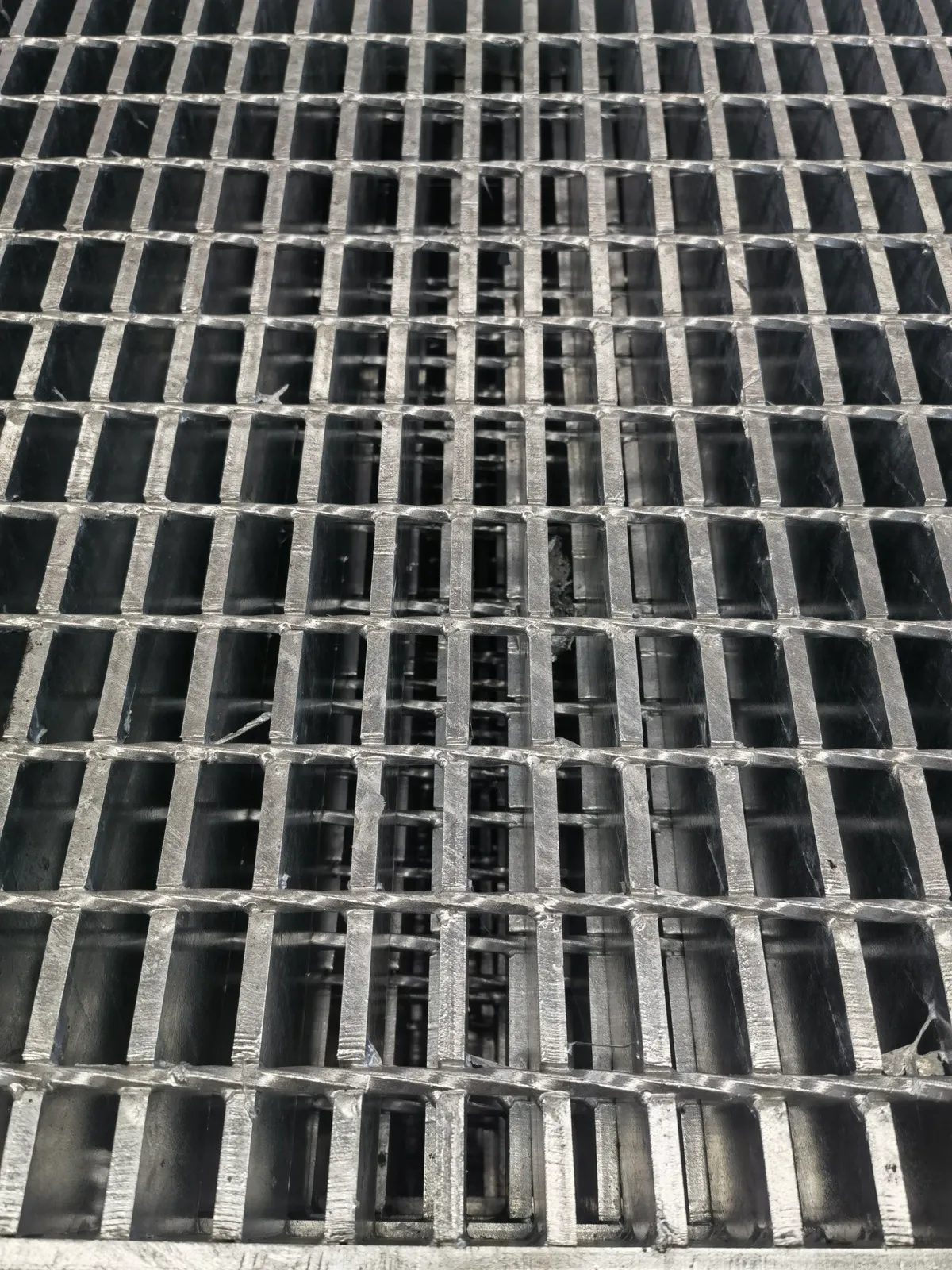
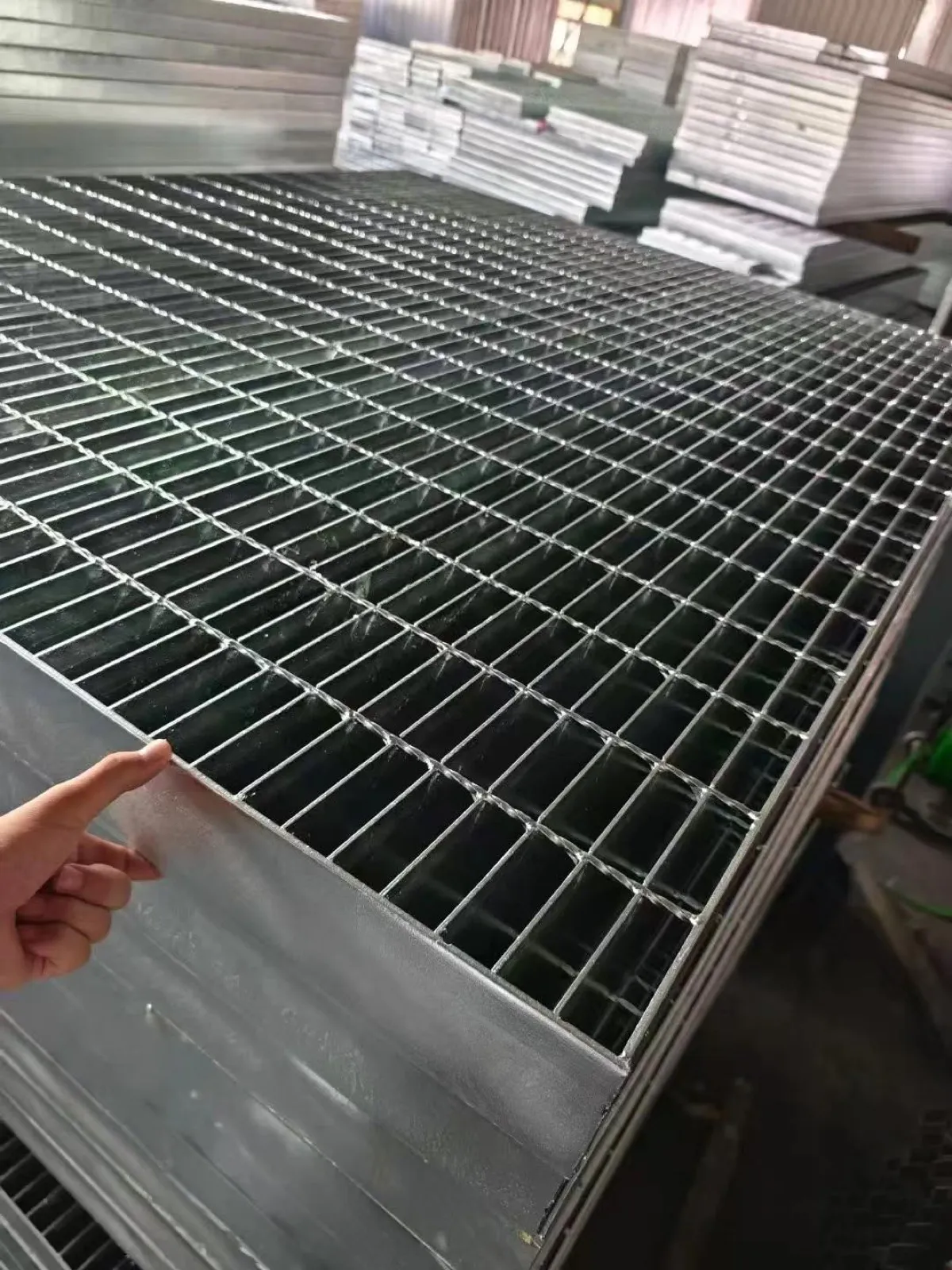
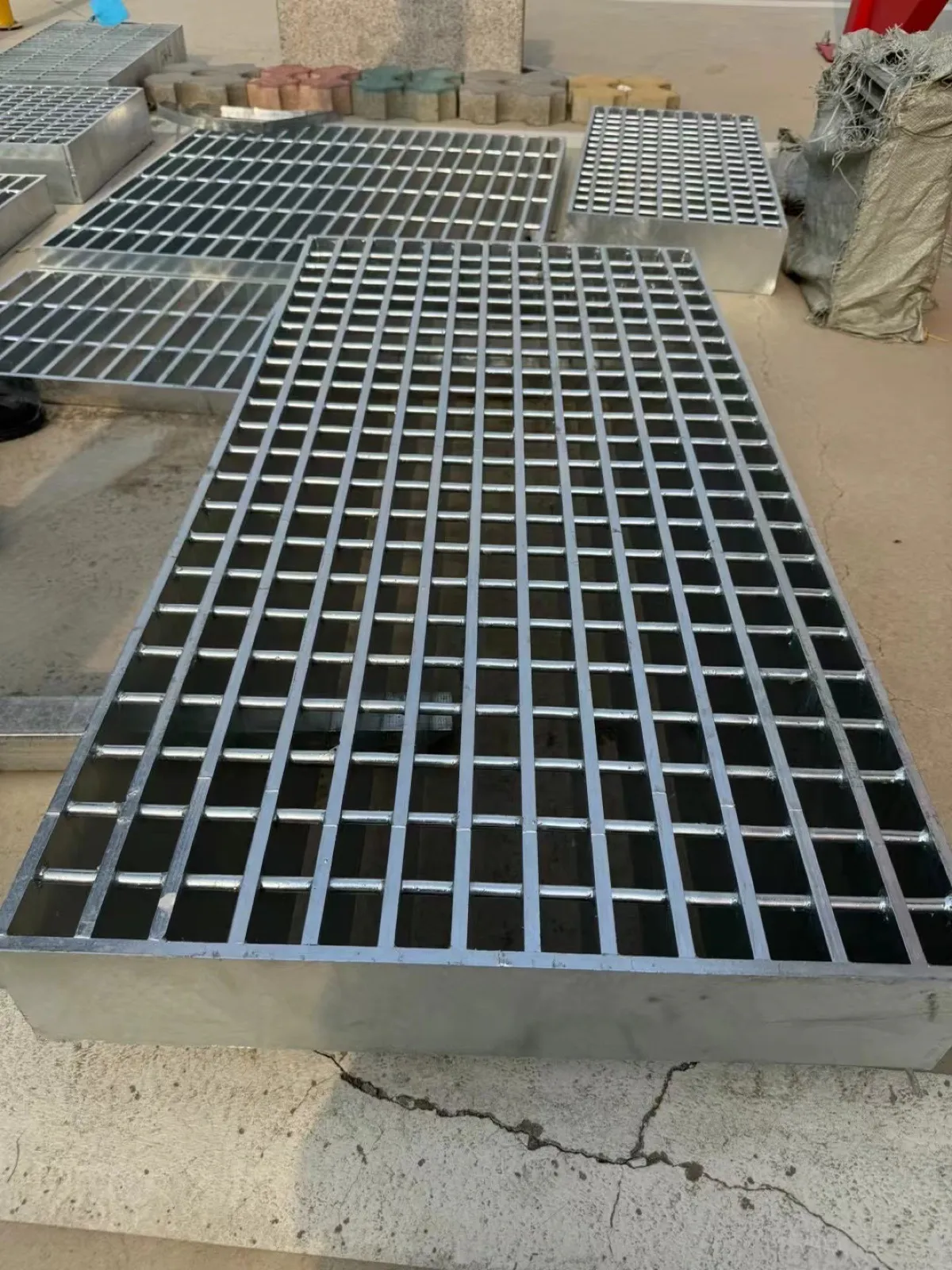
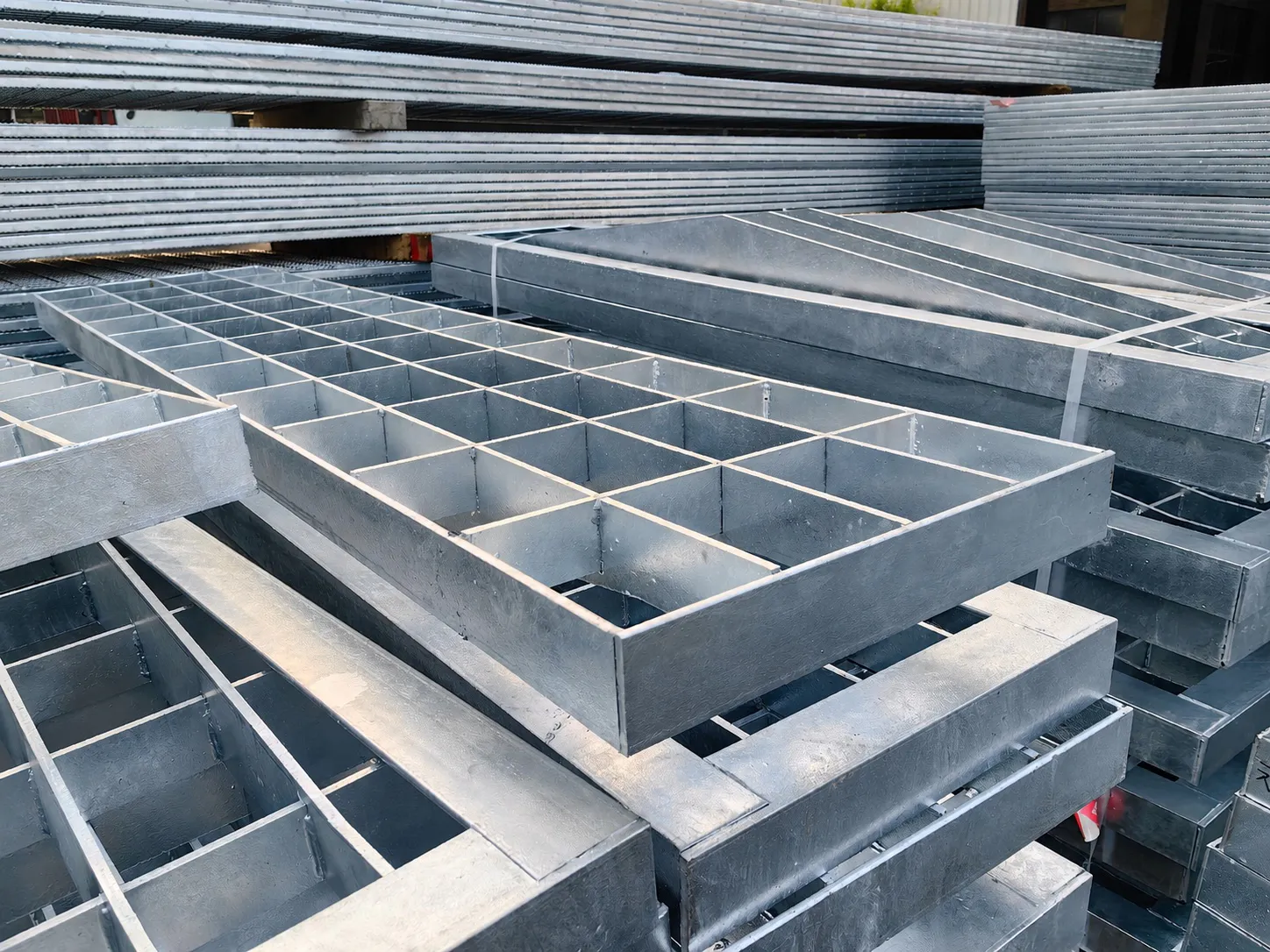
Heavy duty steel grating panels with deep, thick bearing barsHeavy duty grating panels for vehicle load areas, alternate viewStacked heavy duty steel grating panels awaiting galvanizing

FAQ

Heavy Duty Steel Grating FAQs

Can your grating carry trucks or forklifts?
Yes, when specified for it. Tell us the vehicle type, wheel load, tire contact area, span and traffic frequency — our team selects bearing bars and confirms capacity before quotation.
What standard do you follow for heavy duty grating?
Heavy-duty products can be manufactured and tested per NAAMM MBG 532 or project specifications, with load data confirmed for your span and support conditions.
What information do you need to quote heavy duty grating?
Load type and magnitude (wheel load if vehicular), support span and direction, panel size, quantity and any project standard. Drawings speed up the process.
What is the largest bearing bar you can weld?
Bearing bars up to 100 × 10 mm. Panels beyond the 1000–1200 mm width or the 70–100 kg handling limit are split and numbered for installation.
Can heavy duty grating be galvanized?
Yes — panels are fully fabricated first, then hot-dip galvanized per ASTM A123 / ISO 1461 or your project standard, with coating thickness verified by inspection reports. Deep-section bars are reviewed for distortion before galvanizing.
What is the lead time for heavy duty grating?
Heavy-duty production typically runs 15–25 days depending on tonnage and fabrication. Load confirmation happens before quotation, so production is not delayed by re-design.
Do you provide load tables or calculations?
We confirm capacity against your actual span, wheel load and support conditions and can reference NAAMM MBG 532 load data. Tell us the application and we will recommend a specification with its calculation basis.

Send Your Drawings, Get a Confirmed Specification

Complete inquiries are typically answered within 24 hours during business hours.