
Matched to Real Operating Conditions
Marine Dock Grating
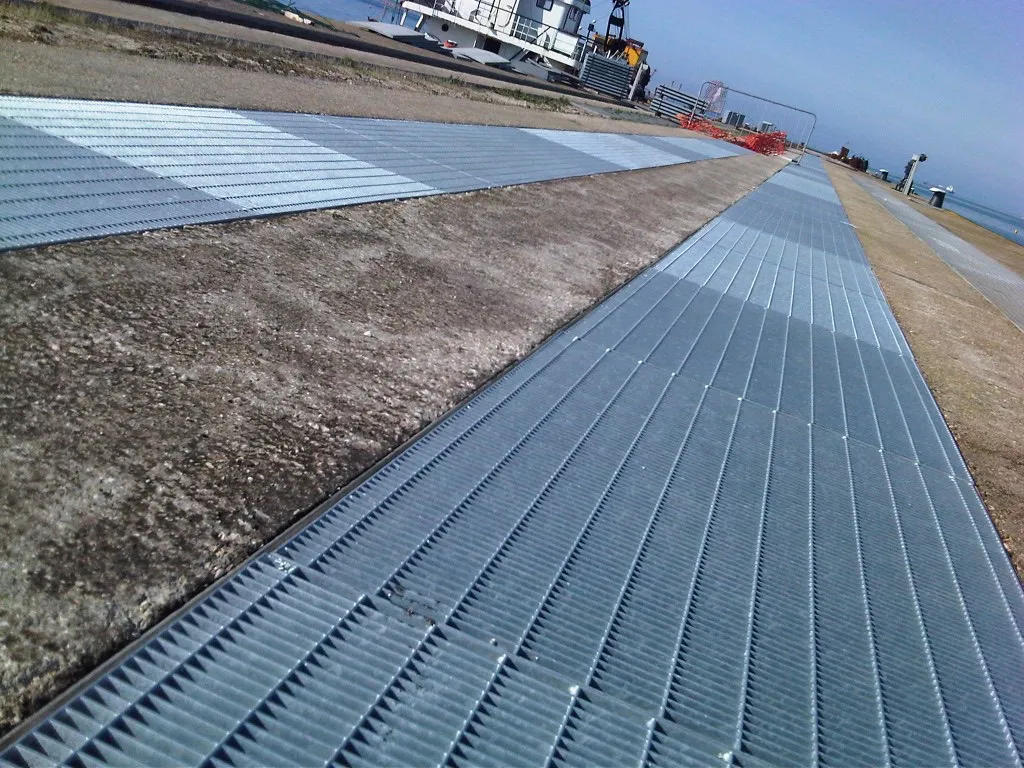
Dock and pier access stays wet, receives chloride-rich spray and often dries slowly. The grating brief must identify the exposure zone, slip condition and adjoining metals before choosing stainless 316L, aluminum or a project coating system.
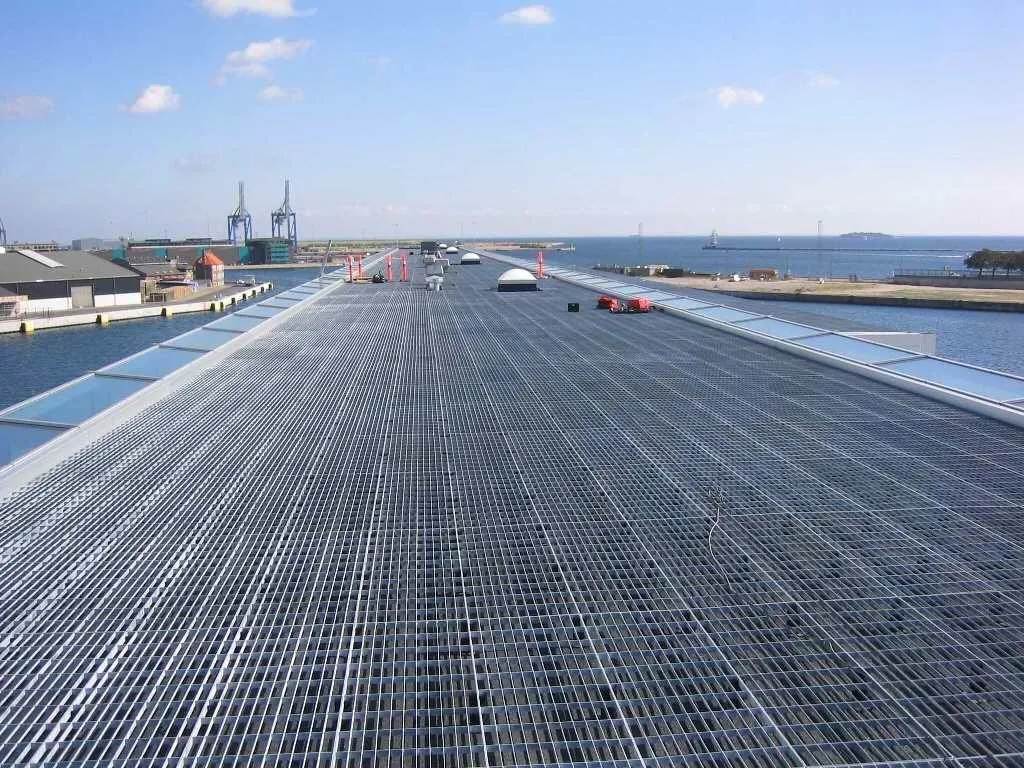
Gallery
Application Gallery
The Challenge
What This Application Demands
Salt spray and chloride deposits remain on horizontal and sheltered surfaces
Tidal splash, rain and algae make walking surfaces persistently wet
Dissimilar-metal contact can introduce galvanic corrosion at supports and fasteners
Removable access panels must stay secured under wind and maintenance traffic
Requirements
Specification Requirements
Confirm these points before ordering — they define the grating.
Marine exposure zone
- Separate atmospheric salt spray, splash, tidal and any immersion conditions
- State washdown frequency, drainage and expected chloride deposition
- Identify sheltered crevices where surfaces dry slowly
Walking surface
- Review serrated or otherwise qualified slip-resistant profiles for wet access
- Confirm opening limits for tools, footwear and public or maintenance traffic
- Keep drain paths clear at frames, curbs and panel joints
Metal interfaces
- List support, fastener and handrail materials
- Coordinate electrical isolation where dissimilar metals meet
- Confirm removable-panel restraint and fixing with the structural designer
Gratings
Recommended Grating Series
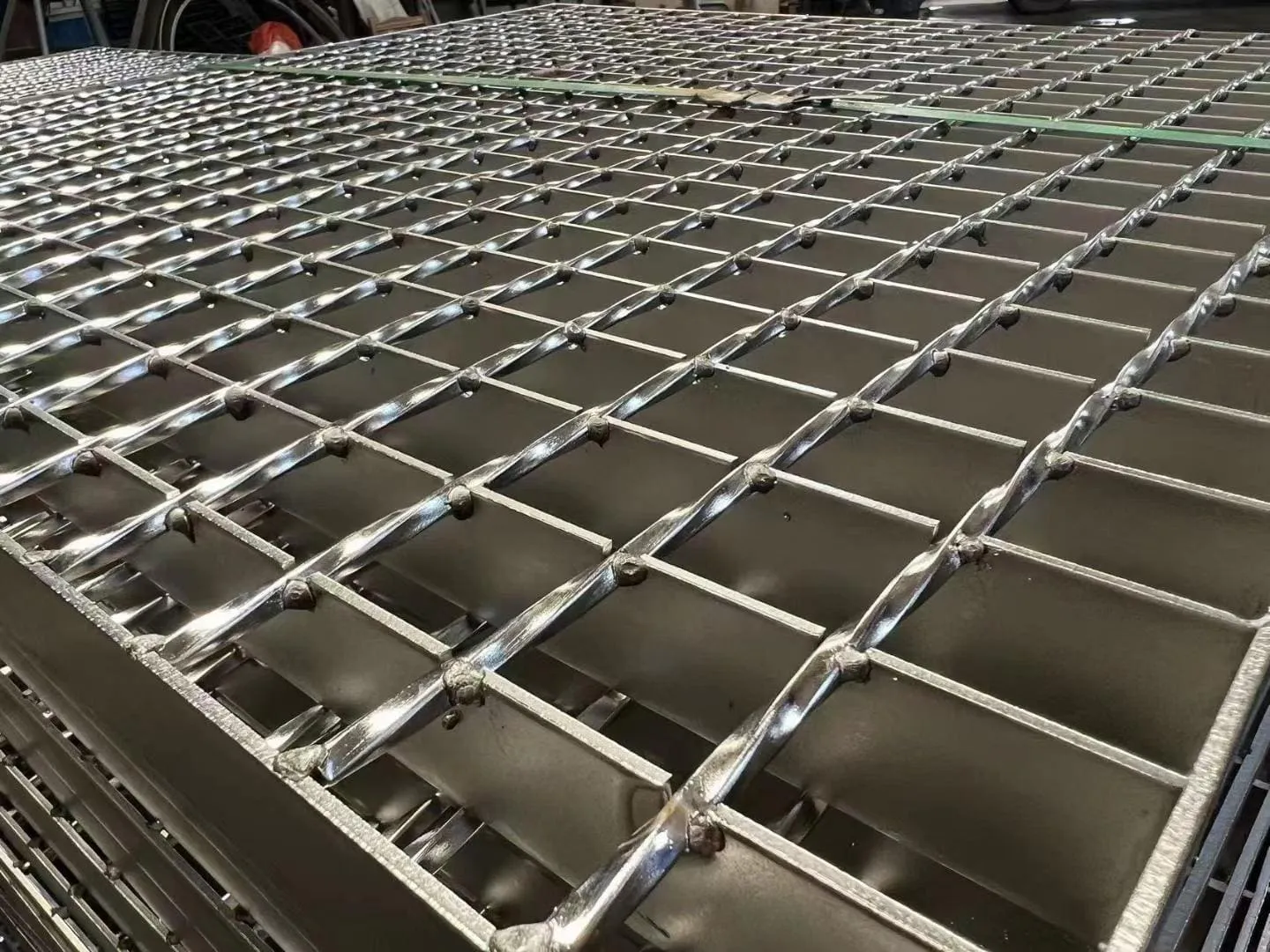
Stainless Steel Grating
SS304/316L grating for chemical, food-grade, coastal and hygienic environments — passivated or electro-polished.
View product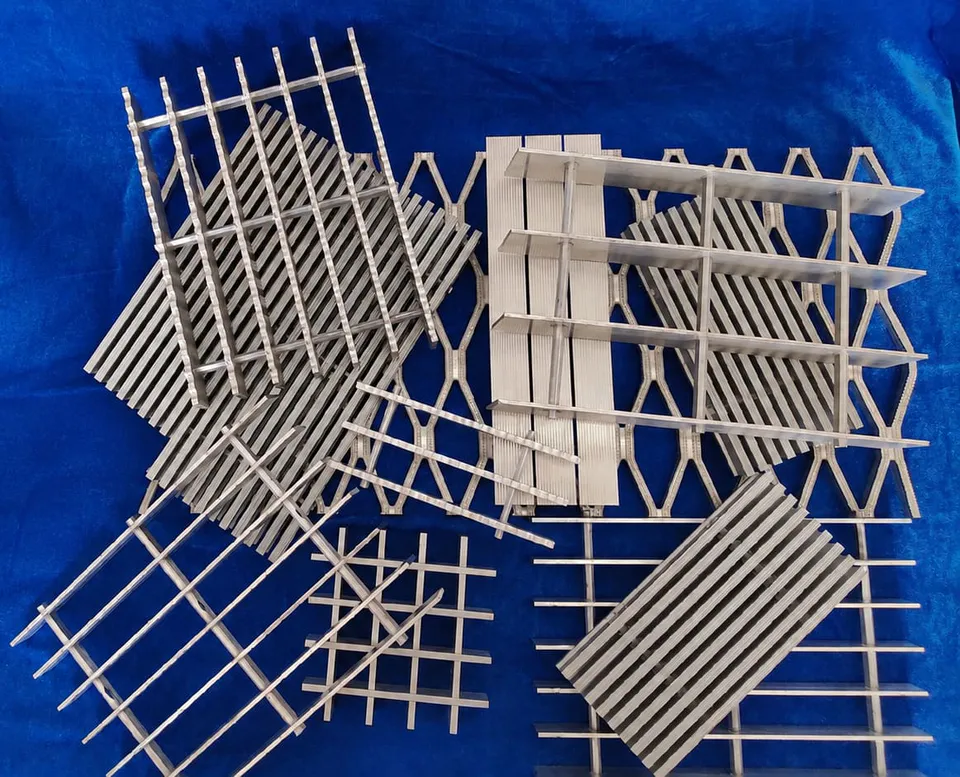
Aluminum Grating
Lightweight, corrosion-resistant aluminum bar grating for architectural, marine and light-to-medium duty platforms.
View product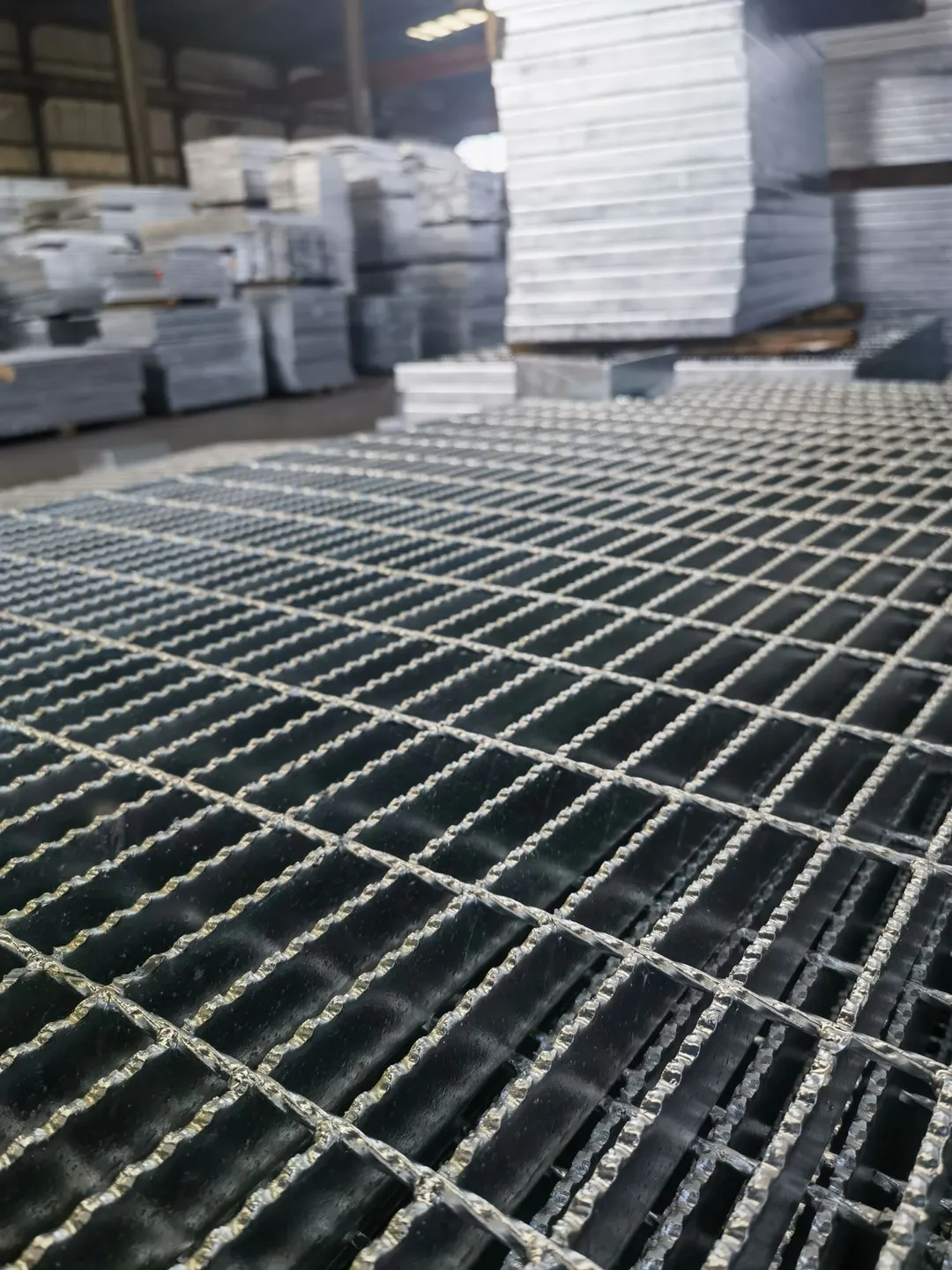
Serrated Steel Grating
Serrated bearing bars for added traction where wet, oily, snowy or inclined conditions are identified.
View product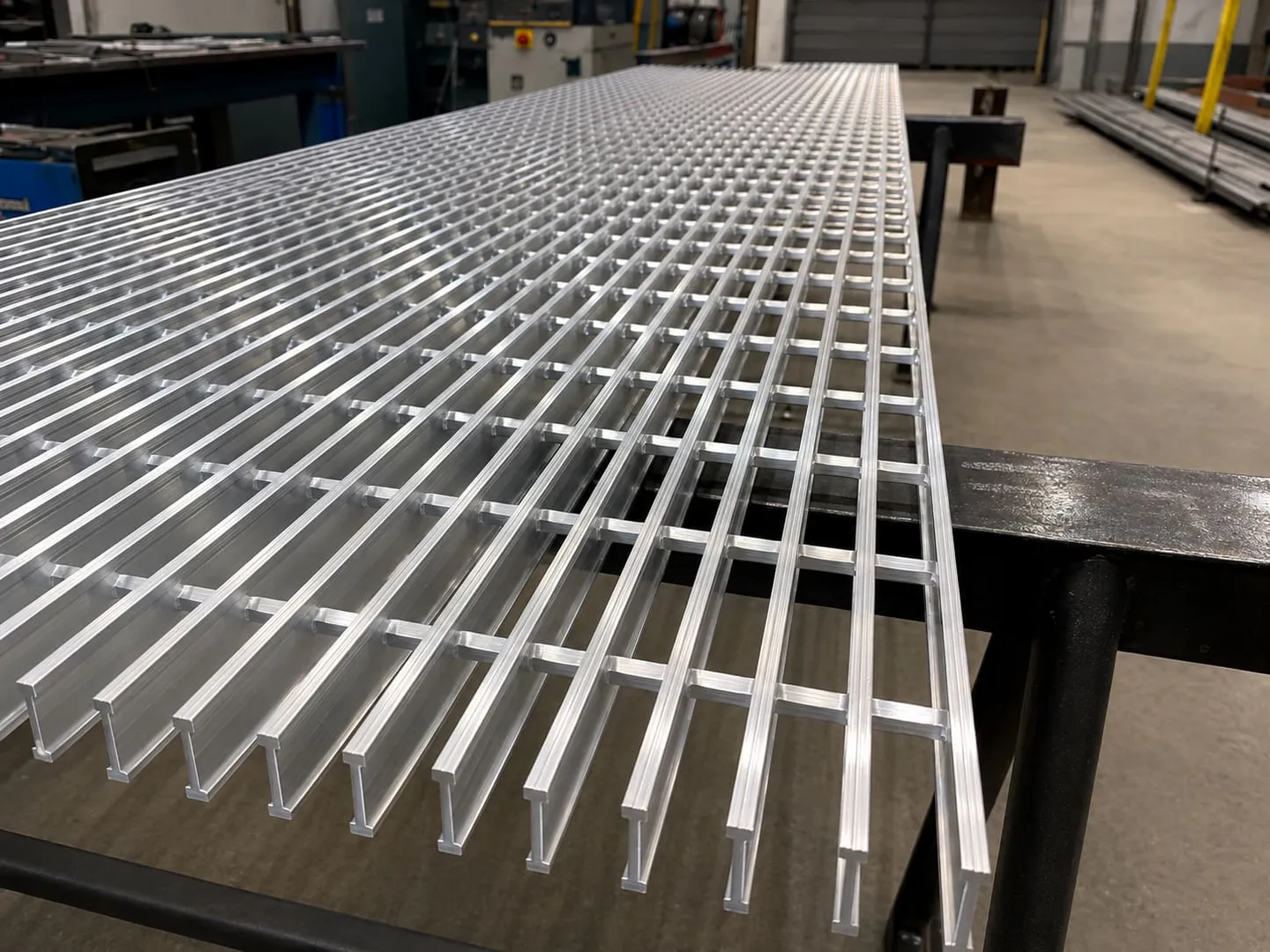
I-Bar Grating
An I-shaped bearing-bar profile that reduces material and panel weight where its verified load range suits the project.
View productChloride exposure sets the material route
Stainless 316L is often considered where chloride resistance and a robust fabricated panel are required, while aluminum can reduce weight and may suit compatible dock structures. Selection remains project-specific: the review must cover the alloy, water chemistry, crevices, fasteners, support metals and maintenance regime.
Carbon steel with a project-defined marine coating or galvanizing system can be evaluated only where the owner’s corrosion specification allows it. Hot-dip galvanizing, when selected, is stated per ASTM A123 / ISO 1461 or the customer standard and verified by report; this draft page does not claim a fixed coating life or thickness.
- 316L: review chloride level, crevices, fabrication and post-weld treatment
- Aluminum: review alloy, profile capacity and galvanic isolation
- Wet routes: pair material selection with a verified slip-resistant surface
- All options: confirm span, loads, supports and fixing per project
Inquiry
What to Send Us
These parameters let us confirm the specification and prepare a quote with fewer clarification rounds.
- Dock, pier or gangway layout with supports and bearing direction
- Atmospheric, splash, tidal or immersion exposure zone
- Water chemistry, chloride condition, washdown and drying regime
- Support, handrail and fastener materials
- Clear spans, pedestrian or maintenance loads and any equipment loads
- Surface, opening, removable-panel and fixing requirements
- Quantity and destination
Installation
Installation Notes
- Coordinate isolation between dissimilar metals with the project corrosion specification.
- Keep panel joints and support seats free-draining and accessible for inspection.
- Use approved restraints where wind or wave exposure can lift removable panels.
FAQ
Marine Dock Grating FAQs
Is stainless 316L always required for a dock?
When is aluminum worth considering?
Are these images completed dock projects?
Send Your Drawings, Get a Confirmed Specification
We aim to reply within one business day during published business hours.