DONGFU GRATING logo

Engineered Around Your Load & Span

Trench Cover Grating

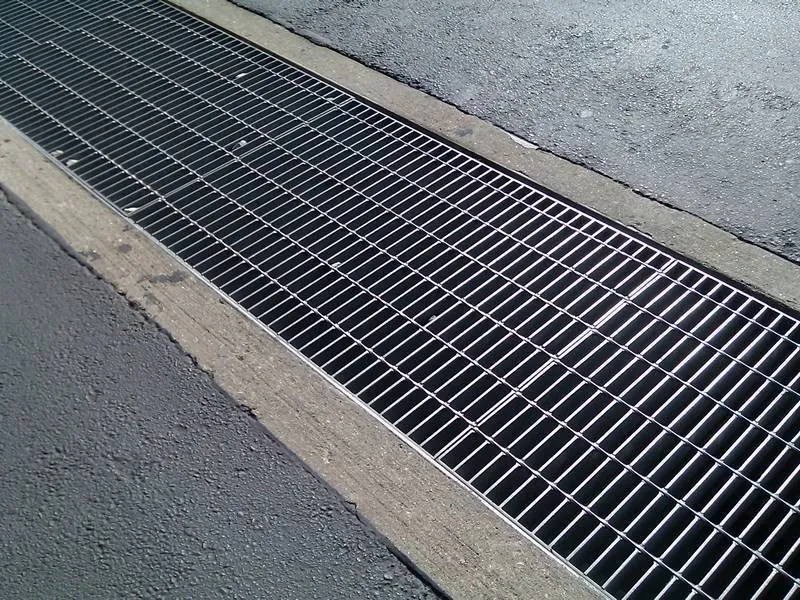
Trench cover grating closes drainage channels and utility trenches with an open grid that admits surface water while carrying foot or vehicle traffic. From pedestrian walkways to heavy truck crossings, every cover is sized for its clear span and load — with banding, frames, hinges and locking options for safe inspection access.

  • Pedestrian through heavy vehicle load classes
  • High open area for drainage flow
  • Angle / channel frames, hinged and lockable options
  • Sized to clear span, load and support conditions
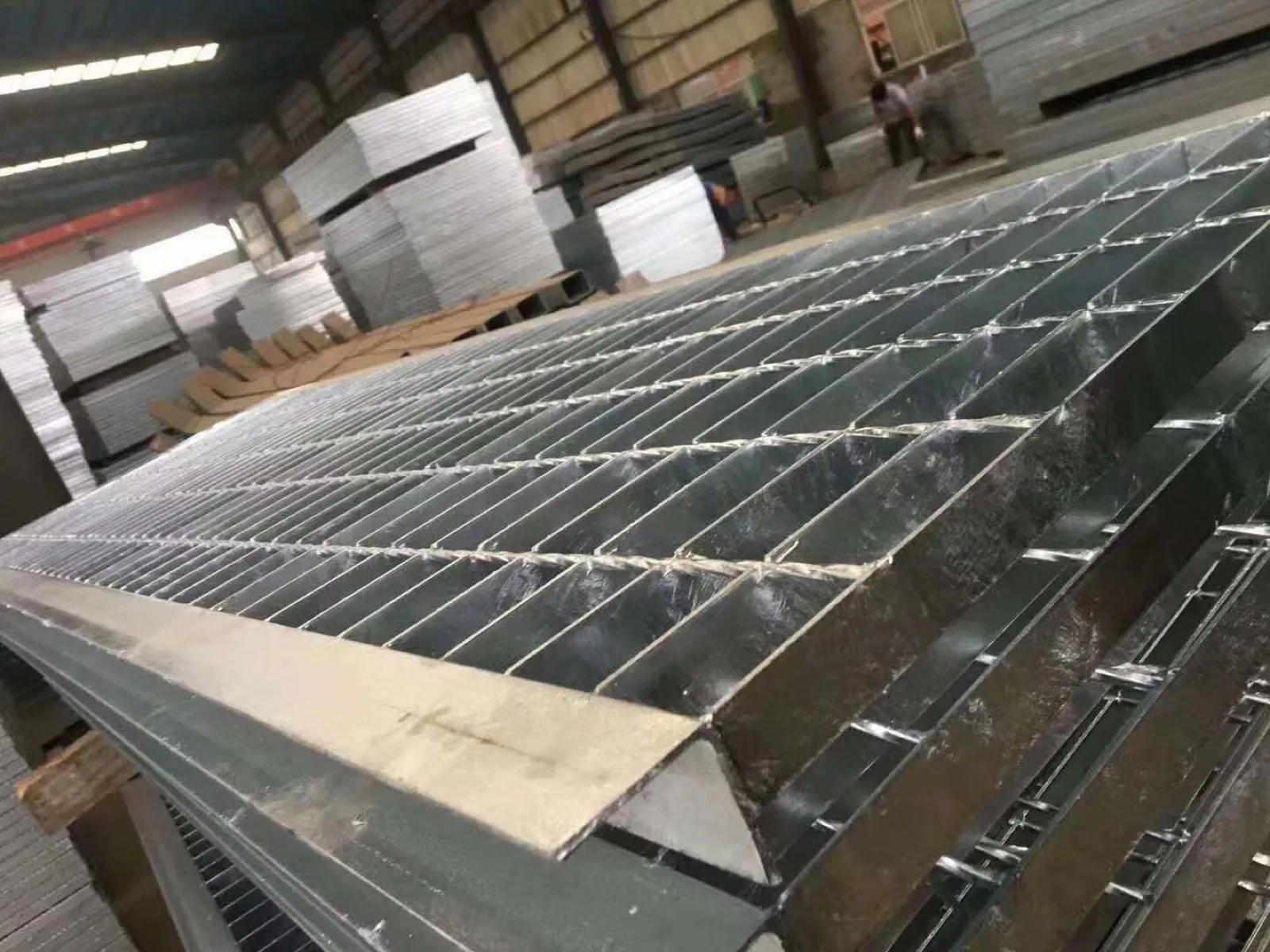
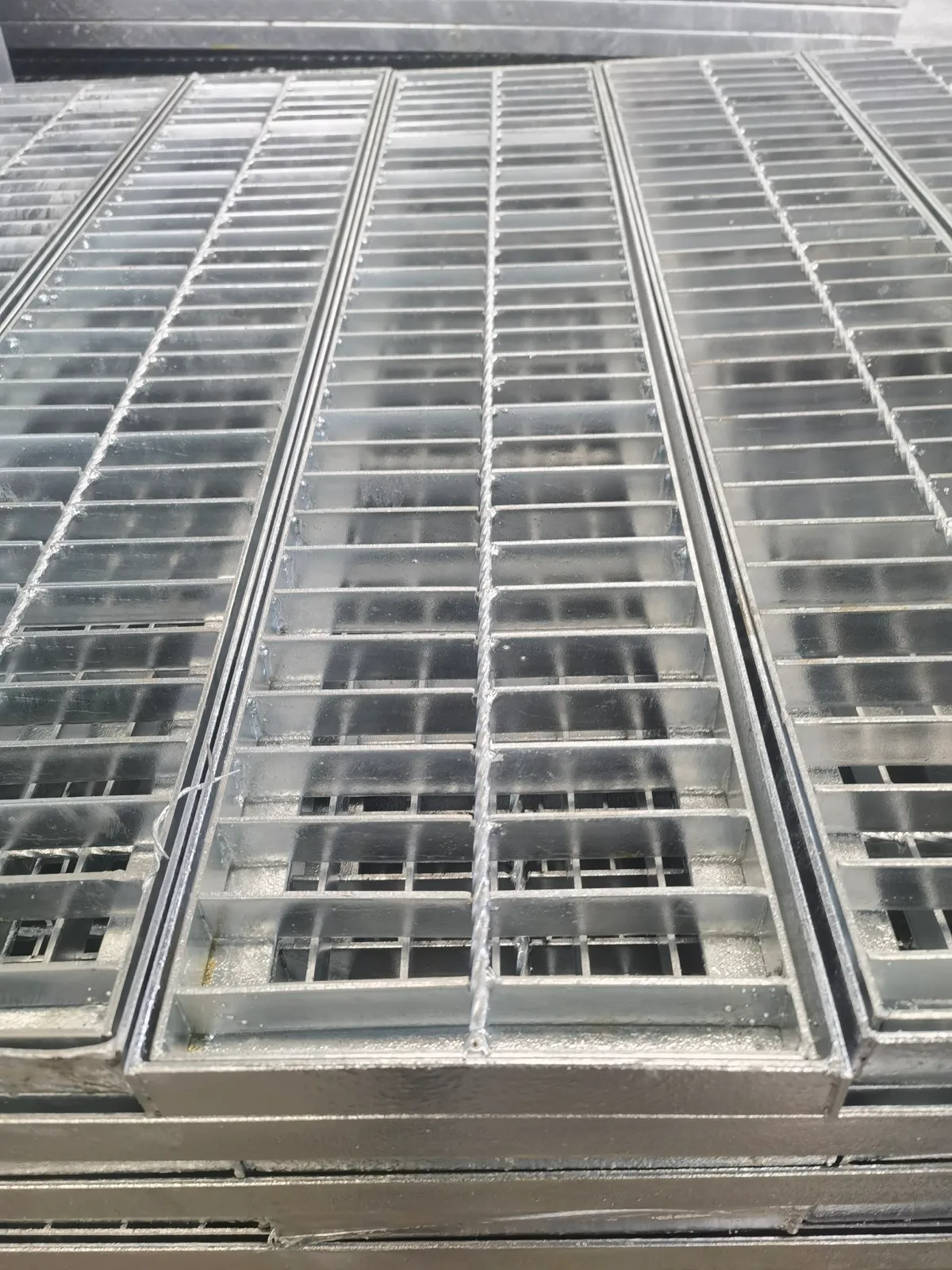
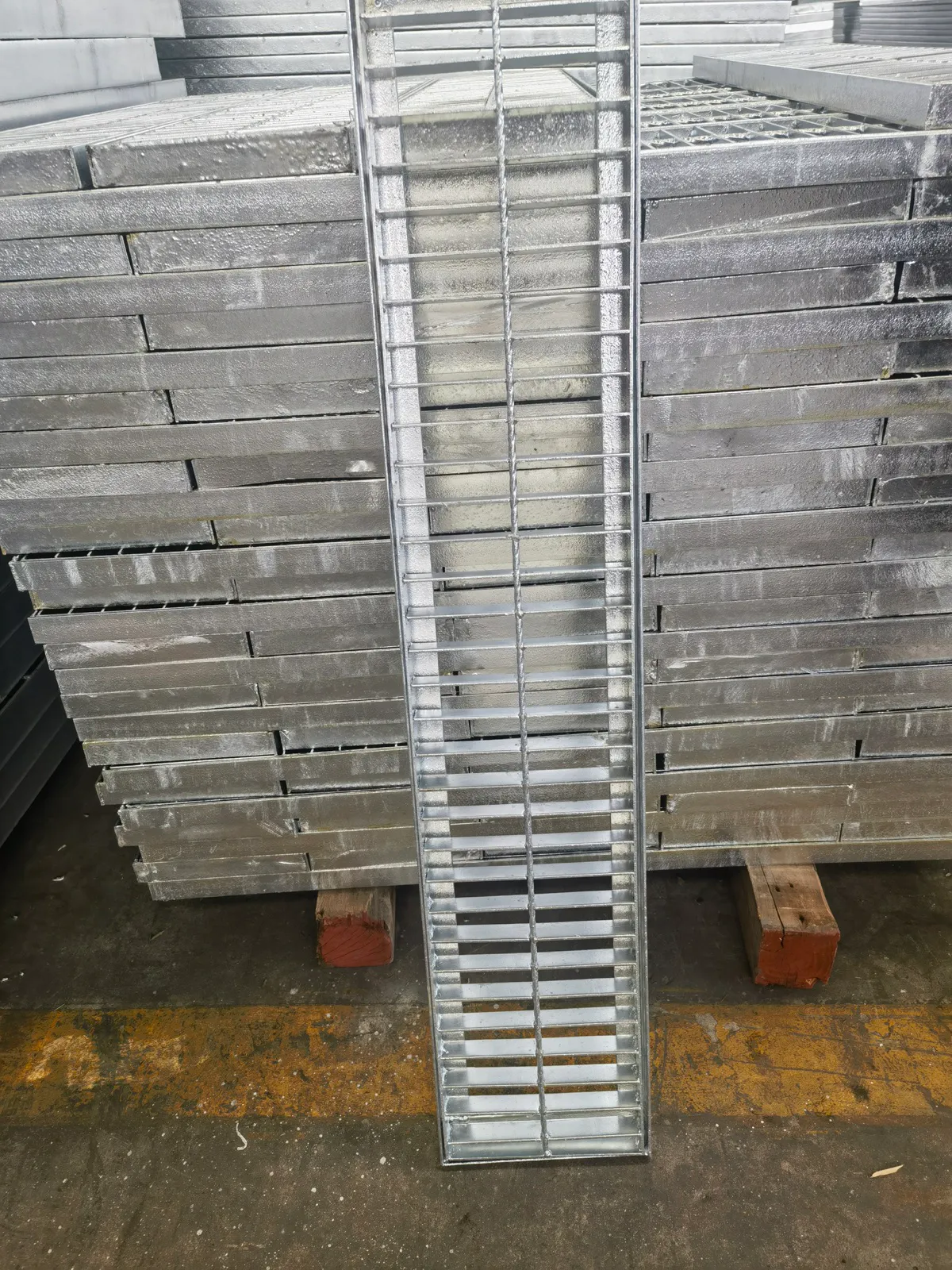
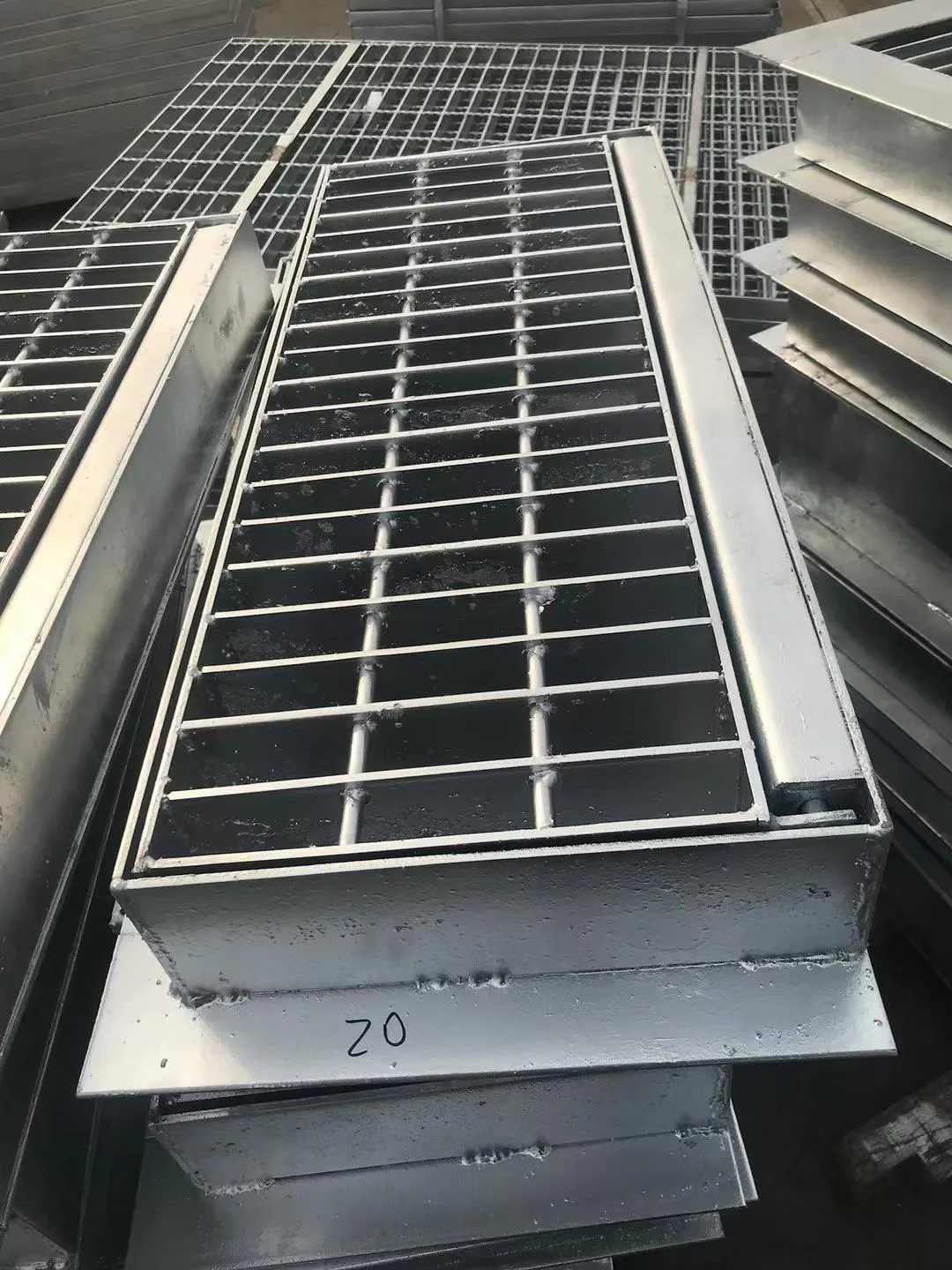
Galvanized steel grating trench drain covers with banded frames
High drainage flow Vehicle-rated options Hinged & lockable Frames supplied

What is trench cover grating?

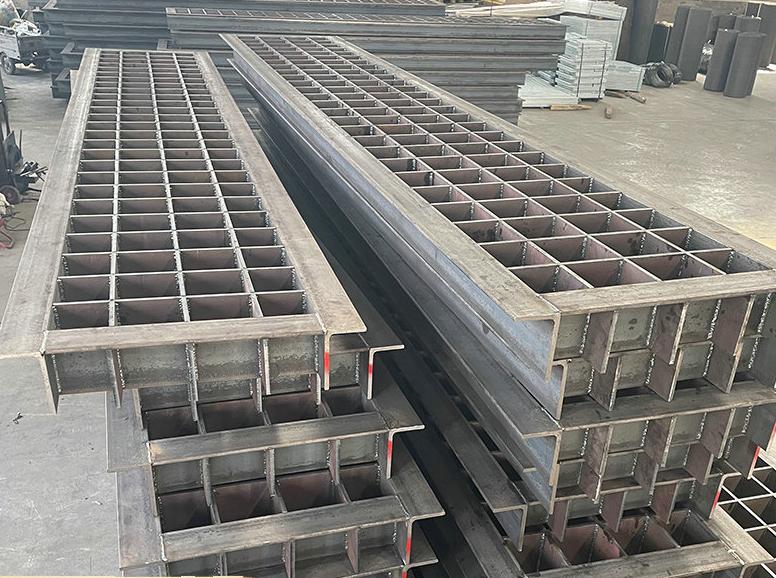
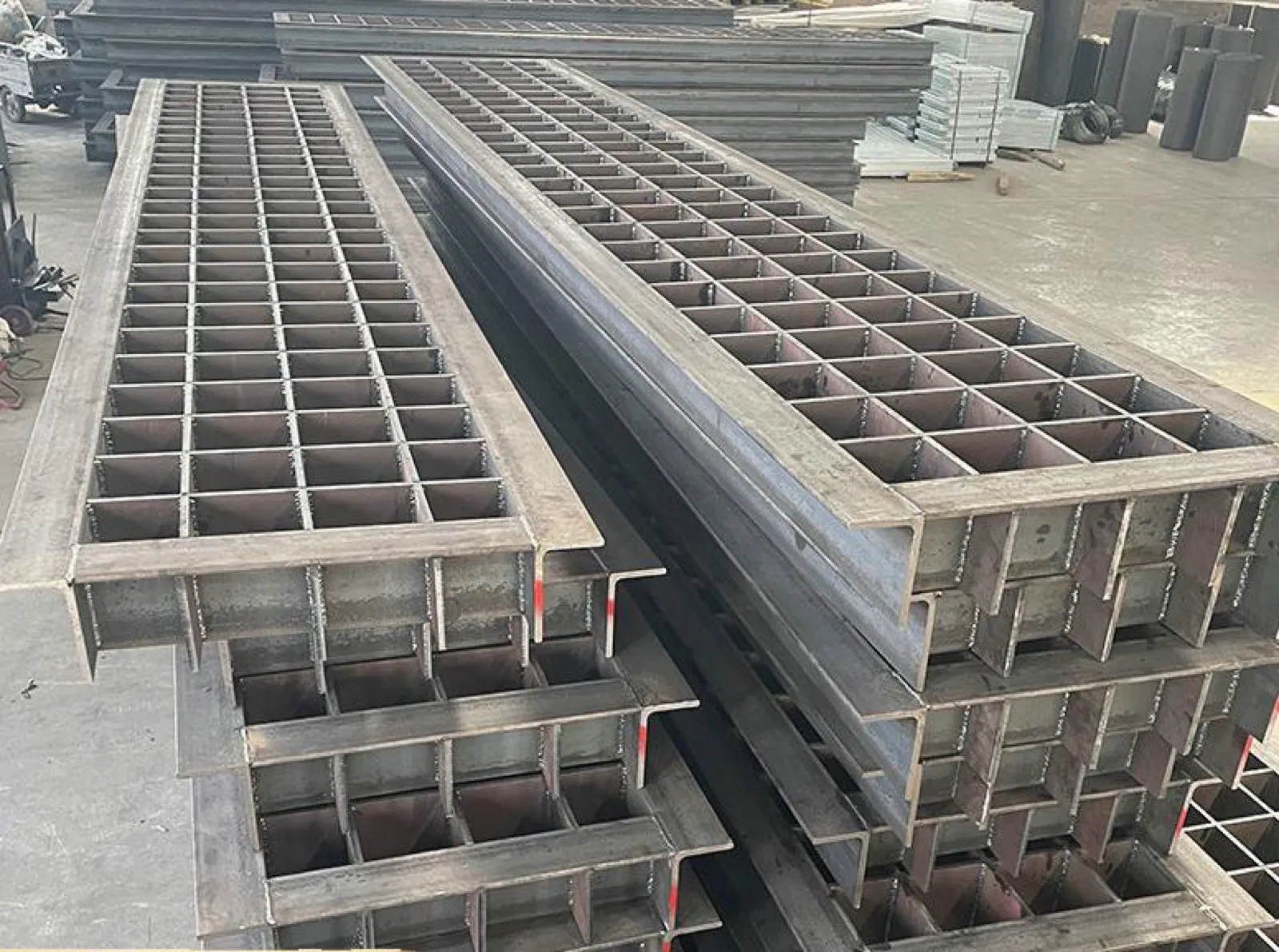
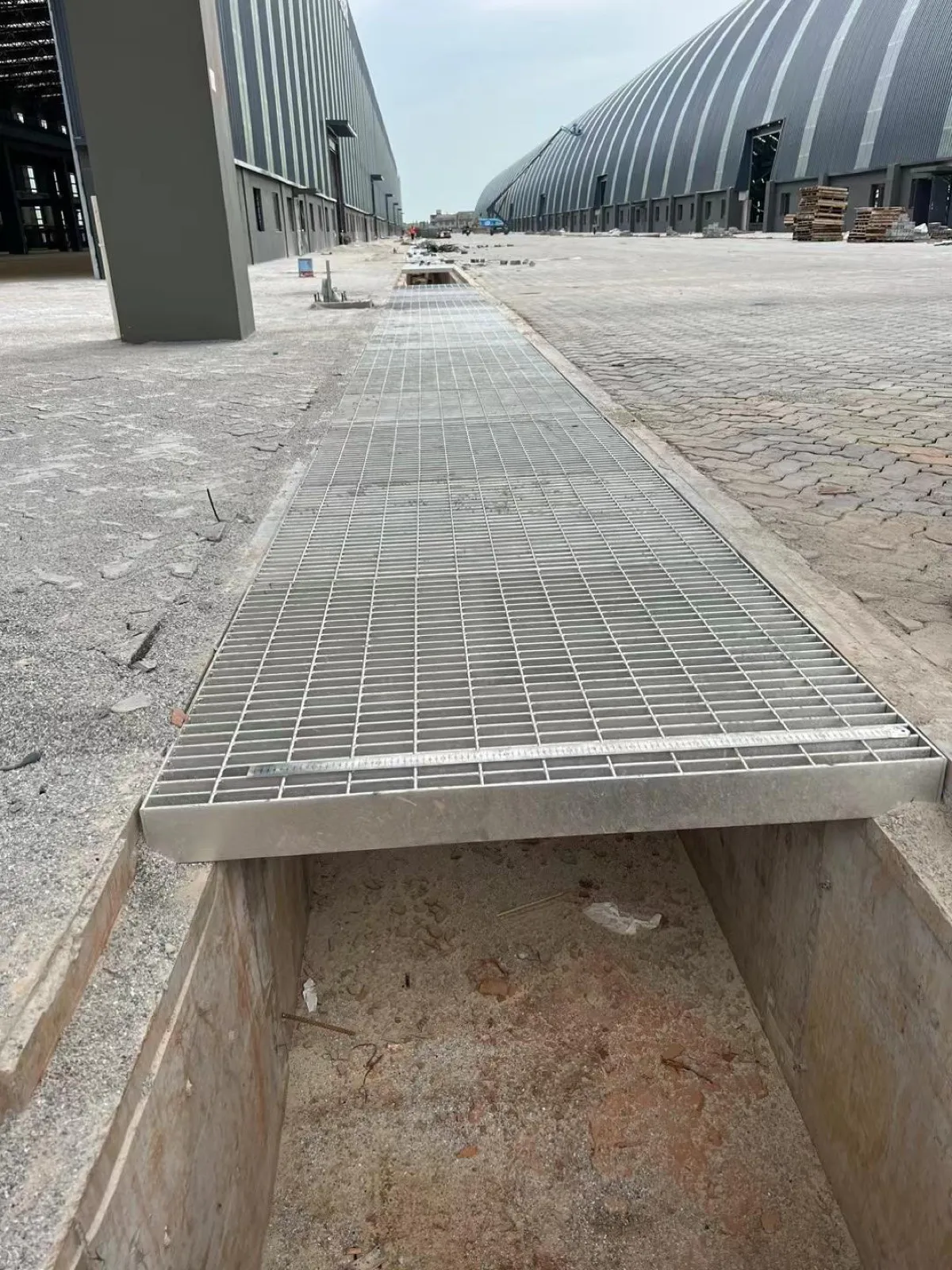
Trench cover grating spans drainage channels and utility trenches with an open grid that admits surface water while supporting foot or vehicle traffic. Covers are typically banded on all sides for edge stiffness and safe handling, and seat on embedded angle or channel frames.

Correct specification starts with the clear trench span and the traffic above: pedestrian covers use light sections, while driveway crossings need heavy-duty bars confirmed against wheel load, contact area, span and support conditions before quotation.

Hinged, lockable and lifting-key designs keep inspection and cleaning access practical without loose covers — tell us the opening size and access frequency and we will detail the arrangement.

Specifications

Specification Options

Trench cover grating — specification options
Item Options Notes
Load class Pedestrian / light vehicle / forklift / truckConfirmed against clear span and wheel load before quotation
Bearing bar 25 × 3 mm to 100 × 10 mmSized by clear span and load
Bearing bar spacing 30 / 40 mm30 mm common for drainage covers
Banding Flat bar banding on all sides; load banding for vehicle areasStandard for stiffness and safe handling
Frame Angle / channel frame, embedded or surface-mounted, with anchorsSupplied with covers as matched sets if required
Options Hinged, lockable, lifting keys, lifting lugsFor inspection and cleaning access
Finish Hot-dip galvanized / passivated stainlessGalvanized per ASTM A123 / ISO 1461 or customer standard
Panel limits Up to 6100 × 1000/1200 mm; 70–100 kg per cover handling limitLong trenches supplied as numbered cover runs
Read the steel grating load table guide →

Variants

Recommended Types

Pedestrian trench covers

Light sections for walkways, parks and building surroundings where only foot traffic applies.

Vehicle-rated trench covers

Heavy-duty bearing bars and load banding for forklifts and trucks — specified only after clear span, wheel load and support conditions are confirmed.

Hinged & lockable covers

Covers with hinges, locks and lifting keys for trenches that need regular cleaning or inspection.

Framed cover sets

Covers supplied together with angle or channel frames, including anchors for concrete embedment, detailed as matched sets.

Material for wet, buried service

Trench covers see a different exposure from an open platform because water, silt and debris can remain at the bearing seats and banded edges. For general rainwater drainage with regular wet-dry cycles, carbon steel can be a practical base material once the load section is confirmed. Continuously ponded water, trapped deposits and inaccessible buried edges need a more conservative corrosion review and a detail that lets the cover and frame drain.

Process drains need the liquid identified, not just the word “chemical.” Record concentration, temperature, cleaning chemicals and whether discharge is continuous or intermittent. Food and washdown areas may point to SS304 or SS316L, while chloride-bearing or more aggressive streams require the stainless grade to be checked against the actual media rather than selected from the site type alone.

Wastewater service may add hydrogen sulfide, condensation and low-oxygen deposits at the underside or frame seat. These conditions can attack hidden interfaces even when the top face looks dry. Review the cover, banding, hinges, fasteners and embedded frame as one exposure system, and keep clear-span and traffic calculations separate from the corrosion-material decision.

  • Rainwater drainage: confirm wet-dry cycle, debris retention and access for cleaning
  • Chemical drains: state media, concentration, temperature and discharge frequency
  • Wastewater / H₂S exposure: review underside, frame seats, hinges and fasteners together
  • Buried frames: avoid trapped water and verify the corrosion protection at hidden edges
  • Choose Q235 or Q355 from load demand; choose the corrosion-resistant material from exposure

Fabrication & QC

Fabrication & Quality Notes

  • Covers are banded on all four sides; vehicle-rated covers receive load banding matched to the wheel path.
  • Frames, anchors and hinges are fabricated as matched sets with the covers and checked before finishing.
  • Cover width and seat depth are verified against the clear trench span so covers seat without rocking.
  • Load class is confirmed against clear span, wheel load and support conditions before production.

Packaging

Packaging & Delivery

  • Covers stacked with spacers and strapped; frames bundled separately with matching tags.
  • Each cover tagged by trench zone or chainage to match site installation sequence.
  • Galvanized covers ventilated in packing to reduce wet-storage staining during sea freight.

Gallery

Trench Cover Grating in Detail

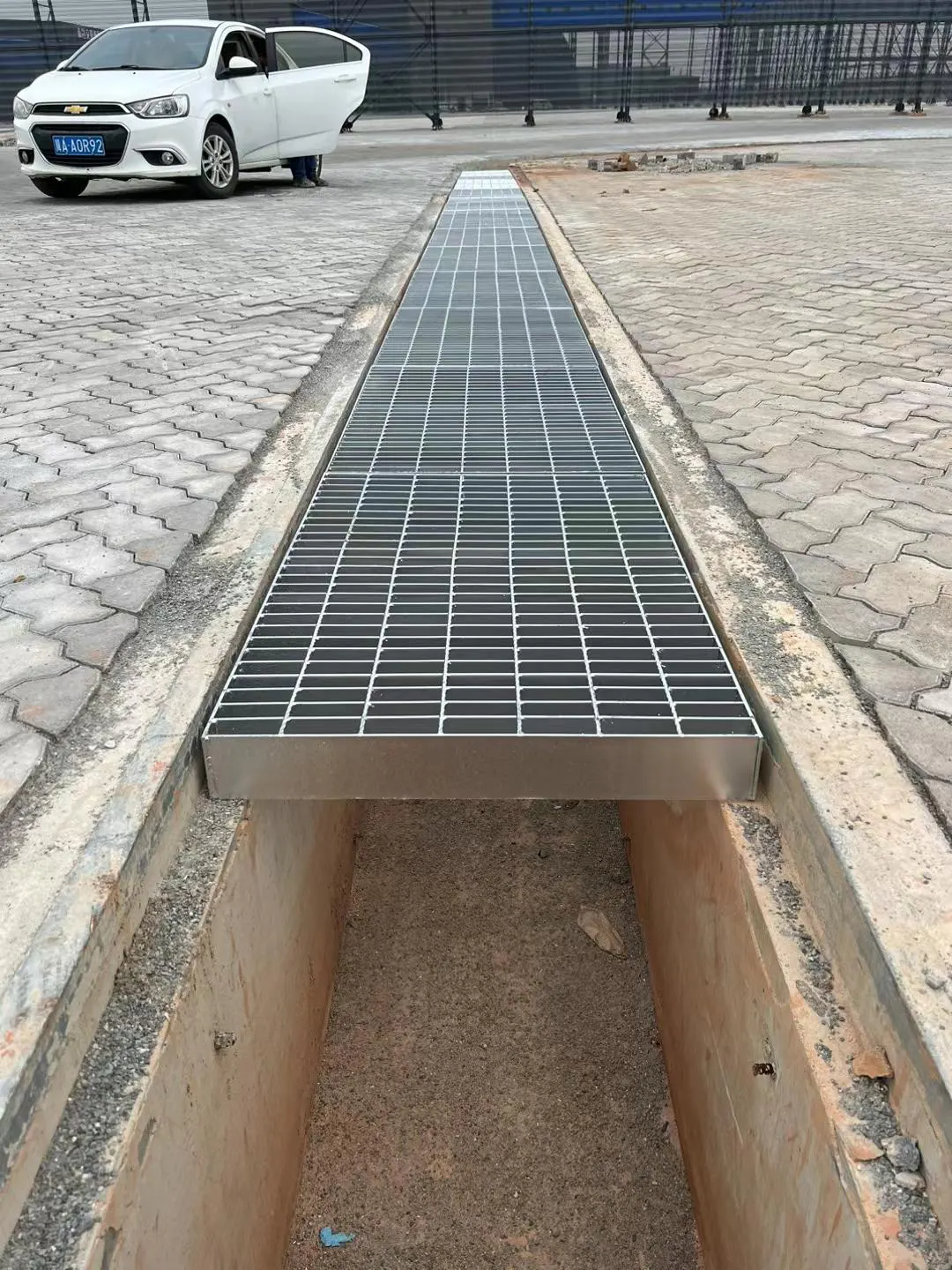
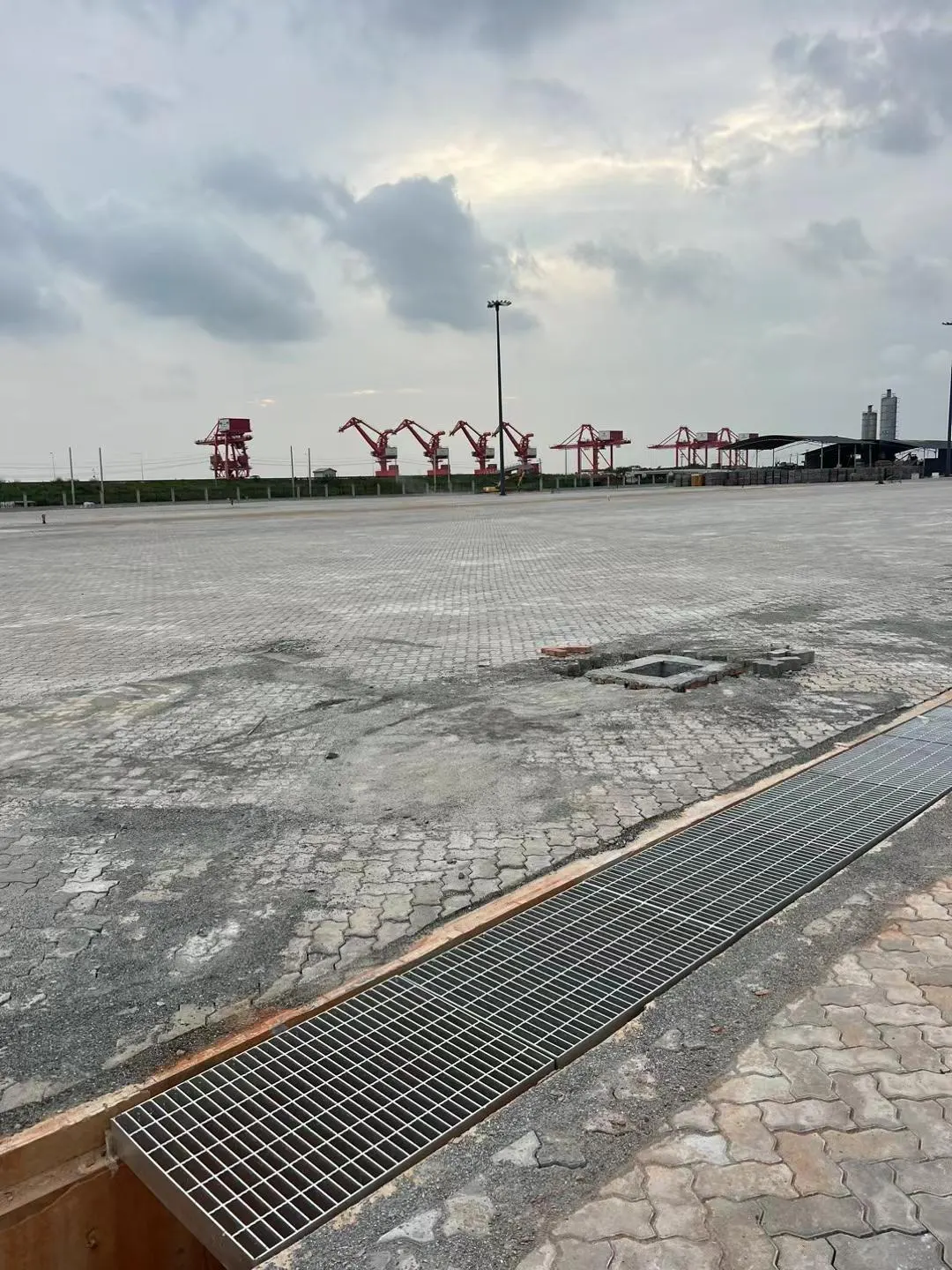
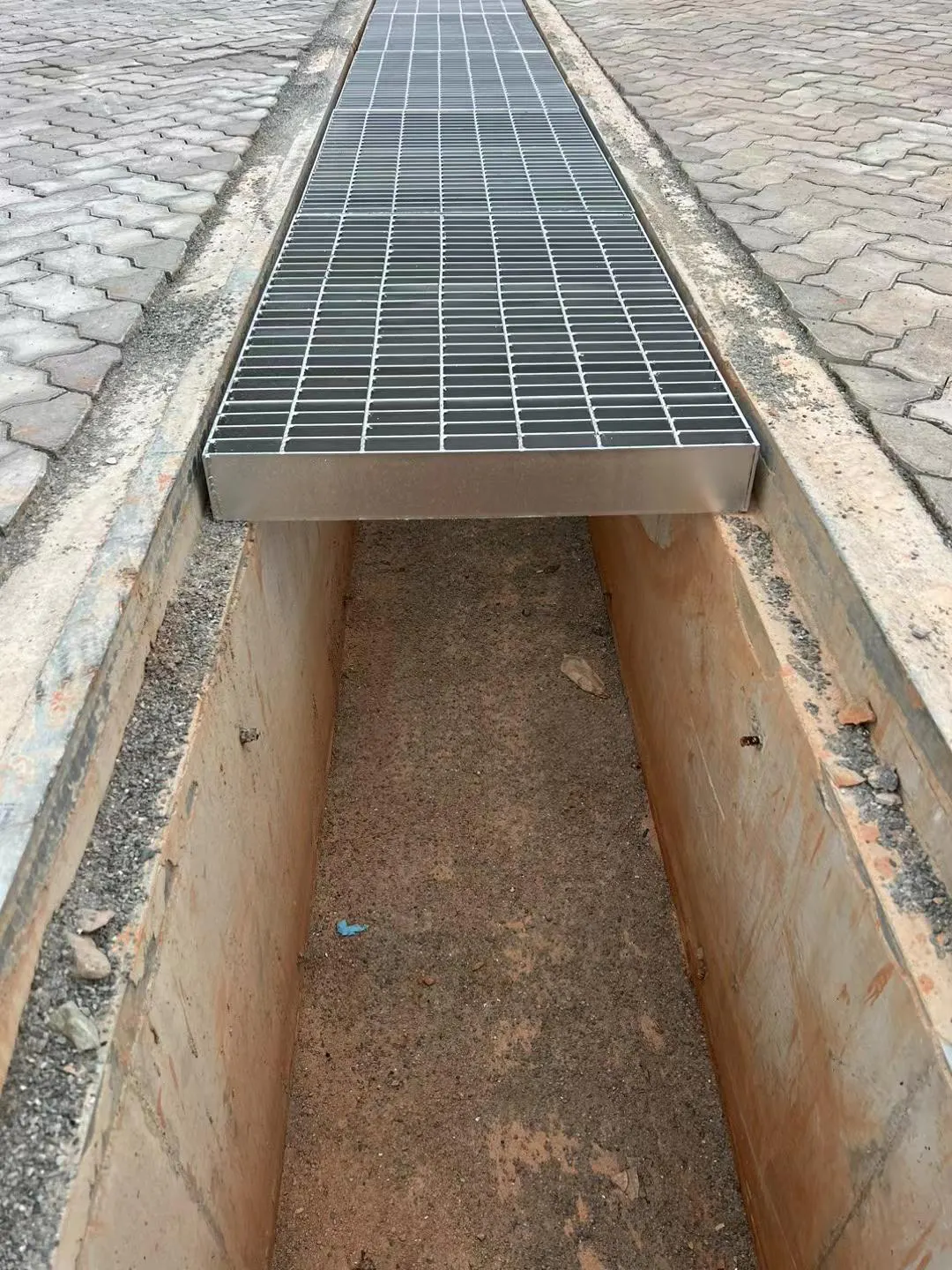
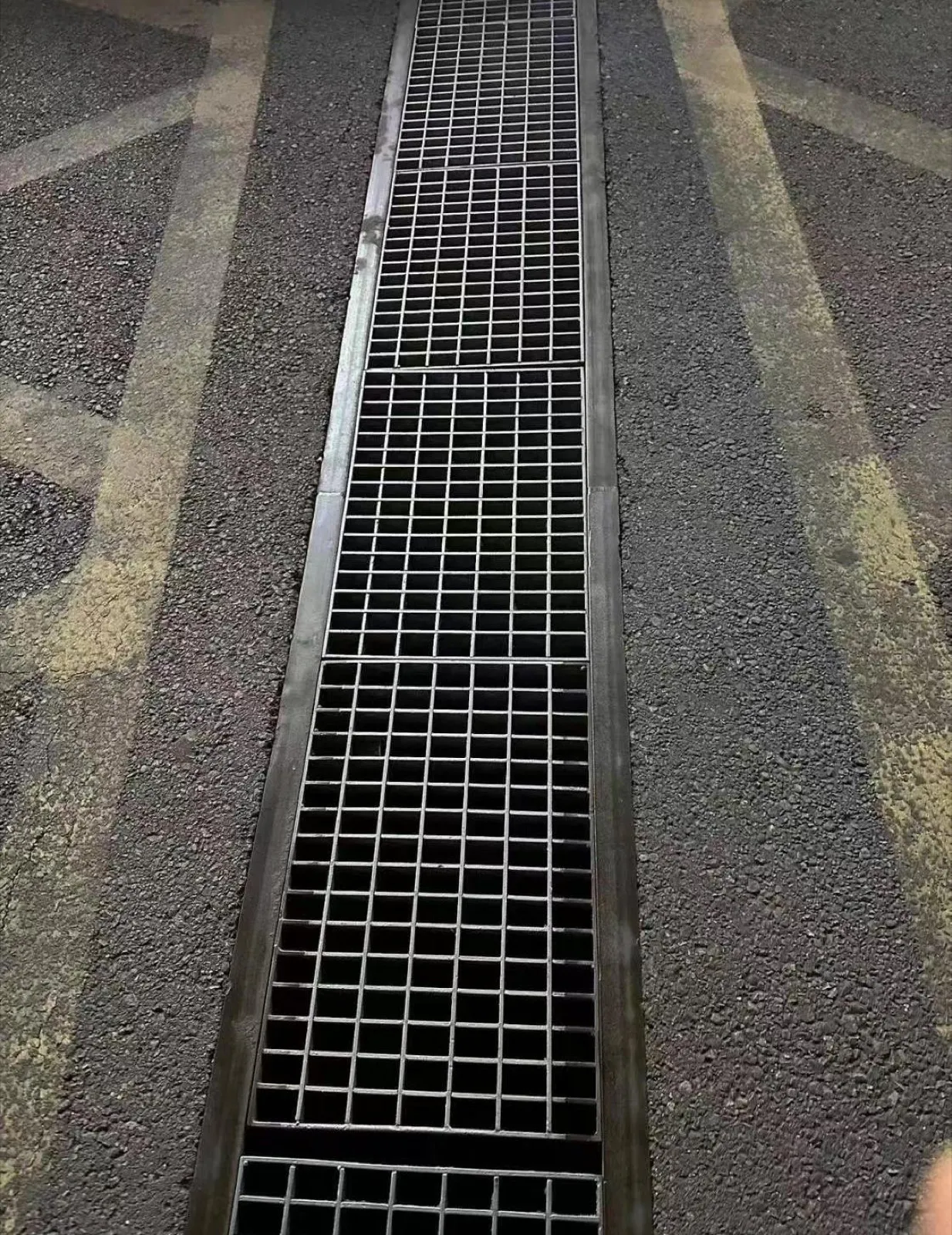
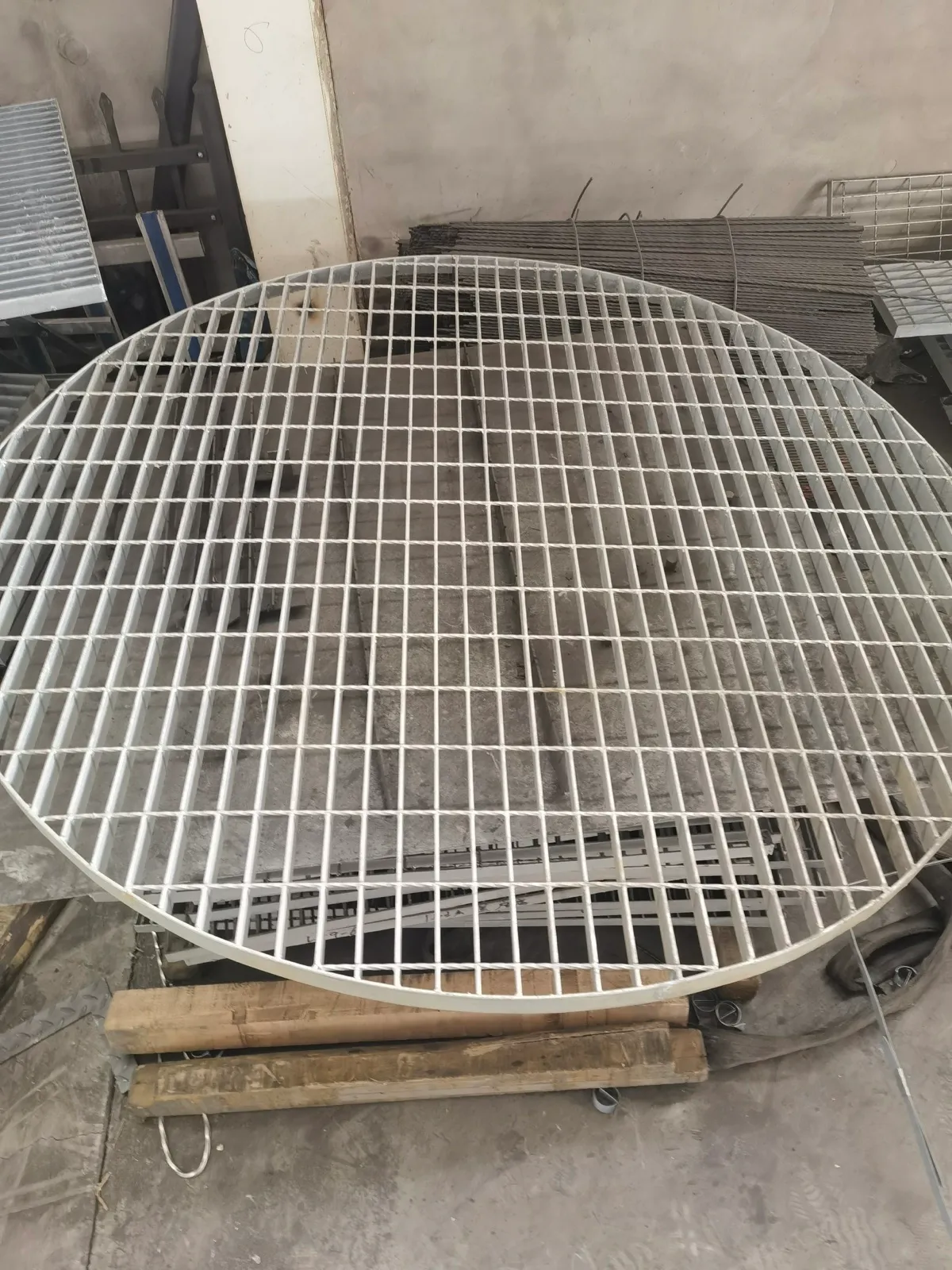
Framed galvanized trench cover grating panels stacked for dispatchGrating cover seated over an open drainage trenchGalvanized framed trench cover panels ready for export packing

FAQ

Trench Cover Grating FAQs

Can trench covers carry trucks?
Yes — heavy-duty covers are engineered for vehicle crossings. Provide clear span, wheel load and traffic frequency and we will confirm the specification before quoting.
Do you supply the frames too?
Yes. Angle or channel frames can be supplied with the covers, including anchors for concrete embedment, or covers can be made to suit your existing frames.
Can covers be hinged for cleaning access?
Hinged and lockable designs are available for trenches needing regular inspection. Tell us the opening size and access frequency.
What information is needed to quote trench covers?
Clear trench span, cover width and length, traffic type (pedestrian, forklift or truck with wheel load), frame requirement and finish. A sketch or layout drawing lets us detail the full set.
Are the covers banded?
Yes — covers are banded on all sides as standard for stiffness and safe handling; vehicle-rated covers get load banding designed for the wheel path.
Can you match covers to existing frames?
Yes. Measure the frame seat width and depth and the clear opening, and we will make covers that seat correctly in your existing frames.
What MOQ and lead time apply to matched trench-cover sets?
Standard drainage covers start around 10–20 m²; custom and vehicle-rated sets around 50 m². Typical lead time is 15–25 days including galvanizing; samples take 3–7 days.

Send Your Drawings, Get a Confirmed Specification

Complete inquiries are typically answered within 24 hours during business hours.