
Matched to Real Operating Conditions
Food & Pharma Grating
Food and pharmaceutical access areas need more than a corrosion-resistant label. Cleaning chemicals, washdown temperature, drainage, surface finish and fabrication details determine whether a stainless grating panel can be cleaned and inspected without hidden liquid or soil traps.
Gallery
Application Gallery
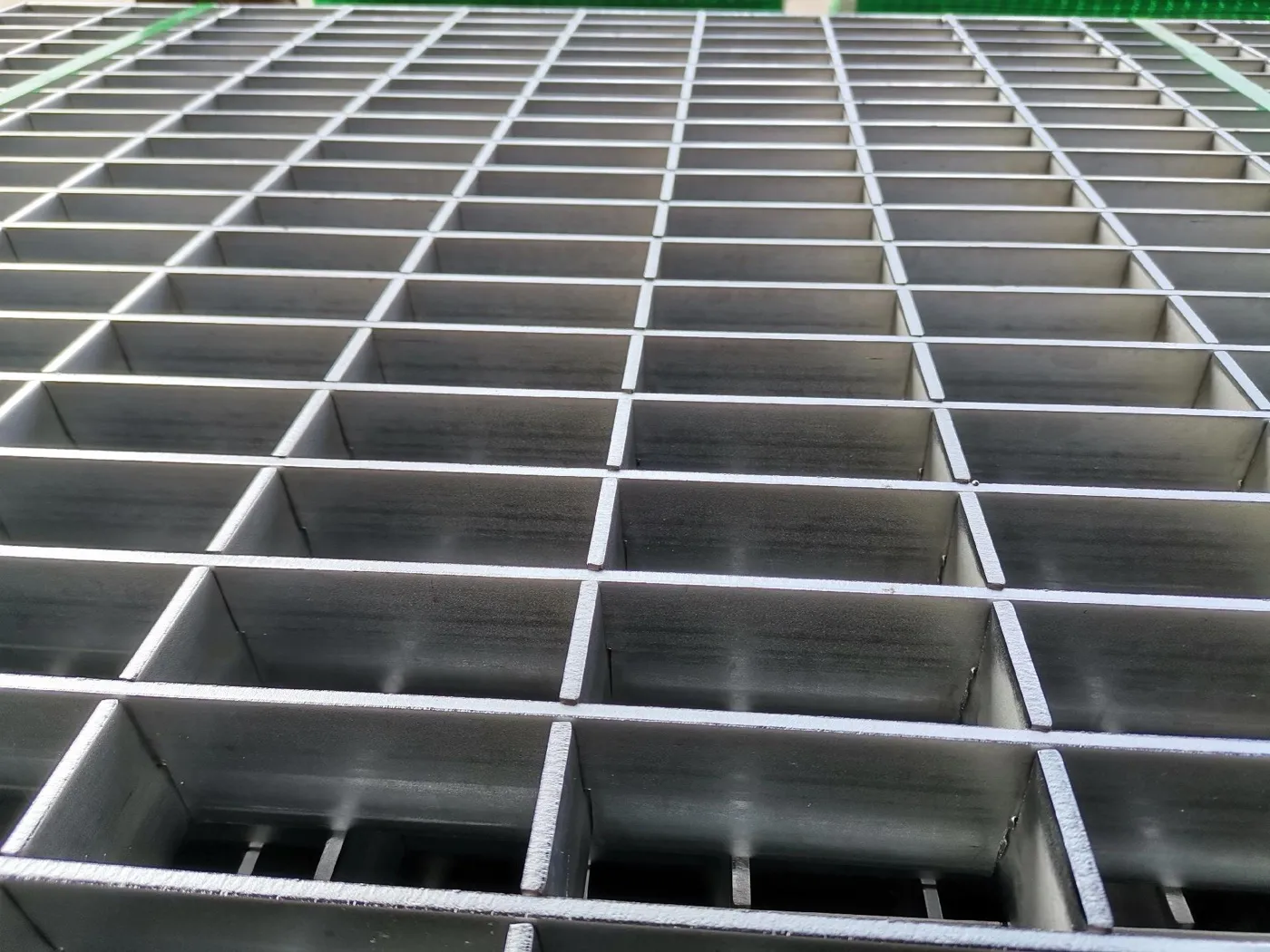
The Challenge
What This Application Demands
Frequent washdown exposes welds, crevices and support seats to cleaning chemistry
Poor drainage leaves standing liquid and difficult-to-inspect residues
Carbon-steel contamination can compromise a stainless surface during fabrication or handling
Different process zones may require different finish and cleaning acceptance criteria
Requirements
Specification Requirements
Confirm these points before ordering — they define the grating.
Cleaning regime
- List cleaners, sanitisers, concentrations, temperatures and contact times
- State washdown pressure, frequency and rinse-water condition
- Identify product-contact, splash and general access zones separately
Drainable detailing
- Keep panel edges, support seats and joints accessible for cleaning
- Avoid unreviewed pockets, capped voids and liquid traps
- Mark floor falls, drains and removable inspection areas
Stainless fabrication
- Use stainless-dedicated handling and tools where specified
- Confirm post-weld pickling and passivation requirements
- Define the required surface finish and acceptance evidence
Gratings
Recommended Grating Series
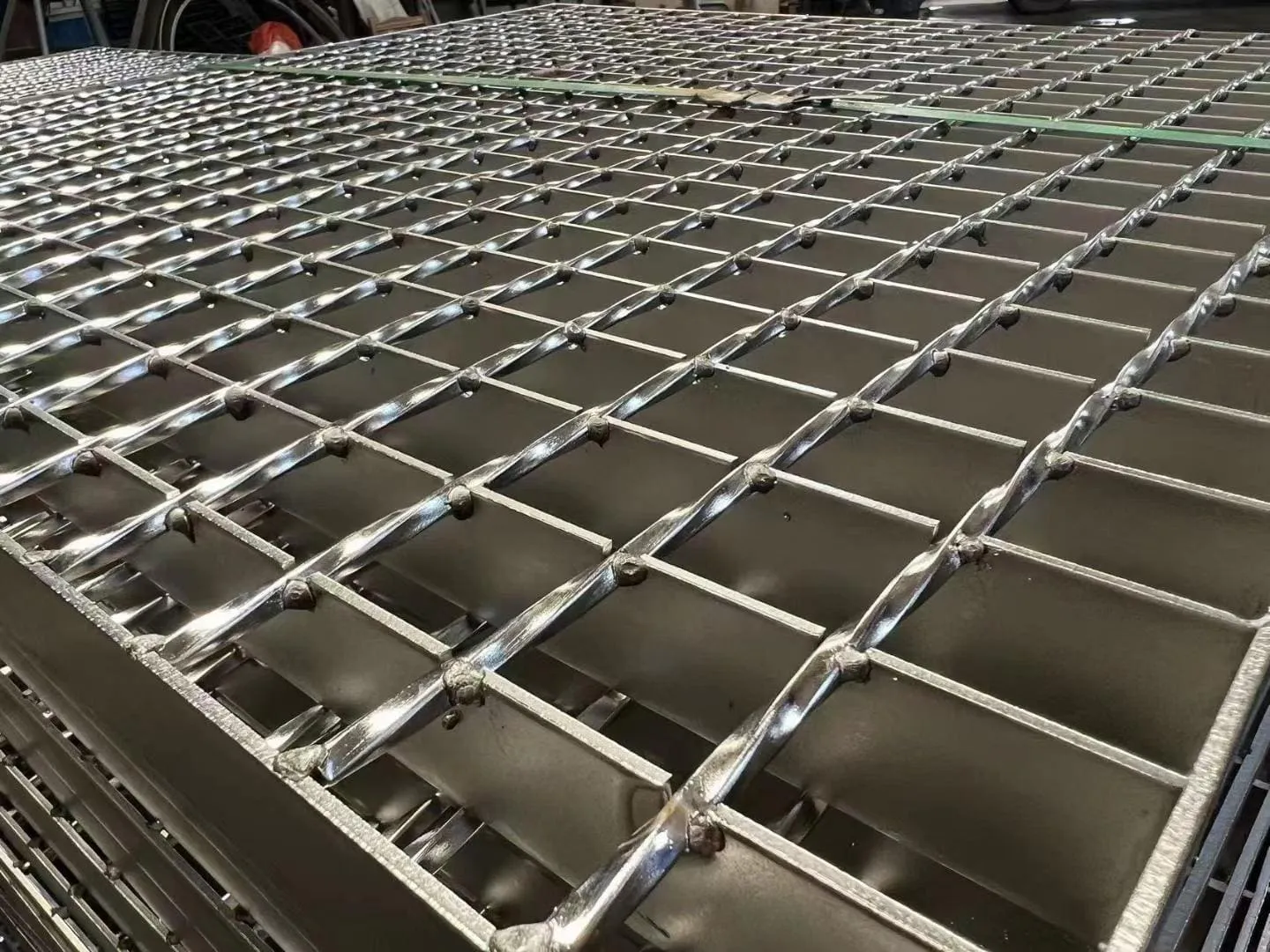
Stainless Steel Grating
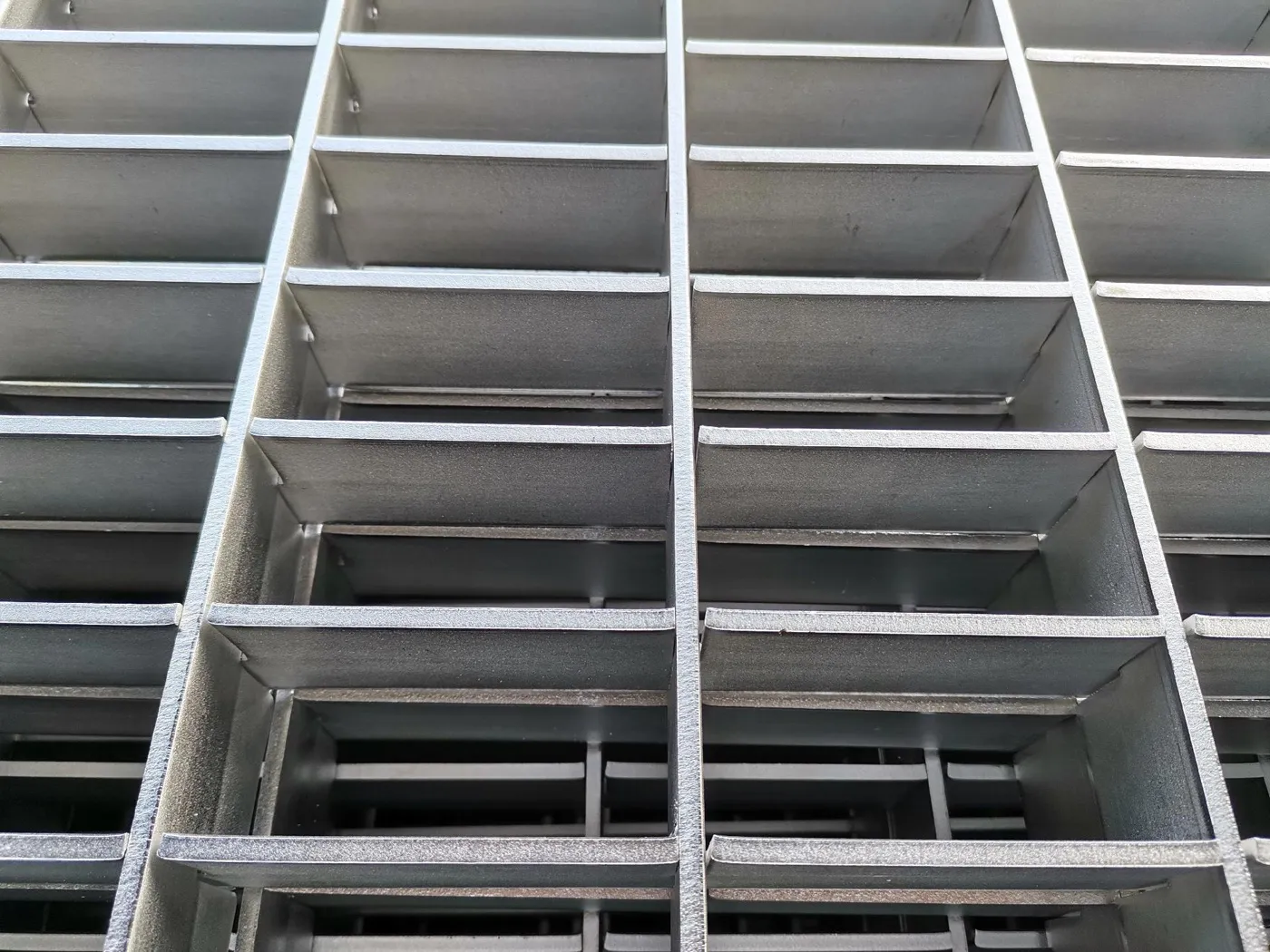
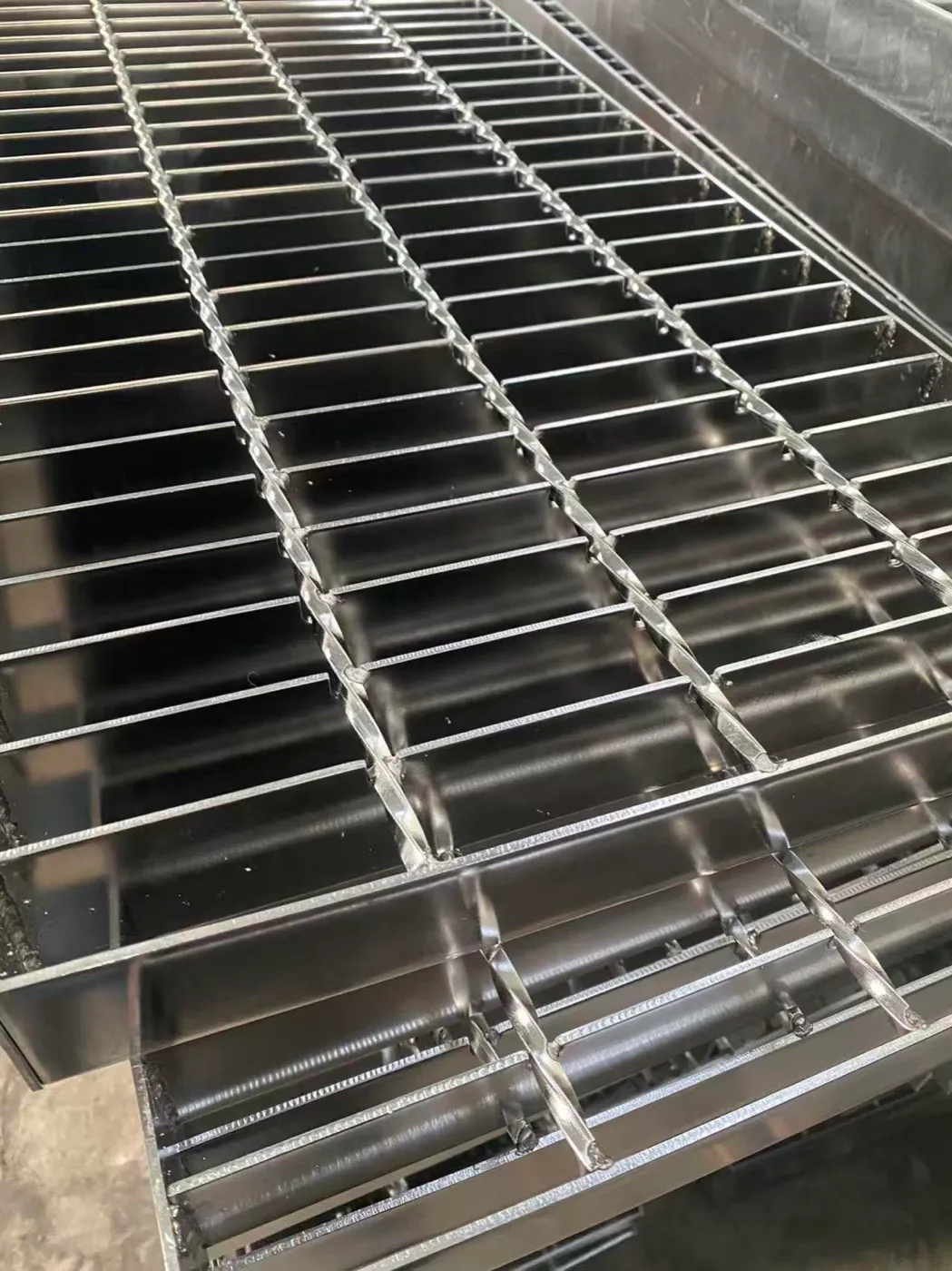
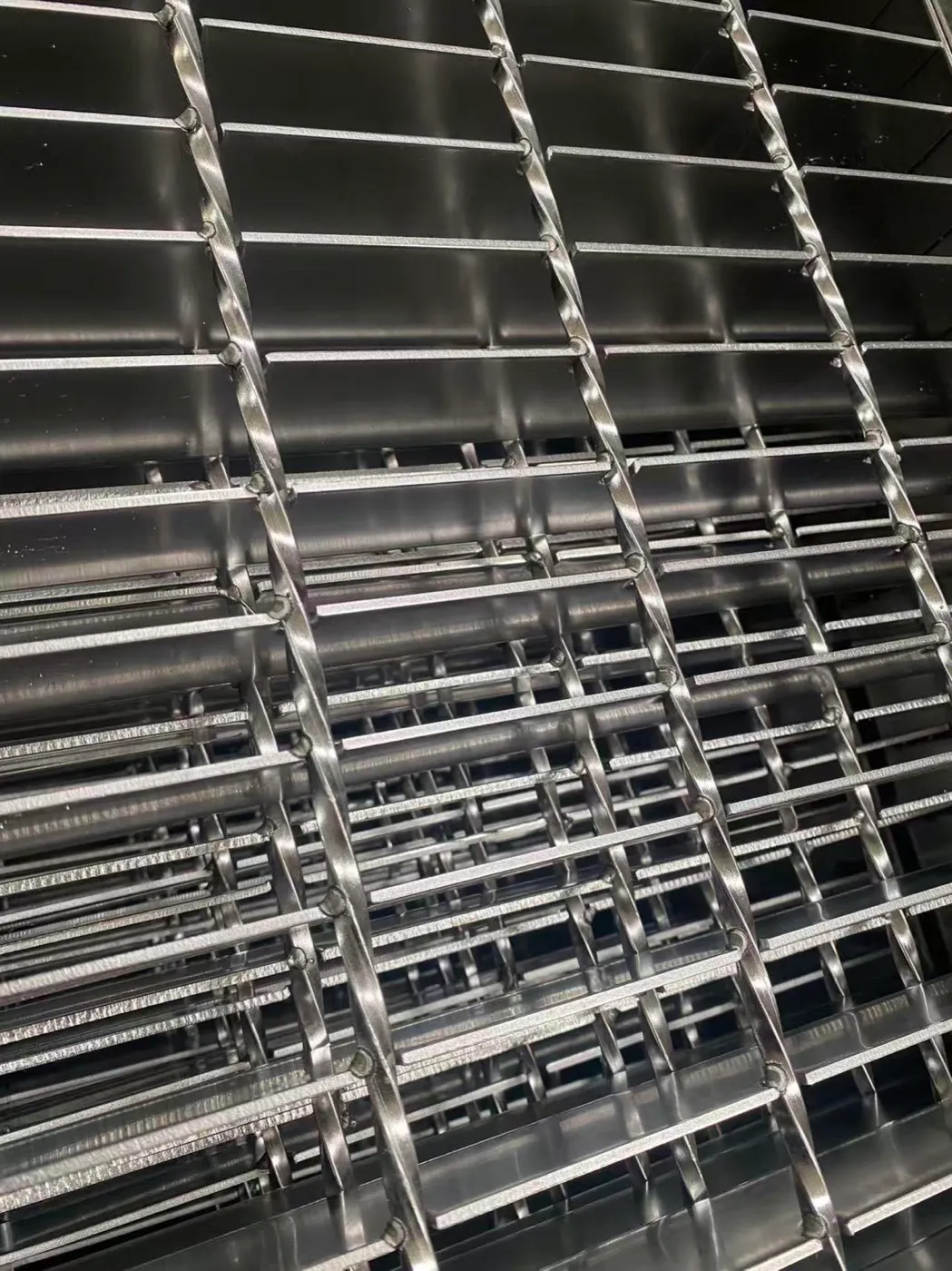
SS304/316L grating for chemical, food-grade, coastal and hygienic environments — passivated or electro-polished.
View product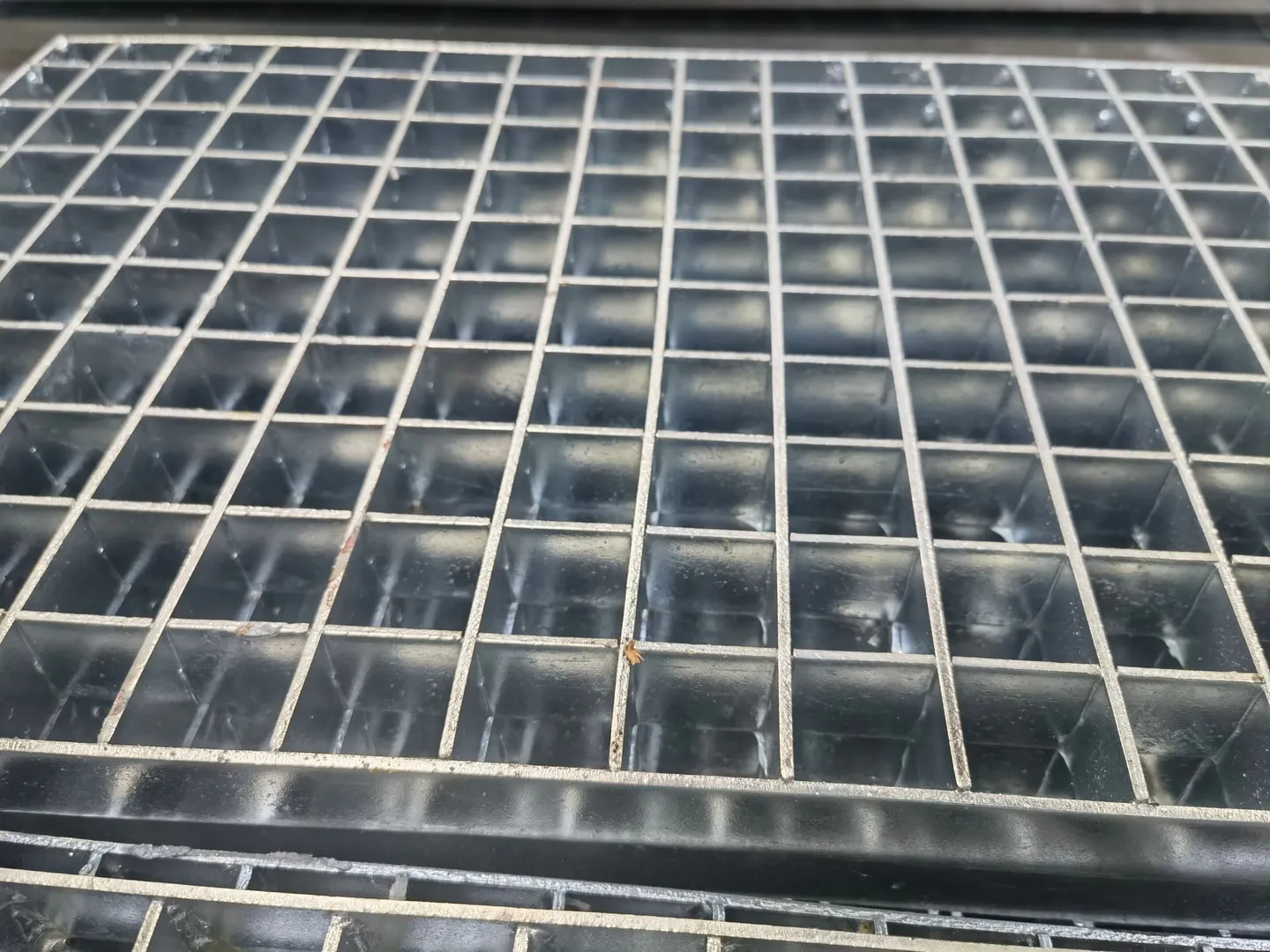
Press-Locked Grating
A mechanically locked grid with clean lines and flexible spacing options for industrial flooring, screens and projects where appearance matters.
View product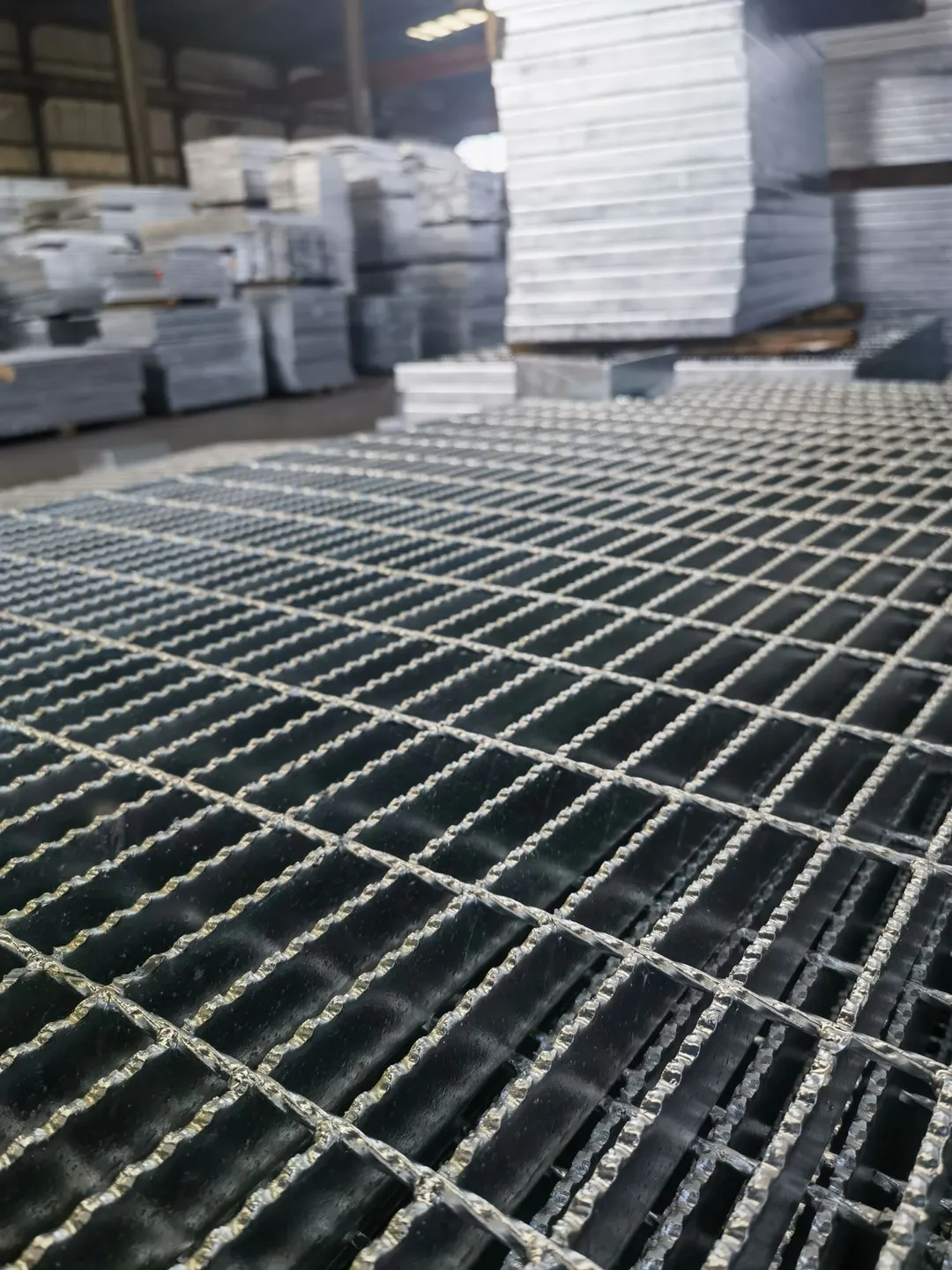
Serrated Steel Grating
Serrated bearing bars for added traction where wet, oily, snowy or inclined conditions are identified.
View product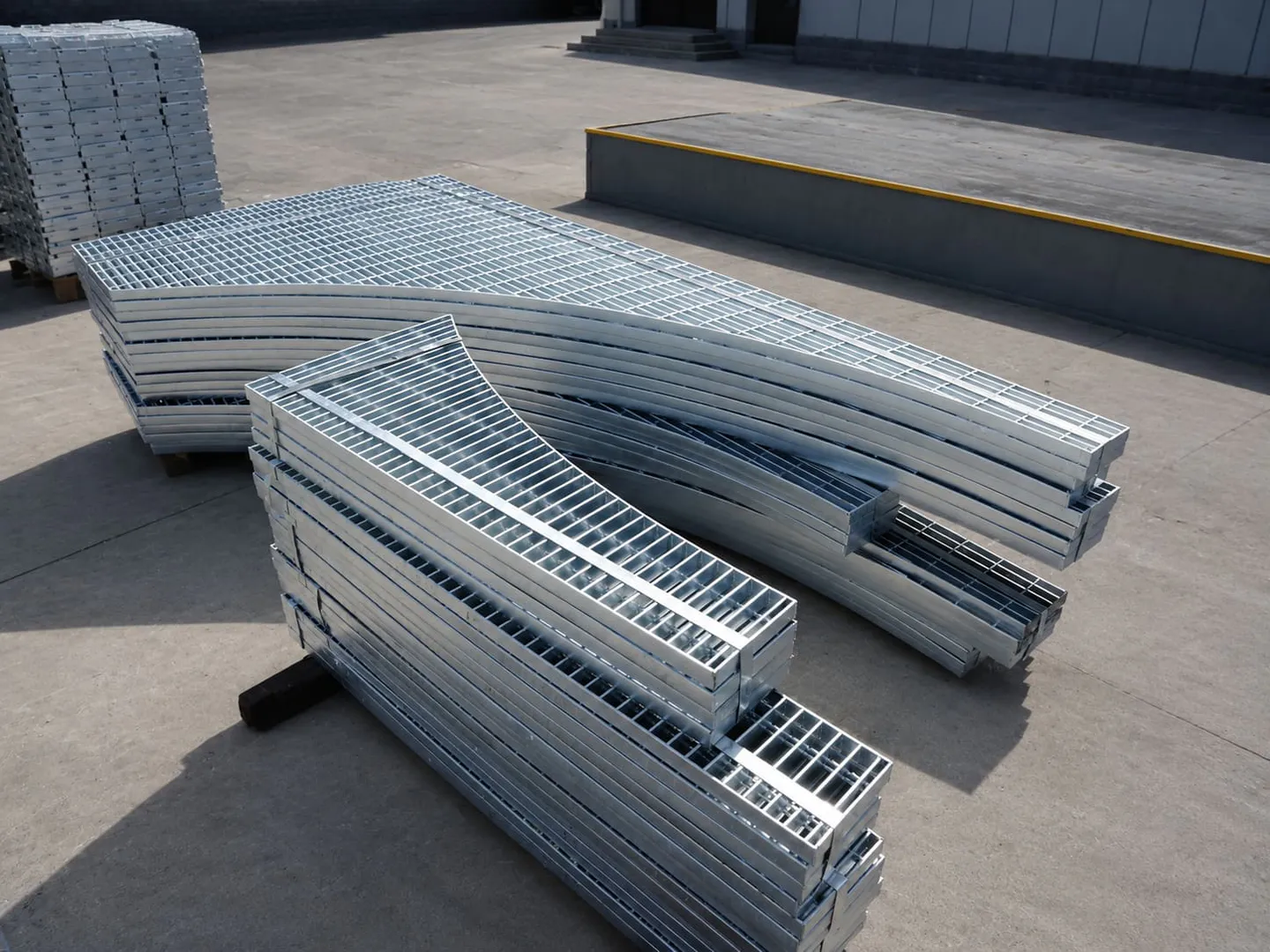
Custom Irregular Grating
Drawing-based non-rectangular panels with notches, cut-outs, curved edges and project panel numbering.
View productCleaning chemistry separates 304 from 316L
Stainless 304 can suit compatible indoor washdown and general hygiene areas, while 316L is commonly evaluated where chlorides, stronger cleaning chemistry or more aggressive exposure are present. The correct grade depends on the actual cleaner, concentration, temperature, contact time and process zone—not the industry name alone.
After fabrication, specified pickling and passivation restore the stainless surface around welds. Surface finish and joint details should remain accessible for cleaning and inspection. This page does not claim hygienic certification; the owner’s applicable hygiene and validation criteria must be supplied and confirmed per project.
- 304: evaluate for compatible indoor washdown conditions
- 316L: consider where chloride or more aggressive chemistry requires it
- Both grades: confirm post-weld treatment and contamination control
- Project team: define the applicable hygiene and cleaning acceptance criteria
Inquiry
What to Send Us
These parameters let us confirm the specification and prepare a quote with fewer clarification rounds.
- Process zone and applicable hygiene or validation requirement
- Cleaning and sanitising chemicals, concentrations and temperatures
- Washdown pressure, frequency, contact time and rinse-water condition
- Clear spans, support details and load requirements
- Required stainless grade, surface finish, pickling and passivation
- Drainage, removable-panel, fixing and inspection requirements
- Quantity and destination
Installation
Installation Notes
- Protect finished stainless panels from carbon-steel contamination during storage and installation.
- Keep support seats, joints and panel edges accessible to cleaning and inspection.
- Coordinate floor falls and drains so wash water does not remain trapped.
FAQ
Food & Pharma Grating FAQs
Should food and pharmaceutical areas always use 316L?
Why specify pickling and passivation?
Do these product photos prove a food or pharma installation?
Send Your Drawings, Get a Confirmed Specification
We aim to reply within one business day during published business hours.