
Matched to Real Operating Conditions
Offshore Oil & Gas Grating
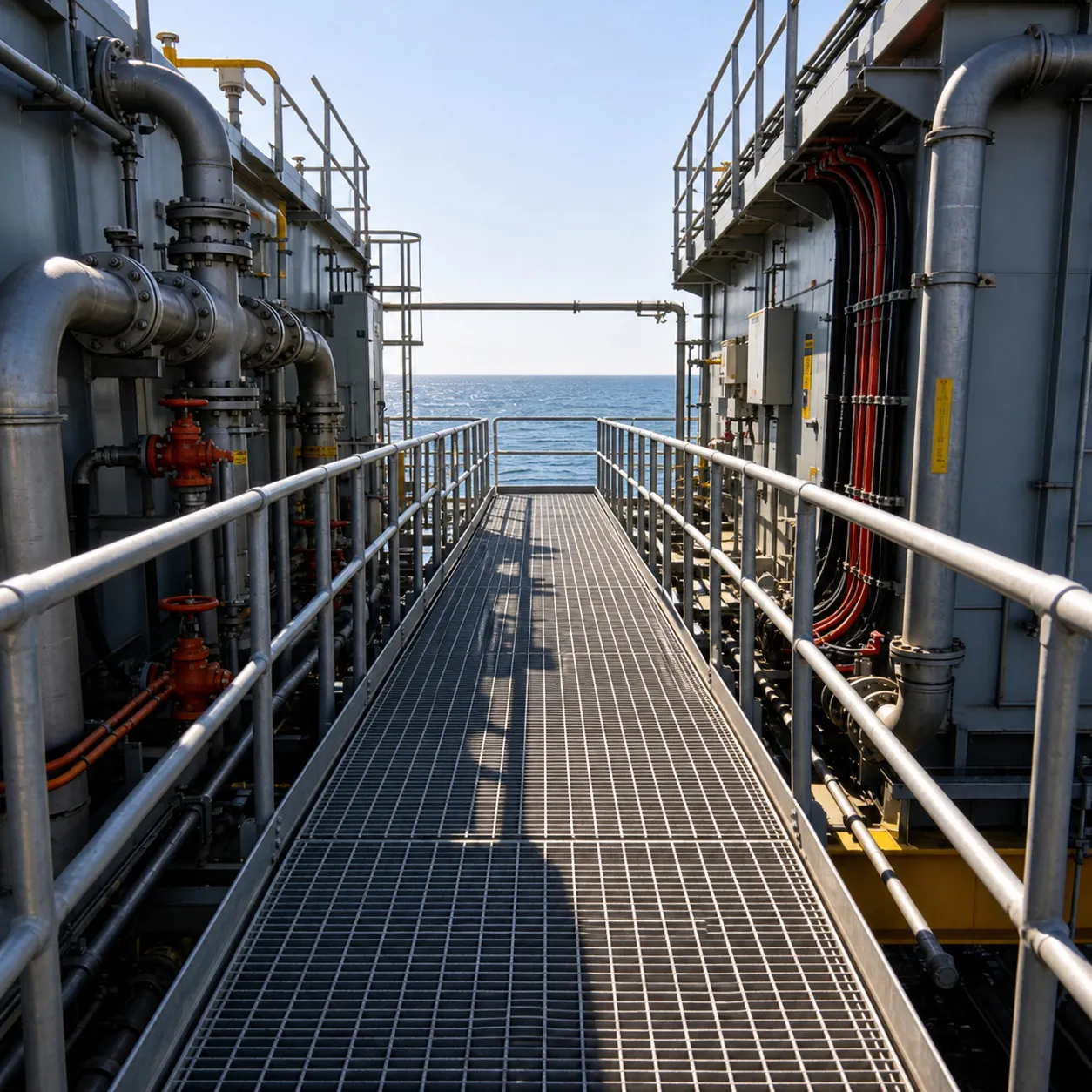
Offshore access combines continuous salt exposure, wind-driven wetting, slip risk and strict control of openings and removable panels. This draft page sets out the information needed for material and panel review; it does not claim a completed offshore supply reference.
Gallery
Application Gallery
The Challenge
What This Application Demands
Long-term salt spray and chloride deposits attack exposed and sheltered surfaces
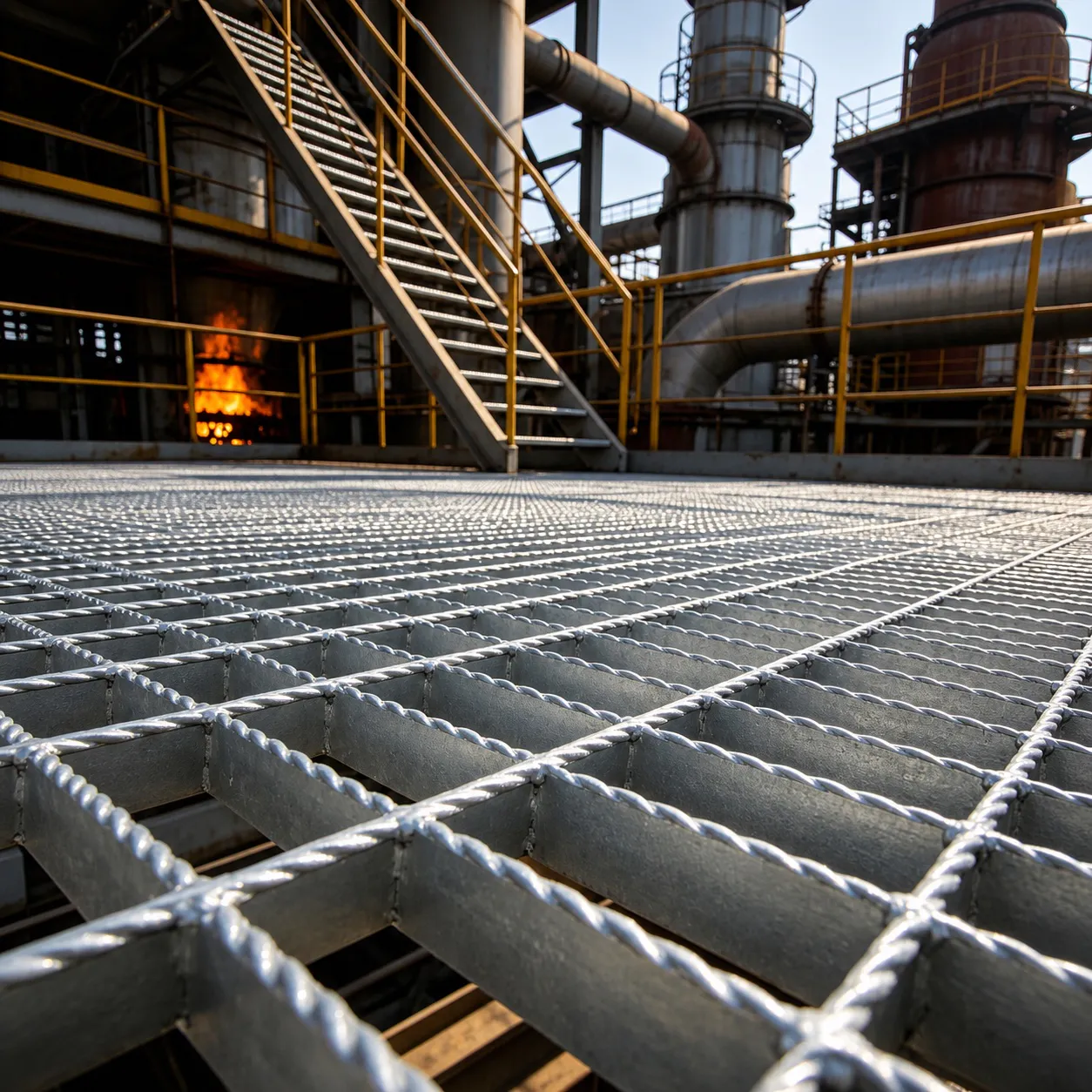
Water, oil and process residue raise slip risk on stairs and access routes
Opening size affects dropped-object and personnel safety requirements
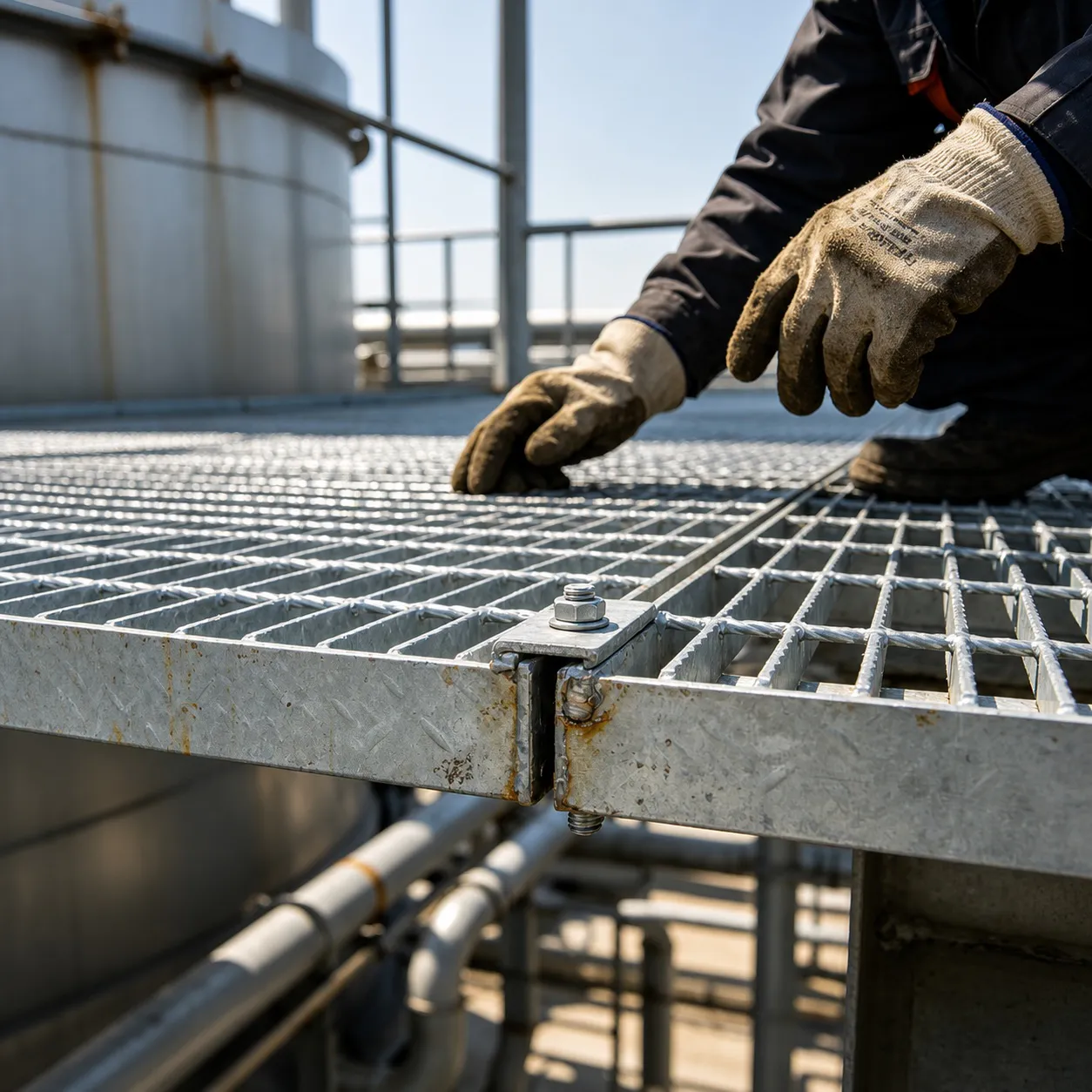
Inspection access needs removable panels that remain positively restrained
Requirements
Specification Requirements
Confirm these points before ordering — they define the grating.
Exposure and corrosion system
- State atmospheric, splash and any direct seawater exposure
- Provide the owner’s material, coating and corrosion-control specification
- Identify dissimilar-metal interfaces, crevices and slow-drying areas
Safety surface
- Define wet, oily and inclined walking conditions
- Provide the required opening and dropped-object criteria
- Confirm toe plates, nosing and edge protection with the platform design
Maintenance access
- Mark removable panels, lifting needs and inspection openings
- Define positive restraint and fixing requirements
- Keep panel numbering tied to module, deck and area
Gratings
Recommended Grating Series
Stainless Steel Grating
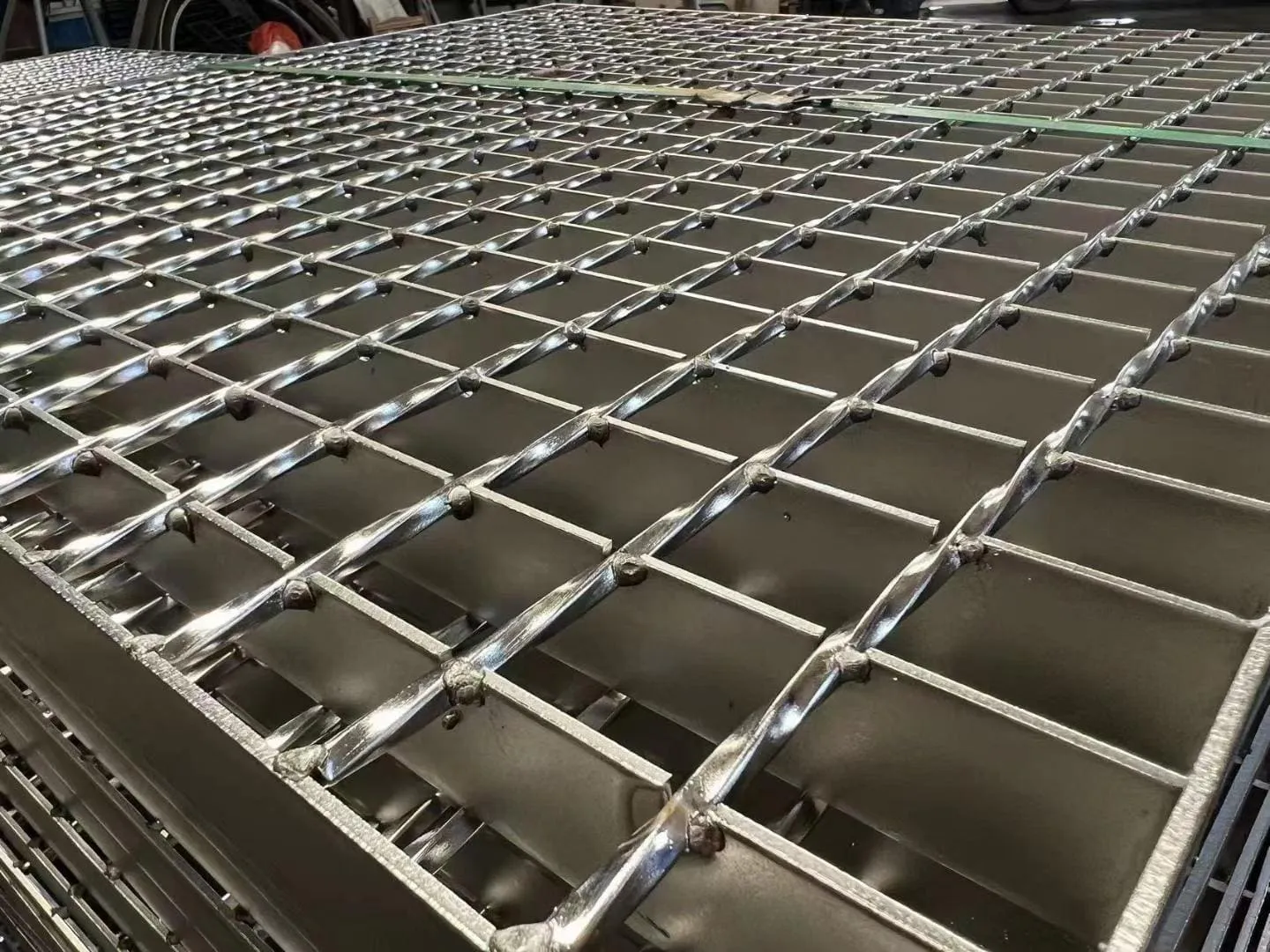
SS304/316L grating for chemical, food-grade, coastal and hygienic environments — passivated or electro-polished.
View product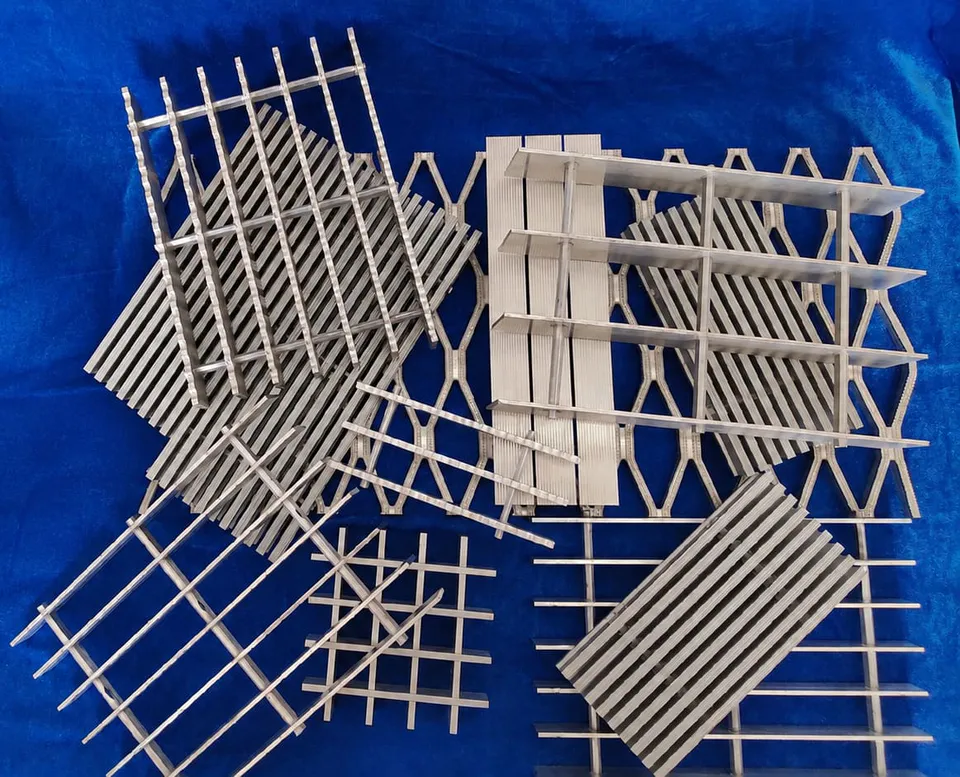
Aluminum Grating
Lightweight, corrosion-resistant aluminum bar grating for architectural, marine and light-to-medium duty platforms.
View product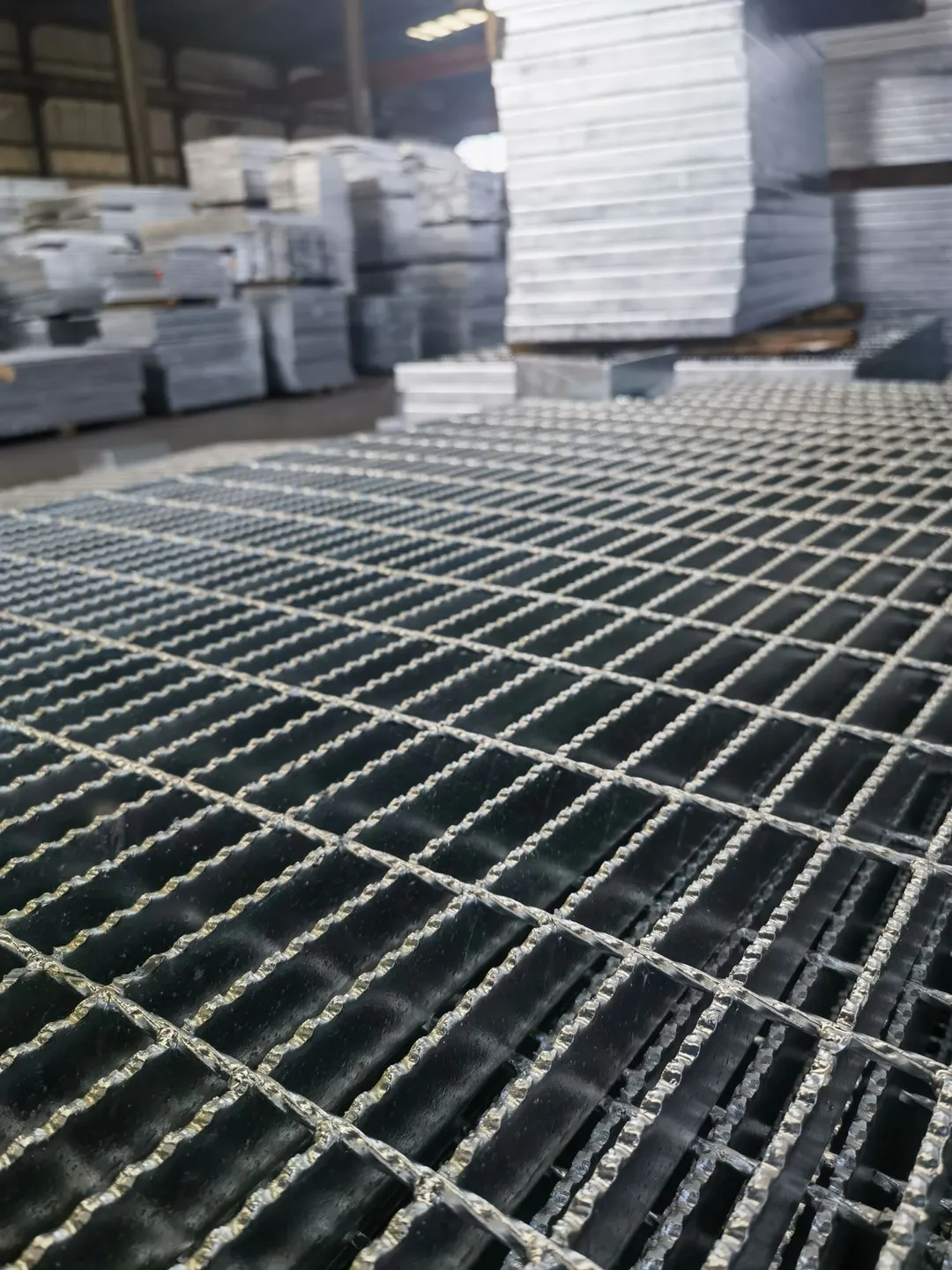
Serrated Steel Grating
Serrated bearing bars for added traction where wet, oily, snowy or inclined conditions are identified.
View product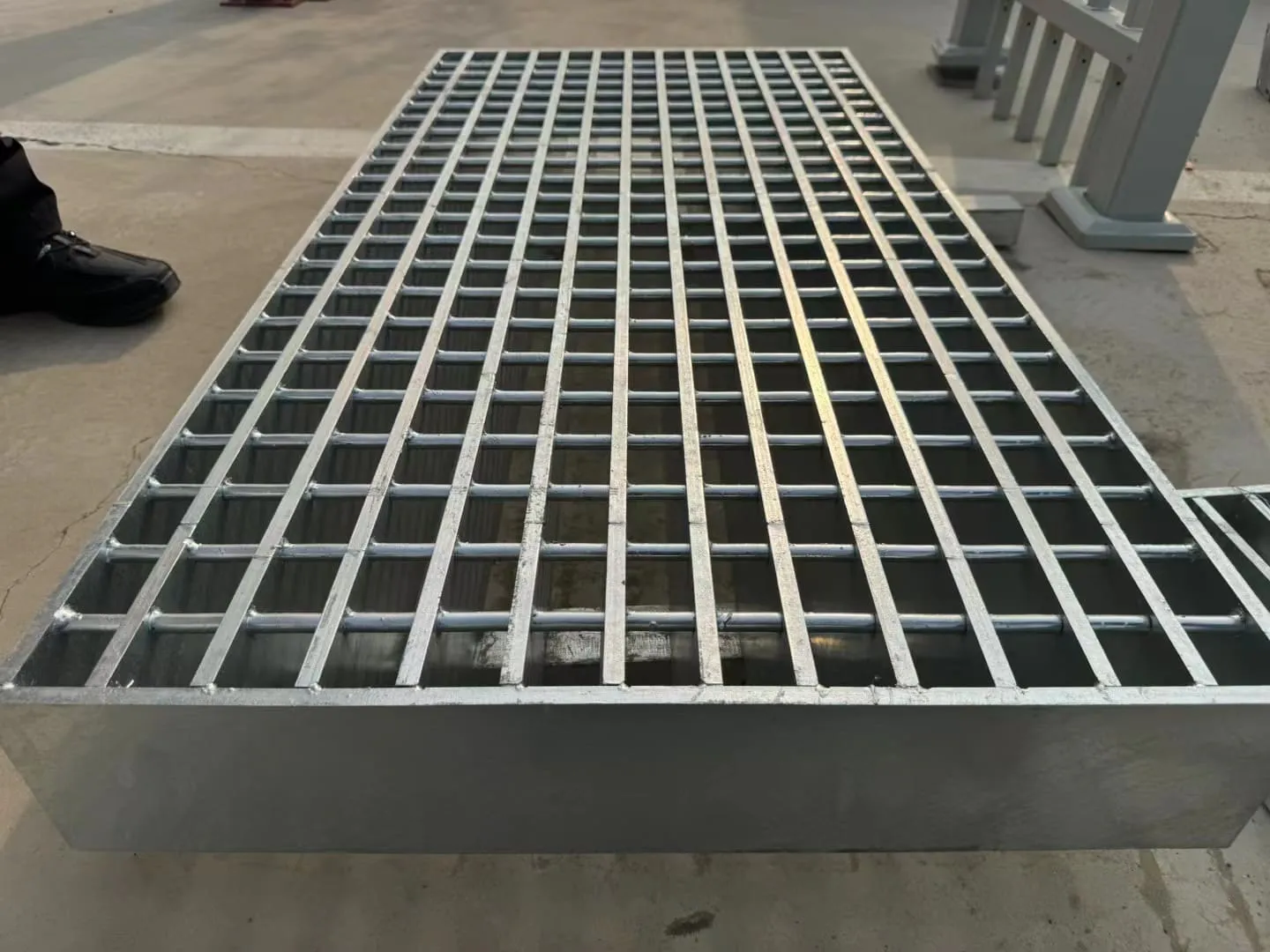
Heavy Duty Steel Grating
Heavy bearing bars for forklift, truck and equipment loads — engineered against span and support conditions.
View productOffshore material follows the owner corrosion system
Stainless 316L, aluminum and project-coated carbon steel can each appear in offshore access systems, but the owner’s corrosion specification, chloride exposure, fire strategy, supports, fasteners and maintenance plan determine what is acceptable. A material name alone is not a complete offshore specification.
Load capacity still requires clear span, load type and support conditions. Where concentrated equipment or handling loads apply, the bearing profile is confirmed from those inputs. Surface, opening size and removable-panel restraint are separate safety decisions and must remain visible in the project documents.
- Start with the owner’s material and corrosion-control specification
- Coordinate deck, support and fastener metals as one system
- Confirm serration and opening criteria from the actual safety brief
- Verify every section from span, loads and support conditions
Inquiry
What to Send Us
These parameters let us confirm the specification and prepare a quote with fewer clarification rounds.
- Owner material, coating and corrosion-control specification
- Atmospheric, splash and direct seawater exposure conditions
- Deck layout, supports, clear spans and bearing direction
- Uniform, concentrated, maintenance and equipment loads
- Wet, oily, inclined and dropped-object safety criteria
- Opening size, toe plate, nosing, fixing and removable-panel requirements
- Panel numbering, quantity and destination
Installation
Installation Notes
- Maintain positive restraint on removable panels in wind-exposed areas.
- Keep dissimilar-metal isolation and approved fasteners consistent with the corrosion system.
- Preserve panel, deck and module numbering through packing and installation.
FAQ
Offshore Oil & Gas Grating FAQs
Which grating material is standard offshore?
Can load capacity be selected from the application name?
Does this page show an offshore project supplied by DONGFU?
Send Your Drawings, Get a Confirmed Specification
We aim to reply within one business day during published business hours.