
Matched to Real Operating Conditions
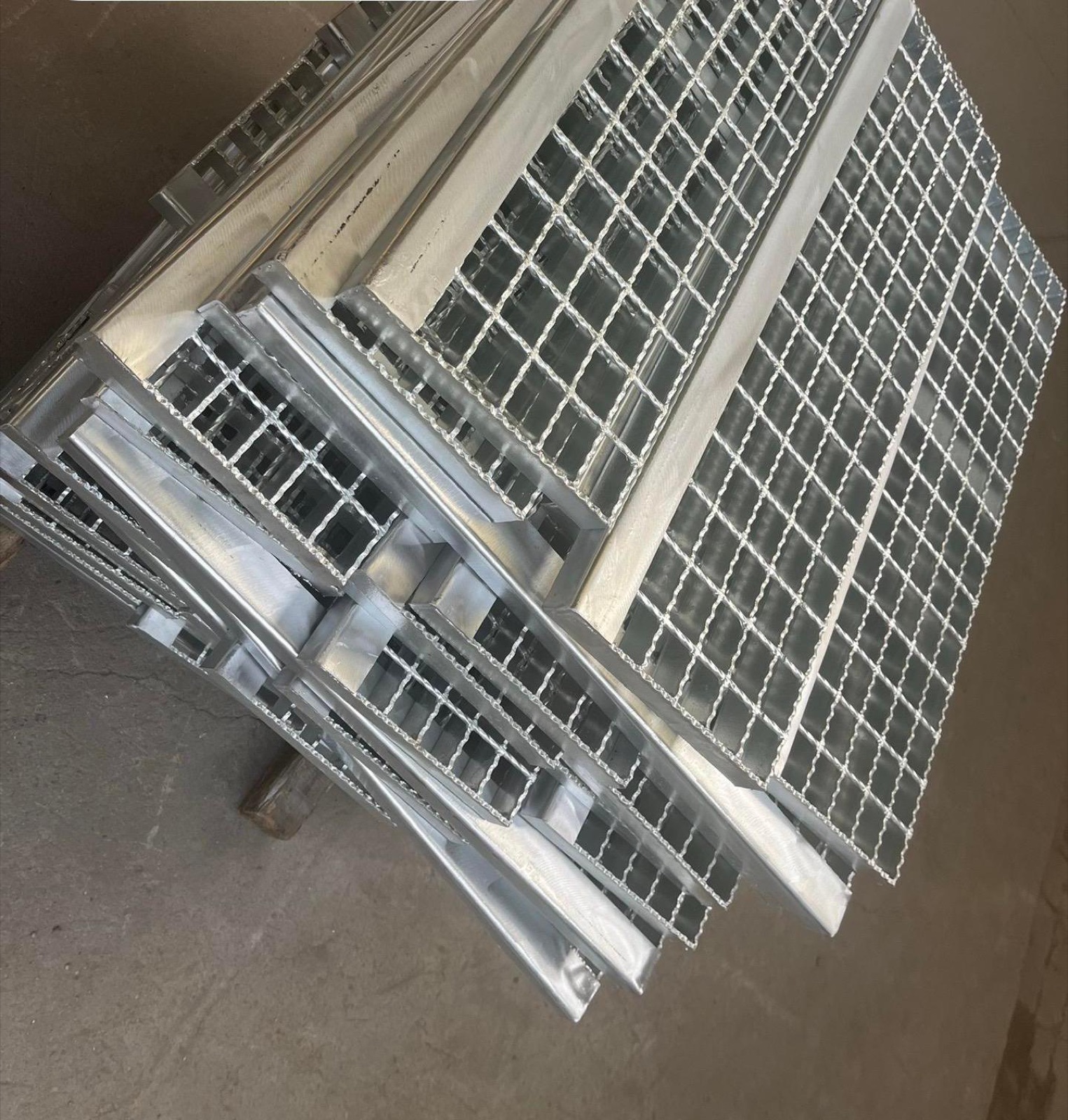
Corrosion Resistant Grating
Corrosion decides grating life long before load does. Food washdown, chemical splash, coastal salt spray and wastewater each attack steel differently — so the right answer may be hot-dip galvanizing, stainless 316L or aluminum, matched to the actual chemistry and temperature, not a generic promise.
The Challenge
What This Application Demands
Rust undermines platforms and covers years before structural wear
The wrong finish choice multiplies maintenance cost and replacement downtime
Chlorides and salt spray defeat coatings that work fine inland
Hygienic plants cannot tolerate flaking rust or rough corroded surfaces
Requirements
Specification Requirements
Confirm these points before ordering — they define the grating.
Environment analysis
- Identify the media: chemicals, chlorides, humidity, salt spray
- State temperature range and washdown or cleaning cycles
- Distinguish indoor vs outdoor, splash vs immersion zones
Material strategy
- Hot-dip galvanized carbon steel for general industrial and outdoor exposure
- SS304 for food processing and hygienic areas; SS316L for chlorides, marine and chemical splash
- Aluminum for weight-sensitive marine walkways and wastewater structures
Finish quality
- Zinc coating per ASTM A123 / ISO 1461 or project standard, verified by coating thickness reports
- Stainless pickled and passivated after welding; electro-polish for hygienic surfaces
- Dissimilar-metal contact detailed to avoid galvanic corrosion
Slip & hygiene
- Serrated surface where wet, oily or icy
- Smooth, cleanable surfaces for food and pharmaceutical zones
Gratings
Recommended Grating Families
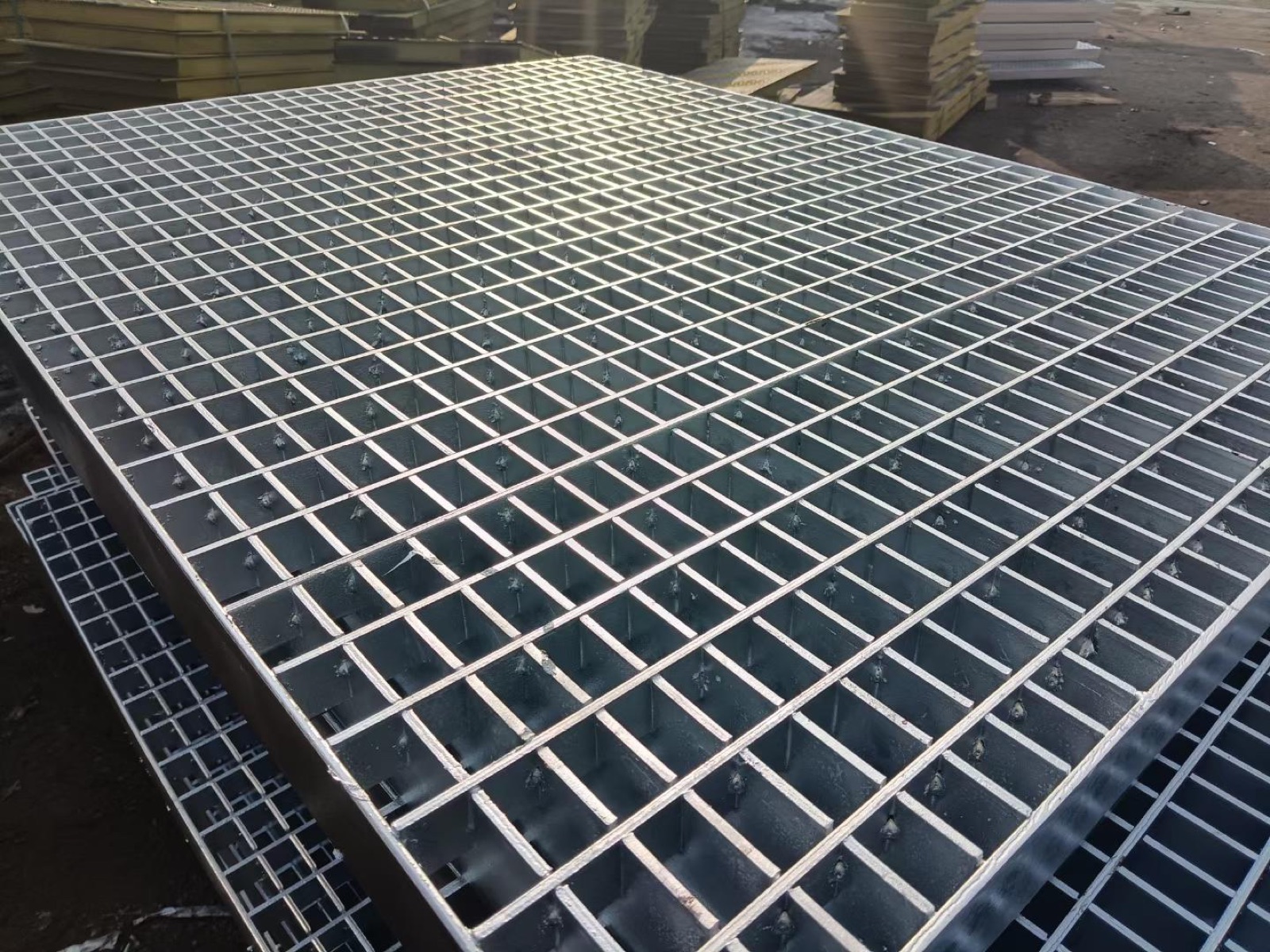
Stainless Steel Grating
SS304/316L grating for chemical, food-grade, coastal and hygienic environments — passivated or electro-polished.
View product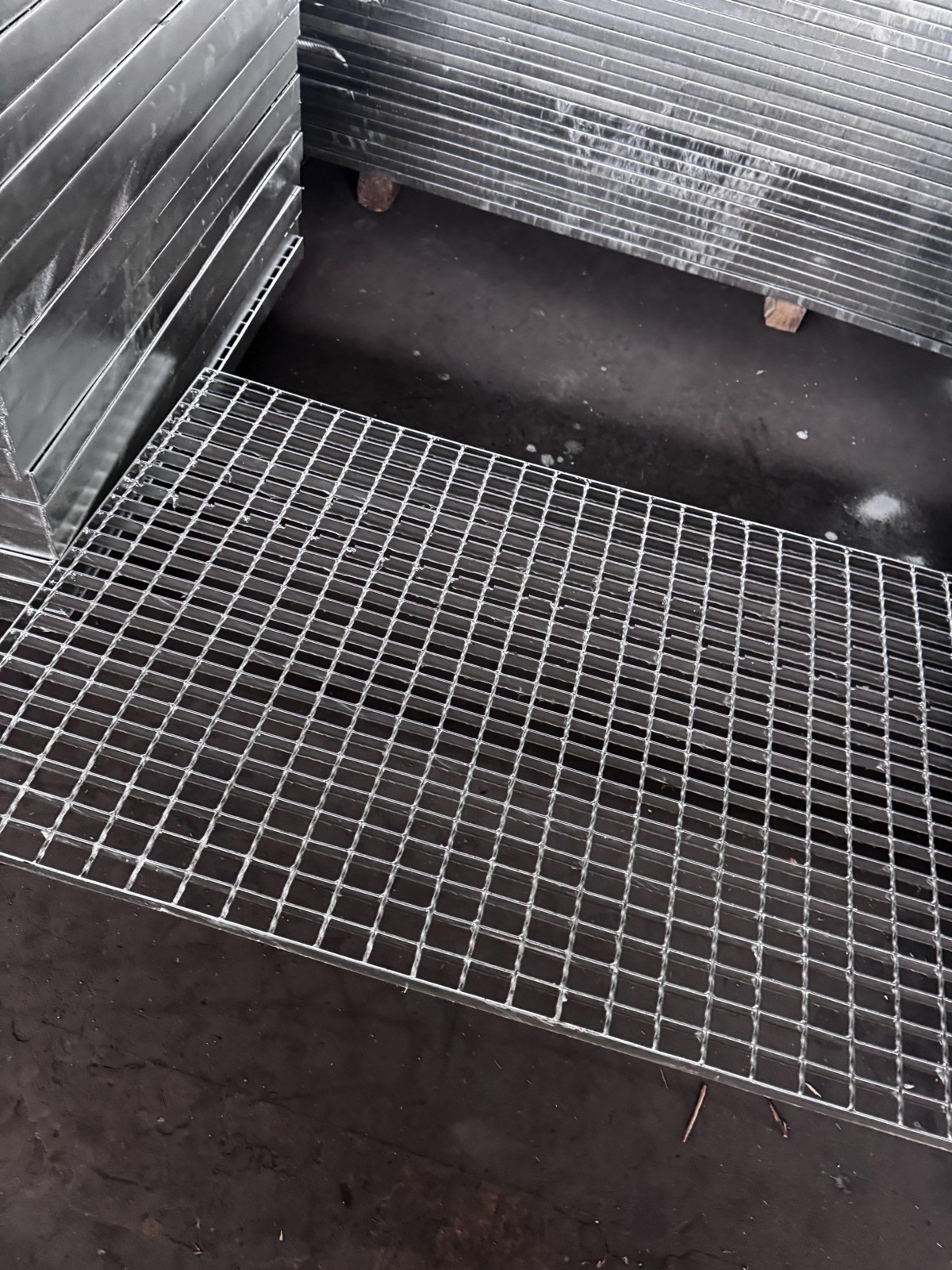
Galvanized Steel Grating
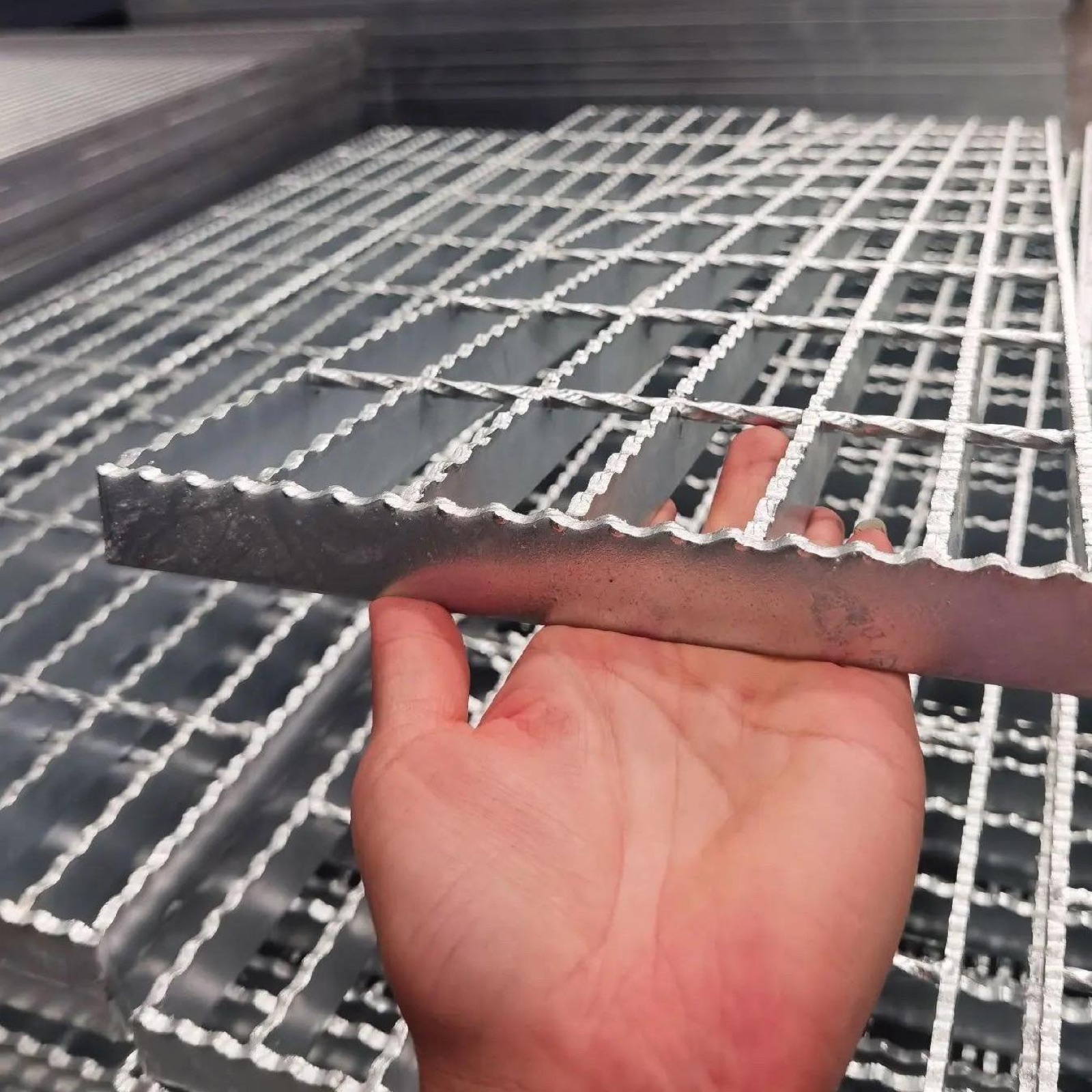
Hot-dip galvanized after fabrication for long-term corrosion protection on outdoor platforms, walkways and trench covers.
View product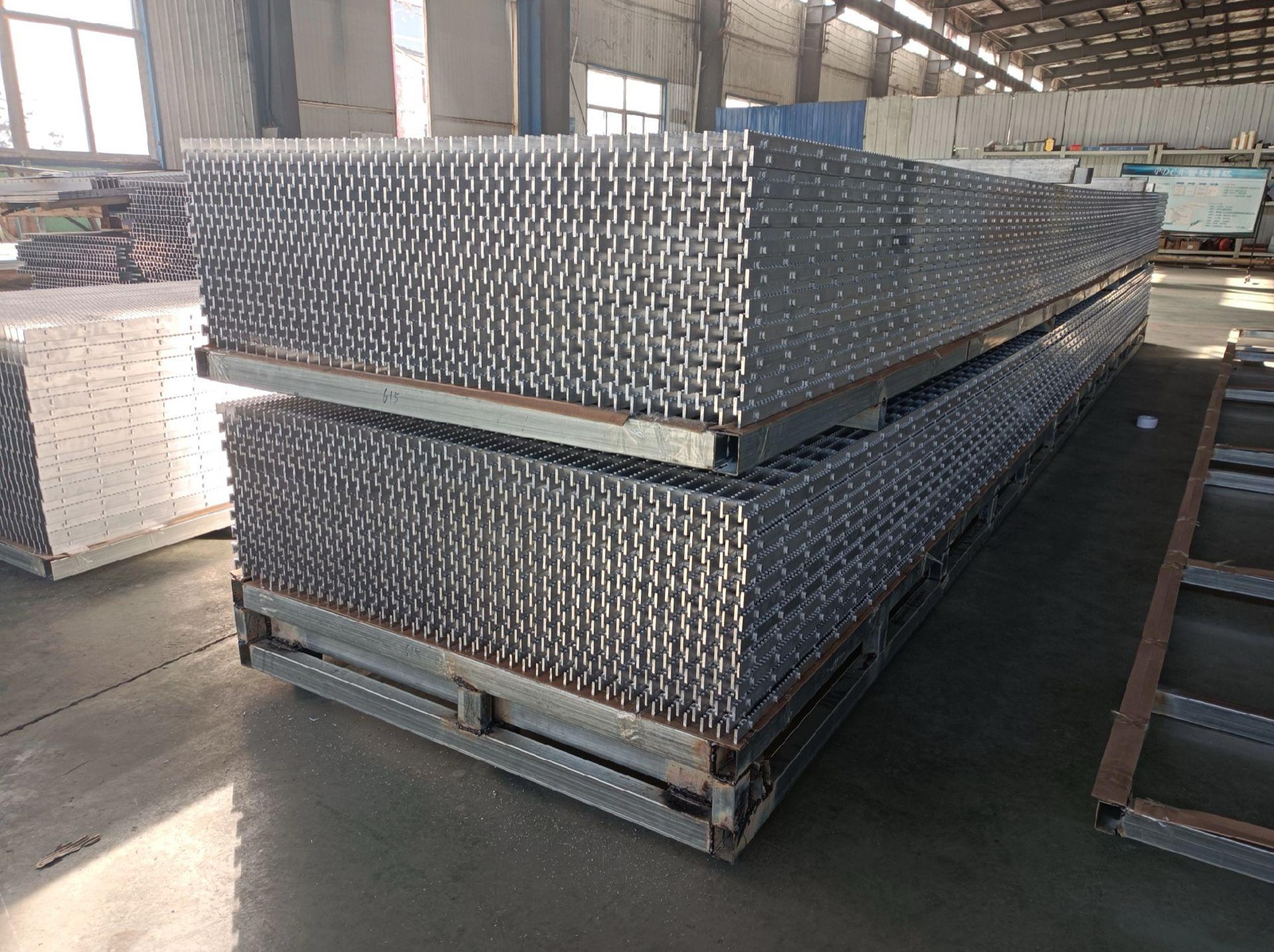
Aluminum Grating
Lightweight, corrosion-resistant aluminum bar grating for architectural, marine and light-to-medium duty platforms.
View product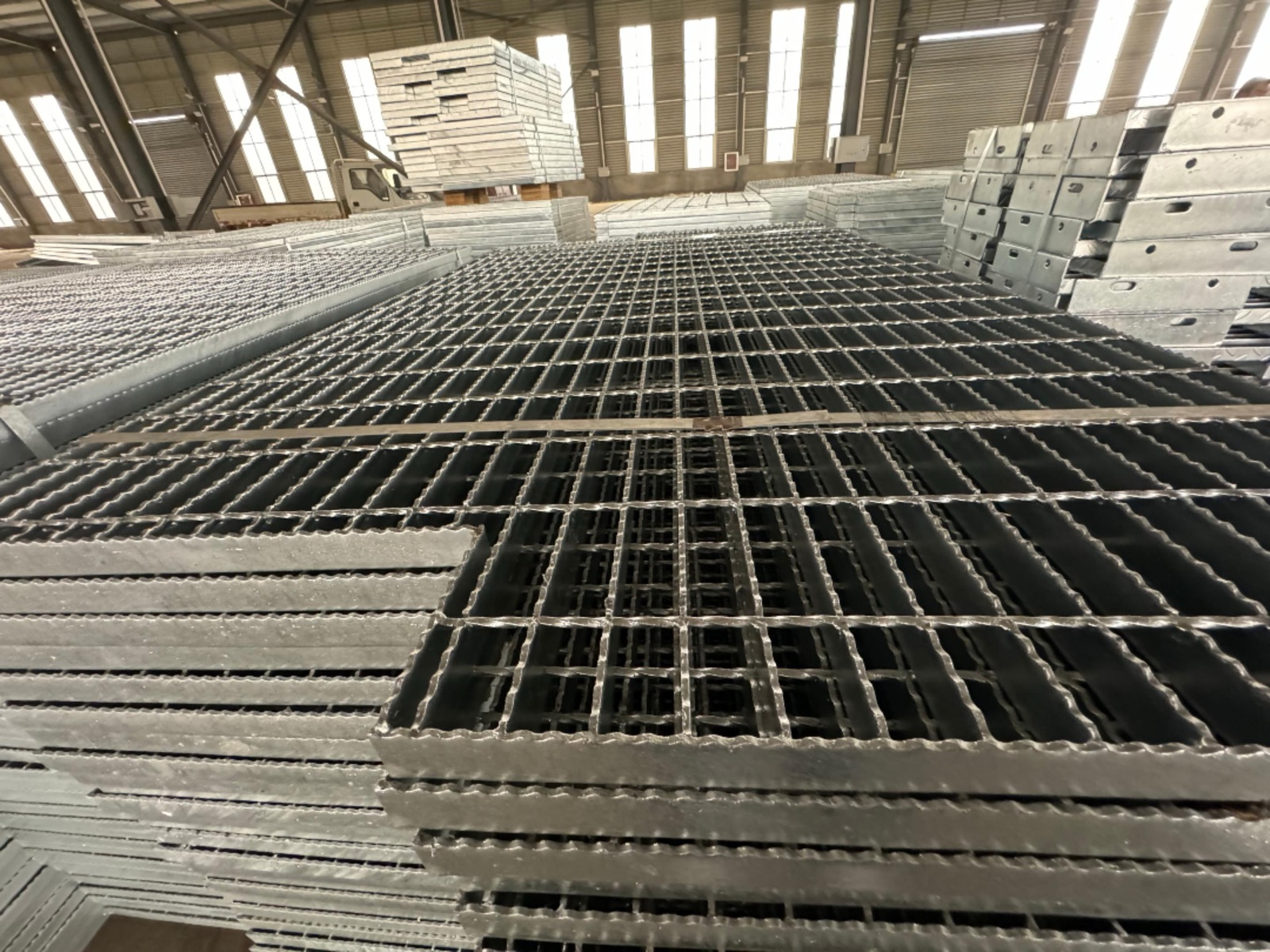
Serrated Steel Grating
Serrated bearing bars for proven slip resistance on wet, oily, snowy or inclined walking surfaces.
View productMaterial & finish selection
- General outdoor and industrial: Q235 carbon steel, hot-dip galvanized after fabrication — zinc per ASTM A123 / ISO 1461 with coating reports.
- Food, brewing and pharmaceutical: SS304, pickled and passivated; upgrade to SS316L where chlorides or aggressive cleaners are present.
- Chemical plants, wastewater and marine or coastal sites: SS316L; aluminum 6061-T6 where weight limits rule.
- Tell us the media, concentration and temperature — we recommend against the actual exposure, not a catalogue claim.
Inquiry
What to Send Us
These parameters let us confirm the specification and quote within 24 hours.
- Exposure description: chemicals, chlorides, salt spray, humidity
- Temperature range and washdown or cleaning regime
- Application: platform, walkway, trench cover or flooring
- Support span and load requirements
- Expected service life and maintenance access
- Surface preference: plain, serrated or electro-polished
Installation
Installation Notes
- Keep stainless and aluminum panels separate from carbon steel during transport, storage and installation.
- Isolate dissimilar metals with gaskets or coatings to prevent galvanic corrosion.
- Use clips instead of site welding on galvanized or stainless surfaces wherever possible.
- Rinse salt and chemical deposits during planned maintenance to extend service life.
Gallery
On Site
FAQ
Corrosion Resistant Grating FAQs
Galvanized or stainless for a chemical plant?
SS304 or SS316L — what is the practical difference?
How is zinc coating quality verified?
Does stainless steel grating ever rust?
Is aluminum grating strong enough for walkways?
Can you passivate or electro-polish after welding?
Send Your Drawings, Get a Confirmed Specification
Complete inquiries are typically answered within 24 hours during business hours.